Anandi Lobo, MD

3.5K posts

Anandi Lobo, MD banner
Anandi Lobo, MD

Anandi Lobo, MD

@LoboAnandi

Mother,Surgical Pathologist,#GUPath/#Neuropath/#Cytopath...Traveller.. Learner..#Bombaygirl.. Sometimes you win;sometimes you learn🌟T/RT≠Medical Advice

เข้าร่วม Ekim 2016
922 กำลังติดตาม1.5K ผู้ติดตาม
Anandi Lobo, MD รีทวีตแล้ว
Liang Cheng, MD
Liang Cheng, MD@LiangChengMD·
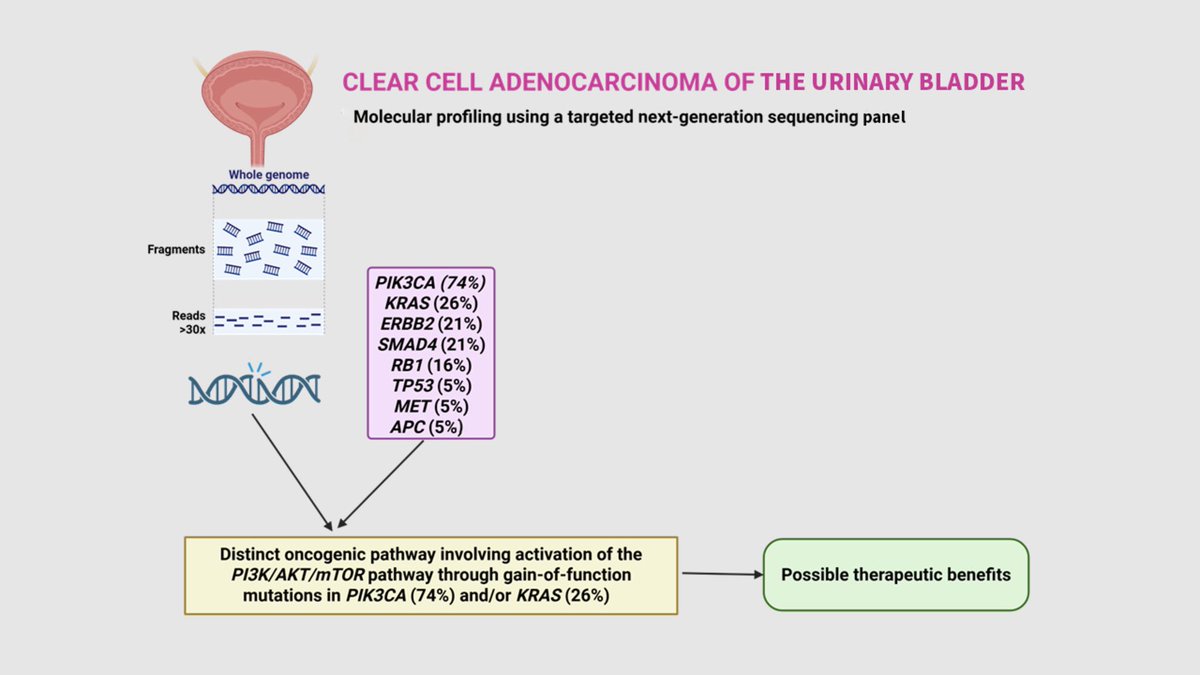
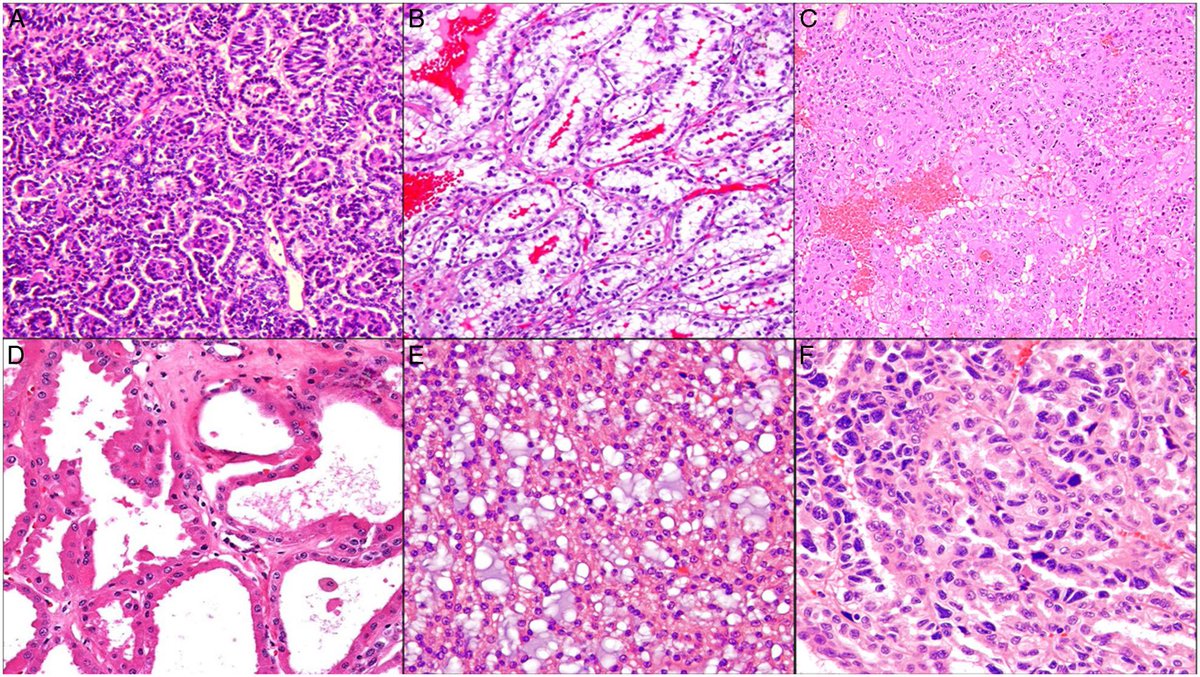
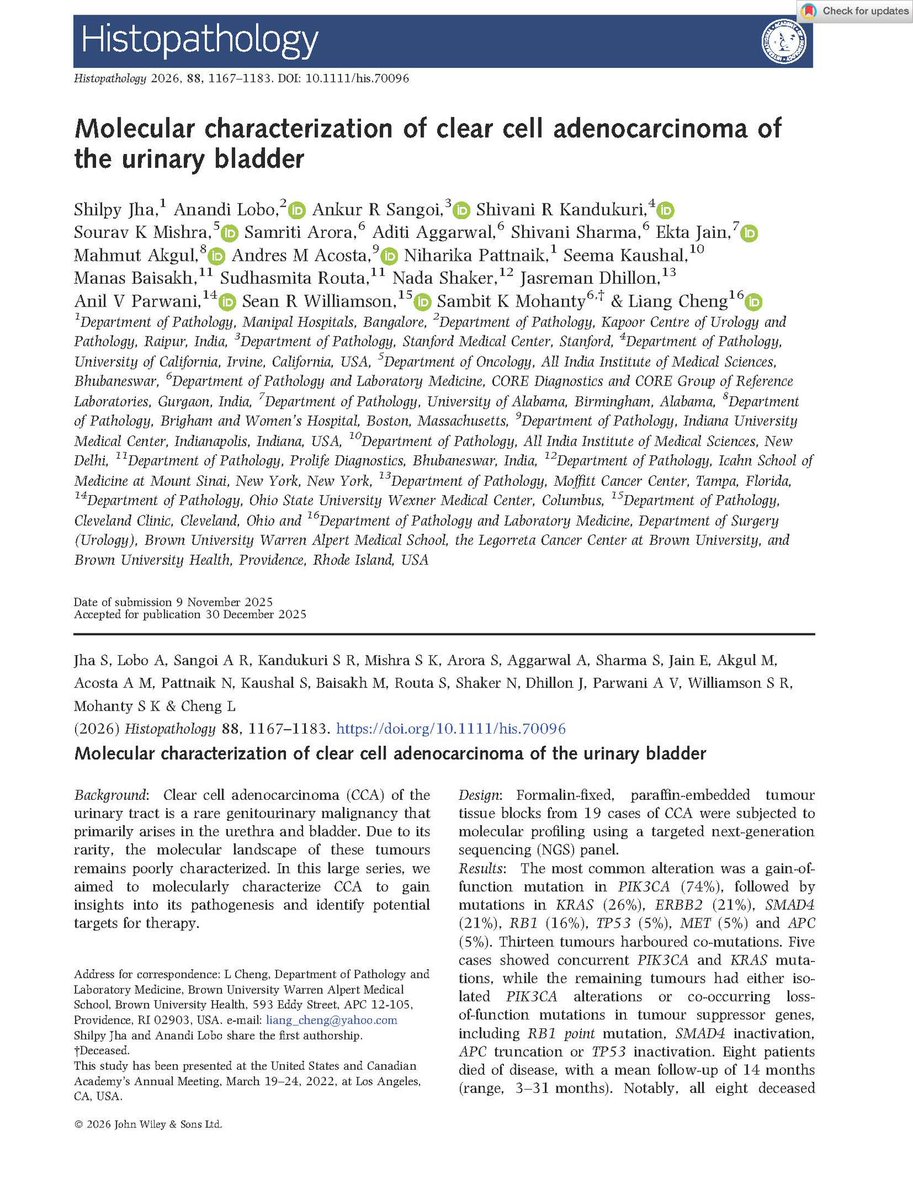
New study published in the May 2026 issue of Histopathology @Histo_Journal Congratulations to Drs. Shilpy Jha, @LoboAnandi and colleagues on this amazing paper investigating the molecular landscape of clear cell adenocarcinoma (CCA) of the urinary bladder, one of the rarest and least understood genitourinary malignancies. This important multicenter collaboration advances our understanding of a rare bladder cancer subtype and provides a foundation for future biologic and therapeutic investigations. In one of the largest series of bladder CCA, the authors identified recurrent alterations involving the PI3K/AKT/mTOR signaling pathway, particularly activating PIK3CA mutations (74%) and KRAS mutations (26%). Additional alterations involving SMAD4, RB1, ERBB2, TP53, MET, and APC further highlight the complex molecular architecture of this aggressive neoplasm. These findings provide important insights into tumor pathogenesis and identify potentially actionable therapeutic targets. Particularly noteworthy is the relatively high frequency of KRAS mutations in CCA, especially in light of the landmark Phase 3 RASolute 302 trial, published on May 31, 2026 in  New England Journal of Medicine (PMID: 42223072), which demonstrated remarkable efficacy of daraxonrasib, a pan-RAS (multi-selective) inhibitor, in patients with previously treated metastatic pancreatic cancer. These results provide compelling clinical evidence that RAS-driven tumors may be effectively targeted with next-generation therapeutics. Although clear cell adenocarcinoma of the urinary bladder remains an exceptionally rare malignancy, the finding that more than one-quarter of cases harbor KRAS alterations raises the intriguing possibility that a subset of patients could benefit from emerging RAS-directed therapeutic strategies. More broadly, these findings underscore the importance of comprehensive molecular profiling in rare genitourinary tumors, both to improve our understanding of tumor biology and to identify potentially actionable targets that may expand treatment options in the era of precision oncology. Full article available: pubmed.ncbi.nlm.nih.gov/41537408/
Liang Cheng, MD tweet mediaLiang Cheng, MD tweet mediaLiang Cheng, MD tweet mediaLiang Cheng, MD tweet media
English

0
16
29
2.8K
Ankur Sangoi
Ankur Sangoi@slusagar·
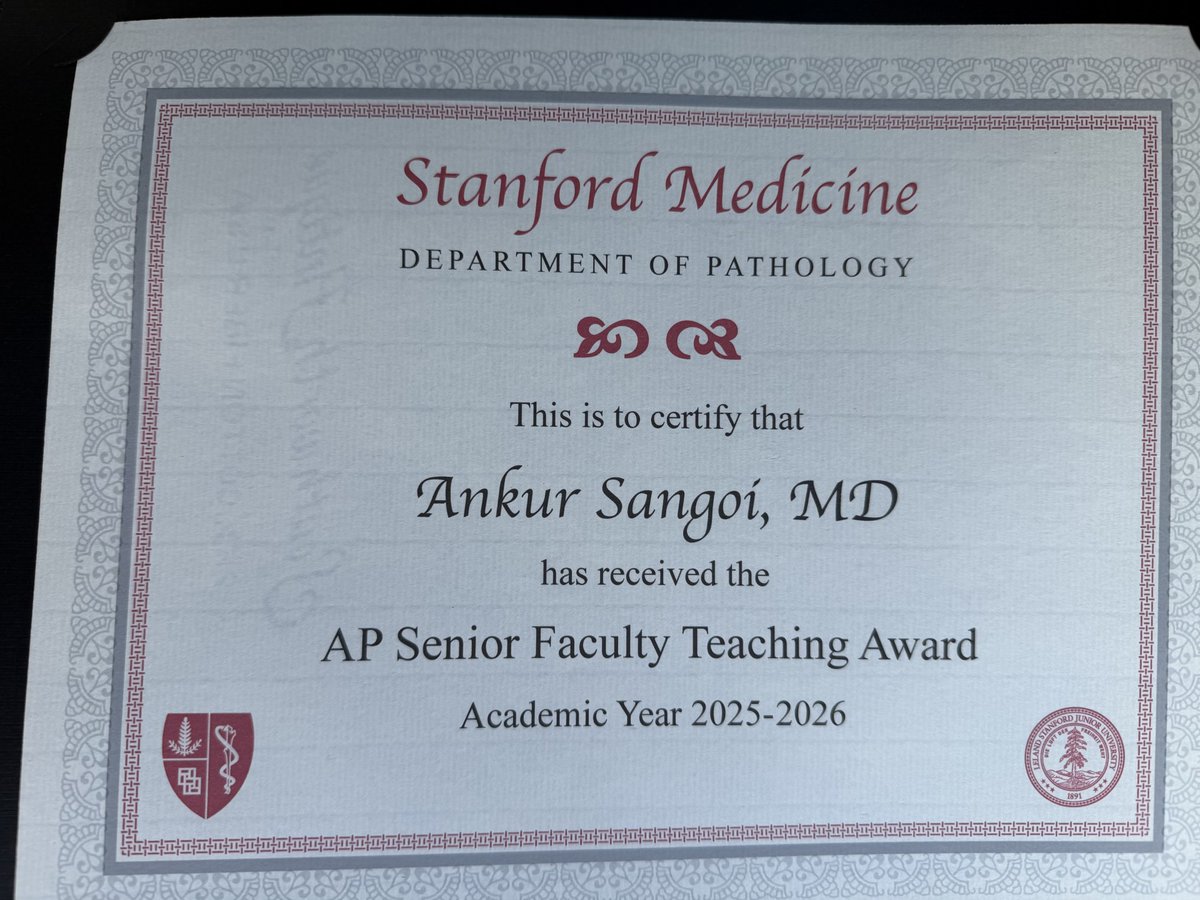
I'm honored to receive this @StanfordPath award! helps solidify my mantra: #ABT (always be teaching) also, go #GUpath‼️💪🏼🔬
Ankur Sangoi tweet mediaAnkur Sangoi tweet media
English
24
6
124
5.8K
Anandi Lobo, MD รีทวีตแล้ว
Liang Cheng, MD
Liang Cheng, MD@LiangChengMD·
“One picture is worth ten thousand words.” -  Frederick R. Barnard, 1927 I am incredibly honored to have contributed to Tumors of the Kidney, Bladder, and Related Urinary Structures, part of the prestigious Atlases of Tumor and Non-Tumor Pathology series. Since the publication of its first series in the 1940s, this landmark collection has served as a foundational resource for generations of pathologists worldwide @ARP_Press As my mentor and dear friend, the late Dr. John N. Eble - a giant in genitourinary pathology - beautifully wrote in the Preface to this 2022 volume: “Today, the classification of genitourinary tumors continues to accrue entities based upon morphology, immunophenotype, and compelling clinical associations, even in the absence of genetic data. This demonstrates the enduring value of books focused upon the morphology of renal and urinary tract neoplasms.” These words remain as relevant today as ever. While molecular pathology, precision genomics, and artificial intelligence continue to transform our field, morphologic evaluation of H&E-stained sections remains the cornerstone of diagnostic pathology. As we conclude Bladder Cancer Awareness Month, I hope this atlas volume will continue to serve as a practical and valuable resource for pathologists, trainees, researchers, and clinicians dedicated to improving the care of patients with bladder cancer and other genitourinary diseases. The book is available at: arppress.org/books/book/45/…
Liang Cheng, MD tweet mediaLiang Cheng, MD tweet mediaLiang Cheng, MD tweet media
English
1
8
39
2.1K
Anandi Lobo, MD รีทวีตแล้ว
Liang Cheng, MD
Liang Cheng, MD@LiangChengMD·
PubMed Link: pubmed.ncbi.nlm.nih.gov/41790060/ Published in the May issue of the American Journal of Surgical Pathology. Congratulations to Dr. Anandi Lobo @LoboAnandi and our esteemed colleagues on publishing the largest series to date of this rare kidney cancer. This work is also a tribute to our dear friend, mentor, and leader in genitourinary pathology, the late Dr. Sambit Mohanty, whose contributions to the field continue to inspire us.   Anaplastic lymphoma kinase (ALK)-rearranged renal cell carcinoma (ALK-RCC) is a rare renal malignancy that was recently recognized in the latest World Health Organization classification as a molecularly defined renal carcinoma. Initially described in pediatric patients with underlying hemoglobinopathies, this entity has subsequently been identified in adults, primarily through isolated case reports and small series, with fewer than 50 cases reported worldwide before this study.   This important investigation demonstrates that ALK-RCC represents a rare but potentially aggressive form of renal cell carcinoma with a heterogeneous morphologic spectrum. Because of its rarity and overlapping features, ALK-RCC is at significant risk of being misclassified as TFE3-rearranged RCC, clear cell papillary renal cell tumor, or mucinous tubular and spindle cell carcinoma. Recognition of characteristic features- including solid and tubulopapillary architecture, eosinophilic cytology, and expression of ALK and KRT7 - can facilitate diagnosis, which should be confirmed by FISH or next-generation sequencing.   Awareness of the morphologic spectrum of ALK-RCC and strategic use of ALK immunohistochemistry with confirmatory molecular testing are essential, particularly in younger patients and in tumors with unusual or ambiguous features. This study substantially expands our clinicopathologic and molecular understanding of ALK-RCC, highlighting its rarity, morphologic diversity, and variable clinical behavior. Accurate diagnosis supported by molecular testing is critical not only to prevent misclassification but also to identify patients who may benefit from targeted ALK-directed therapy.
Liang Cheng, MD tweet mediaLiang Cheng, MD tweet mediaLiang Cheng, MD tweet media
English
0
12
34
3.1K
Anandi Lobo, MD รีทวีตแล้ว
Ankur Sangoi
Ankur Sangoi@slusagar·
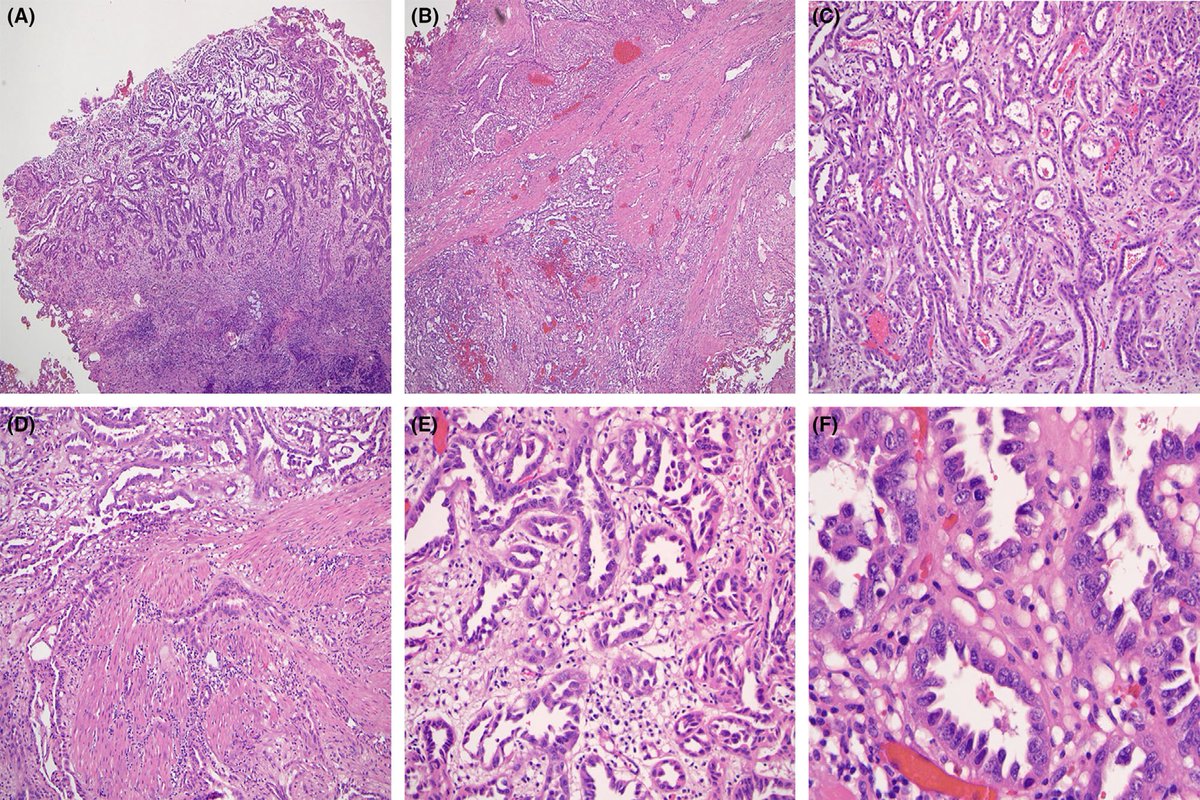
nice example of clear cell adenocarcinoma kudos to @shilpyjha @LoboAnandi @LiangChengMD team & glad to be part of this fab study on molecular characterization of clear cell adenoca of the bladder PMID: 41537408
Ankur Sangoi tweet mediaAnkur Sangoi tweet media
English
0
6
17
4K
Anandi Lobo, MD รีทวีตแล้ว
Ankur Sangoi
Ankur Sangoi@slusagar·
#GUpath bladder ⏬cont'd⏬
Ankur Sangoi tweet mediaAnkur Sangoi tweet mediaAnkur Sangoi tweet mediaAnkur Sangoi tweet media
English
1
11
29
1.9K
Anandi Lobo, MD รีทวีตแล้ว
International Society of Urological Pathology
Working Group 2: Biomarker Testing in Prostate Cancer WG2 Chairpersons: Gladell P. Paner, Alessia Cimadamore
International Society of Urological Pathology tweet media
English
0
5
15
647
Anandi Lobo, MD รีทวีตแล้ว
Liang Cheng, MD
Liang Cheng, MD@LiangChengMD·
Just published in the May 2027 issue of The American Journal of Surgical Pathology @JLHornick, in  memory of our dear friend, mentor, and exceptional educator and leader, Dr. Sambit Mohanty.   In the largest series to date of ALK-rearranged renal cell carcinoma (ALK-RCC), Drs. Anandi Lobo @LoboAnandi, Mahmut Akgul, Ankur Sangoi @slusagar, Khaleel Al-Obaidy,@KhaleelAlObaidy @Andres_M_Acosta @Aparwani_dpath @DrSeemaKaushal @Williamson_SR and their distinguished colleagues present an integrated clinicopathologic, morphologic, and molecular analysis of this rare aggressive tumor (PMID: 41790060).   ALK-RCC in adults demonstrates significant morphologic heterogeneity and carries important clinical implications. Accurate diagnosis is critical, as patients - particularly those with metastatic disease- may benefit from ALK-targeted therapies. Notably, TFE3 immunoreactivity can be seen in ALK-RCC, making confirmation of ALK gene rearrangement essential through immunohistochemistry and/or molecular methods such as FISH or NGS.   Given its diverse morphology, ALK-RCC can mimic other renal neoplasms, including TFE3-rearranged RCC, clear cell papillary renal cell tumor, and mucinous tubular and spindle cell carcinoma, posing a risk for misclassification. Recognition of key features- such as solid and tubulopapillary architecture, eosinophilic cytology, and ALK/KRT7 expression - combined with confirmatory molecular testing is crucial, especially in younger patients or diagnostically challenging cases.   This study expands our understanding of ALK-RCC, underscoring its rarity, diagnostic complexity, and variable clinical behavior. Accurate diagnosis, facilitated by molecular diagnostics, is essential not only to avoid misdiagnosis but also to identify patients who may benefit from targeted therapy.   Take a look: journals.lww.com/ajsp/fulltext/…
Liang Cheng, MD tweet mediaLiang Cheng, MD tweet mediaLiang Cheng, MD tweet mediaLiang Cheng, MD tweet media
English
1
22
52
3.4K
Anandi Lobo, MD
Anandi Lobo, MD@LoboAnandi·
#GUPath.. Delighted to see our wonderful collaborative paper finally out. Undoubtedly Dr. Mohanty’s choicest work and finest contribution. Many thanks to @LiangChengMD and Dr. Shilpy Jha for bringing this to fruition!!!
Liang Cheng, MD@LiangChengMD

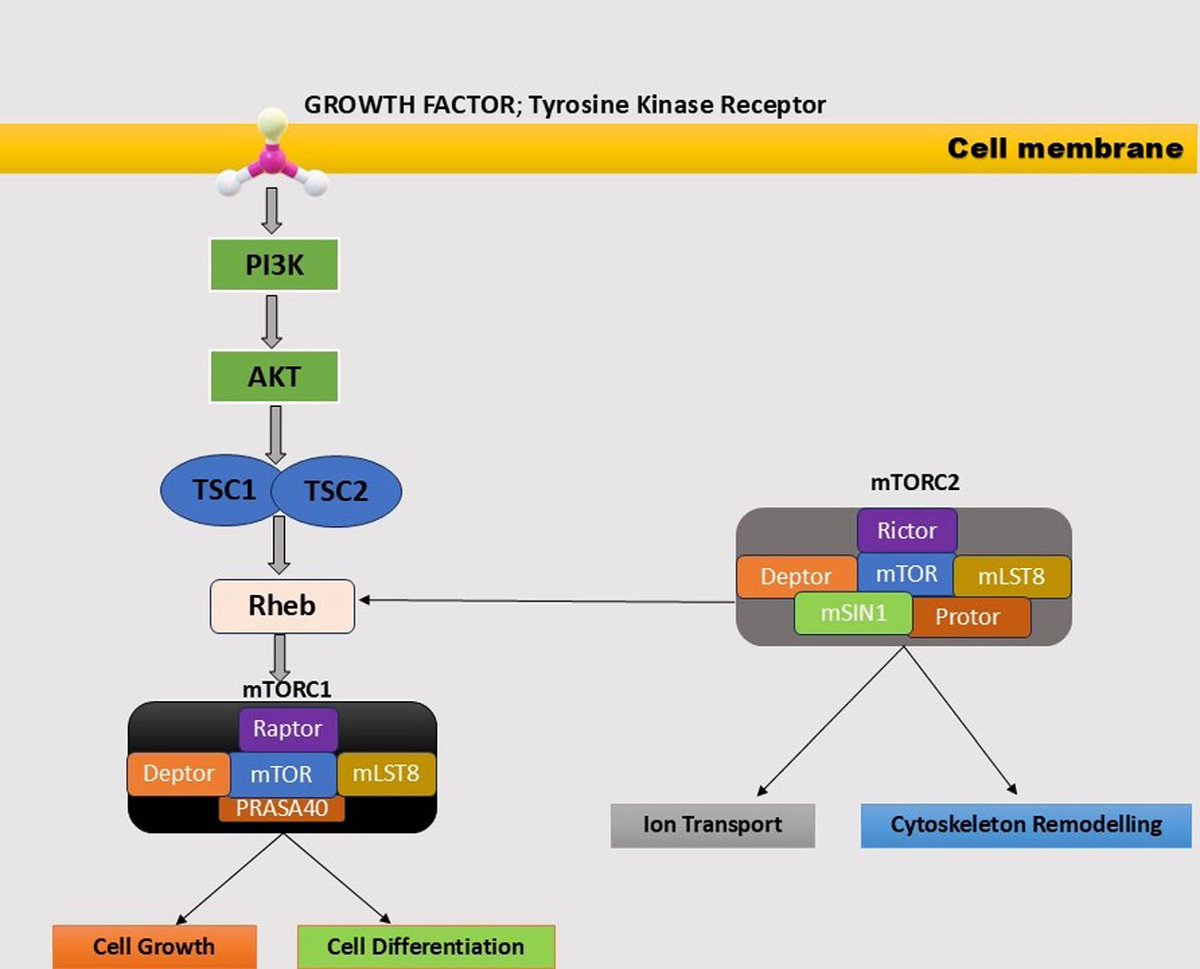
Congratulations to Anandi, @LoboAnandi Jha, and colleagues on this landmark study, defining the molecular landscape of clear cell adenocarcinoma of the urinary bladder in Histopathology @Histo_Journal (PMID: 41537408). Clear cell adenocarcinoma of the bladder is a rare and highly aggressive tumor. In this large series, the authors identify a distinct oncogenic landscape, most commonly characterized by activation of the PI3K – AKT- mTOR pathway, driven by gain-of-function mutations in PIK3CA (74%) and/or KRAS (26%). These tumors also frequently harbor loss-of-function mutations in key tumor suppressor genes (TP53, SMAD4, RB1, APC) and activating mutations in proto-oncogenes such as ERBB2 and MET. This study also highlights the molecular heterogeneity of this rare malignancy and identifies actionable therapeutic targets. Notably, mTOR inhibitors may offer therapeutic benefit in selected cases, particularly when PI3K/AKT/mTOR pathway alterations are present. These findings provide a strong rationale for molecularly informed clinical trials and underscore the importance of comprehensive genomic profiling to guide precision therapy in this challenging and aggressive tumor. 🔗 Full article is available at onlinelibrary.wiley.com/doi/10.1111/hi…

English
0
3
14
1.1K
Anandi Lobo, MD
Anandi Lobo, MD@LoboAnandi·
🔬 GU Pathology Series | MEU India Join us for an in-depth lecture on advances in renal tumor pathology. 🗓️ 28 January 2026 
⏰ 8 PM IST | 6:30 AM PT | 9:30 AM ET | 2:30 PM UK 🎙️ Dr. Rohit Mehra 
🎯 Molecular Pathology of Renal Tumors: Biomarker Updates 
👇 Register here
Anandi Lobo, MD tweet media
English
1
10
22
1.2K
Anandi Lobo, MD รีทวีตแล้ว
Liang Cheng, MD
Liang Cheng, MD@LiangChengMD·
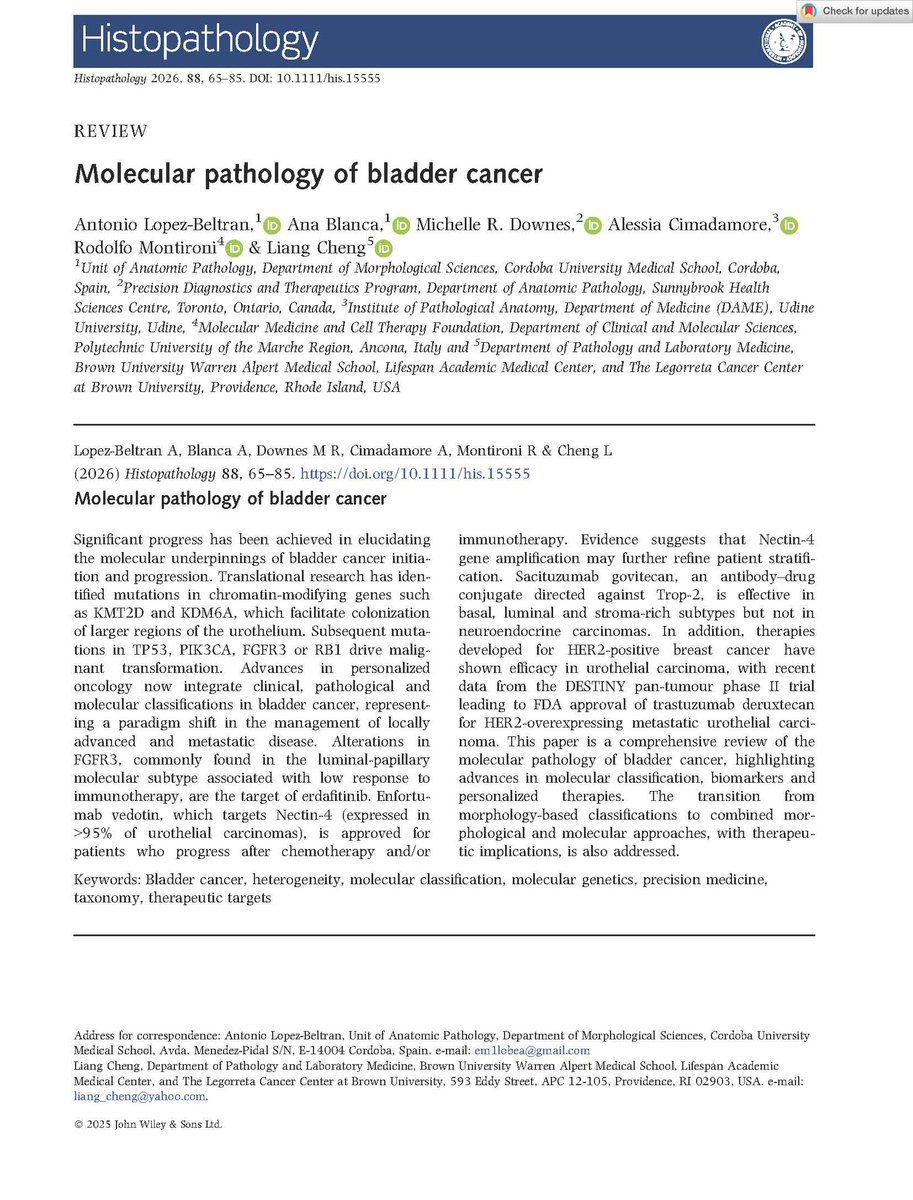
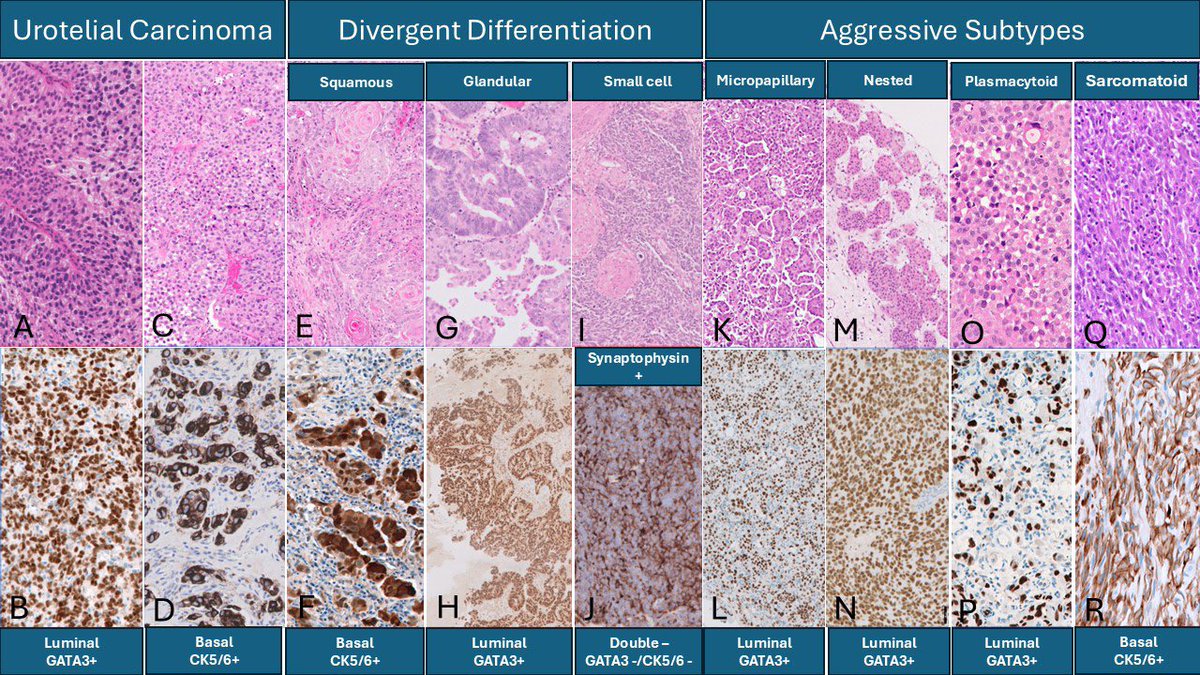
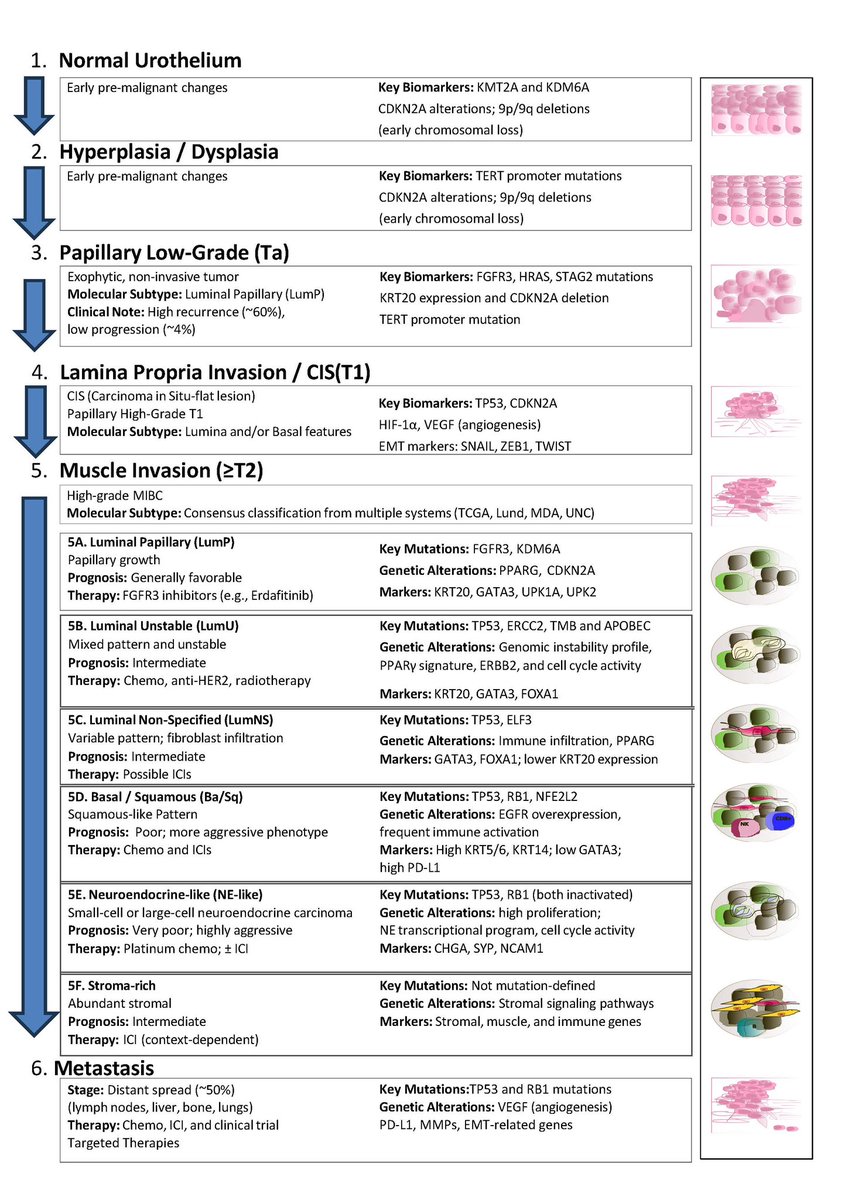
Need an update on the molecular pathology of bladder cancer? I am delighted to share a comprehensive review article by Dr. Antonio Lopez-Beltran and colleagues, published in the 2026 Annual Review Issue of Histopathology @Histo_Journal @daniel_berney
🔗 Article: onlinelibrary.wiley.com/doi/abs/10.111… Advances in molecular classification, biomarker development, and personalized therapies are transforming the management of bladder cancer. The rapid expansion of therapeutic targets - together with ongoing clinical validation—underscores the essential role of pathologists, as pre-analytical and analytical considerations directly impact the approval, adoption, and optimal use of new cancer drugs. Integrating molecular and morphologic data into routine pathology reporting will be critical to support clinical decision-making and enable precision-based treatment. Molecular classification remains a rapidly evolving research area with major potential to reshape clinical practice. The marked molecular and morphological heterogeneity of urothelial carcinoma presents challenges, but also offers opportunities to refine patient stratification and tailor therapeutic interventions. Emerging liquid-based biomarkers—including circulating tumor DNA (ctDNA) and urinary tumor DNA (utDNA)—show strong promise for detecting minimal residual disease, monitoring treatment response, and assessing disease dynamics in a minimally invasive manner. For more GU-focused reviews, the full 2026 Histopathology Annual Review Issue (Special GU Edition) is available here:
🔗onlinelibrary.wiley.com/toc/13652559/2…
Liang Cheng, MD tweet mediaLiang Cheng, MD tweet mediaLiang Cheng, MD tweet media
English
1
41
98
6.6K
Anandi Lobo, MD รีทวีตแล้ว
Liang Cheng, MD
Liang Cheng, MD@LiangChengMD·
Congratulations to Katrina @katollmd on an outstanding Year-End Review highlighting the top three practice-changing updates in bladder and prostate cancer that every clinician should know.  A must-read for anyone involved in GU cancer care!
Human Pathology@Human_Pathology

New in #HumPathol: Updates in Bladder and Prostate Pathology: Diagnostic Consensus and Clinical Relevance. sciencedirect.com/science/articl… #pathology #PathTwitter #PathX #GUpath #pulmpath

English
0
6
17
3K
Anandi Lobo, MD
Anandi Lobo, MD@LoboAnandi·
#GUPath Our next exciting lecture this week in the GU Pathology Series by MEU India! 🗓️ 11th December 2025 ⏰ 8 PM IST | 6:30 AM PT | 9:30 AM ET |2:30 PM UK Time 🎙️ Speaker: Dr. Sean Williamson 🎯 Topic: Clear Cell Tumors of the Kidney Don’t miss it! 👇Register here
Anandi Lobo, MD tweet media
English
1
8
25
1.9K
Ankur Sangoi
Ankur Sangoi@slusagar·
highly comprehensive #GUpath review on prostate NE tumors one of the best I’ve ever come across! @LiangChengMD @LoboAnandi
Liang Cheng, MD@LiangChengMD

Just published @urotoday @EndoPath @LoboAnandi urotoday.com/recent-abstrac…   Prostatic neuroendocrine tumors are a rare but highly aggressive spectrum of prostate cancers whose biology is shaped by AR suppression, tumor suppressor loss, oncogene activation, transcriptional reprogramming, and epigenetic plasticity. Current classification systems remain inadequate to capture their diversity, necessitating a prostate-specific model that integrates morphology, molecular features, and clinical setting. Advances in molecular diagnostics, liquid biopsy, targeted therapies, immunotherapy, and theranostics are beginning to open new therapeutic avenues. A shift toward molecularly informed classification and management offers the best chance of improving stratification, treatment selection, and survival in this challenging group of tumors. Ref: Lobo A, Cheng L. Reappraisal of Neuroendocrine Tumor Classification of the Prostate Gland: Translating Molecular Insights into Clinical Practice. Endocrine Pathology (Journal impact factor 14.7)  2025;36(1):28. doi: 10.1007/s12022-025-09871-2. PMID: 40699451.   Full article is available at the following link: rdcu.be/exAy8

English
1
4
18
2.4K