NASA History Office

25.1K posts

NASA History Office banner
NASA History Office

NASA History Office

@NASAhistory

This is the NASA History Office's official X account. We're happy that you share our passion for aerospace history.

Washington, DC เข้าร่วม Haziran 2010
163 กำลังติดตาม1.2M ผู้ติดตาม
NASA History Office รีทวีตแล้ว
NASA Marshall
NASA Marshall@NASA_Marshall·
#OTD in 2001, our team at #NASAMarshall began 24/7 support for science on the @Space_Station. This partnership has resulted in over 4,000 different scientific investigations and breakthroughs! Learn more as we celebrate this 25-year milestone: go.nasa.gov/4skSmkQ
English
7
67
258
36.4K
Matt Brand
Matt Brand@MATTSPACHISTORY·
@NASAhistory Marsha Ivins - 55 days 21 hours 47 minutes 42 seconds Andrew Allen - 37 days 16 hours 12 minutes 2 seconds John Casper - 34 days 9 hours 52 minutes 38 seconds Pierre Thuot - 37 days 6 hours 52 minutes 40 seconds Charles Gemer - 24 days 5 hours 38 minutes 44 seconds
English
1
0
0
188
NASA History Office
NASA History Office@NASAhistory·
15 years ago today, NASA's MESSENGER spacecraft achieved this first! For more than four years, it studied the closest planet to our Sun. MESSENGER created a comprehensive map of its surface, learned that Mercury has a metallic core, and discovered water ice in its polar craters! go.nasa.gov/4bu44SZ
English
1
12
115
3.8K
NASA History Office
NASA History Office@NASAhistory·
Do you know the name of the first spacecraft to orbit Mercury? 🤔
NASA History Office tweet media
English
46
112
722
19.1K
NASA History Office
NASA History Office@NASAhistory·
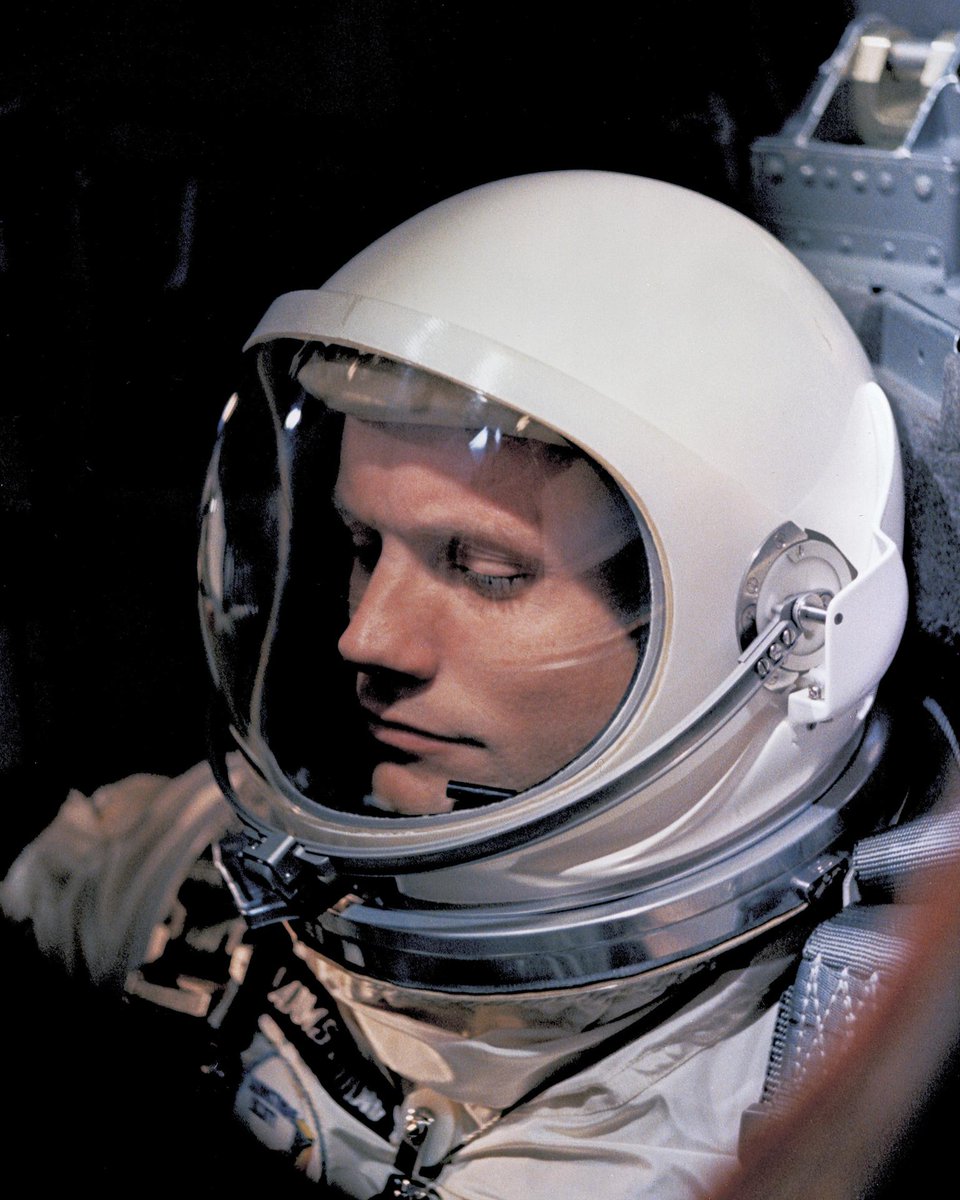
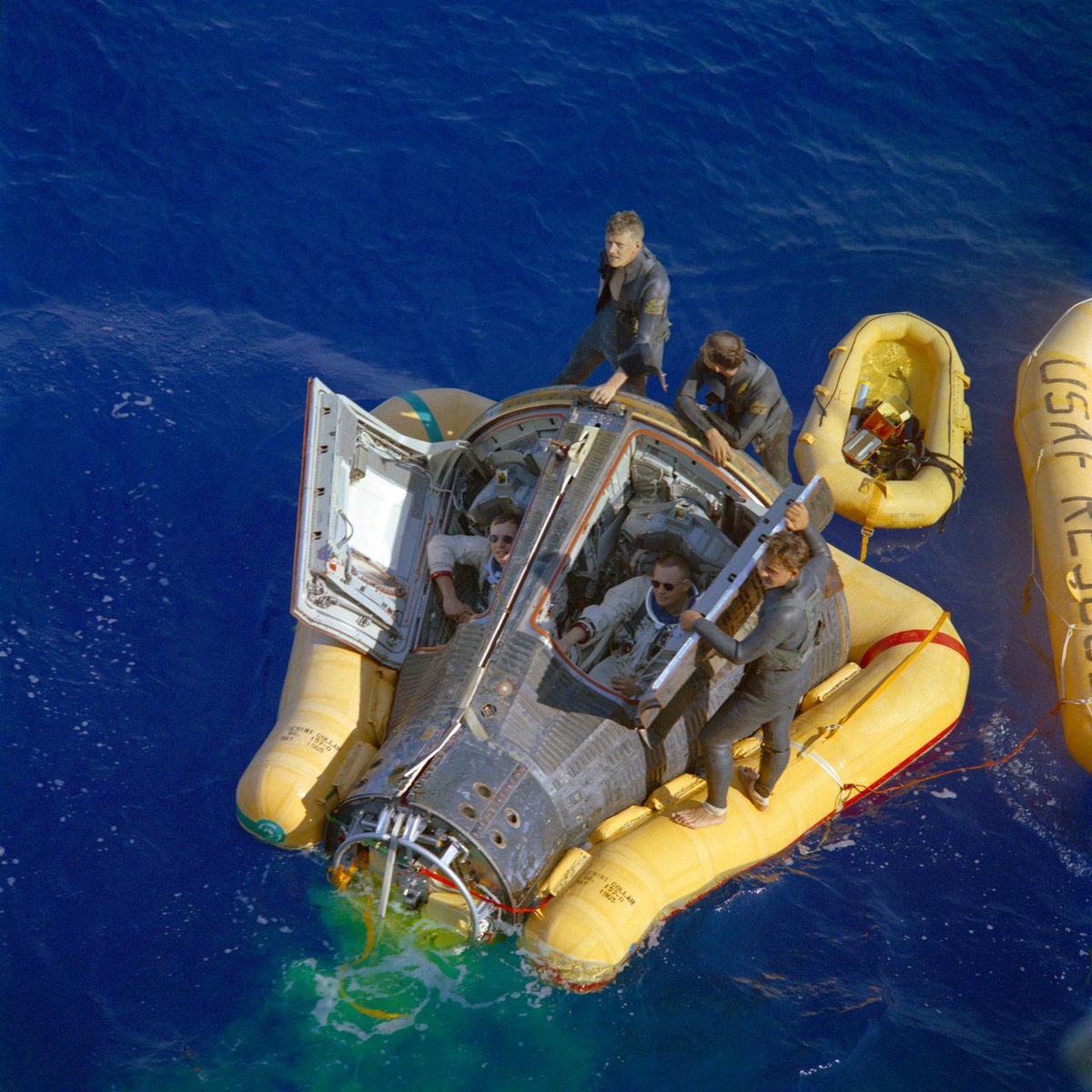
Triumph turns to near disaster 60 years ago this morning At 11:41 am March 16, 1966, rookie astronauts Neil Armstrong and David Scott launched aboard Gemini VIII. Within 6 hours, they had accomplished the first ever docking of two spacecraft in orbit. It was a milestone that the Apollo program depended on. Without proving that two vehicles could safely link up in space, there would be no Moon landing. But 27 minutes after docking, their spacecraft began to spin uncontrollably. Armstrong and Scott found themselves in danger of losing consciousness as they spun at around 1 revolution per second. Armstrong, cool-headed under extreme duress, was able to disable the misfiring thruster and stabilize the spacecraft, saving their lives.
NASA History Office tweet mediaNASA History Office tweet media
English
51
268
1.6K
50.5K
NASA History Office
NASA History Office@NASAhistory·
A 2.5-second rocket flight that heralded decades of discovery in space! Today marks 100 years since the first successful test of a liquid-fueled rocket. Robert H. Goddard's achievement would have appeared unimpressive by most measures: His rocket flew just 41 feet in the air, landing in a nearby cabbage patch. Liquid-propelled rocketry has been the backbone of spaceflight ever since. 📷 by Esther Goddard on March 16, 1926 (Clark University Archive)
NASA History Office tweet media
English
179
1.3K
6.7K
607K
NASA History Office
NASA History Office@NASAhistory·
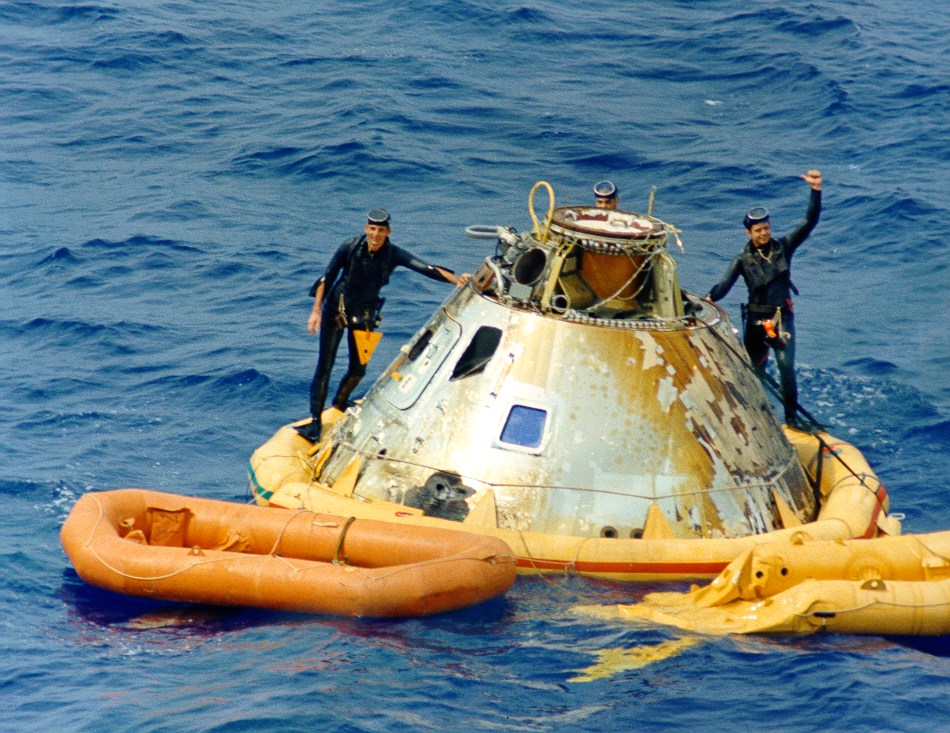
When Apollo 9 splashed down on this day in 1969, para rescue jumpers were there to assist with the recovery. Learn more about the work of First Air Force Detachment 3 and their long-standing partnership with NASA in this week's #HWHAP.
NASA History Office tweet media
NASA's Johnson Space Center@NASA_Johnson

Rescue. Recovery. Ready. 🚁 On this week’s #HWHAP, members of the First Air Force Detachment 3 discuss their partnership with NASA supporting astronaut rescue and recovery operations from Mercury to Artemis. nasa.gov/podcasts/houst…

English
9
67
416
13.3K
NASA History Office รีทวีตแล้ว
NASA Wallops
NASA Wallops@NASAWallops·
In March 1970, more than 30 sounding rockets launched from Wallops during a total solar eclipse to study changes in the atmosphere. In the decades since, Wallops has launched thousands of rockets, from sounding rockets all the way to Antares missions resupplying the Space Station. All of these rocket launches owe inspiration to our parent facility's namesake: Robert Goddard. One hundred years ago, Goddard launched the world’s first liquid-fueled rocket, carrying us into the space age. These launches and many other following helped shape NASA's goals of reaching the Moon and beyond.
English
2
24
95
7.5K
NASA History Office
NASA History Office@NASAhistory·
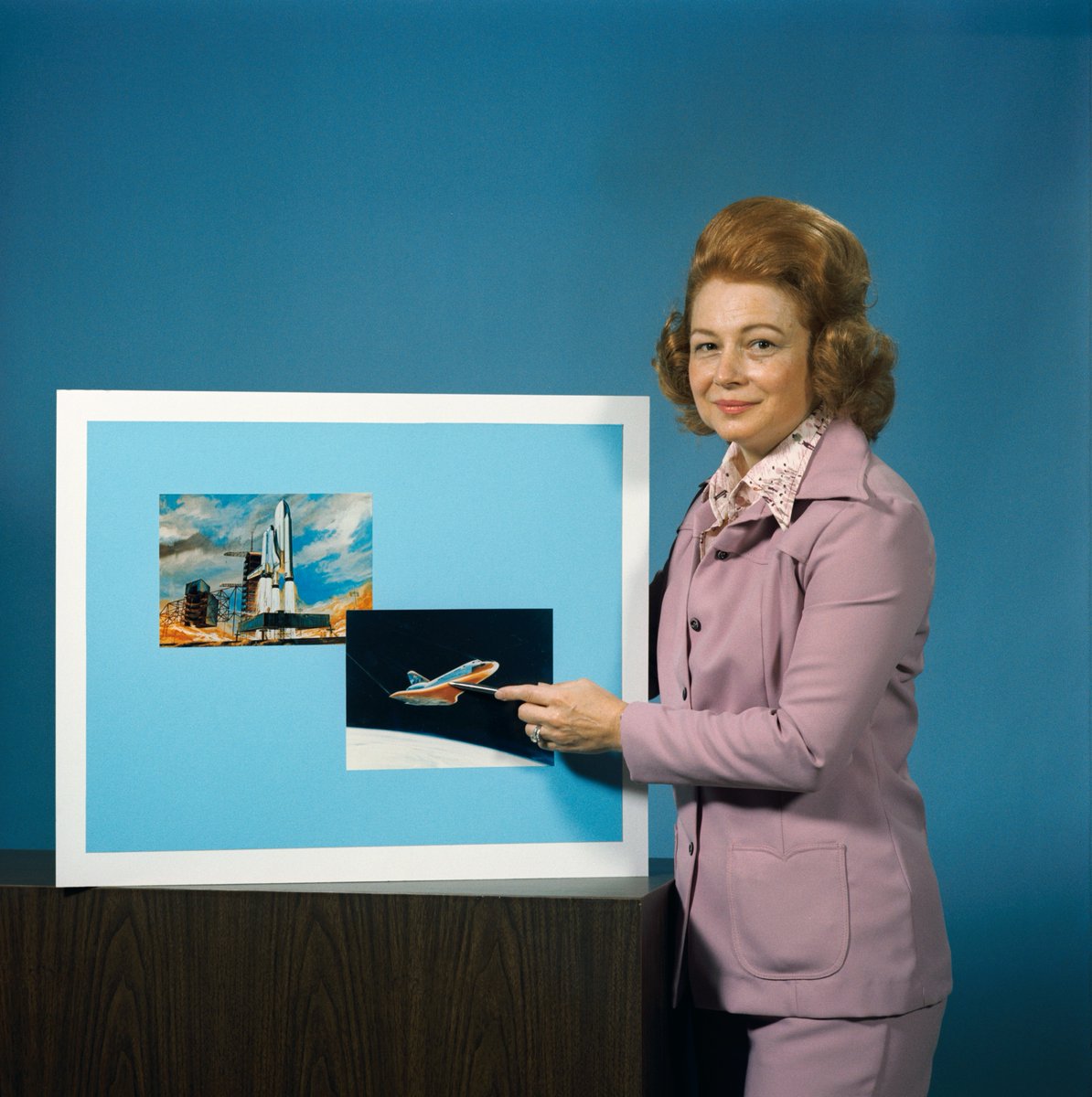
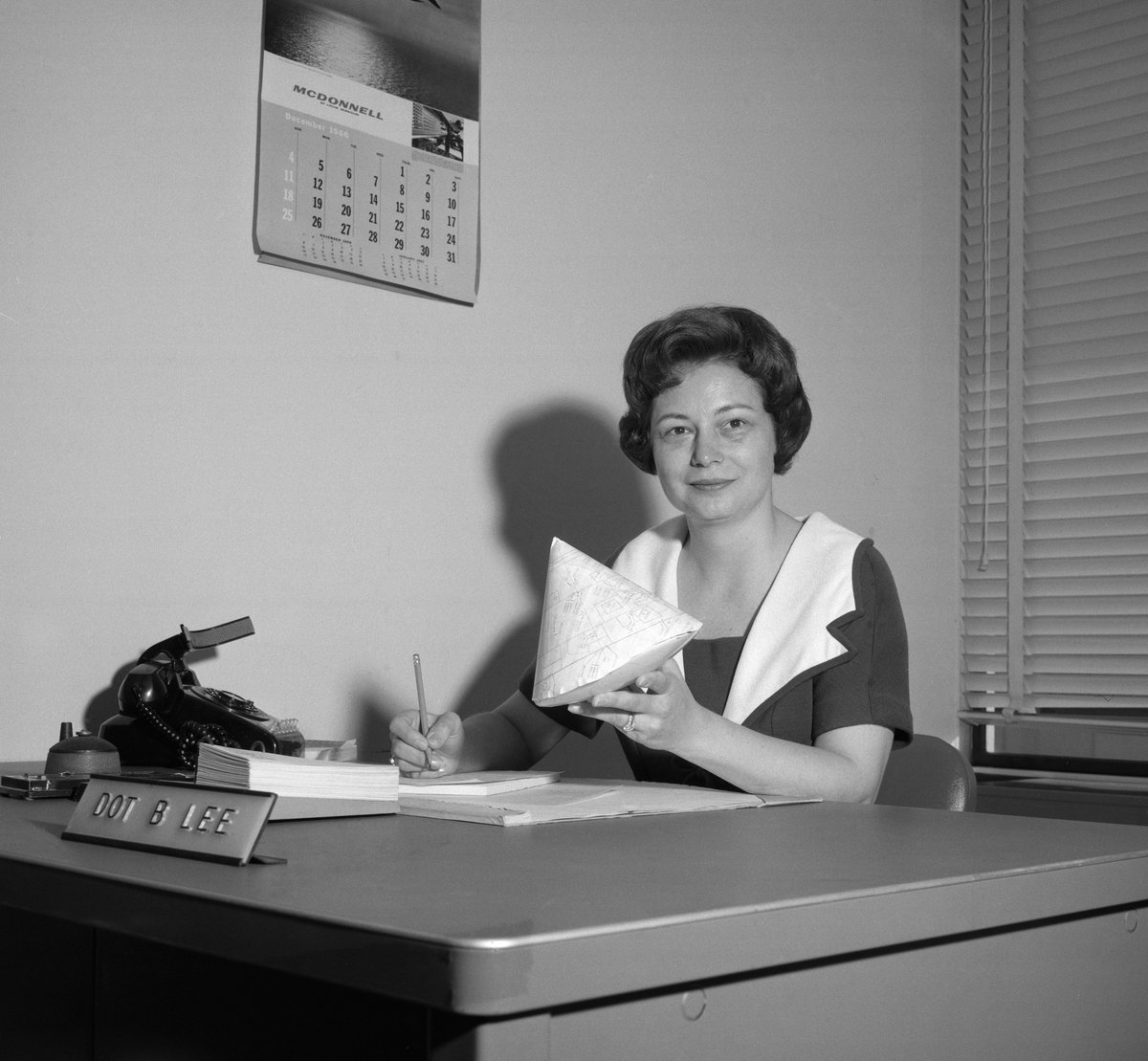
"I knew that we were going to go to the Moon when I was 10 years old. That was in 1937." Dottie Lee began work at @NASALangley in 1948 as a human computer. Fast forward 2 decades and she was helping design the space shuttle, becoming its Subsystems Manager of Aerothermodynamics.
NASA History Office tweet media
English
23
83
404
13.7K
NASA History Office
NASA History Office@NASAhistory·
Remember the ALaMO—the Automated Lunar and Meteor Observatory that is! 20 years ago today, this observatory at @NASAMarshall saw its "first light" and has since been tracking meteors and impacts on the Moon ⬇️ to help us better understand hazards that explorers could face.
GIF
English
6
42
180
7.9K
NASA's Johnson Space Center
NASA's Johnson Space Center@NASA_Johnson·
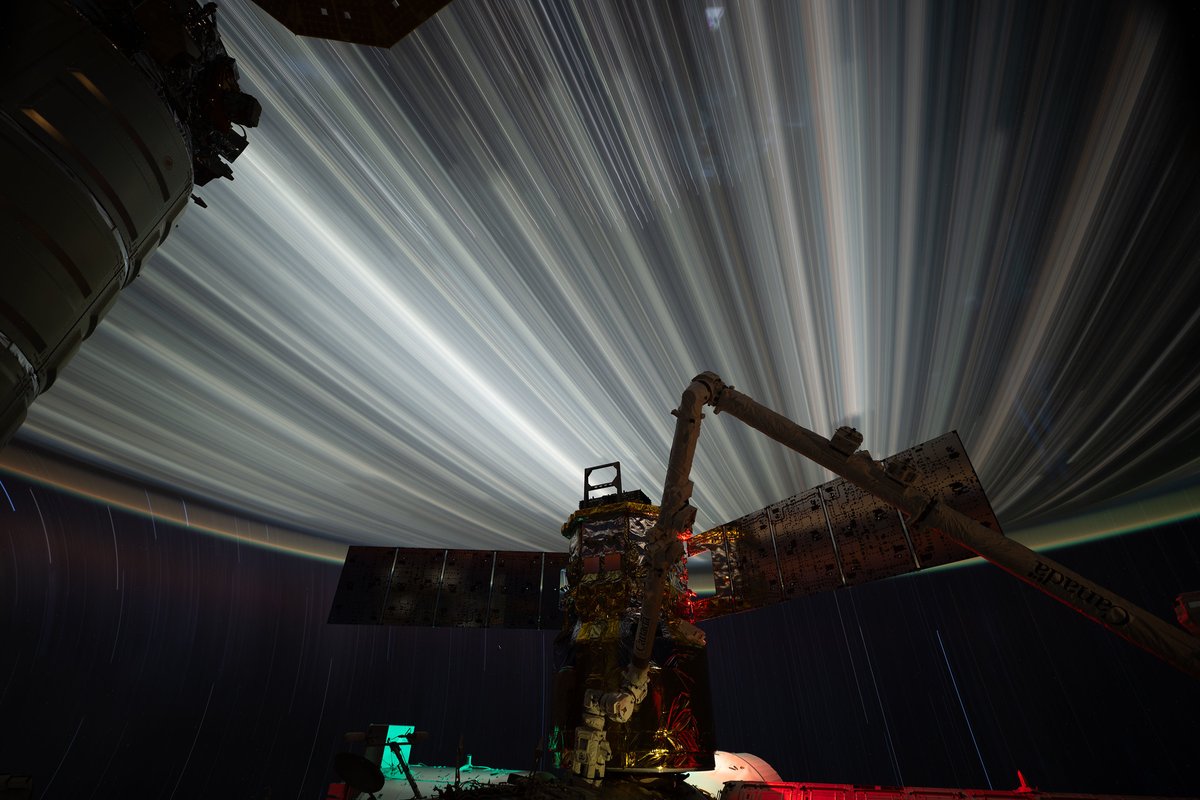
“Take time to look.” — Georgia O’Keeffe In a world where life moves pretty quickly, it’s easy to miss moments that deserve our attention. From 250 miles above Earth, NASA astronauts witness our planet in constant motion — weather systems forming, coastlines shifting, and light sweeping across the horizon. Views like this remind us that even in a fast‑paced world, pausing to notice the details can change how we understand and appreciate our home.
NASA's Johnson Space Center tweet media
English
15
90
409
17.4K
News. IoT. Reality
News. IoT. Reality@Tarun879171·
@NASAhistory @NASAKennedy To reach Pad 39B, the crawler-transporter had to exit from the rear of the Vehicle Assembly Building and loop around to join the main crawlerway, a path never used before because Apollo 10 was assembled in High Bay 2, used for the first time......
English
1
2
21
1K
NASA History Office
NASA History Office@NASAhistory·
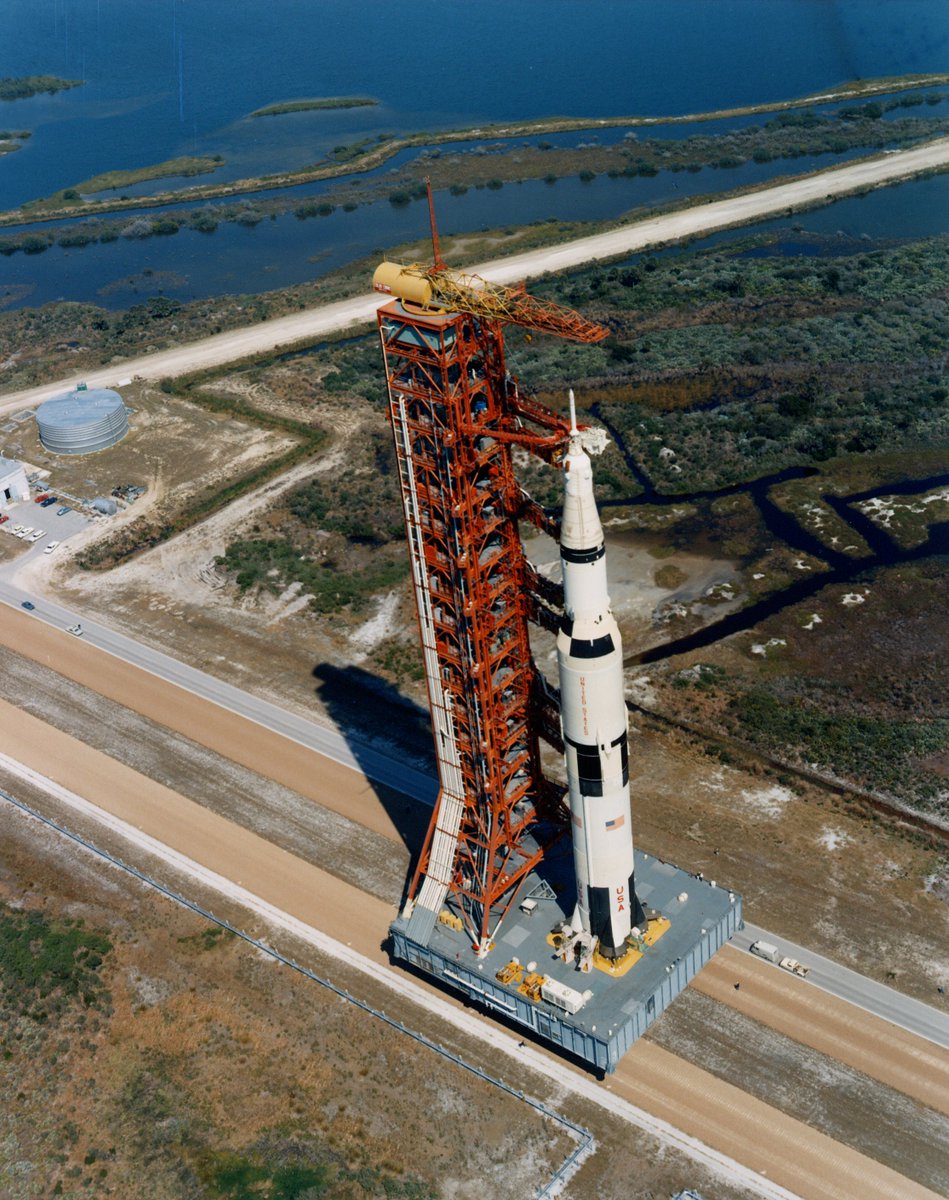
On a roll While Apollo 9 was still in orbit OTD in 1969, the 363-foot-tall Apollo 10 space vehicle rolled out to the launchpad at @NASAKennedy in preparation for its May 18, 1969, launch.
NASA History Office tweet media
English
31
238
1.3K
126.2K