
Per Kurowski
69.3K posts

Per Kurowski
@PerKurowski
From the radical middle, or the extreme center, I question even the questions and the questioners PS. Photo about 20 years ago... interested misinformation :-)

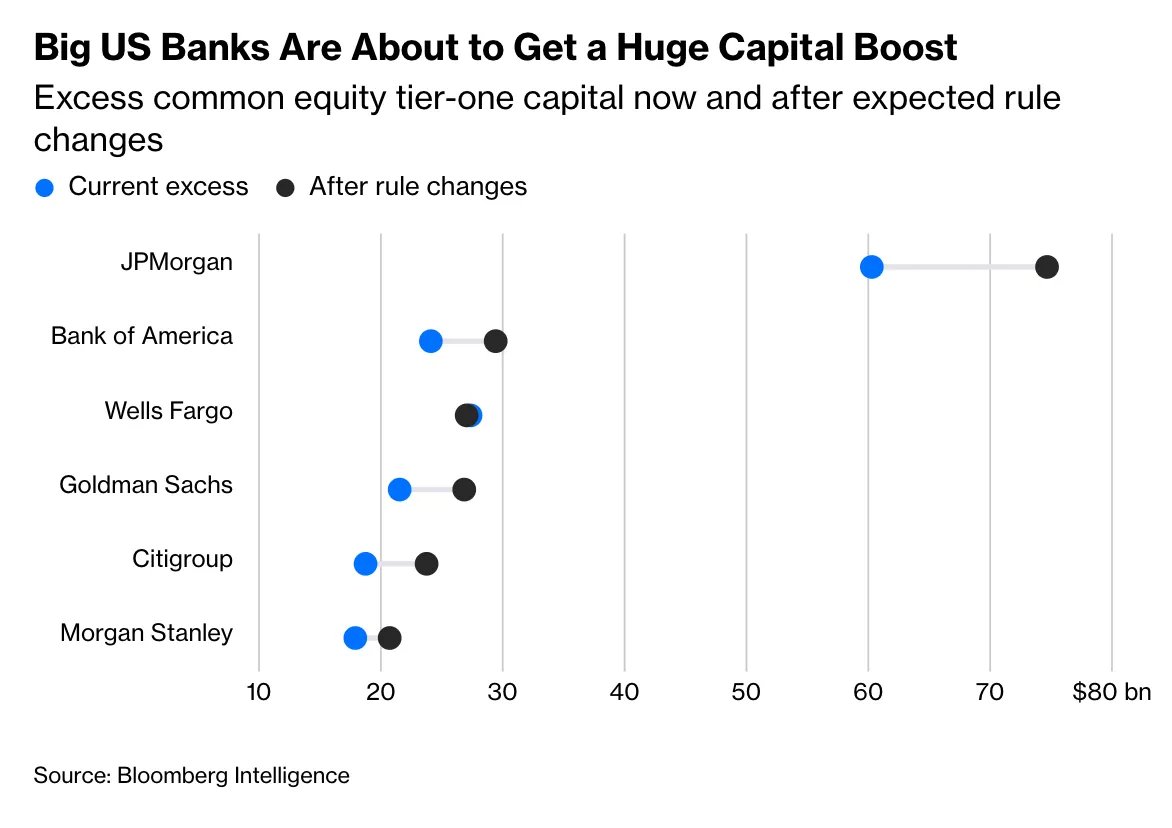
#Deregulation You, trusting depositors and taxpayers, please take on more skin-in-the-game of banks, so we can leverage more our equity, to lend more to the economy that much needs our assistance. Respectfully, Your friendly banker / financial engineer. 😡 subprimeregulations.blogspot.com/2023/12/ai-cha…


El gobierno central y empresas del estado ya cuentan con acceso a fondos provenientes de petróleo e impuestos de todo tipo. Así que, para reactivar la economía, ¿por qué no se obliga a la banca venezolana prestar dinero exclusivamente al sector privado? 🤔 x.com/PerKurowski/st…

Risk weighted bank capital/equity requirements which, de facto, imply bureaucrats know better what to do with bank credit, for which repayment they’re not personally responsible for, than small businesses, do these not strongly empower the "Deep State"? 🤔 subprimeregulations.blogspot.com/2024/08/ai-ope…

If anyone had sold investment plans with as little risk disclosure universities & professors do when selling investments in their education plans, and the investments had soured, he would probably be trotting away to prison. Can you sue your Alma Mater? 🤔 perkurowski.blogspot.com/2007/01/should…


No hay nada que la #agricultura en #Venezuela necesite más que la defensa, a ultranza, de la propiedad privada. Además, el petróleo, por los ingresos que le produce al país, sostiene la paridad cambiaria alta, dificultando mantener la competitividad de las actividades económicas intensivas en mano de obra... así que: ¿Cómo es posible que aceptemos proteger nuestros parques públicos, mediante el cobro de derecho de acceso a los mismos, pero nos desmayamos ante la posibilidad de darle un poco de protección arancelaria a ese inmenso parque público, llamado la agricultura? 🤔 radicaldelmedio.blogspot.com/2002/09/mea-cu…

If anyone had sold investment plans with as little risk disclosure universities & professors do when selling investments in their education plans, and the investments had soured, he would probably be trotting away to prison. Can you sue your Alma Mater? 🤔 perkurowski.blogspot.com/2007/01/should…

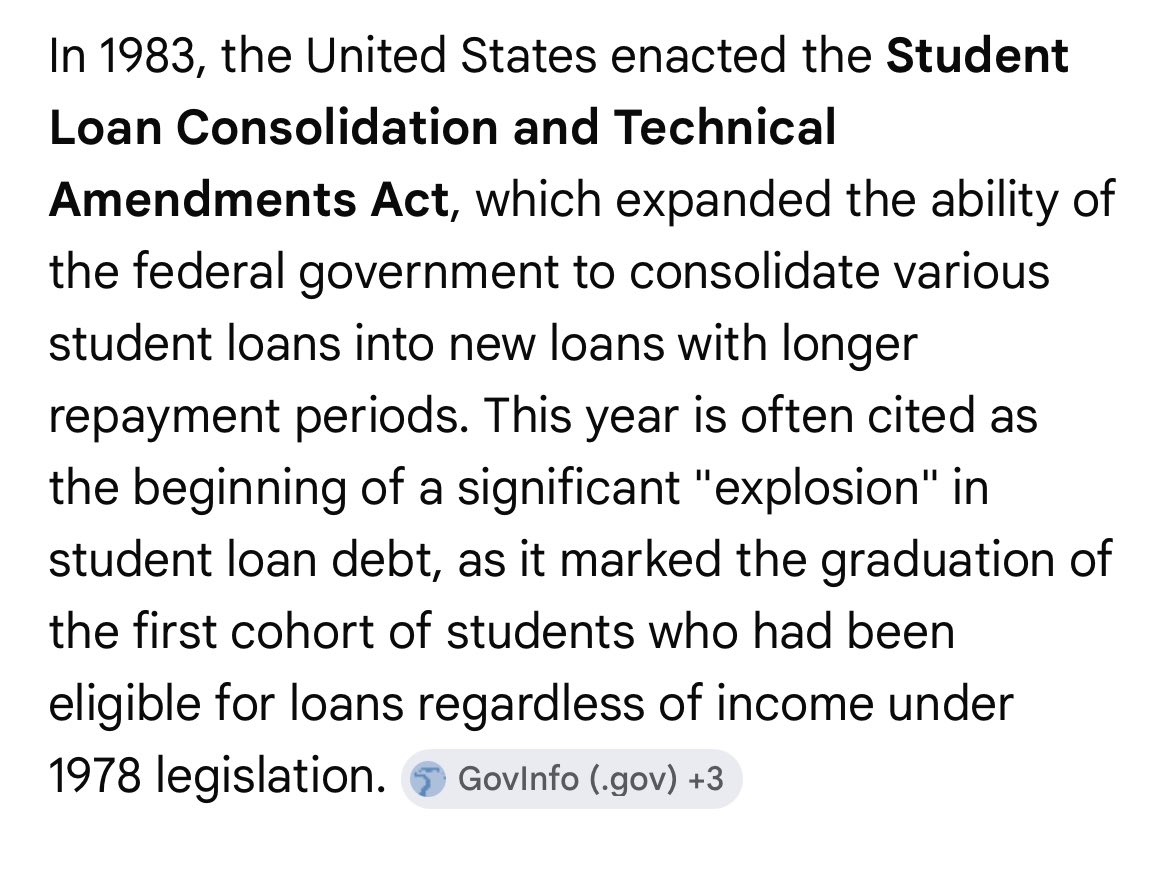
College tuition has increased 914% since 1983, outpacing all other household expenses, per CNBC.
If #AI is blamed for growing unemployment, could it invent/market unnecessary jobs? “Developers may steer AI toward outputs appearing job-creating. Real risk: protecting employment statistics.” ChatGPT “Yes, possible. Safeguard? Brutal truth-seeking.” Grok perkurowski.blogspot.com/2026/03/ai-cha…

“Now, when information is just too voluminous & fast to handle, market or authorities decided to delegate the evaluation of risk to fewer players, such as credit rating agencies. This will, almost by definition, introduce systemic risks in the market.” 😡 subprimeregulations.blogspot.com/2003/03/my-com…

If an independent Fed, then a truly independent one! “Assets for which bank capital requirements were nonexistent, what had most political support: sovereign credits. A ‘leverage ratio’ discouraged holdings of low-return government securities” Paul Volcker subprimeregulations.blogspot.com/2023/04/chatgp…

If an independent Fed, then a truly independent one! “Assets for which bank capital requirements were nonexistent, what had most political support: sovereign credits. A ‘leverage ratio’ discouraged holdings of low-return government securities” Paul Volcker subprimeregulations.blogspot.com/2023/04/chatgp…

Acceptance remarks by Chair Powell at the American Society for Public Administration Annual Conference: federalreserve.gov/newsevents/spe… Learn more about Chair Powell: federalreserve.gov/aboutthefed/bi…
If #AI is blamed for growing unemployment, could it invent/market unnecessary jobs? “Developers may steer AI toward outputs appearing job-creating. Real risk: protecting employment statistics.” ChatGPT “Yes, possible. Safeguard? Brutal truth-seeking.” Grok perkurowski.blogspot.com/2026/03/ai-cha…

If #AI is blamed for growing unemployment, could it invent/market unnecessary jobs? “Developers may steer AI toward outputs appearing job-creating. Real risk: protecting employment statistics.” ChatGPT “Yes, possible. Safeguard? Brutal truth-seeking.” Grok perkurowski.blogspot.com/2026/03/ai-cha…

.@Sean_Speer: Pierre Poilievre is doing his best to repair Canada–U.S. relations: The Weekly Wrap thehub.ca/2026/03/21/pie…
El gobierno central y empresas del estado ya cuentan con acceso a fondos provenientes de petróleo e impuestos de todo tipo. Así que, para reactivar la economía, ¿por qué no se obliga a la banca venezolana prestar dinero exclusivamente al sector privado? 🤔 x.com/PerKurowski/st…

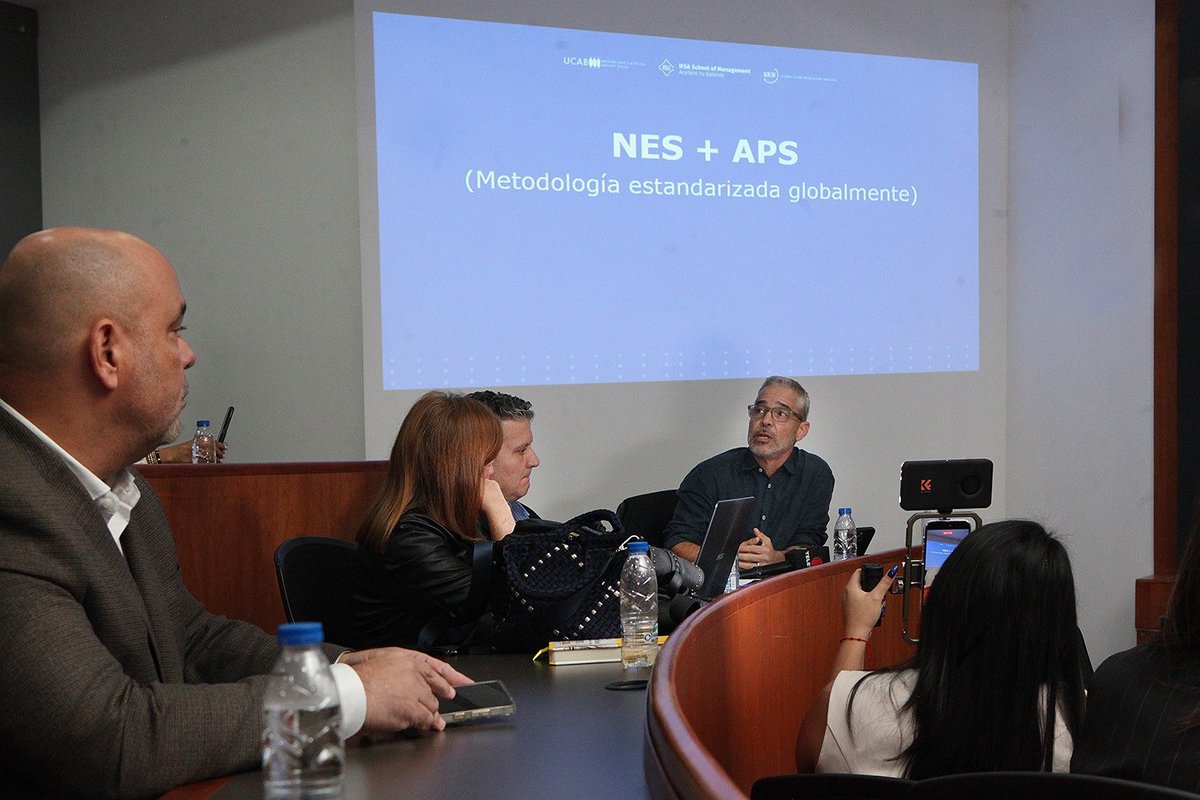
El gobierno central y empresas del estado ya cuentan con acceso a fondos provenientes de petróleo e impuestos de todo tipo. Así que, para reactivar la economía, ¿por qué no se obliga a la banca venezolana prestar dinero exclusivamente al sector privado? 🤔 x.com/PerKurowski/st…
#Deregulation You, trusting depositors and taxpayers, please take on more skin-in-the-game of banks, so we can leverage more our equity, to lend more to the economy that much needs our assistance. Respectfully, Your friendly banker / financial engineer. 😡 subprimeregulations.blogspot.com/2023/12/ai-cha…

They want NDFIs to be able to become a bank by buying the charter of a failed bank. If NDFIs can back door their way into becoming a bank, then the government could bail them out. @UnicusResearch @m3_melody @DiMartinoBooth