

@WhiteHouse Dear WH,
Regarding the latest insult to Italy’s PM:
Could someone tell the President to STOP his arrogant behavior.
I genuinely don’t understand why he is damaging his Presidency, the MAGA movement & the USA.
English
Rayyan
44.9K posts

Trump says his Iran deal avoided a “worldwide depression.” That is not a boast. It is an indictment. It means the war ended not because Iran was defeated, not because the regime capitulated, not because its nuclear and missile programs were dismantled — but because Iran succeeded in turning the Strait of Hormuz into a hostage. That was the decisive issue from the beginning. And it was completely foreseeable. The Strait is not a symbol. It is one of the central arteries of the world economy. Roughly 20% of global petroleum liquids and a major share of LNG normally move through it. Iran sits on the northern shore with mines, missiles, drones, coastal batteries, and fast boats. Everyone knew this. The Pentagon knew it. The Navy knew it. Tehran knew it. The United States has spent decades planning, exercising, and operating in precisely this battlespace. This is not some mysterious, unforeseeable problem. The Navy has escorted tankers through the Persian Gulf before. It has fought Iran’s navy before. It has practiced mine-countermeasures, maritime security, convoy protection, unmanned surveillance, and freedom-of-navigation operations in and around the Strait for years. The issue was never whether America had the capability to keep the straits open. It did. The issue was whether the president would make preventing Iran from closing the Straits of Hormuz a strategic objective of the war. Trump CHOSE not to. That decision doomed the war from the start. Control of the Strait did not mean occupying Iran. It did not mean guaranteeing zero risk. It meant declaring, from the first hour, that the Strait is an international waterway; that no Iranian mine, missile battery, drone site, fast boat, “permit authority,” or IRGC toll booth would be allowed to determine whether world trade moves; and that every asset threatening commercial shipping would be destroyed. Control meant executing on the Navy’s existing plans. That should have been the opening strategic objective. Instead, Trump failed to act and instead treated Hormuz as a bargaining chip. I identified this on my show a week into the war and said it on my show: if the United States does not break Iran’s control over Hormuz immediately, every later battlefield success will be strategically compromised. That is exactly what happened. The U.S. and Israel hit Iran hard. The White House says more than 10,000 sorties were flown and more than 13,000 targets were struck. Iranian air defenses, command nodes, missile sites, naval targets, and parts of the regime’s military infrastructure were devastated. But tactical destruction is not victory. Victory requires identifying the enemy’s decisive leverage and breaking it. Iran’s leverage was Hormuz. If America controls the Strait, Iran is isolated. Its exports are constrained. Its revenue dries up. Its regime faces the consequences of aggression. The pressure falls on Tehran. If Iran controls the Strait, the pressure falls on Washington. Oil prices rise. LNG markets tighten. Allies panic. Markets wobble. Governments demand de-escalation. Suddenly the aggressor is negotiating from leverage. That is exactly what happened. Iran did not need to defeat the U.S. Navy. It only needed to convince American politicians that reopening the Strait by force was too risky, too costly, too frightening. And Trump accepted that premise. Once he did, the war was lost politically, no matter how many targets were destroyed. The tragedy is that America did not lack the means. It lacked the will and the strategic clarity. A serious administration would have flooded the theater early, established overwhelming control of the air and sea approaches, protected commercial transit, cleared mines, destroyed minelayers, and made clear that any Iranian attempt to close the Strait would bring immediate military consequences. Hard? Yes. Risky? Of course. But wars are hard and risky. That is why they must be fought only when the objective is clear and the will exists to achieve it. The unforgivable error was going to war while leaving Iran’s strongest weapon intact. And now we have a deal that reportedly reopens the Strait temporarily, lifts parts of the blockade, offers sanctions relief, unfreezes billions, contemplates a massive reconstruction fund, and postpones the hardest questions: missiles, proxies, enrichment, and the survival of the regime itself. This is not how a serious country wins a war. This is how it buys time from the enemy after failing to neutralize the enemy’s strongest weapon. The worst part is not this agreement. The worst part is the precedent. Iran now knows that if it can close Hormuz long enough, America will bargain. China is watching. Every hostile regime sitting near a chokepoint is watching. The lesson they will draw is obvious: do not defeat the U.S. military; threaten the arteries of trade until American politicians fear the economic consequences of victory. That is the catastrophe. Not merely that Trump blinked. Not merely that Iran survived. But that the United States taught its enemies that control over trade routes can substitute for military power. Wars are not won by counting targets destroyed. They are won by achieving the political objective. The objective should have been the defeat of the Iranian regime and the restoration of absolute freedom of navigation in the Persian Gulf. Instead, America settled for a pause — and Iran kept the weapon. The bill for that failure will not come due all at once. But it will come due.

Trump says his Iran deal avoided a “worldwide depression.” That is not a boast. It is an indictment. It means the war ended not because Iran was defeated, not because the regime capitulated, not because its nuclear and missile programs were dismantled — but because Iran succeeded in turning the Strait of Hormuz into a hostage. That was the decisive issue from the beginning. And it was completely foreseeable. The Strait is not a symbol. It is one of the central arteries of the world economy. Roughly 20% of global petroleum liquids and a major share of LNG normally move through it. Iran sits on the northern shore with mines, missiles, drones, coastal batteries, and fast boats. Everyone knew this. The Pentagon knew it. The Navy knew it. Tehran knew it. The United States has spent decades planning, exercising, and operating in precisely this battlespace. This is not some mysterious, unforeseeable problem. The Navy has escorted tankers through the Persian Gulf before. It has fought Iran’s navy before. It has practiced mine-countermeasures, maritime security, convoy protection, unmanned surveillance, and freedom-of-navigation operations in and around the Strait for years. The issue was never whether America had the capability to keep the straits open. It did. The issue was whether the president would make preventing Iran from closing the Straits of Hormuz a strategic objective of the war. Trump CHOSE not to. That decision doomed the war from the start. Control of the Strait did not mean occupying Iran. It did not mean guaranteeing zero risk. It meant declaring, from the first hour, that the Strait is an international waterway; that no Iranian mine, missile battery, drone site, fast boat, “permit authority,” or IRGC toll booth would be allowed to determine whether world trade moves; and that every asset threatening commercial shipping would be destroyed. Control meant executing on the Navy’s existing plans. That should have been the opening strategic objective. Instead, Trump failed to act and instead treated Hormuz as a bargaining chip. I identified this on my show a week into the war and said it on my show: if the United States does not break Iran’s control over Hormuz immediately, every later battlefield success will be strategically compromised. That is exactly what happened. The U.S. and Israel hit Iran hard. The White House says more than 10,000 sorties were flown and more than 13,000 targets were struck. Iranian air defenses, command nodes, missile sites, naval targets, and parts of the regime’s military infrastructure were devastated. But tactical destruction is not victory. Victory requires identifying the enemy’s decisive leverage and breaking it. Iran’s leverage was Hormuz. If America controls the Strait, Iran is isolated. Its exports are constrained. Its revenue dries up. Its regime faces the consequences of aggression. The pressure falls on Tehran. If Iran controls the Strait, the pressure falls on Washington. Oil prices rise. LNG markets tighten. Allies panic. Markets wobble. Governments demand de-escalation. Suddenly the aggressor is negotiating from leverage. That is exactly what happened. Iran did not need to defeat the U.S. Navy. It only needed to convince American politicians that reopening the Strait by force was too risky, too costly, too frightening. And Trump accepted that premise. Once he did, the war was lost politically, no matter how many targets were destroyed. The tragedy is that America did not lack the means. It lacked the will and the strategic clarity. A serious administration would have flooded the theater early, established overwhelming control of the air and sea approaches, protected commercial transit, cleared mines, destroyed minelayers, and made clear that any Iranian attempt to close the Strait would bring immediate military consequences. Hard? Yes. Risky? Of course. But wars are hard and risky. That is why they must be fought only when the objective is clear and the will exists to achieve it. The unforgivable error was going to war while leaving Iran’s strongest weapon intact. And now we have a deal that reportedly reopens the Strait temporarily, lifts parts of the blockade, offers sanctions relief, unfreezes billions, contemplates a massive reconstruction fund, and postpones the hardest questions: missiles, proxies, enrichment, and the survival of the regime itself. This is not how a serious country wins a war. This is how it buys time from the enemy after failing to neutralize the enemy’s strongest weapon. The worst part is not this agreement. The worst part is the precedent. Iran now knows that if it can close Hormuz long enough, America will bargain. China is watching. Every hostile regime sitting near a chokepoint is watching. The lesson they will draw is obvious: do not defeat the U.S. military; threaten the arteries of trade until American politicians fear the economic consequences of victory. That is the catastrophe. Not merely that Trump blinked. Not merely that Iran survived. But that the United States taught its enemies that control over trade routes can substitute for military power. Wars are not won by counting targets destroyed. They are won by achieving the political objective. The objective should have been the defeat of the Iranian regime and the restoration of absolute freedom of navigation in the Persian Gulf. Instead, America settled for a pause — and Iran kept the weapon. The bill for that failure will not come due all at once. But it will come due.

Trump says his Iran deal avoided a “worldwide depression.” That is not a boast. It is an indictment. It means the war ended not because Iran was defeated, not because the regime capitulated, not because its nuclear and missile programs were dismantled — but because Iran succeeded in turning the Strait of Hormuz into a hostage. That was the decisive issue from the beginning. And it was completely foreseeable. The Strait is not a symbol. It is one of the central arteries of the world economy. Roughly 20% of global petroleum liquids and a major share of LNG normally move through it. Iran sits on the northern shore with mines, missiles, drones, coastal batteries, and fast boats. Everyone knew this. The Pentagon knew it. The Navy knew it. Tehran knew it. The United States has spent decades planning, exercising, and operating in precisely this battlespace. This is not some mysterious, unforeseeable problem. The Navy has escorted tankers through the Persian Gulf before. It has fought Iran’s navy before. It has practiced mine-countermeasures, maritime security, convoy protection, unmanned surveillance, and freedom-of-navigation operations in and around the Strait for years. The issue was never whether America had the capability to keep the straits open. It did. The issue was whether the president would make preventing Iran from closing the Straits of Hormuz a strategic objective of the war. Trump CHOSE not to. That decision doomed the war from the start. Control of the Strait did not mean occupying Iran. It did not mean guaranteeing zero risk. It meant declaring, from the first hour, that the Strait is an international waterway; that no Iranian mine, missile battery, drone site, fast boat, “permit authority,” or IRGC toll booth would be allowed to determine whether world trade moves; and that every asset threatening commercial shipping would be destroyed. Control meant executing on the Navy’s existing plans. That should have been the opening strategic objective. Instead, Trump failed to act and instead treated Hormuz as a bargaining chip. I identified this on my show a week into the war and said it on my show: if the United States does not break Iran’s control over Hormuz immediately, every later battlefield success will be strategically compromised. That is exactly what happened. The U.S. and Israel hit Iran hard. The White House says more than 10,000 sorties were flown and more than 13,000 targets were struck. Iranian air defenses, command nodes, missile sites, naval targets, and parts of the regime’s military infrastructure were devastated. But tactical destruction is not victory. Victory requires identifying the enemy’s decisive leverage and breaking it. Iran’s leverage was Hormuz. If America controls the Strait, Iran is isolated. Its exports are constrained. Its revenue dries up. Its regime faces the consequences of aggression. The pressure falls on Tehran. If Iran controls the Strait, the pressure falls on Washington. Oil prices rise. LNG markets tighten. Allies panic. Markets wobble. Governments demand de-escalation. Suddenly the aggressor is negotiating from leverage. That is exactly what happened. Iran did not need to defeat the U.S. Navy. It only needed to convince American politicians that reopening the Strait by force was too risky, too costly, too frightening. And Trump accepted that premise. Once he did, the war was lost politically, no matter how many targets were destroyed. The tragedy is that America did not lack the means. It lacked the will and the strategic clarity. A serious administration would have flooded the theater early, established overwhelming control of the air and sea approaches, protected commercial transit, cleared mines, destroyed minelayers, and made clear that any Iranian attempt to close the Strait would bring immediate military consequences. Hard? Yes. Risky? Of course. But wars are hard and risky. That is why they must be fought only when the objective is clear and the will exists to achieve it. The unforgivable error was going to war while leaving Iran’s strongest weapon intact. And now we have a deal that reportedly reopens the Strait temporarily, lifts parts of the blockade, offers sanctions relief, unfreezes billions, contemplates a massive reconstruction fund, and postpones the hardest questions: missiles, proxies, enrichment, and the survival of the regime itself. This is not how a serious country wins a war. This is how it buys time from the enemy after failing to neutralize the enemy’s strongest weapon. The worst part is not this agreement. The worst part is the precedent. Iran now knows that if it can close Hormuz long enough, America will bargain. China is watching. Every hostile regime sitting near a chokepoint is watching. The lesson they will draw is obvious: do not defeat the U.S. military; threaten the arteries of trade until American politicians fear the economic consequences of victory. That is the catastrophe. Not merely that Trump blinked. Not merely that Iran survived. But that the United States taught its enemies that control over trade routes can substitute for military power. Wars are not won by counting targets destroyed. They are won by achieving the political objective. The objective should have been the defeat of the Iranian regime and the restoration of absolute freedom of navigation in the Persian Gulf. Instead, America settled for a pause — and Iran kept the weapon. The bill for that failure will not come due all at once. But it will come due.
Trump says his Iran deal avoided a “worldwide depression.” That is not a boast. It is an indictment. It means the war ended not because Iran was defeated, not because the regime capitulated, not because its nuclear and missile programs were dismantled — but because Iran succeeded in turning the Strait of Hormuz into a hostage. That was the decisive issue from the beginning. And it was completely foreseeable. The Strait is not a symbol. It is one of the central arteries of the world economy. Roughly 20% of global petroleum liquids and a major share of LNG normally move through it. Iran sits on the northern shore with mines, missiles, drones, coastal batteries, and fast boats. Everyone knew this. The Pentagon knew it. The Navy knew it. Tehran knew it. The United States has spent decades planning, exercising, and operating in precisely this battlespace. This is not some mysterious, unforeseeable problem. The Navy has escorted tankers through the Persian Gulf before. It has fought Iran’s navy before. It has practiced mine-countermeasures, maritime security, convoy protection, unmanned surveillance, and freedom-of-navigation operations in and around the Strait for years. The issue was never whether America had the capability to keep the straits open. It did. The issue was whether the president would make preventing Iran from closing the Straits of Hormuz a strategic objective of the war. Trump CHOSE not to. That decision doomed the war from the start. Control of the Strait did not mean occupying Iran. It did not mean guaranteeing zero risk. It meant declaring, from the first hour, that the Strait is an international waterway; that no Iranian mine, missile battery, drone site, fast boat, “permit authority,” or IRGC toll booth would be allowed to determine whether world trade moves; and that every asset threatening commercial shipping would be destroyed. Control meant executing on the Navy’s existing plans. That should have been the opening strategic objective. Instead, Trump failed to act and instead treated Hormuz as a bargaining chip. I identified this on my show a week into the war and said it on my show: if the United States does not break Iran’s control over Hormuz immediately, every later battlefield success will be strategically compromised. That is exactly what happened. The U.S. and Israel hit Iran hard. The White House says more than 10,000 sorties were flown and more than 13,000 targets were struck. Iranian air defenses, command nodes, missile sites, naval targets, and parts of the regime’s military infrastructure were devastated. But tactical destruction is not victory. Victory requires identifying the enemy’s decisive leverage and breaking it. Iran’s leverage was Hormuz. If America controls the Strait, Iran is isolated. Its exports are constrained. Its revenue dries up. Its regime faces the consequences of aggression. The pressure falls on Tehran. If Iran controls the Strait, the pressure falls on Washington. Oil prices rise. LNG markets tighten. Allies panic. Markets wobble. Governments demand de-escalation. Suddenly the aggressor is negotiating from leverage. That is exactly what happened. Iran did not need to defeat the U.S. Navy. It only needed to convince American politicians that reopening the Strait by force was too risky, too costly, too frightening. And Trump accepted that premise. Once he did, the war was lost politically, no matter how many targets were destroyed. The tragedy is that America did not lack the means. It lacked the will and the strategic clarity. A serious administration would have flooded the theater early, established overwhelming control of the air and sea approaches, protected commercial transit, cleared mines, destroyed minelayers, and made clear that any Iranian attempt to close the Strait would bring immediate military consequences. Hard? Yes. Risky? Of course. But wars are hard and risky. That is why they must be fought only when the objective is clear and the will exists to achieve it. The unforgivable error was going to war while leaving Iran’s strongest weapon intact. And now we have a deal that reportedly reopens the Strait temporarily, lifts parts of the blockade, offers sanctions relief, unfreezes billions, contemplates a massive reconstruction fund, and postpones the hardest questions: missiles, proxies, enrichment, and the survival of the regime itself. This is not how a serious country wins a war. This is how it buys time from the enemy after failing to neutralize the enemy’s strongest weapon. The worst part is not this agreement. The worst part is the precedent. Iran now knows that if it can close Hormuz long enough, America will bargain. China is watching. Every hostile regime sitting near a chokepoint is watching. The lesson they will draw is obvious: do not defeat the U.S. military; threaten the arteries of trade until American politicians fear the economic consequences of victory. That is the catastrophe. Not merely that Trump blinked. Not merely that Iran survived. But that the United States taught its enemies that control over trade routes can substitute for military power. Wars are not won by counting targets destroyed. They are won by achieving the political objective. The objective should have been the defeat of the Iranian regime and the restoration of absolute freedom of navigation in the Persian Gulf. Instead, America settled for a pause — and Iran kept the weapon. The bill for that failure will not come due all at once. But it will come due.
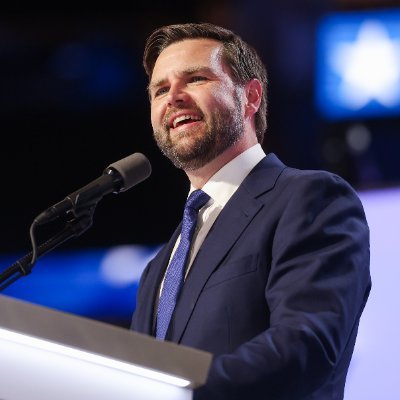
I just had a very lengthy and productive discussion with @SEPeaceMissions @SteveWitkoff about the state of play regarding Iran. After this discussion, it is my opinion that signing the MOU will be beneficial to the United States, in as much as the Strait of Hormuz will begin to open, and the hostilities with Iran will stop. Whether or not the United States can reach an acceptable, verifiable deal with Iran regarding its nuclear program and other issues is yet to be determined, but I see little downside to trying. The economic stability that comes from opening up the Strait and the cessation of hostilities could create a pathway to peace well beyond the Iranian conflict. The expansion of the Abraham Accords and normalizing relations between Saudi Arabia and Israel is President Trump’s and my ultimate goal. I think that is best achieved by creating economic stability for the United States, the region and the world, as well as the cessation of hostilities. The signing of the MOU is an essential step to make that happen and thus it is worthwhile.
Trump says his Iran deal avoided a “worldwide depression.” That is not a boast. It is an indictment. It means the war ended not because Iran was defeated, not because the regime capitulated, not because its nuclear and missile programs were dismantled — but because Iran succeeded in turning the Strait of Hormuz into a hostage. That was the decisive issue from the beginning. And it was completely foreseeable. The Strait is not a symbol. It is one of the central arteries of the world economy. Roughly 20% of global petroleum liquids and a major share of LNG normally move through it. Iran sits on the northern shore with mines, missiles, drones, coastal batteries, and fast boats. Everyone knew this. The Pentagon knew it. The Navy knew it. Tehran knew it. The United States has spent decades planning, exercising, and operating in precisely this battlespace. This is not some mysterious, unforeseeable problem. The Navy has escorted tankers through the Persian Gulf before. It has fought Iran’s navy before. It has practiced mine-countermeasures, maritime security, convoy protection, unmanned surveillance, and freedom-of-navigation operations in and around the Strait for years. The issue was never whether America had the capability to keep the straits open. It did. The issue was whether the president would make preventing Iran from closing the Straits of Hormuz a strategic objective of the war. Trump CHOSE not to. That decision doomed the war from the start. Control of the Strait did not mean occupying Iran. It did not mean guaranteeing zero risk. It meant declaring, from the first hour, that the Strait is an international waterway; that no Iranian mine, missile battery, drone site, fast boat, “permit authority,” or IRGC toll booth would be allowed to determine whether world trade moves; and that every asset threatening commercial shipping would be destroyed. Control meant executing on the Navy’s existing plans. That should have been the opening strategic objective. Instead, Trump failed to act and instead treated Hormuz as a bargaining chip. I identified this on my show a week into the war and said it on my show: if the United States does not break Iran’s control over Hormuz immediately, every later battlefield success will be strategically compromised. That is exactly what happened. The U.S. and Israel hit Iran hard. The White House says more than 10,000 sorties were flown and more than 13,000 targets were struck. Iranian air defenses, command nodes, missile sites, naval targets, and parts of the regime’s military infrastructure were devastated. But tactical destruction is not victory. Victory requires identifying the enemy’s decisive leverage and breaking it. Iran’s leverage was Hormuz. If America controls the Strait, Iran is isolated. Its exports are constrained. Its revenue dries up. Its regime faces the consequences of aggression. The pressure falls on Tehran. If Iran controls the Strait, the pressure falls on Washington. Oil prices rise. LNG markets tighten. Allies panic. Markets wobble. Governments demand de-escalation. Suddenly the aggressor is negotiating from leverage. That is exactly what happened. Iran did not need to defeat the U.S. Navy. It only needed to convince American politicians that reopening the Strait by force was too risky, too costly, too frightening. And Trump accepted that premise. Once he did, the war was lost politically, no matter how many targets were destroyed. The tragedy is that America did not lack the means. It lacked the will and the strategic clarity. A serious administration would have flooded the theater early, established overwhelming control of the air and sea approaches, protected commercial transit, cleared mines, destroyed minelayers, and made clear that any Iranian attempt to close the Strait would bring immediate military consequences. Hard? Yes. Risky? Of course. But wars are hard and risky. That is why they must be fought only when the objective is clear and the will exists to achieve it. The unforgivable error was going to war while leaving Iran’s strongest weapon intact. And now we have a deal that reportedly reopens the Strait temporarily, lifts parts of the blockade, offers sanctions relief, unfreezes billions, contemplates a massive reconstruction fund, and postpones the hardest questions: missiles, proxies, enrichment, and the survival of the regime itself. This is not how a serious country wins a war. This is how it buys time from the enemy after failing to neutralize the enemy’s strongest weapon. The worst part is not this agreement. The worst part is the precedent. Iran now knows that if it can close Hormuz long enough, America will bargain. China is watching. Every hostile regime sitting near a chokepoint is watching. The lesson they will draw is obvious: do not defeat the U.S. military; threaten the arteries of trade until American politicians fear the economic consequences of victory. That is the catastrophe. Not merely that Trump blinked. Not merely that Iran survived. But that the United States taught its enemies that control over trade routes can substitute for military power. Wars are not won by counting targets destroyed. They are won by achieving the political objective. The objective should have been the defeat of the Iranian regime and the restoration of absolute freedom of navigation in the Persian Gulf. Instead, America settled for a pause — and Iran kept the weapon. The bill for that failure will not come due all at once. But it will come due.




Ayatollah Khamenei before Iranian Parliament: “Let me make something clear for U.S. leaders. ‘Death to America’ means death to Trump.” The entire parliament responds with “Death to America!”


