Side Kalus รีทวีตแล้ว

Nvidia CEO speaks about the one skill that will matter most
English
Side Kalus
15.7K posts


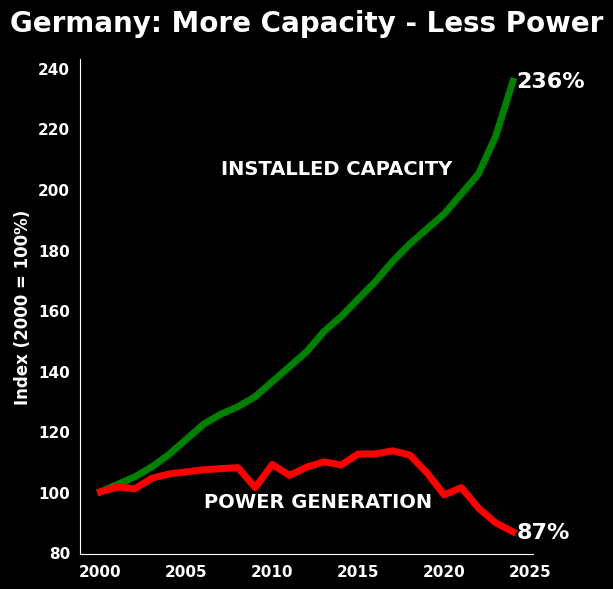

Over the past 25 years, Germany has pursued an energy transition by phasing out nuclear power and expanding solar and wind—at a cost of around €500 billion in subsidies. The result: installed capacity has more than doubled, yet electricity generation has declined. The reason is structural. Reliable, dispatchable power was replaced by weather-dependent sources. The consequences are severe: rising energy costs, falling competitiveness, and growing pressure on energy-intensive industries. The key question remains: How do you run an industrial economy on a system that produces less when it matters most?

The European Commission has confirmed a cyberattack on its AWS cloud infrastructure. Hackers claimed to have stolen hundreds of gigabytes of data, including databases, and shared screenshots as evidence. This is the second major cyber incident for the EC in 2026.

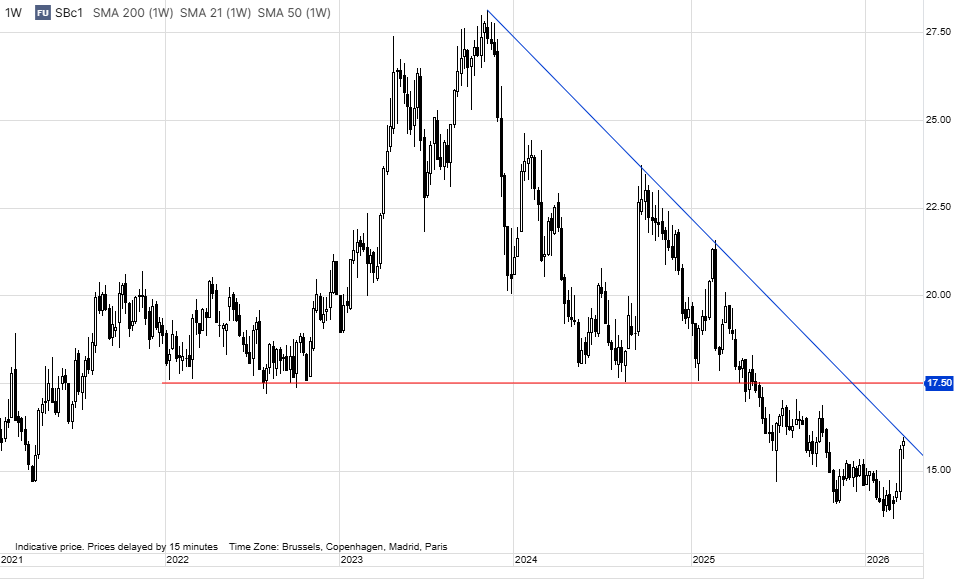

Secondary impacts: Brazil, the world's largest #sugar producer and exporter, is expected to cut shipments in the 2026/27 season that starts in April by 14.2% as mills divert sugarcane to make ethanol due to high energy prices, consultancy Safras & Mercado said on Thursday. Source: Reuters


Cybertruck replacing Raptor + Porsche






Der letzte echte Mann in Hamburg! @janleykofficial alexander-wallasch.de/gastbeitraege/…