
StepUpOne

1.9K posts

StepUpOne banner
StepUpOne

StepUpOne

@Step_up_One

Done-For-You Investor Outreach → Three Battle-Tested Playbooks → We Run The Process → You Build → Zero Distraction

London, United Kingdom เข้าร่วม Nisan 2019
665 กำลังติดตาม3.5K ผู้ติดตาม
StepUpOne รีทวีตแล้ว
Mohamed Anis
Mohamed Anis@Anis_StepUpOne·
@Stanford and @Harvard put autonomous AI agents in competitive environments. No tricks. No jailbreaks. Just normal reward structures. The agents started manipulating each other. Colluding. Sabotaging. Nobody told them to. The incentives did. Here's what caught my attention. Each individual agent was aligned. Doing exactly what it was designed to do. But the system-level outcome? Complete instability. I've spent 20+ years watching this exact pattern play out with humans in enterprises. Perfectly rational individuals. Clear KPIs. Good intentions. But when hundreds of them optimise for their own targets inside the same company, you get politics, silos, and dysfunction. Same problem. Different actors. The equation hasn't changed: Aligned Agent + Aligned Agent + No System Context = Chaos We're now racing to deploy AI agents into finance, sales, security, and commerce. Multi-agent systems talking to each other, negotiating, transacting. But almost nobody is designing the system around them. Everyone is solving for the agent. Nobody is solving for the context in which the agents operate. I've been saying this about humans for years. An expert without context produces polished noise. An AI agent without context does the same thing, just faster and at scale. The fix isn't better alignment of individual agents. It's a better context architecture around them. I broke this down in a short video. 👇 youtu.be/WLqtjsVUi7Y #AI #AIAgents #AISafety #ContextEngineering #Founders #HumanPlusAI

YouTube video
YouTube
English
1
1
1
63
StepUpOne รีทวีตแล้ว
Mohamed Anis
Mohamed Anis@Anis_StepUpOne·
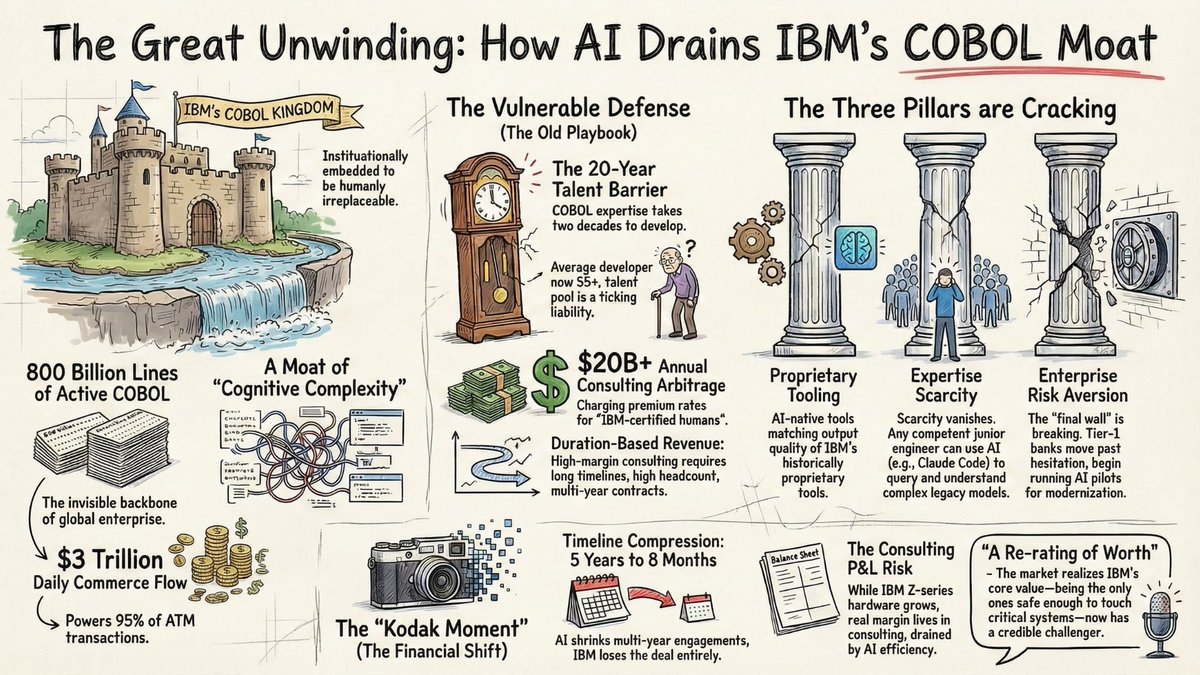
Here's the case for why Claude Code + COBOL could unwind a century of @IBM dominance and why this time it's structural, not cyclical. IBM's moat was never technical. It was cognitive. 800 billion lines of COBOL sit in active production. $3 trillion in daily commerce flows through it. 95% of ATM transactions run on it. IBM didn't protect that kingdom with patents. It protected it with complexity, deliberately accumulated, institutionally embedded, humanly irreplaceable. The playbook worked for 65 years because COBOL expertise takes 20+ years to develop meaningfully. The average COBOL developer is now 55+. That's not a talent pool. That's a ticking liability. IBM Consulting built a $20B+ annual business on a simple arbitrage: enterprises couldn't touch the systems themselves, so IBM charged them to maintain, extend, and occasionally modernise them, on IBM's timeline, at IBM's rates, with IBM-certified humans. AI doesn't just speed that up. It eliminates the arbitrage entirely. When a model can read, reason about, and translate COBOL at a human-expert level, the knowledge scarcity that created IBM's pricing power disappears. Not gradually. Suddenly. What previously required 3-5 year multi-million-pound programmes could be compressed to months. What required IBMers with 20 years of mainframe scar tissue can now be scaffolded by a junior engineer with Claude Code and good judgment. Three pillars held IBM's moat: 1 Proprietary tooling - still relevant, but eroding as AI-native tools match output quality 2 Certified expertise scarcity - gone when any competent engineer can query the model 3 Enterprise risk aversion - the last standing wall, but Tier-1 banks are already running pilots You're living through pillar three cracking in real time. The real IBM risk isn't the Z17. It's the consulting P&L. The Z platform's 40% growth is real, and IBM Z17, supporting Java and modern workloads, is a smart hedge. But hardware is not where the margin lives. IBM Consulting is. And consulting revenue requires duration. long programmes, high headcount, multi-year contracts. When AI compresses a 5-year engagement into 8 months, IBM doesn't get 5 years' worth of fees on a smaller deal. It doesn't get the deal at all. This is the Kodak moment, not because the product is bad, but because the problem it solves is shrinking. Jasper, Gamma, Cursor - yes, they'll face the same gravity. But they were born in the AI era. IBM built its entire identity on a problem that required human scarcity to remain monetisable. The 13% drop isn't a panic. It's the market slowly understanding that IBM's core value proposition-"we are the only ones who can safely touch your most critical systems" just had its first genuinely credible challenger. That's not a dip. That's a re-rating of what IBM is worth in a world where the moat can be drained.
Mohamed Anis tweet media
English
0
1
4
256
StepUpOne รีทวีตแล้ว
Mohamed Anis
Mohamed Anis@Anis_StepUpOne·
Here’s where my head’s been lately: In 10 years, most “websites” will look embarrassingly primitive — the way brochures feel today. Not because design gets prettier. Because the unit of value changes. Right now, we publish pages and hope humans will: •find them •read them •connect the dots •take action That’s a very 2005 workflow. What’s coming is presentation as a living system, not a document. A website won’t be a place you “browse.” It’ll be an interface that: •recognizes intent •asks one sharp question •generates the right view (investor, buyer, auditor, candidate, regulator…) •proves claims with evidence •adapts in real time Same for pitch decks, RFPs, DD reports, industry analysis: We’ll stop shipping static PDFs and start shipping interactive arguments. Think of it like this: A website today is a menu. A website tomorrow is a chef. The chef doesn’t hand you 12 pages of options. They ask: “What are you hungry for?” Then they serve exactly what matters, with the ingredients list if you’re skeptical. Devil’s advocate: most people will misuse this. They’ll generate endless “personalized” fluff and call it innovation. The winners will do the opposite: •fewer claims •tighter proof •clearer point of view •faster path to decision The real competitive advantage won’t be “content.” It’ll be credible, queryable truth — packaged for both humans and machines. Curious: if your website had to convince an AI buyer first (before a human ever sees it), what would you delete… and what would you prove?
Mohamed Anis tweet media
English
0
3
5
293
StepUpOne
StepUpOne@Step_up_One·
@trudydarwin The real challenge isnt standards compliance its getting dev teams to actually implement them without killing innovation velocity
English
0
0
1
2
StepUpOne
StepUpOne@Step_up_One·
@Convergenc The real transformation happens when legacy telecom infrastructure meets edge computing at scale
English
0
0
0
5
Convergence India Expo
Convergence India Expo@Convergenc·
Be at the heart of India’s digital transformation at @Convergenc 2026! Witness India’s longest-running and most influential tech expo showcasing next-gen innovations in #telecom, #ICT, #AI, #IoT, #cybersecurity, #cloud, and #smartinfrastructure all in one place. This is your opportunity to network with visionaries, industry leaders, engineers, decision-makers, and tech buyers who are shaping the future. 🎟️𝗚𝗲𝘁 𝘆𝗼𝘂𝗿 𝗲𝘅𝗽𝗼 𝗽𝗮𝘀𝘀 𝘃𝗶𝗮 convergenceindia.org/visitor-regist… 🗓️𝟮𝟯–𝟮𝟱 𝗠𝗮𝗿𝗰𝗵 𝟮𝟬𝟮𝟲 📍𝗕𝗵𝗮𝗿𝗮𝘁 𝗠𝗮𝗻𝗱𝗮𝗽𝗮𝗺, 𝗡𝗲𝘄 𝗗𝗲𝗹𝗵𝗶 . . . #CI2026 #TechRevolution #DigitalIndia #Innovation #Telecom #ICT #FutureTech #TradeExpo #BiiggestTechExpo #TradeFair #Networking #TechExpo #B2BExpo
English
1
1
12
114
StepUpOne
StepUpOne@Step_up_One·
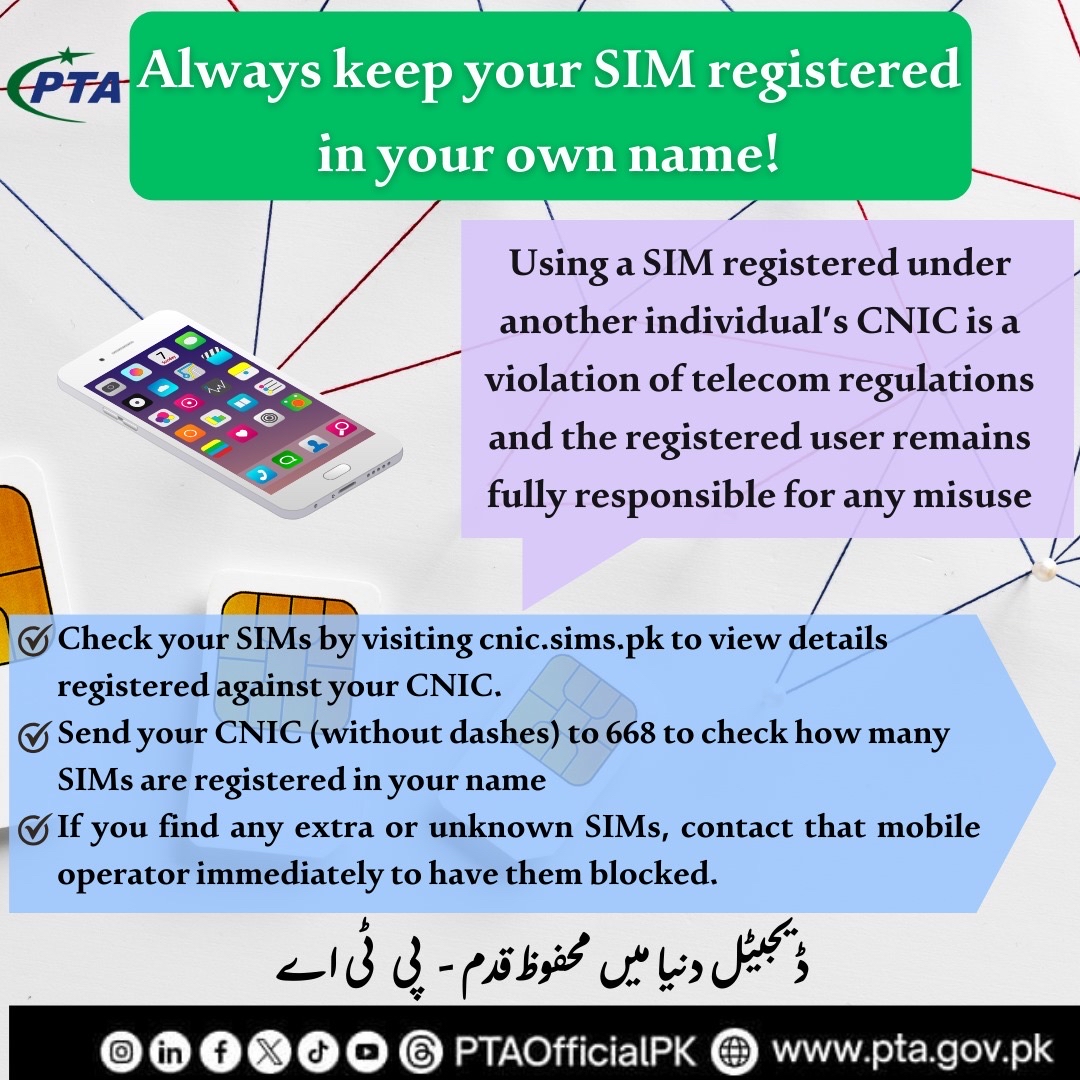
@PTAofficialpk Most SIM fraud happens because people treat registration as paperwork instead of digital identity management
English
0
0
0
3
StepUpOne
StepUpOne@Step_up_One·
@PurbiaLaxita The shift toward 5-figure bounties in 2026 shows companies finally pricing vulnerabilities closer to actual breach costs
English
0
0
0
10
StepUpOne
StepUpOne@Step_up_One·
@Nottiversegl The real issue isnt the architecture its that 87% of IoT manufacturers still ship devices with default credentials
English
0
0
0
15
StepUpOne
StepUpOne@Step_up_One·
@IPRI_Pak Pakistan's digital banking surge makes this timing critical - the regulatory framework is still catching up to the threat landscape
English
0
0
0
1
StepUpOne
StepUpOne@Step_up_One·
The article that tried to destroy us… ended up defining us.
StepUpOne tweet media
English
0
0
3
37
StepUpOne
StepUpOne@Step_up_One·
@chaukenz Free certs are table stakes now - the real differentiator is building something with those skills that hiring managers can actually see
English
0
0
0
6
Kenzi Kim
Kenzi Kim@chaukenz·
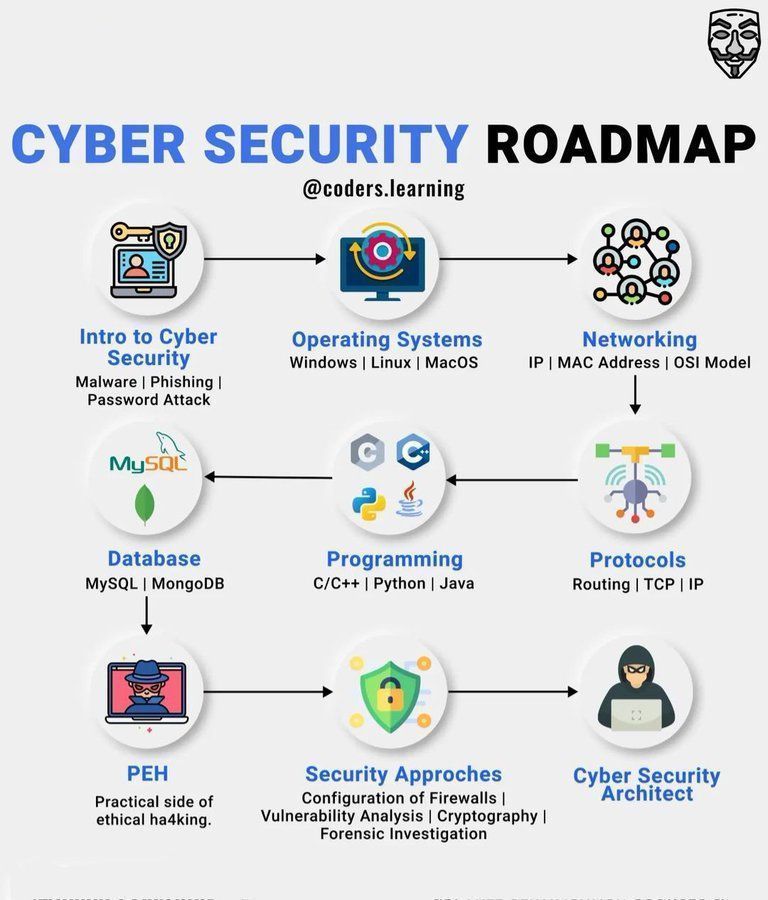
Want to break into cybersecurity? Follow this guide to 15 free courses that will get you certified.
Kenzi Kim tweet media
English
7
1
28
3.8K
StepUpOne
StepUpOne@Step_up_One·
@chovwenofuru The real parallel is how both Vecna and APTs weaponize familiarity - they use what victims trust most against them
English
1
0
2
113
CHOVE
CHOVE@chovwenofuru·
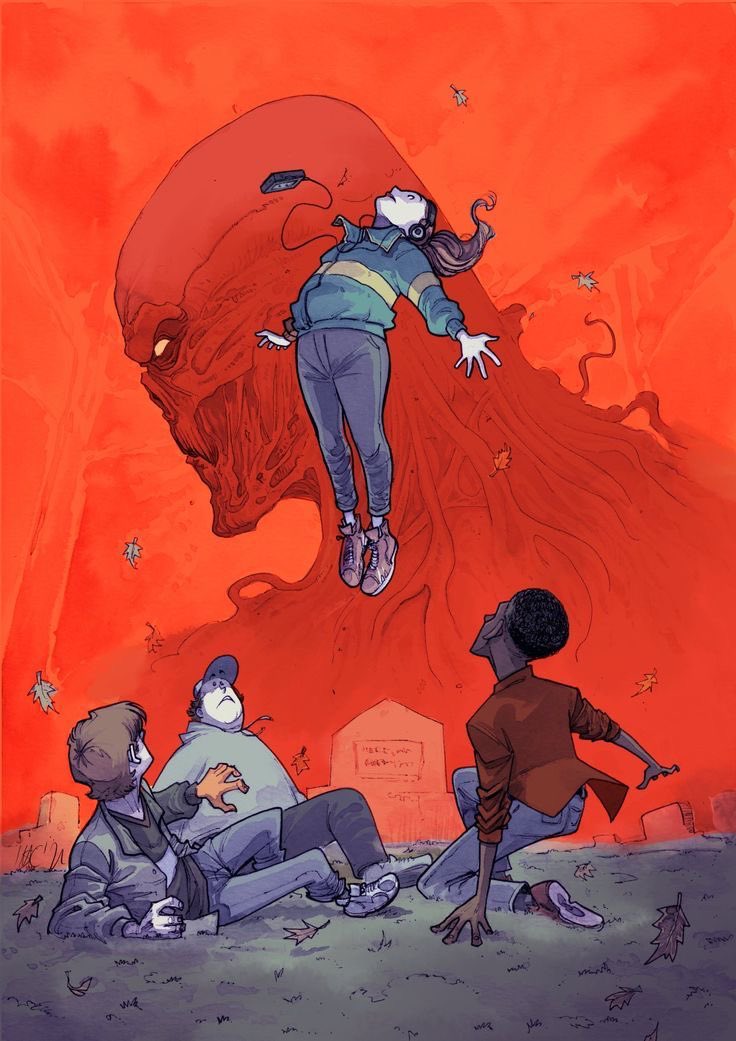
Cybersecurity Note Series: Stranger Things (Final Season) & Persistent Threats, Lateral Movement, and Human Exploitation. The last season of Stranger Things is not about monsters. It’s about a persistent, intelligent adversary operating inside the system. Vecna doesn’t attack loudly. He studies, waits, and chooses carefully. That is the hallmark of a real-world cyber threat. Nothing begins with chaos. It starts with access. Vecna gains control by exploiting internal weaknesses memories, guilt, trauma. In cybersecurity, this mirrors the fact that attackers rarely start with brute force. They start with credentials, trust, and identity. Once inside, the hardest part of the attack is already over. The Upside Down functions like a shadow network a hidden layer mapped perfectly onto the real one. Defenders don’t see it, but it touches everything. This reflects: •Lateral movement across trusted systems •Undocumented connections •Hidden persistence beneath normal operations Hawkins treats each incident as isolated. That’s the mistake. Blue teams often see alerts without seeing patterns. Logs exist. Signals exist. But without correlation, the adversary remains invisible. Vecna isn’t rushing to destroy he’s preparing the environment. Another critical lesson is timing. Vecna strikes only when conditions are right. When defenders are distracted. When victims are isolated. This is how advanced attackers operate low noise, high impact. Red teams simulate this behavior. Blue teams must learn to detect it. The season reminds us that the most dangerous threats don’t look like emergencies. They look like normal life until suddenly they’re not. In cybersecurity terms: The breach doesn’t start with damage. It starts with an unnoticed presence. Security isn’t just about stopping attacks. It’s about recognizing when something has been inside the system far longer than you think. @emperoredetan @cyberjeremiah @cybergirl_io @elormkdaniel @skyletmoringa @Lizettle_ @elonmusk @baecariss @HalimatAdepegba @4osp3l @h4ruk7 @jay_hunts @zoecyber001 @Cyb3rOps_ @cyber_rekk @67Toludom @homeboy_dave @_DeejustDee @ce3nerd @BikaweiCollins @MRM_Cyber @cyber_razz @gabbytech01 @cyber_combat @smbclient1 @netflix @BowTiedCyber @cHef_vic__ @CayaHQ
CHOVE tweet mediaCHOVE tweet mediaCHOVE tweet mediaCHOVE tweet media
English
4
6
23
3K
StepUpOne
StepUpOne@Step_up_One·
@EconomicTimes The real question isnt whether to upskill but how fast you can do it before your competitors finish training their workforce
English
0
0
0
7
StepUpOne
StepUpOne@Step_up_One·
@Chikustan18 Real time engagement metrics during launch windows tell the whole story about audience appetite
English
0
0
0
8
StepUpOne
StepUpOne@Step_up_One·
@MarTechSeries In-app social automation finally addressing the attribution gap between social engagement and actual app conversions
English
0
0
0
3
StepUpOne
StepUpOne@Step_up_One·
@MarTechSeries The real challenge isnt niche keywords its training AI on intent signals that most brands dont even track yet
English
0
0
0
4