Steve Adams
779 posts

Steve Adams
@SteveAdamsSoil
Gardener Geologist Soil Restoration Bison Underground https://t.co/woxB8OO1vC Crab Clips https://t.co/GqqfXWekBZ Geology Protractors https://t.co/giLAHCY12m
12-24 inches underground เข้าร่วม Haziran 2025
357 กำลังติดตาม1.4K ผู้ติดตาม
ทวีตที่ปักหมุด
Steve Adams รีทวีตแล้ว

If anyone is in France on these dates, the preview screening of the new 10-episode docu-series about the megalithic structures of Peru, *Inka Enigma*, by @Bam_JayanFilms will take place on July 4 and 5 in Paris.

English

@machinehacklabs @CooperZurad Preferably a kiosk at the mall with an angry guy who has been fired from every IT position in the county.
English

@SteveAdamsSoil @CooperZurad lol if only the industrial machine tool industry had a shop you could drop equipment off at.
English

@machinehacklabs @CooperZurad Yup. And eventually my trouble free streak will end from something failing, and I'll probably just scrap and upgrade. But would suck to do that every 2 years. Would love a refurbishing option the same way you can send your car to a mechanic or dealership
English

Nothing here is incorrect it is just one dimension of several discussed in this thread that make up the overall issue.
Your point does make me think of a dimension that we didn't discuss though and that is it even worth following the same design track that all the machine builders competing are currently following.
English

Isn't that the price range for new Bambu flagship models when you add all the upgrades? If it lets me print things I can sell over the next year and pay it off, then the price isn't a big deal. If it takes up all my time, then I don't like the price even if it is low. I think print resolution improvements with a secondary nozzle that allows you to put text and symbols on tools/widgets is a big value upgrade. And the people who make toys would also use that feature.
I currently make tools and prototype on a P1S, and I'm pushing the resolution at 0.4. I've used 0.2 and like it for small text and tick-marks. 0.1 would be better for base layer text, then use a larger one to build the rest.
Not sure if anyone of that is useful, but because of low resolution I'll probably migrate to metal parts that are laser etched to get better detail.

English

I have been working on this problem, I can solve most quality and enshitfication problems, but all that does is makes the machines non competitive for the commercial market. If the consumer was willing to pay $2500 to $5000 for a desktop machine that rivals most industrial FDMS it is doable. Unless the customer changes what they want or we find a way to manufacture the way chyna does (subsidies) it is a fruitless buisness endeavor.
English

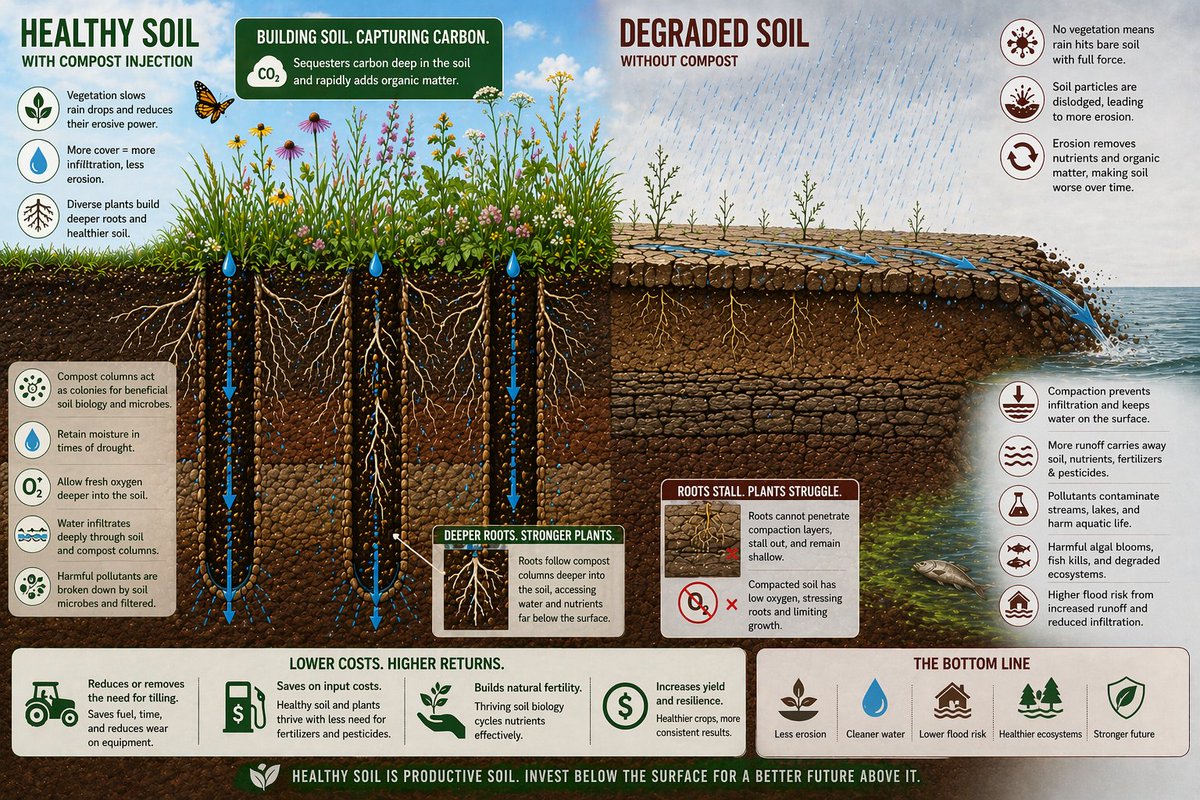
Yeah, and they are popular in areas of South America too. I bet the sugars in them feed a lot of microbial activity too. The method I'm working on was initially developed for much larger parcels of land, and I've worked backwards to hand tools that would work on a wide range of soils. There are other benefits to our method compared to radishes, but there is also a lot of overlap. For example, our conduits are great for water infiltration, and act as island hosts for microbial life, and we can make specialized blends to supplement deficiencies soils might have because of erosion or their geology. We can blend higher nitrogen biomass, with biochar, and mineral dust (and I hope to do that soon). Which would give a lot of poor soils an instant upgrade in composition and texture.
English

@SteveAdamsSoil I only grow a few of them for food.
But I know farmers in the deep south, possibly much wetter than your area, do seed them in mass in the winter.
I guess sun hemp makes a lot more sense in the summer.
English

Instant soil upgrade with new tools.
Soil is never a finished product, but this is a major upgrade from compacted poor ground to soil that can grow the plants you want the day you treat it. Repeat the process again next season and the gains compound.
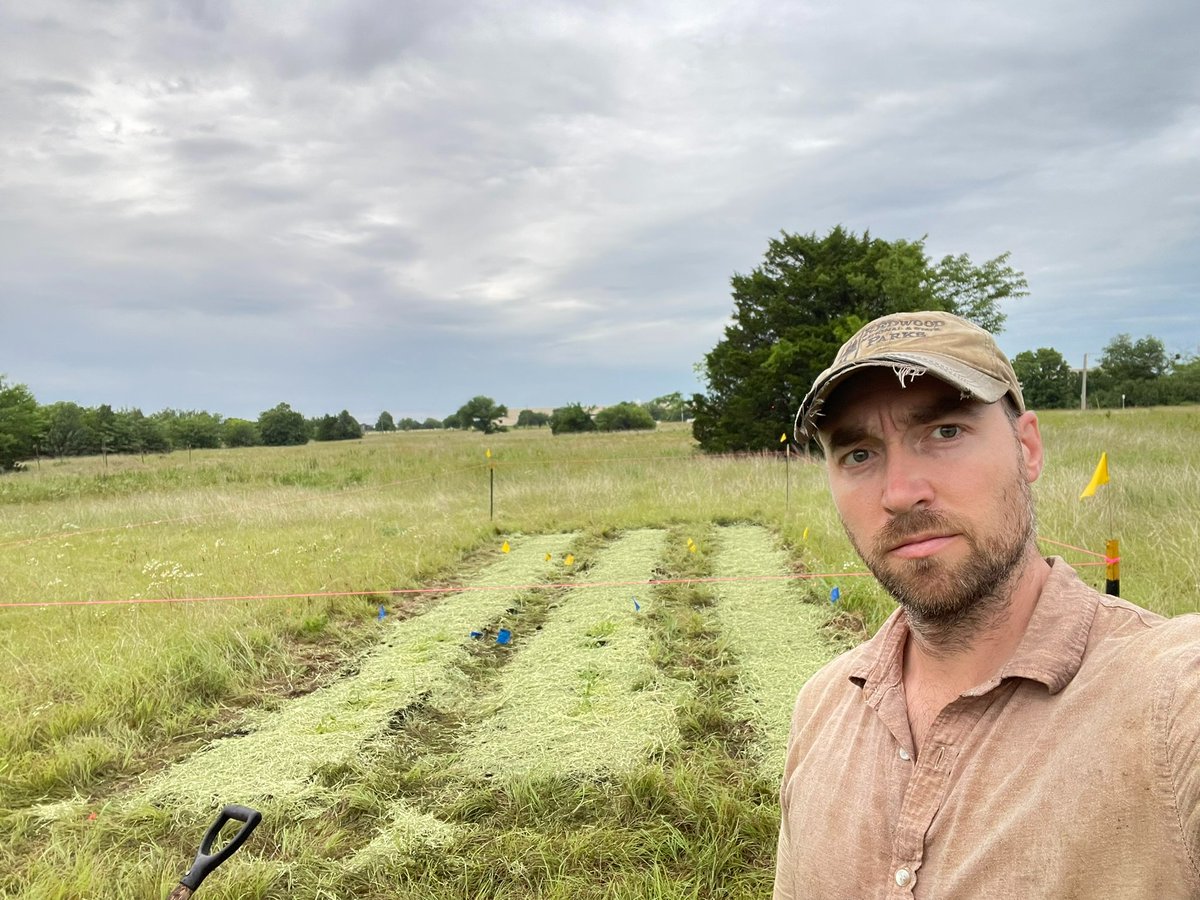
Three test beds set up today with the Bison Undergroun Soil Restoration Tools. Sorghum Sudan grass and Sunn Hemp for biomass, and heat-tolerant veg and flowers on no irrigation. The biomass gets mulched, pelletized, and injected back in with the same tools in either the fall or next spring.
The plot grows its own amendment.


English

@PrairieGir87919 Thanks. I have a pair of jeans from Rawganique and really like them. They have some other good stuff too. Costs more than standard stuff, but lasts a couple years of hard use. They'd probably last longer if kept out of the dryer.
English
@SteveAdamsSoil Quince has sustainable non toxic jeans available & then a new to me company I just stumbled on is WiesMade! Their website says they’re American farmed, milled, & sewn👏🏼
English

@EcoLeilaH Well said. My goal is to create systems, with positive feedbacks, that improve the soil every year, rather than the opposite. And to keep the compounding going, I think we should be looking at how nature did it in the first place.
English

@SteveAdamsSoil I agree with this framing. Soil is never a finished product. Regeneration is cumulative, and systems that grow their own amendment can make degraded ground far more resilient.
English

Have you used daikon to improve highly compacted soil successfully? In many areas, the soil is just too poor for the classic deep tilling radishes. Also, they don't often work with timing, and the carbon and biomass they produce is low compared to other options. I've had some success with them as a fall/winter cover and amending crop in some gardens, but they are mostly water, and the tuber will rot down quickly, and doesn't hold the space as well as compost or biomass in my experience. If you have the time, they would be a great way to loosen the soil ahead of other improvement methods. They also need water. In non-irrigated dryer climates, with hot dry summers, they aren't going to do well (at least mine don't survive the summer).
In a plot like the one in the video, I think, if one had the time, tossing radish seed in the fall and early spring could have made it easier to get my tools in. And the seeds are pretty economical. But you'd have to prep the soil considerably to allow them to compete with the grass and forbs.
Overall I'm pro-daikon. And still toss seeds around my garden, along with chard for fall and winter/early spring fuel for the soil. Thanks for the question! Would love to know if you've used them with better success.
English

@SteveAdamsSoil Why not just grow daikon radishes and let them do the work?
English

@pnickdurham Selling fuel is much easier than selling clean water. I can clean water as it passes through soil, reducing hazardous runoff. This improves soil and water, but improved soil and water are difficult to market on their own. This post makes me wonder if we could generate fuel too.
English

SUPER excited to announce we co-led the pre-seed for Western Chemicals. They turn wastewater into the world's cheapest fuels. And they are going to do it at planetary scale.
Shadow's LP base includes a deep bench of A/E and GC firms, and well before I met Jared, wastewater treatment specifically had moved into the foreground of those conversations. Every firm I talked to is betting that wastewater is its next big vertical after data centers.
Our investment is a bet that Western solves a unique treatment problem for wastewater plants, dramatically cuts the cost of powering the plant, AND is strongly incentivized to do all of it because of the massive upside of producing biofuel at net-negative cost.
How will they do it?

Jared West@jared_western
Announcing the Western Chemicals $4M Pre-Seed Fundraise! We are now building the WORLD’S FIRST vertically integrated duckweed-to-ethanol plant capable of producing 10,000+ gallons of fuel-grade ethanol annually. Wastewater-to-fuel at planetary scale starts NOW!
English


@StanglsEnviro Cool. I see, used as a top dressing. I think what I'll end up doing is making them on site with a pellet mill on a trailer or truck.
English

@SteveAdamsSoil Thanks for sharing n my bad for not responding sooner. I use minrocktechnologies.com/minrock-ultima…
English

𝗙𝗶𝗿𝘀𝘁 𝗰𝘂𝘁 𝗼𝗳 𝘁𝗵𝗲 𝘀𝗲𝗮𝘀𝗼𝗻 — 𝗮𝗻𝗱 𝗶𝘁’𝘀 𝗮𝗹𝗿𝗲𝗮𝗱𝘆 𝗹𝗼𝗼𝗸𝗶𝗻𝗴 𝗹𝗶𝗸𝗲 𝘁𝗵𝗶𝘀.
This is 𝗺𝘆 𝗽𝗲𝗿𝘀𝗼𝗻𝗮𝗹 𝗹𝗮𝘄𝗻.
No NPK.
No sprays.
No gimmicks.
Back in the 80s I was the guy pushing bags and sprays, just like the industry still does today. It took a serious hit to my own health to force me to stop and school up.
We started in 1981 doing it the “normal” way.
Began transitioning in the 90s.
Went 100% regenerative in 2015.
And we’re still schooling up every single week.
The lawn industry’s business plan is simple:
Bag of fertilizer. Spray to kill whatever shows up. Aerate. Dethatch. Topdress with whatever cheap compost is on sale. Repeat.
They catch you with gimmicks and discounts while the soil pays the price.
Most people accept it as “normal” because quick green looks like it’s working.
It’s not fixing your lawn.
You’re the mark keeping their system profitable.
Some folks are okay with that cycle.
I’m not that way. I want it done right.
At Stangl’s we don’t guess — we measure.
We watch the rhizophagy cycle under the microscope and epifluorescence: plants actively farming biology for nutrients, minerals solubilized in real time, photosynthesis ramping up.
𝗢𝘂𝗿 𝗡𝗮𝘁𝘂𝗿𝗲’𝘀 𝗕𝗿𝗲𝘄, 𝗣𝗲𝗹𝗹𝗲𝘁𝗶𝘇𝗲𝗱 𝗨𝗹𝘁𝗶𝗺𝗮𝘁𝗲 𝗖𝗼𝗺𝗽𝗼𝘀𝘁, 𝗮𝗻𝗱 𝗦𝗥𝗖 𝗿𝗲𝗺𝗶𝗻𝗲𝗿𝗮𝗹𝗶𝘇𝗲𝗿 𝗮𝗿𝗲 𝟭𝟬𝟬% 𝗡𝗮𝘁𝘂𝗿𝗲 𝗔𝗽𝗽𝗿𝗼𝘃𝗲𝗱 and exclusive to Stangl’s.
We add squid juice, kelp, Sea-90 and more to create the exact synergy the soil-to-plant system needs.
These aren’t products thrown on top.
They rebuild the living soil ecosystem so the lawn finally takes care of itself — deeper roots, better water retention, naturally lower weed/insect/disease pressure, and no sprays required.
Just real, measurable soil health.
It’s 2026.
Summer’s calling… and this lawn is answering loud and clear.
𝗪𝗮𝗻𝘁 𝘆𝗼𝘂𝗿𝘀 𝘁𝗼 𝗹𝗼𝗼𝗸 𝗹𝗶𝗸𝗲 𝘁𝗵𝗶𝘀?
Comment 𝗕𝗥𝗘𝗪 or visit stangls.com today.
#RegenerativeLawnCare #SoilHealth #NatureBrew #CompostTopdressing #PelletizedUltimateCompost #OrganicLawnCare #LawnCare #SoilFirst #Topdressing #NiagaraLawnCare #StanglsEnviro #BiologyWins #NatureApproved

English

@KentuckyCrops @Ribeiro_RH Roots will go deep if they have the chance!
English

V7 corn w/ roots at least 16 inches deep. They likely travelled down root channels from last year. @Ribeiro_RH has the right touch w/ the shovel!

English

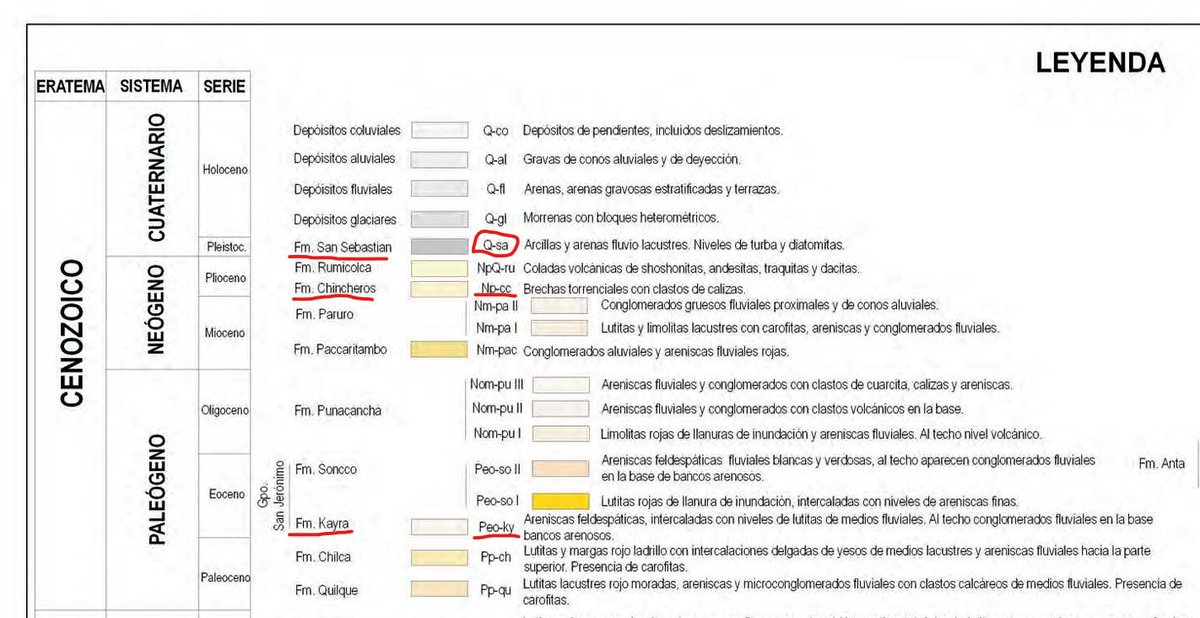
Amazing work and progress by this crew. And we get to see the work and progress from the comfort of our chairs. Also check out the boulder and cobble layer a couple meters down! This area is mapped as Pleistocene sediments, but what is below that? Is it the Neogene breccias of the Chincheros formation? or Paleogene sandstones and conglomerates? You have a massive fault running right through Cusco as well. I think the Paleogene sediments would make a better structural base, but stone cased Chincanas could probably handle either type. If anyone knows of well data for this area, with stratigraphic depths, please share. Imagine the work required to install a tunnel of significant length through these sediments and rock, and case it in stone. What was the climate like? How did they deal with the water?


Weird Old World@Weird_Old_World
Inside an excavation pit of the chincana project in Cusco... Muddy business!
English