ทวีตที่ปักหมุด
The national safeguarding framework; the history, proposed reforms to policy and legislation, and why the current debate matters... vcf-uk.org/before-we-rewr…
#victoriaclimbielegacy #everychildmatters
English
VCF UK 🟪🟪🟪
7.1K posts
@UKVCF
The Victoria Climbié Foundation UK campaigns for children's rights to care & protection; offers legally-based advocacy support for families #everychildmatters



How can pupils be responsible for unauthorised absences? They have absolutely zero control over how a school chooses to mark them.

I am tired. Tired of war. Tired of anger. Tired of death. Tired of lives lost. Tired of hope destroyed. Tired of unnecessary grief. Tired of the destruction of well-being. Tired of forced migration. Tired of tears. Tired of children living in tents, denied the childhood they deserve. I am tired of the political excuses offered for war. I am tired of racial hatred. I am tired of human lust for power wrapped up in theocracy. I am tired of talk of defence that excuses aggression. I am tired of biased reporting I am tired of being told that people who have died on one side of a dispute are lives lost and that on the other, they are just killed. I am tired of a failure to recognise that any life lost unnecessarily is just that: it is a life lost unnecessarily. I am tired of the belief that war will ever solve anything. I am tired of the assumption that after war everything will go back to normal. I am tired of the cost of conflict always being borne by anyone but those who started it. I am tired of those who think we don’t have a duty of care to everyone, whoever they are, wherever they come from, whatever they believe, whatever their skin colour, whatever their gender, whatever their age. I am tired of those who think that others don’t matter. Most of all, I am tired of those who destroy hope, I live in hope. Hope of a better day. Hope of a better life for everyone. Hope that I might live to see that. Hope that everyone might then share hope. Is that too much to hope for?




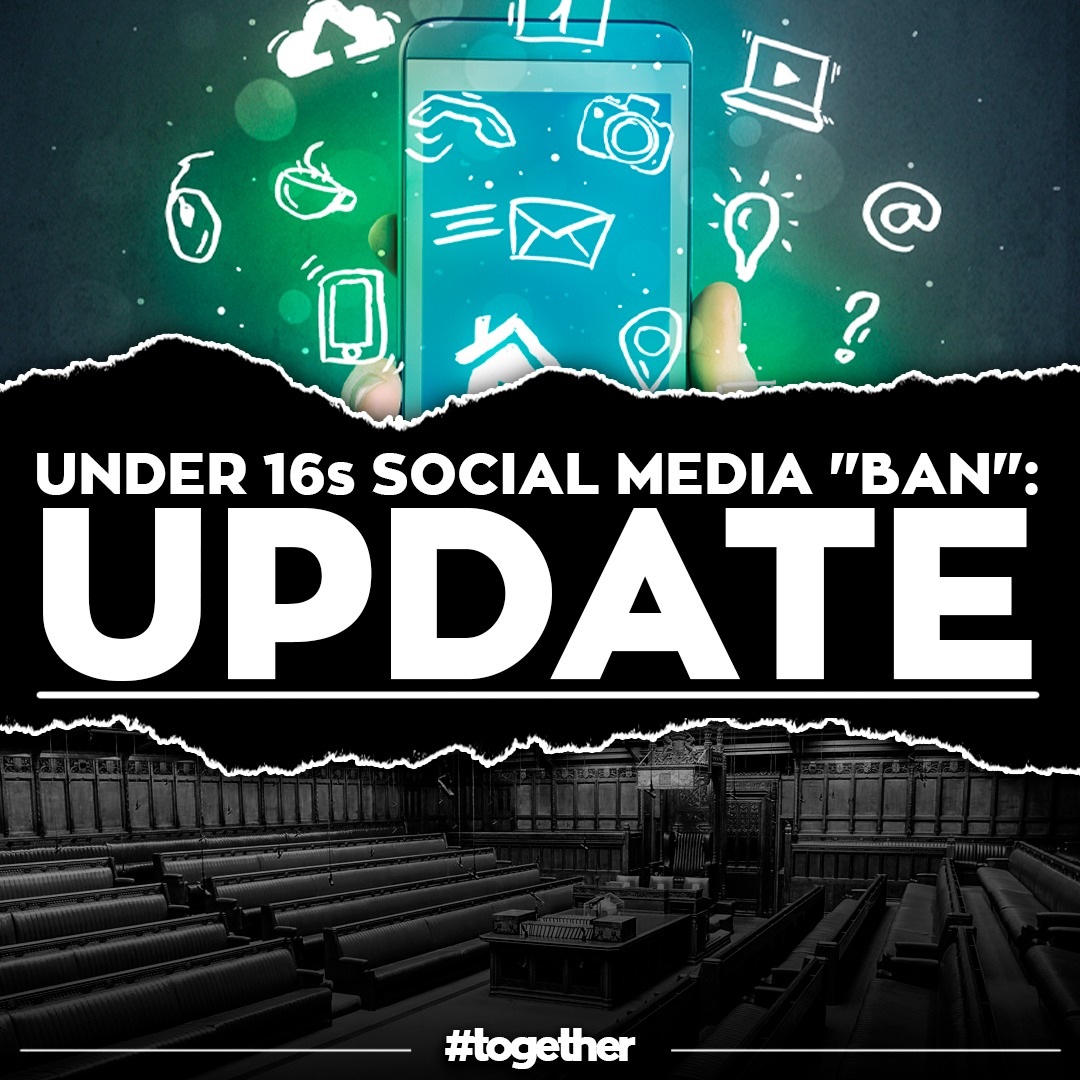
@dianabarran None of this should be in the Bill having already passed every scrutiny stage, expert evidence, and devolved nations’ approval. Changes should not pre-empt consultation and should not be left wide open—there is no such thing as the digital age of consent. jenpersson.com/there-is-no-su…
@Parentkind Under the 'be careful what you wish for' banner, here's another perspective you may wish to consider in light of these last minute amendments rightsforchildren.uk/dangerousbills/


deeply emotional and important topic — when parents of disabled children experience strain not because of each other, but due to the actions or failures of professionals who should be helping them…. Raising a disabled child can bring profound love, resilience, and unity to a family — but it can also expose parents to incredible stress, especially when the systems meant to support them fall short. Too often, professionals in health, education, or social care inadvertently (or sometimes deliberately) pit parents against each other. What begins as minor miscommunication can grow into division, mistrust, and eventually, the breakdown of a relationship. When one parent is believed over the other, or when professionals share information selectively, it can create a feeling of isolation and doubt. Some parents describe being “played off” — told conflicting things, or subtly encouraged to see their partner as unreasonable or obstructive. Over time, this dynamic erodes mutual trust. Instead of coming together to fight for their child’s needs, the parents are left fighting each other. Failures in professional conduct — such as withholding assessments, dismissing concerns, or favouring one parent’s narrative — can feel like institutional bullying. Parents under extreme pressure might begin to question not only themselves but also their bond as a couple. The home, which should be a safe space for healing and unity, becomes another battleground affected by decisions made in meeting rooms. Bullying by professionals may take subtle forms: using intimidating language, minimising a parent’s viewpoint, or insisting “you’re overreacting.” These behaviours can leave lasting emotional scars and can worsen already fragile relationships. Ultimately, what should be a coordinated support system becomes a source of trauma that outlives the professional involvement itself. True professional support requires empathy, transparency, and respect for both parents’ voices. Families thrive when practitioners work collaboratively — not by deciding who’s “right,” but by honouring parents as the experts in their child’s life. When that partnership breaks down, the child’s wellbeing suffers most. Healing begins when professionals take accountability for biases and rebuild trust through honest, consistent, and inclusive communication.
One of our co-owners, Michelle, will be joining in the National Conversation on SEND, this Saturday 7th March.