@dunkhippo33 Big parts of distribution can be autonomous too though - things like blog posts, tweets, etc
English
Tom Lynch
214 posts
@_tlynch
PhD @Cambridge_Uni, previously high-level rower

Monthly median Received to Accepted time (days) at Nature Genetics






"I’m building a credit score for science. The same way a credit score shows you how financially trustworthy someone is, ResearchDoc AI shows you what articles, authors, and journals you can trust in academia: it's a web-extension that scores scientific research article publications. Right now, science has no automated, objective assessment for quality. And with the number of articles getting published skyrocketing, scientists desperately need a quick way to evaluate research quality. The Alpha Fellowship has made my enormous goal of reforming the scientific publication system possible. It has taught me how to leverage AI to its fullest potential (and also how not to use it), how to build from zero to one in a day, and how to go from one to infinity. The Innovation Labs at UATX have given me countless opportunities to grow as a founder. They got me a table at Capital Factory's SXSW Startup Crawl (for free!), where I made connections that transformed my company's future. I'm so grateful to both @AlphaSchoolATX and UATX for their support, without which I would not be where I am today." — Nicole Kargin, UATX sophomore



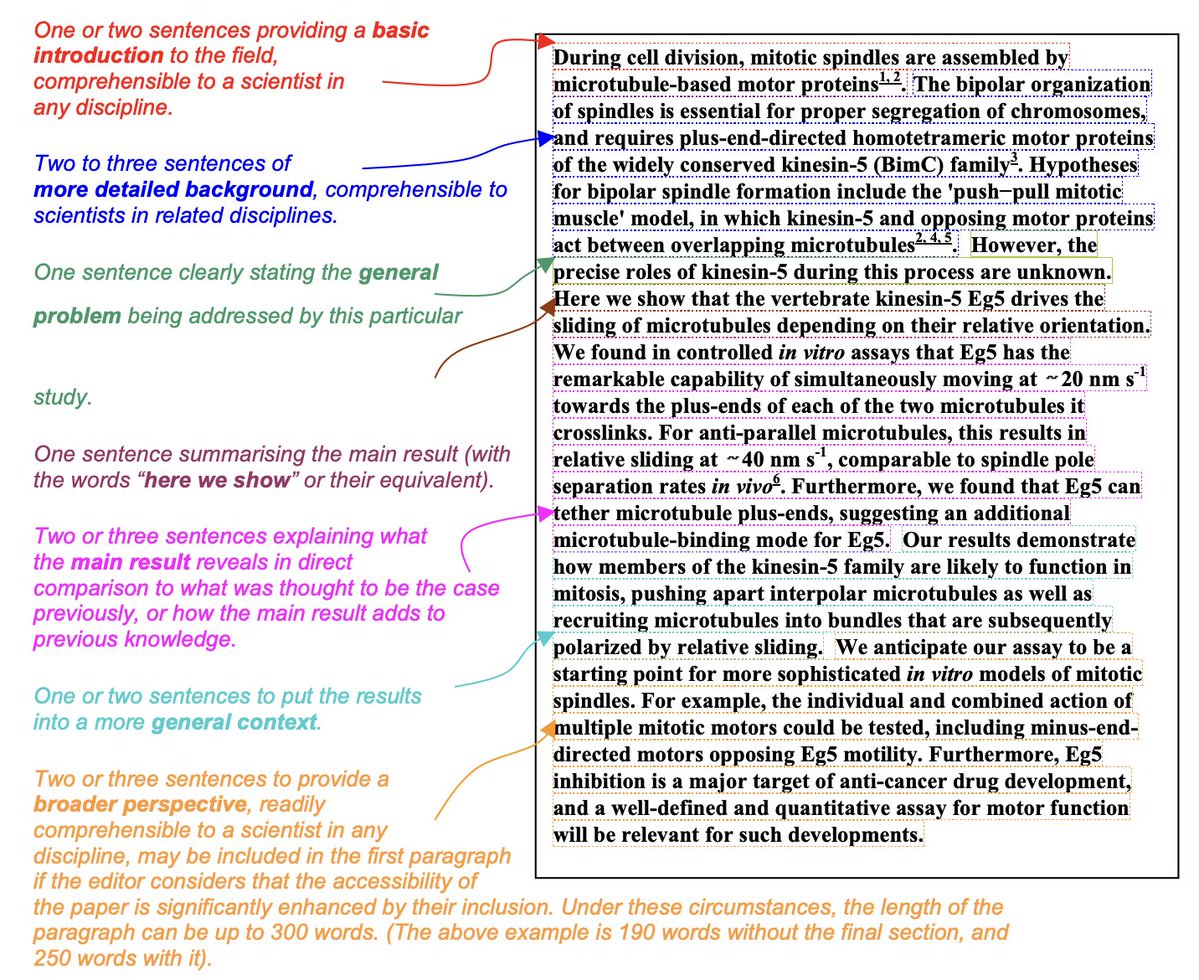
How to write a journal paper for publication? Your paper should have the following 9 sections. 1. Abstract 2. Introduction 3. Literature Review 4. Methodology 5. Results 6. Discussion 7. Conclusion 8. Acknowledgements 9. References
I thought "AI for Science" was something like AlphaFold, ie. using AI to creatively address computational bottlenecks for well articulated scientific problems. Now I'm seeing more of "AI slop cosplaying as research paper", where the problems are fake, methods unverified, etc.