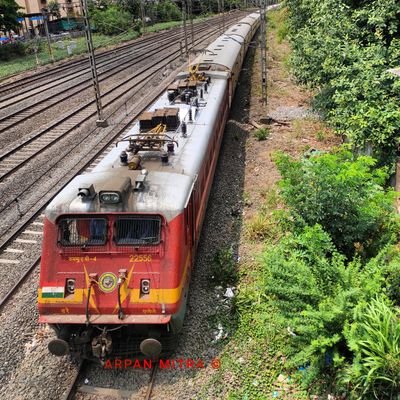
Red Beast WAP4
18.3K posts


Hindu students appearing for CET exam were forced to remove their sacred Janivara thread in Bengaluru. BJP leaders LoP R Ashoka and Tejasvi Surya strongly demanded immediate action from the PC against this blatant attack on Hindu faith. @DgpKarnataka


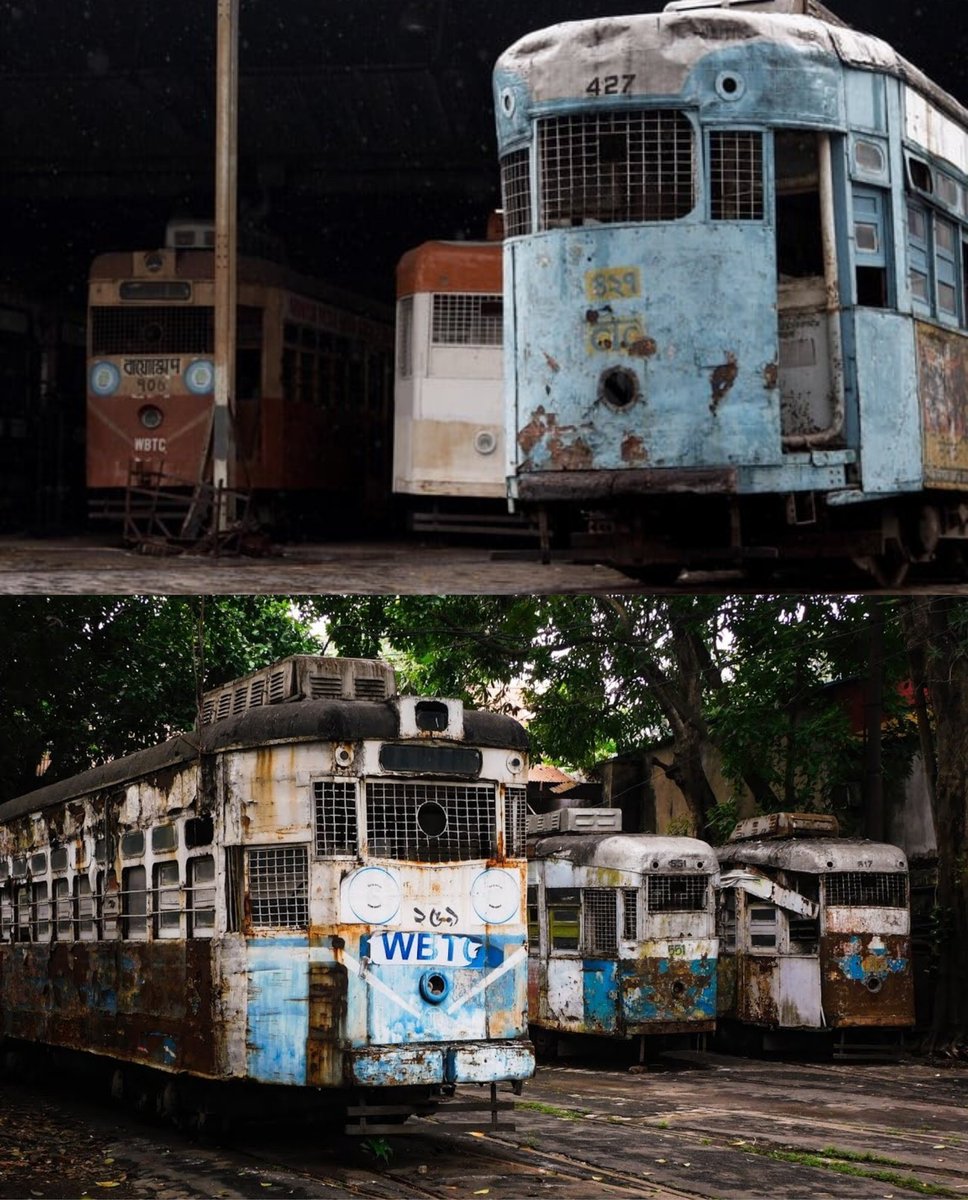
Kolkata’s transport system is facing serious challenges that need urgent attention. Once a pioneer in urban mobility, being home to India’s first metro system, the city now struggles with congestion and aging infrastructure. Trinamool Congress has sacrificed the whole transport system of Kolkata to syndicates and mafias. 1. Kolkata is now the most congested city in India, with average traffic speeds of around 17.4 km/h, severely impacting daily commuting and productivity. 2. Trinamool is not letting expansion of metro projects. 3. Public buses are centuries old. 4. Roads are in poor condition with no major road planning. Overall, Kolkata’s transport infrastructure requires coordinated planning, investment, and modernization. Strengthening connectivity, upgrading public transport, and improving road networks are essential for building a safer and more efficient mobility system, and only a double-engine government can do this!! #DoubleEngineSorkar


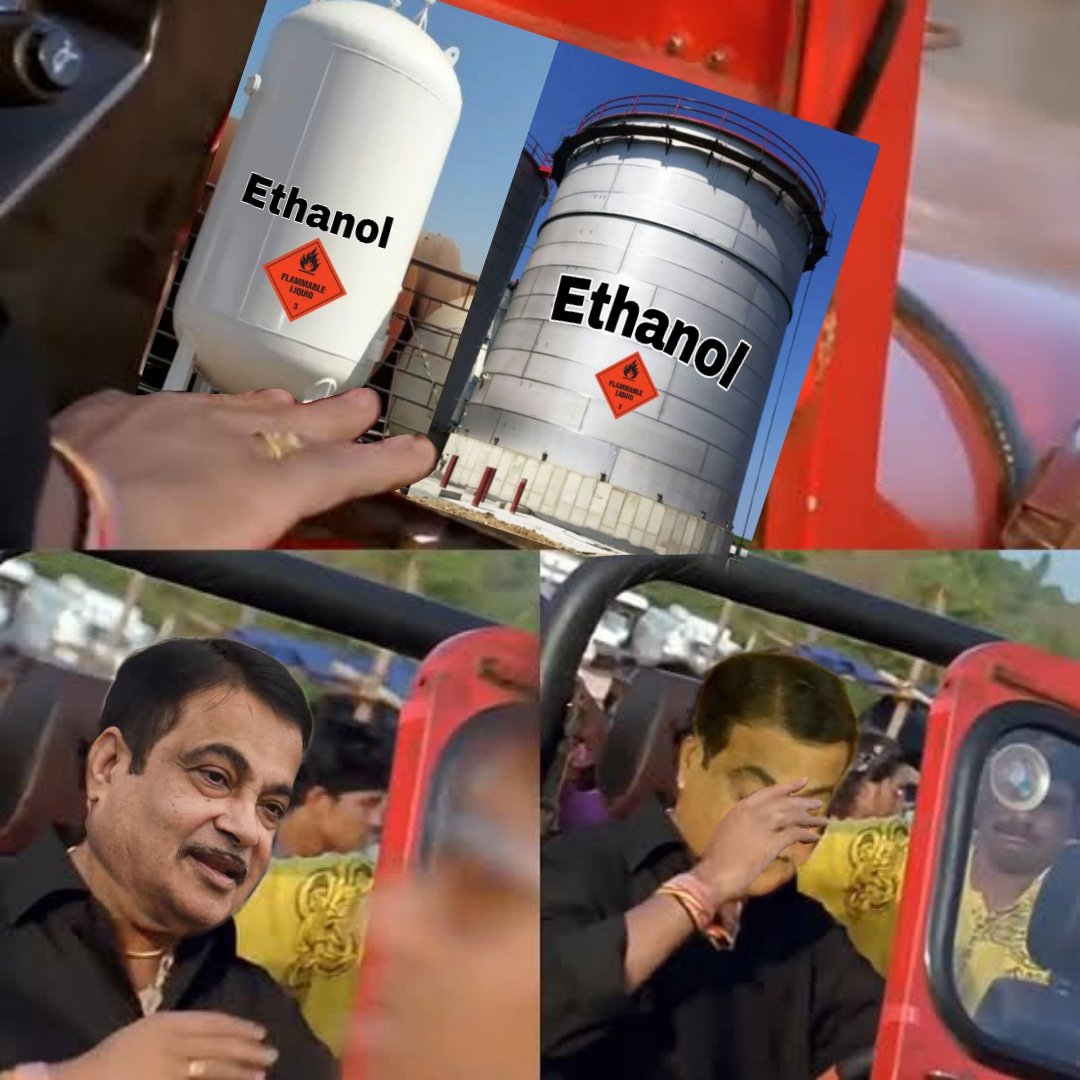
To save 1 litre of imported crude, India is spending 2,860 litres of groundwater. That's the single statistic missing from the entire E85 debate. E20 is done. The government's draft notification for E85 (85% ethanol, 15% petrol) is ready. Most reactions are either "great, energy independence" or "my mileage dropped." Both are shallow. Here is the actual trade India is making. The economic logic is real: India imports 85%+ of its crude. The FY25 import bill was ~$137 billion. Ethanol blending has already saved ₹1.08 lakh crore in forex and put ~₹92,000 crore in farmers' hands since inception. Every 1% of blending = ~$1 billion in annual savings. But ethanol is not a free lunch: 🔹 Ethanol has 33% less energy per litre than petrol. 🔹 US DoE data: FFVs on E85 get 15 to 27% fewer miles per gallon than on petrol. 🔹 The offset is octane. E85 rates ~105 vs petrol's 91. In purpose-built engines (turbo, high-compression, direct injection), higher octane recovers most of the energy loss. The catch. India's fleet is 90% E10-ready at best. You cannot pour E85 into a Swift. Flex-fuel vehicles need stainless fuel lines, upgraded pumps, 30% larger injectors, ethanol content sensors, and recalibrated engine maps. The hidden cost nobody is pricing: 🔸 E20 at today's consumption needs ~1,016 crore litres of ethanol annually. 🔸 At 2,860 litres of water per litre of ethanol, that is ~2.9 trillion litres of water per year. The annual water footprint of 200+ million Indians. 🔸 E85 scales this 4x+. 🔸 60% of India's ethanol now comes from maize and broken rice. India, a net corn exporter, imported 1 million tonnes of corn in 2024 because of ethanol diversion. 🔸 Retail sugar moved from ₹40 to ₹45/kg in two years partly due to cane diversion. The reframe most people miss: The ethanol programme is not an energy policy. It is an agricultural subsidy dressed as an energy policy. The forex savings are real. The farmer income transfer is real. Both are the actual goals. The mileage drop is a tolerated cost. The water and food inflation risk is the hidden tax. E85 will happen anyway. The listed winners sit in three buckets: 🔸 Sugar and distillery players with integrated ethanol capacity 🔸 Auto ancillaries making ethanol-compatible injectors, pumps, fuel lines, sensors 🔸 OEMs going flex-fuel first (Toyota, Maruti and Hyundai are already prototyping) Energy independence is not free. India is trading barrels of oil for billions of litres of water and millions of tonnes of grain. Whether it's worth it depends on which constraint matters more in 2040 — your oil bill, or your aquifer.