@TomaszZwyk Jakbym miał wskazać największego szkodnika wśród środowiska lekarskiego, to Fiałek byłby przed wszystkimi altmedowcami.
Polski
Baszko
875 posts


Trzeci dzień ukraińskiej dramy na X. Czytam z dużą dozą cierpliwości te wpisy, no ale niektóre to już szczyt bezczelności. Rzplita jako brutalny kolonizator. II RP jako okupant Galicji Wschodniej. Piłsudski jako likwidator ukraińskiej państwowości. Armia Krajowa jako zbrodnicza organizacja. Zakierzonia jako terytorium do odzyskania. Bynajmniej nie są to anonimowe konta, ale rozpoznawalne osoby z ukraińskiego social media. Myślałem, że przez ostatnie 30 lat Ukraińcy trochę oswoili się z tym, że historia i relacje międzynarodowe nie kręcą się wokół jedynie słusznej wizji Kijowa, ale widzę, że grubo się myliłem. Pod niektórymi względami nie widzę żadnych różnic z tępą kremlowską propagandą. Gra dokładnie na tych samych nutach. Ja naprawdę rozumiem, że Ukraina jest obecnie w bardzo trudnej sytuacji i niektórym puszczają nerwy, ale są pewne granice dobrego smaku. Jak mamy rozmawiać o budowaniu dobrosąsiedzkich relacji i bezpieczeństwa w regionie, skoro Polska domaga się upamiętnienia tragicznych ofiar, co naprawdę nie wymaga za wiele wysiłku, podczas gdy z Ukrainy płynie zwyczajnie ściek jakichś absurdalnych pretensji o to, że w Polska nie podała Ukrainie wszystko na tacy i sama nie położyła się do grobu? Niestety, ale Polakom i polskim władzom przyda się trochę otrzeźwienia. Nie ma sensu teraz obijać się od ściany do ściany, tym bardziej działać w akcie gniewu, bo nie na tym polega mądra polityka zagraniczna, ale musimy jako naród trochę przewartościować swój stosunek do Kijowa. Bo o ile nigdy nie wierzyłem w miłość między naszymi narodami, tak chłodna transakcyjność chyba będzie najuczciwszym podejściem.
It is difficult to avoid the conclusion that one enduring reference point of contemporary Ukrainian strategic culture remains the Cossack wagon circle: firing in every direction at once: at the enemy, at allies, and at anyone unfortunate enough to be nearby. Strategic culture is shaped both by a state’s historical experience with the use of force and by the violence inflicted upon it. Ukraine’s resistance to Russia serves Poland’s strategic interest. That is precisely why Poland supported Ukraine from the first day of the full-scale invasion in 2022. But Poland's strategy towards Ukraine has been rooted in its strategic culture and historical experience. History deserves seriousness. Józef Piłsudski - whom some Ukrainian commentators now blame for the failure of Ukrainian independence a century ago - believed in an independent Ukraine more than many Ukrainians did at the time. That conviction led him to support Symon Petliura and launch the 1920 campaign toward Kyiv despite immense political and military risks for Poland. What is often overlooked is that in 1919 Piłsudski rejected General Denikin’s proposal for an alliance against the Bolsheviks because Denikin demanded that Poland abandon support for an independent Ukraine separate from Russia. Piłsudski refused. Poland relinquished that position only later, in the Treaty of Riga in 1921, when the Bolsheviks made renunciation of Ukrainian independence a condition for ending the war. By then Poland was nearly exhausted by fighting over Ukraine. It lacked both the military capacity and political leverage to continue. Nor was there sufficient support among Ukrainians themselves for a state independent from Russia. The uncomfortable truth is that one hundred years ago too few Ukrainians were willing to fight and die for a Ukrainian Kyiv. For many, it made little difference who ruled it. That memory shaped Poland’s first strategic question in 2022: were Ukrainians prepared to defend Kyiv this time? They answered with extraordinary courage - and Poland responded accordingly. Yet some Ukrainian commentators still assign Piłsudski responsibility for the collapse of Ukrainian independence, as if Poland - after nearly collapsing in that struggle itself - simply chose betrayal. This tendency to externalize responsibility goes beyond historical disagreement. It reflects a deeper strategic illiteracy: the search for external culprits to explain internal weakness and unresolved political development. If, after four years of full-scale war with Russia, parts of the Ukrainian public debate still cannot distinguish strategy from grievance, or grand strategy from historical resentment, then Ukraine may yet face the trauma not of military defeat, but of survival without victory - endurance on the battlefield without political consolidation, resistance without strategic clarity, and perhaps strategic loneliness after the war. Poland should watch this carefully. If Ukraine is eventually forced into a peace settlement with Russia without recovering all occupied territories - much as Poland itself was forced into the Treaty of Riga in 1921 without securing all it had fought for - Warsaw must be prepared for the possibility that disappointment in Kyiv will seek external culprits. There is a recurring tendency in parts of Ukrainian political discourse to explain historical setbacks through betrayal by others rather than through the limits of one’s own power, choices, or strategic circumstances. If that pattern returns after the war, Poland may once again find itself blamed not for what it did, but for what Ukraine was unable to achieve.










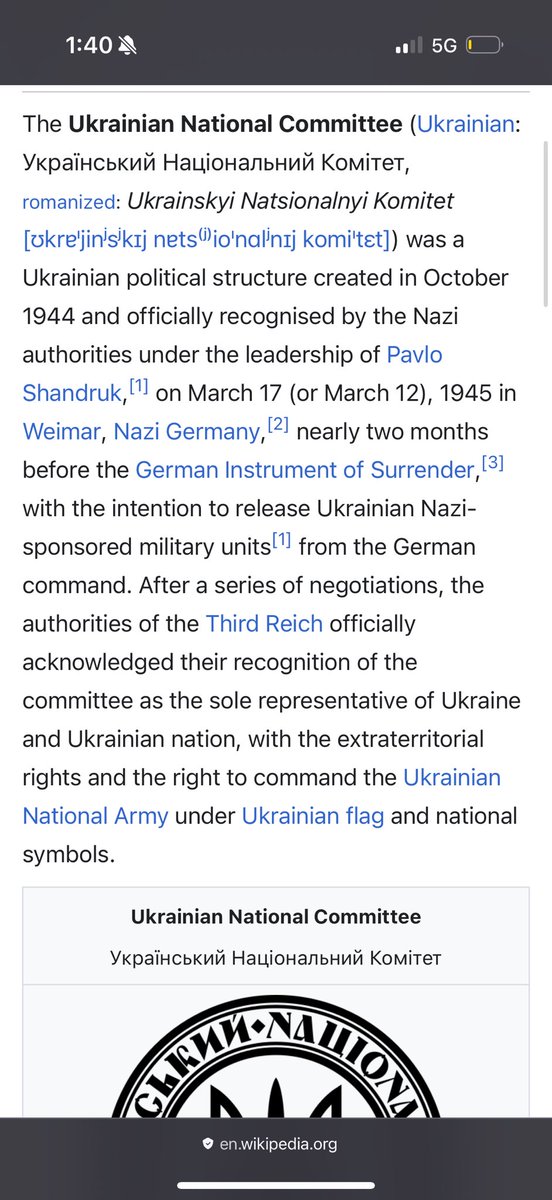



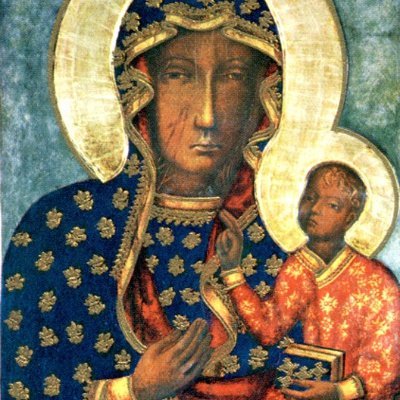



So Ukraine cannot choose its own heroes without a Polish veto, but their President’s security can wear patches of those who carried out crimes against Ukrainians when visiting Kyiv……..