

buzy
11.3K posts


Doormen, porters, supers and building service workers make New York City home for so many — they deserve to afford a home here, too.
This tentative agreement is a step towards respect and dignity for the workers who make our residential buildings run. It's another reminder that New York is, and always will be, a union town.
32BJ SEIU /// #BuildingJustice 🧹✊🏽@32BJSEIU
🔊NYC Residential Workers Win Demands, Strike Averted! 🎉 @32BJSEIU’s bargaining committee and @RABOLR reached a tentative agreement for 34,000 NYC Residential Workers. Pending member ratification, the new agreement will offer 34,000 residential building workers who work in NY’s co-ops, condos, and apartment buildings servicing 1.5 million New Yorkers, 💹Transformational wage victories 🛡️Protecting our existing health benefits ❤️🩹Improved Retirement Benefits #WeMakeNYCHome
English

Visit Ethiopia 🇪🇹
Land of Origins@Landoforigins
Weekend Vibes in Beautiful Bishoftu! Escape the city hustle and recharge in the serene "City of Lakes." Whether it’s a family getaway or a trip with friends, Bishoftu is your perfect weekend retreat! Visitethiopia.et #Ethiopia #Bishoftu #VisitEthiopia #WeekendGetaway
Suomi

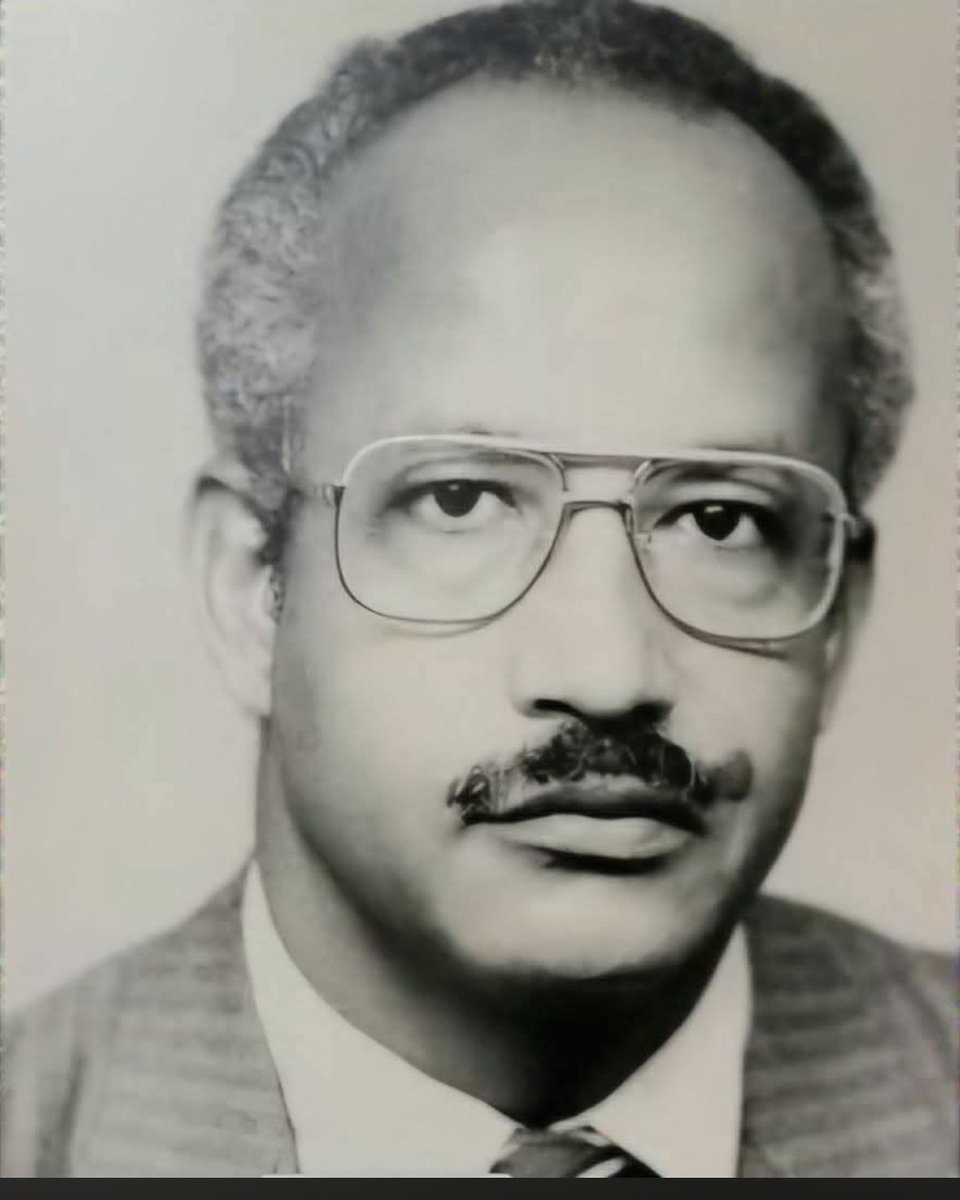
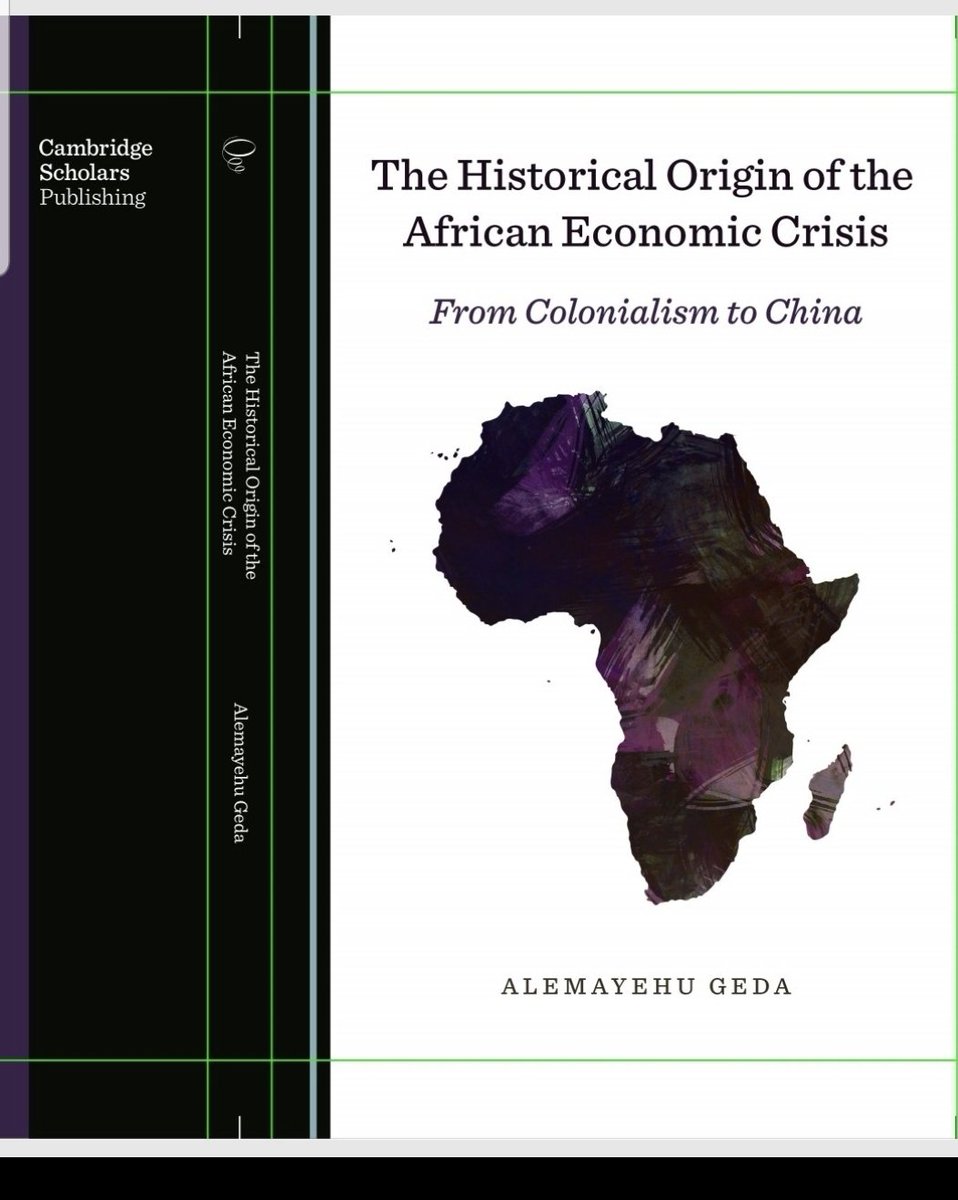
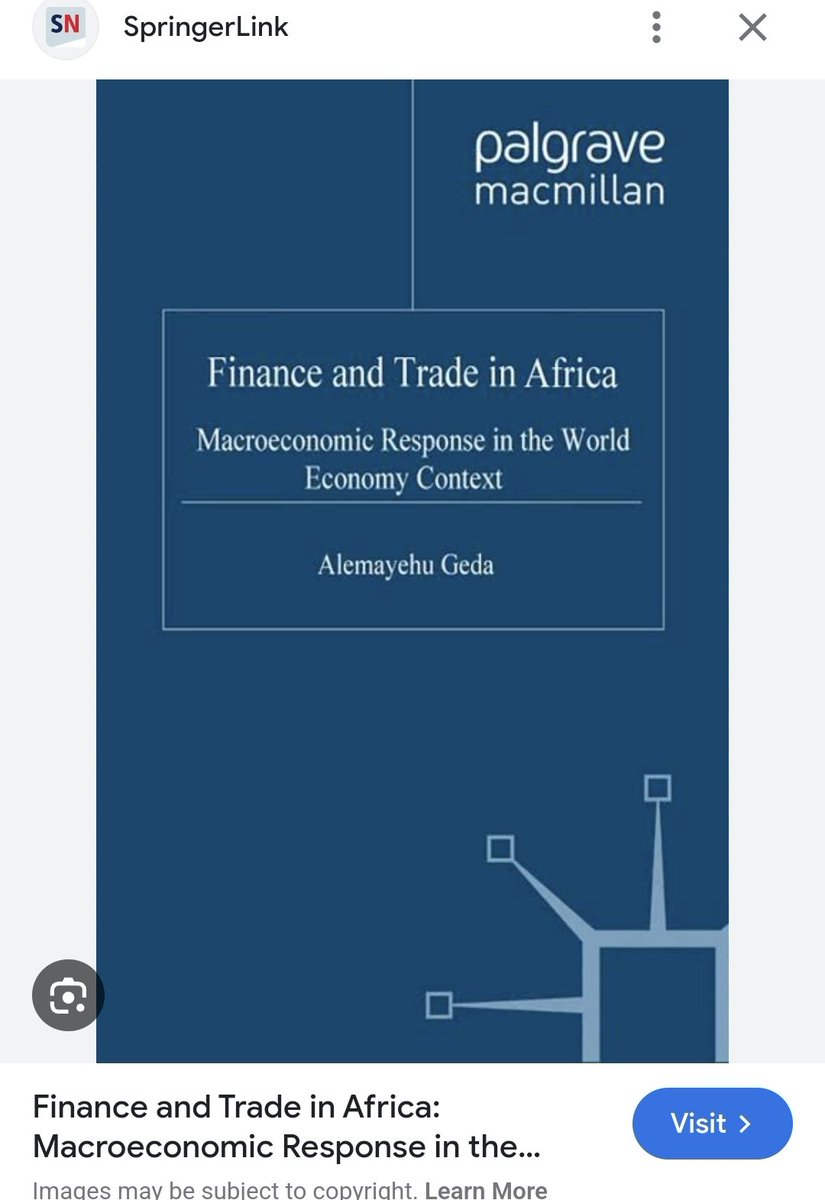
He was a gaint. I build my PhD ideas( later a 2002 book👇) and my recent 2019 book on African development 👇on his foundational ideas. Respect to my lovely& brilliant Undergrad instructor Dr Eshetu Chole👇 for introducing me to his work as 3rd year economics undergrad student at AAU. A must read book by any African even today .RIP.
English

According to Walter Rodney, one of the most influential thinkers on Africa and colonialism, Europe actively structured Africa’s underdevelopment through exploitation, extraction, and dependency.
Rodney argues that the Atlantic slave trade removed millions of working-age Africans from Africa, disrupted agricultural systems, craft production, and political stability, and strengthened European economies while weakening African ones. He frames slavery not as a “side effect” of trade, but as a central engine of European industrial growth and African economic distortion.
Under colonialism, African economies were redesigned to produce raw materials (cotton, rubber, minerals) for European industries. Local manufacturing and industry were discouraged or destroyed. Infrastructure (railroads, ports) was built primarily to extract resources, not to connect African societies internally.
Rodney states that this process created dependency structures that outlasted colonialism. He emphasizes that pre-colonial Africa already had ironwork industries, textile production, agricultural systems, trade networks, and urban centers. European slavery and colonialism undermined these systems while flooding African markets with cheap European goods to prevent industrial competition.
As a result, Africa was positioned as a supplier, first of human cargo, then not as a producer of value-added goods.
Rodney argued that colonial education systems prepared Africans for low-level administrative roles within the European-controlled economy. African education promoted European history, culture, religion, and values as superior while devaluing African knowledge systems, including history, spirituality, culture, language, political organization, kinship ties, and social organization.
This created what he calls psychological, spiritual, social, and intellectual dependency alongside economic dependency.
He also explained that after formal colonialism ended, Africa still exported cheap raw materials for European manufacturers while importing cheaply made, expensive manufactured European goods. This maintained a global imbalance of wealth accumulation.
Rodney stated that “underdevelopment” is a process, not a condition. Underdevelopment is not the absence of development—it is a relationship of exploitation between regions. In other words, Europe became wealthy not in isolation but through a historical process that systematically drained resources and labor from Africa.
In summary, Europe extracted labor (slavery and colonial slavery), extracted resources using enslaved and colonial labor (colonial economies), blocked organic indigenous industrial growth, and forcefully created dependency systems that continued after Africa’s so-called independence.

English
Ethiopia is Africa’s second-largest host of refugees, offering safety to those forced to flee conflict.
@WFP supports nearly one million refugees, including families like Neyakerka’s, meet their daily nutritional needs and focus on a safer future.

English
Happy Tax Day, New York. We’re taxing the rich.
English


Fun fact from GERD:
Beyond the turbines, concrete, and steel, there was also an injera factory at the site.
To feed the workforce, Webuild set up and managed an injera factory alongside the three canteens inside the project area. The factory employed 84 people and produced an average of more than 6,500 injera per day, with peak production above 10,000 per day. That is up to 3 million injera a year.
So yes, even a mega dam runs not only on engineering, but also on Ethiopian food.
#GERD #Ethiopia #Injera #BlueNile #DamEngineering

English
The violence used by NYPD officers in this video is extremely disturbing and unacceptable. Officers should never treat a person this way. The NYPD is conducting a full investigation into this incident.
TheSalGreco@TheSalGreco
This incident was captured by Sinistratm on Instagram and took place April 14, 2026 in Brooklyn at a liquor store on Hoyt and Baltic street. Brooklyn North Narcotics attempt to arrest a suspect who resists arrest when chaos ensues. What do you all think about this incident?
English
Even if the officers had arrested the right man, this conduct l appears wrong in so many ways. We now know this man wasn’t even involved in the alleged crime.
The officers were quickly placed on modified duty, and an investigation is underway—it should be full, fair, and swift.
New York Daily News@NYDailyNews
Latest update: A pair of NYPD cops were stripped of their guns and badges after repeatedly punching a man they mistook for a drug dealer who refused to be handcuffed inside a Brooklyn liquor store in a wild caught-on-camera clash. nydailynews.com/2026/04/15/nyp…
English

@nycpa You'll never tell blacks to not resist, will you?
English

Be brutally honest, what's one thing Africans are simply better at than the rest of the world??
English
English
@RenaissanceDam Rumors has it these injera factory uses the nile river extensively it might endanger the amount downstream countries used to have.
English
Julius Malema of South Africa 🇿🇦 calls for a single African presidency, a common currency, and a borderless continent for African citizens at a conference in Nigeria 🇳🇬.
A good ambassador of true Pan-Africanism.

English
buzy รีทวีตแล้ว

This incident was captured by Sinistratm on Instagram and took place April 14, 2026 in Brooklyn at a liquor store on Hoyt and Baltic street. Brooklyn North Narcotics attempt to arrest a suspect who resists arrest when chaos ensues. What do you all think about this incident?
English

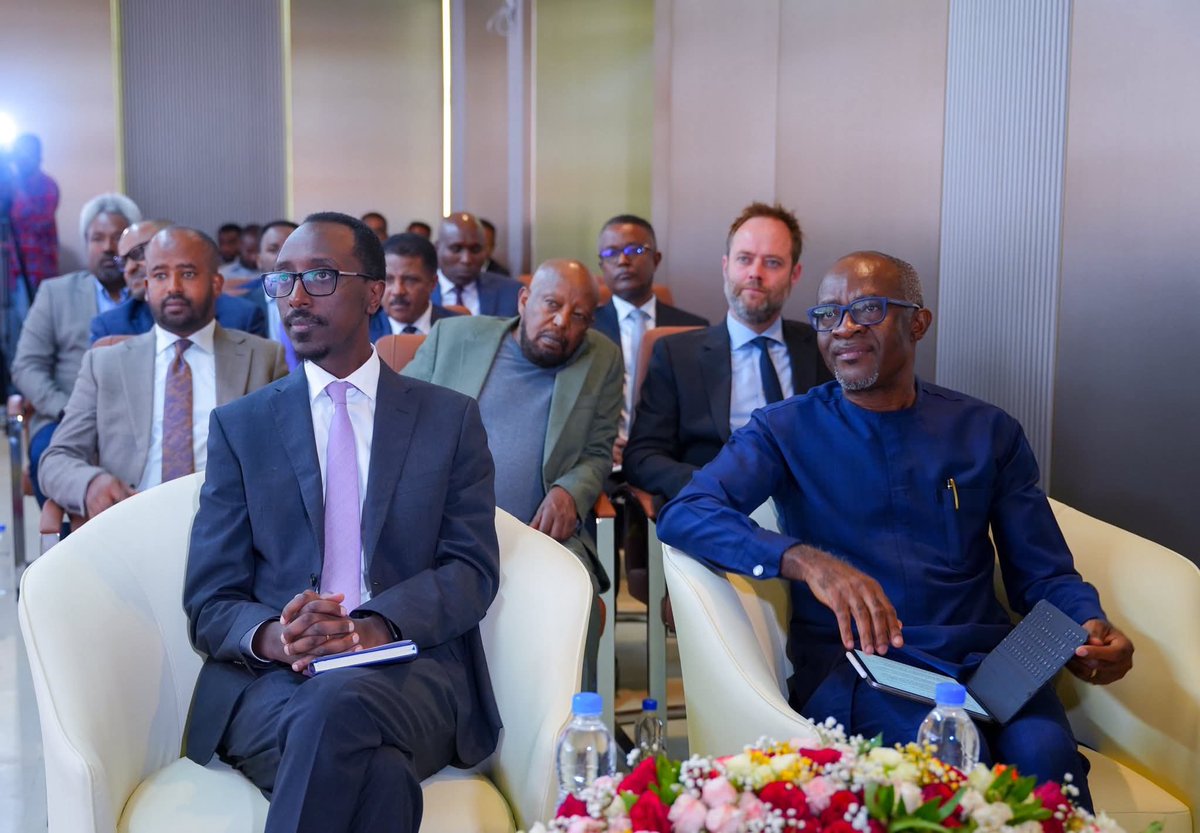
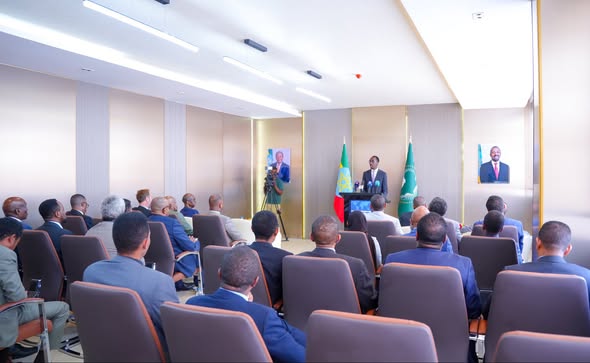
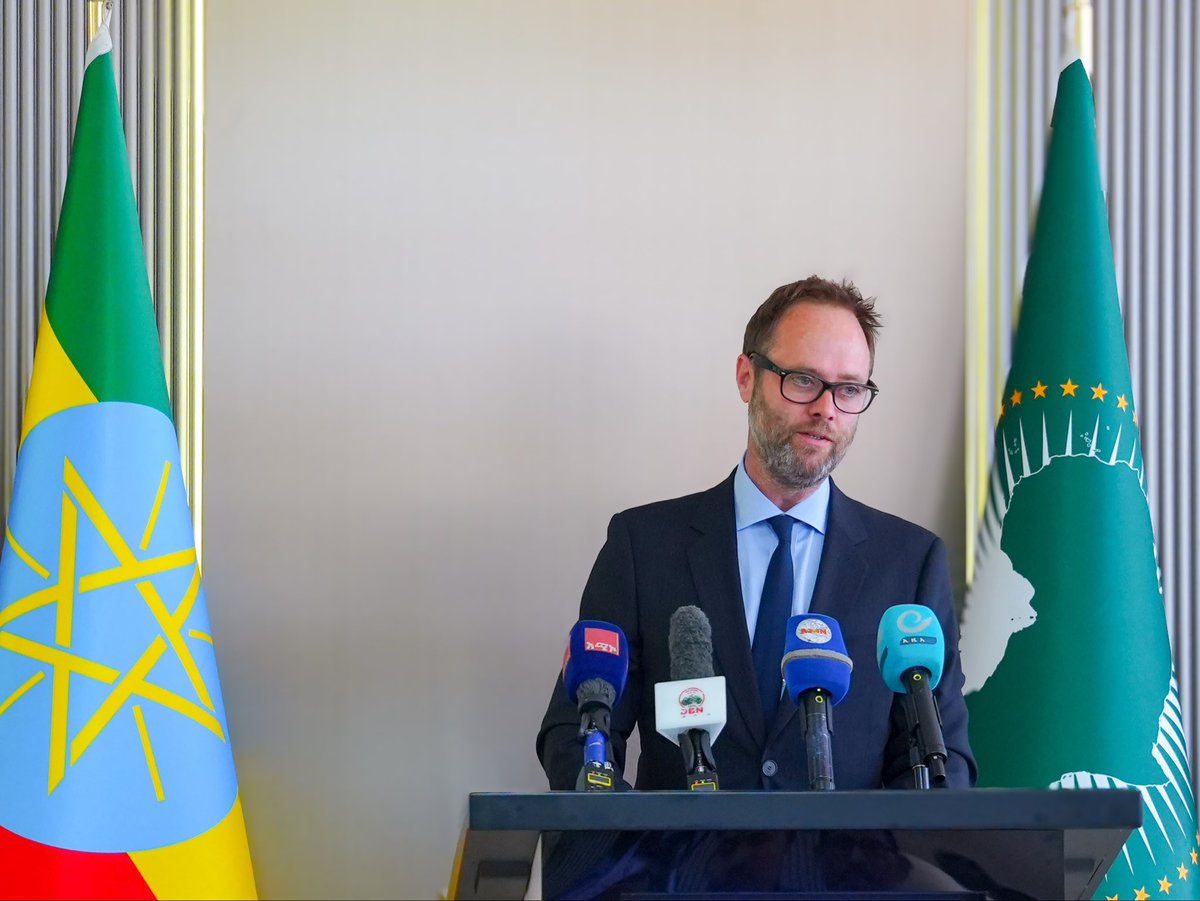
Le Ministère des Affaires étrangères a lancé un programme de réforme des ressources humaines sur trois ans pour moderniser son efficacité et renforcer ses compétences diplomatiques.
#Éthiopie #Diplomatie #Réforme #RelationsInternationales @MFAEthiopia

Français
@starr87531 @BMLenjiso I'm going next month.
Thanks you @BMLenjiso
@starr87531 collect the dust whenever you are
English


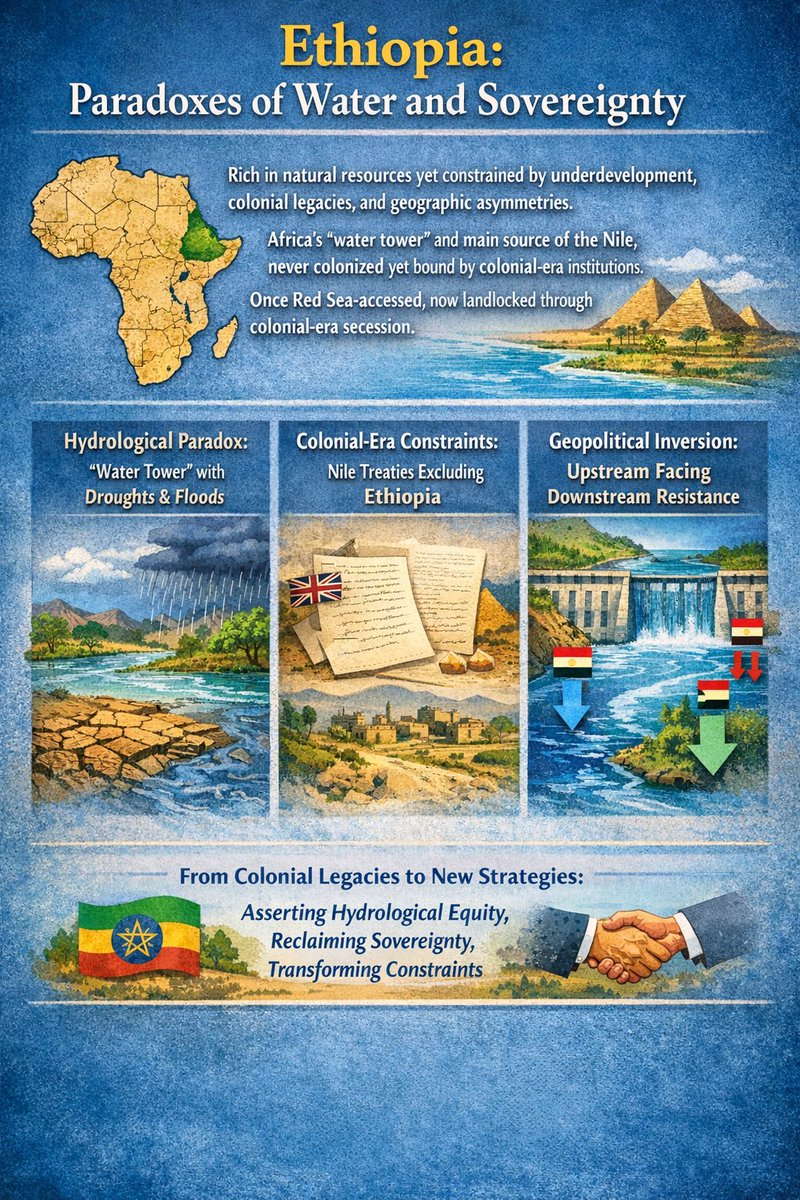
Ethiopia embodies striking contradictions in its water and geopolitical realities. The country rich in natural endowments is constrained by historical impositions, and geographic asymmetries. As Africa’s “water tower” and the primary source of the Nile, it holds vast freshwater resources. Yet despite never being formally colonized, it remains shaped by colonial-era institutions. A civilization with ancient Red Sea access, it became landlocked through a secession rooted in colonial boundary-making. These paradoxes arise not from scarcity, but from unequal power relations that constrain full sovereign use of its resources.
As the Nile’s main contributor, Ethiopia faces an unusual dilemma, its own waters are governed by legacies it never consented to. Colonial-era treaties, crafted to favor downstream states, excluded Ethiopia and continue to shape the basin’s politics.
Even more striking is its inverted geopolitical position: unlike typical upstream states, Ethiopia encounters resistance in developing resources within its own territory, reflecting entrenched asymmetries rather than hydrological logic.
Its loss of sea access mirrors this pattern. Despite a long maritime history, Ethiopia became landlocked after Eritrea’s 1993 secession, an outcome tied to earlier colonial fragmentation of its northern territories.
These interconnected paradoxes stem less from material limits than from inherited institutions and power imbalances. Today, through infrastructure development, diplomacy, and regional cooperation, Ethiopia is working to transform these constraints into opportunities, asserting hydrological equity, reclaiming strategic agency, and redefining its development trajectory.
English
@RoKhanna Don't go anywhere @RoKhanna. I respect your stance on victims.
@RepSwalwell was Bernie'd????
Why only sexual escaped amid so much alleged heinous crimes?
English
Sam you have always been a stand up leader and a man of faith. I appreciate all that you and your wife Jessica do for San Jose and our community. We are lucky to have you in DC modeling ethical leadership and I appreciate your raising these deep questions about a culture that needs to be reformed.
Rep. Sam Liccardo@RepLiccardo
I publicly urged Swalwell to resign three days ago, and his resignation provides some relief and vindication to survivors. We must thank and praise those courageous survivors who risked their reputations, careers, and emotional well-being to protect other women and halt his torrent of abuse. But we also must ask the harder question: for a man long rumored to menace young female coworkers, why did so many powerful people look the other way, and even support him? It is time for a reckoning.
English