
Ido Rog

94 posts

Ido Rog banner
Ido Rog

Ido Rog

@ido_rog

Postdoc at @vandeHeijdenLab @Agroscope @UZH_en | SNF postdoc fellow | Ph.D. from @WeizmannScience | Ecology | Physiology | Fungi | Carbon | Soil | Agriculture

Zurich, Switzerland เข้าร่วม Kasım 2016
694 กำลังติดตาม355 ผู้ติดตาม
ทวีตที่ปักหมุด
Ido Rog รีทวีตแล้ว
van der Heijden Lab
van der Heijden Lab@vandeHeijdenLab·
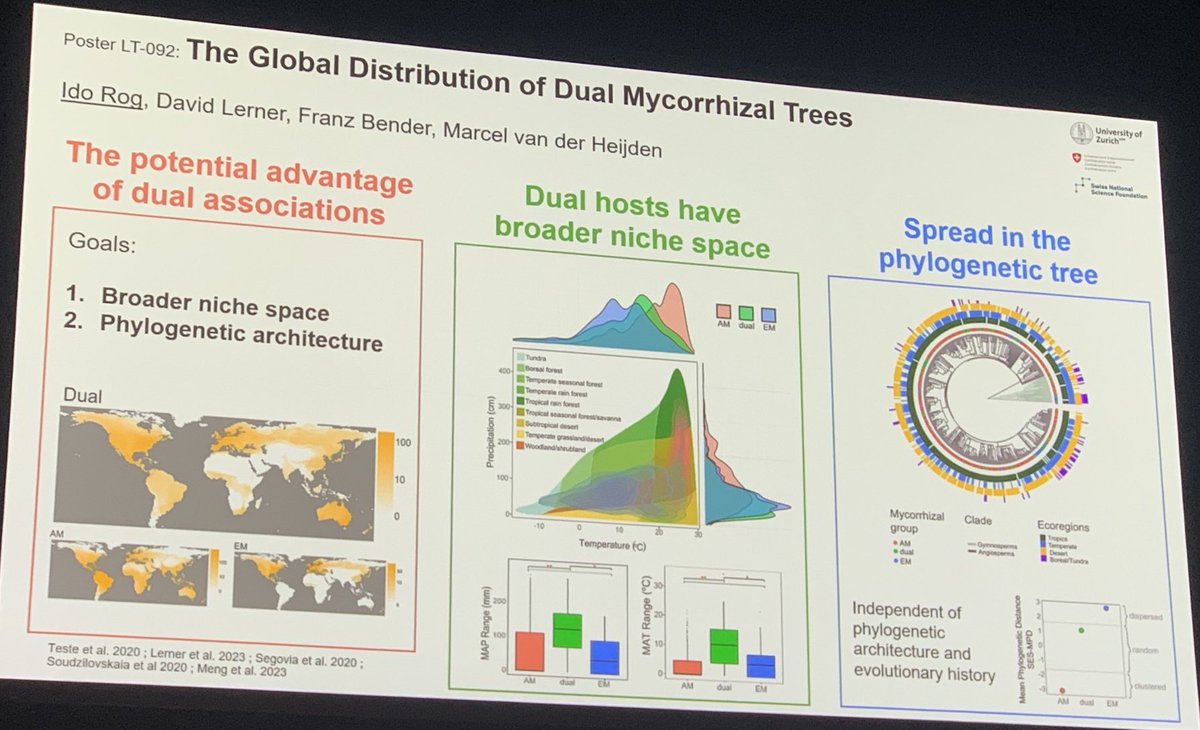
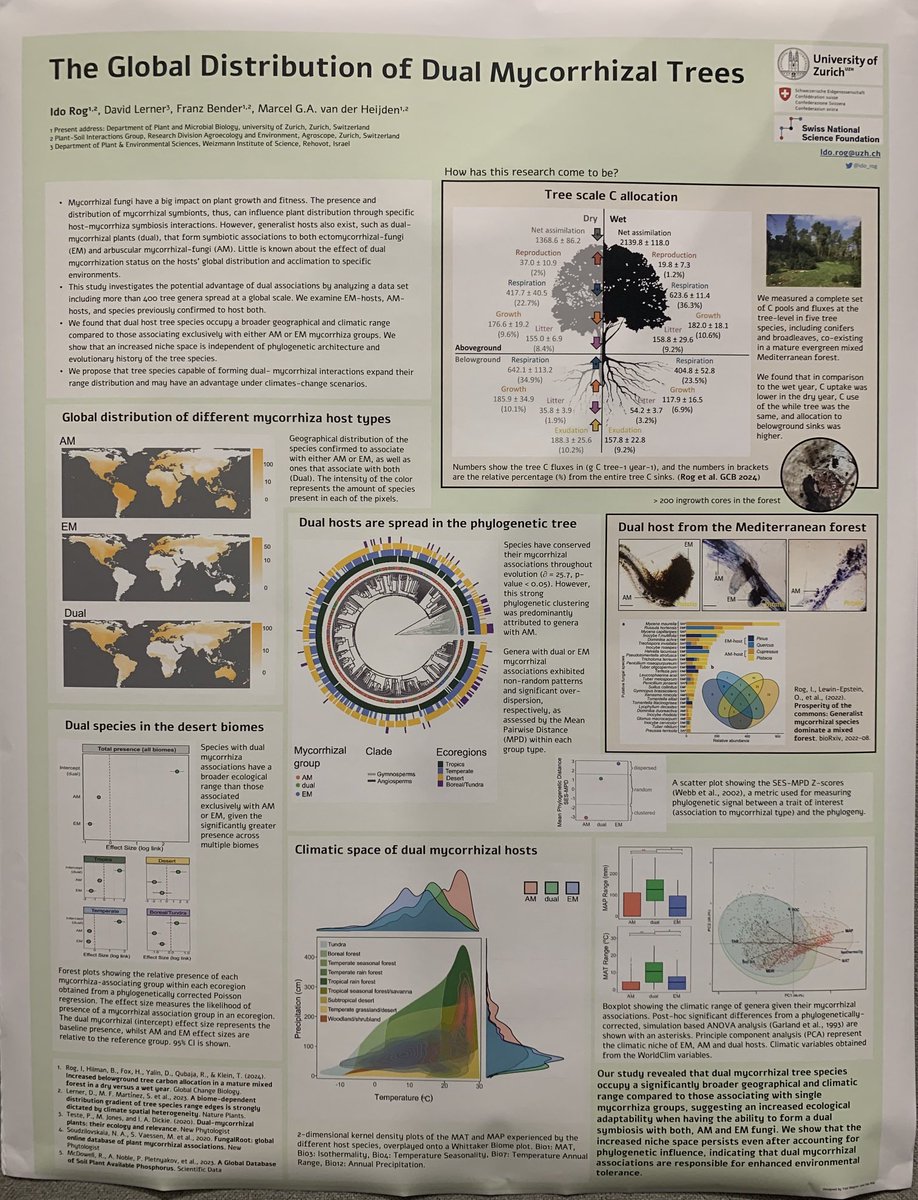
Polygamy in trees? New paper shows that dual associations with ecto- and arbuscular mycorrhizal fungi improve the host range and environmental niche of trees. Ecology Letters: Rog et al.: dx.doi.org/10.1111/ele.70… When trees and soil fungi form close associations with each other, both partners benefit. Many tree species have further enhanced this cooperation by forming a concurrent symbiosis with two different groups of mycorrhizal fungi. Those trees cope better with water and nutrient scarcity, which is an important trait for forestry in the face of climate warming. Despite having enormous root systems, trees often are unable to take up enough water and nutrients from soil to grow in a healthy manner. That’s why most terrestrial plants have formed symbiotic associations with fungi over the course of evolution. These mycorrhizal fungi, which either wrap themselves around roots or penetrate the cells of root systems, receive part of the sugar produced by plant photosynthesis from trees as a source of energy. In exchange, trees receive nutrients like phosphate and nitrate as well as water from the fungi in an unromantic marriage of convenience of sorts. Using more than 400 different tree species spread around the world as a basis, researchers at the University of Zurich (UZH) and Agroscope have shown that many of them have further improved this cooperation system. Although most tree species form an association only with certain single members of different groups of mycorrhizal fungi, “some woody plants form an alliance with two fungus varieties simultaneously,” says Ido Rog from the Department of Plant and Microbial Biology at UZH. The researchers now show that “bigamy” of this kind improves tree fitness, making trees less sensitive to drought and rendering them better able to cope with nutrient scarcity. “They thus are able to colonize a much larger territory than tree species that form a symbiosis with only one fungus type can,” lead author Rog says. The broader geographical range and the expanded environmental niche space occupied by those trees are independent of their phylogenetic architecture and evolutionary history. In forestry, this knowledge could be helpful in the future for selecting tree species specialized in dual fungal associations because they are likely to be better at coping with ongoing global warming and could be used to colonize dry climate zones,” UZH professor Marcel van der Heijden explains. Literature: Ido Rog, David Lerner, S. Franz Bender, Marcel G.A. van der Heijden. The increased environmental niche of dual‐mycorrhizal woody species. Ecology Letters. 15 May 2025. DOI: doi.org/10.1111/ele.70… Contact: Dr. Ido Rog Department of Plant and Microbial Biology University of Zurich ido.rog@uzh.ch
van der Heijden Lab tweet media
English
2
11
27
1.4K
Ido Rog รีทวีตแล้ว
van der Heijden Lab
van der Heijden Lab@vandeHeijdenLab·
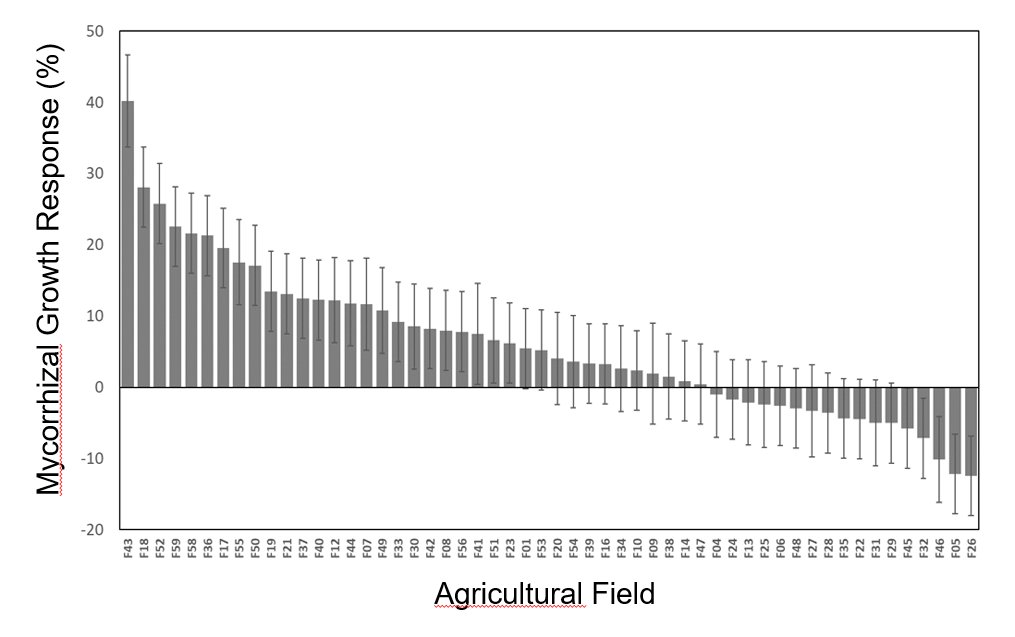
Microbial inoculation works best in fields with poor soil health and low productivity. In our new paper led by Ido Rog, with Stefanie Lutz, Franz Bender, Raphaël Boussageon, Antonin Lambach, Klaus Schlaeppi & Natacha Bodenhausen we show that mycorrhizal fungal inoculation success depends on soil health and crop productivity. It is based on our analysis of field inoculation trials of 54 fields. Further studies and models need to confirm our observations. It nicely summarizes what has been indicated or observed by others. Link: doi.org/10.1093/femsle…
van der Heijden Lab tweet media
English
2
21
79
3.2K
Ido Rog รีทวีตแล้ว
van der Heijden Lab
van der Heijden Lab@vandeHeijdenLab·
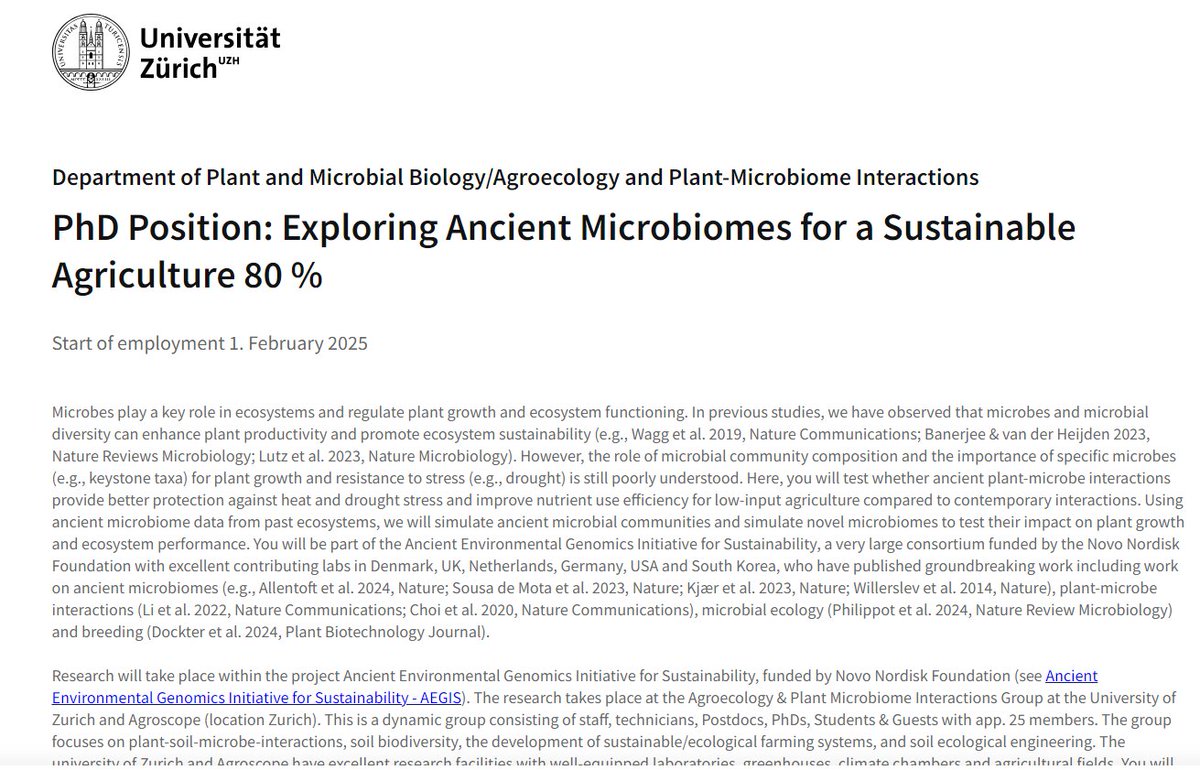
PhPosition: Exploring Ancient Microbiomes for a Sustainable Agriculture. Interested to explore how microbes influence plant growth and whether we can learn something from ancient microbiomes. Please apply (start Spring 2025). jobs.uzh.ch/job-vacancies/… This position is part of a very large and cool consortium, the Ancient Environmental Genomics Initiative for Sustainability (#AEGIS), funded by @ScienceCluster Novo Nordisk Foundation, Denmark. @SteffiLutz
van der Heijden Lab tweet media
English
1
89
217
22.9K
Ido Rog รีทวีตแล้ว
Luke Florence
Luke Florence@LukeLikesDirt·
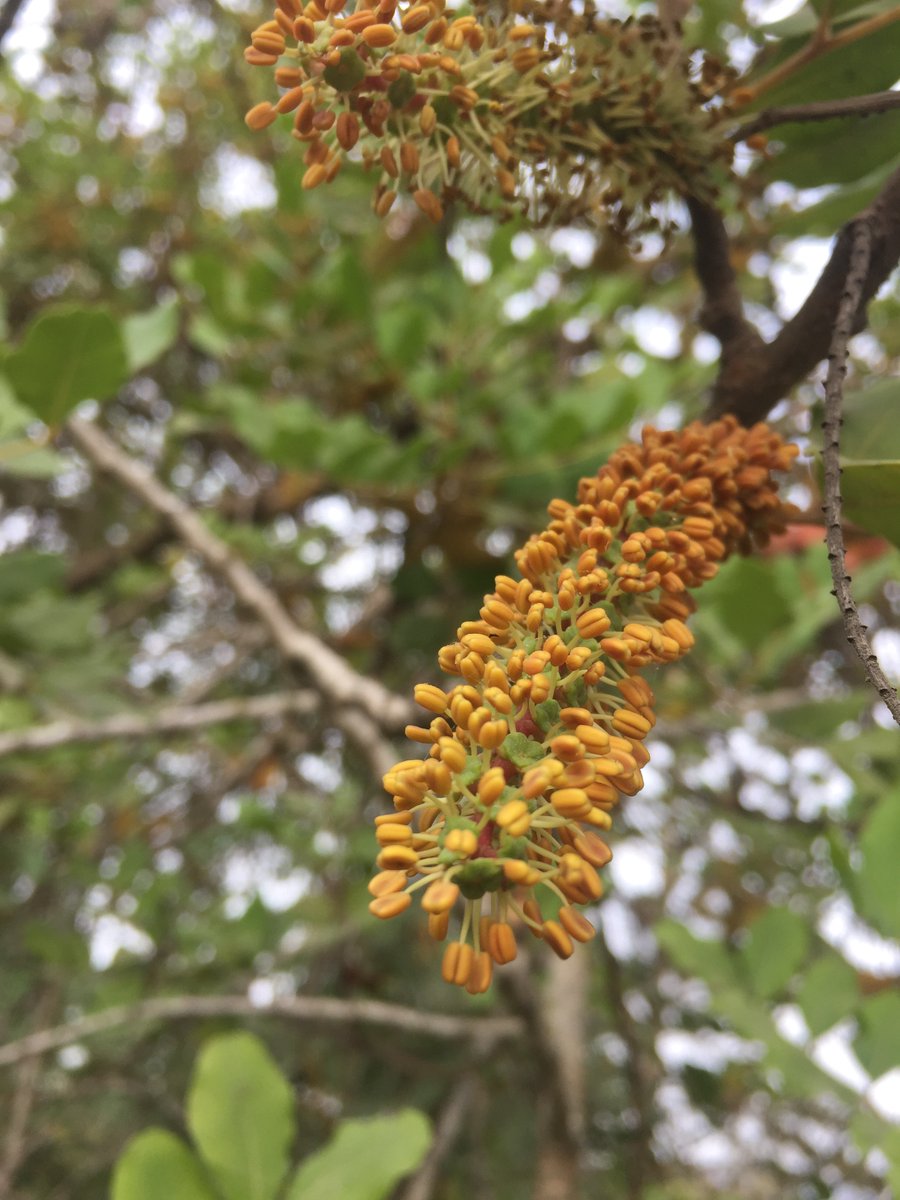
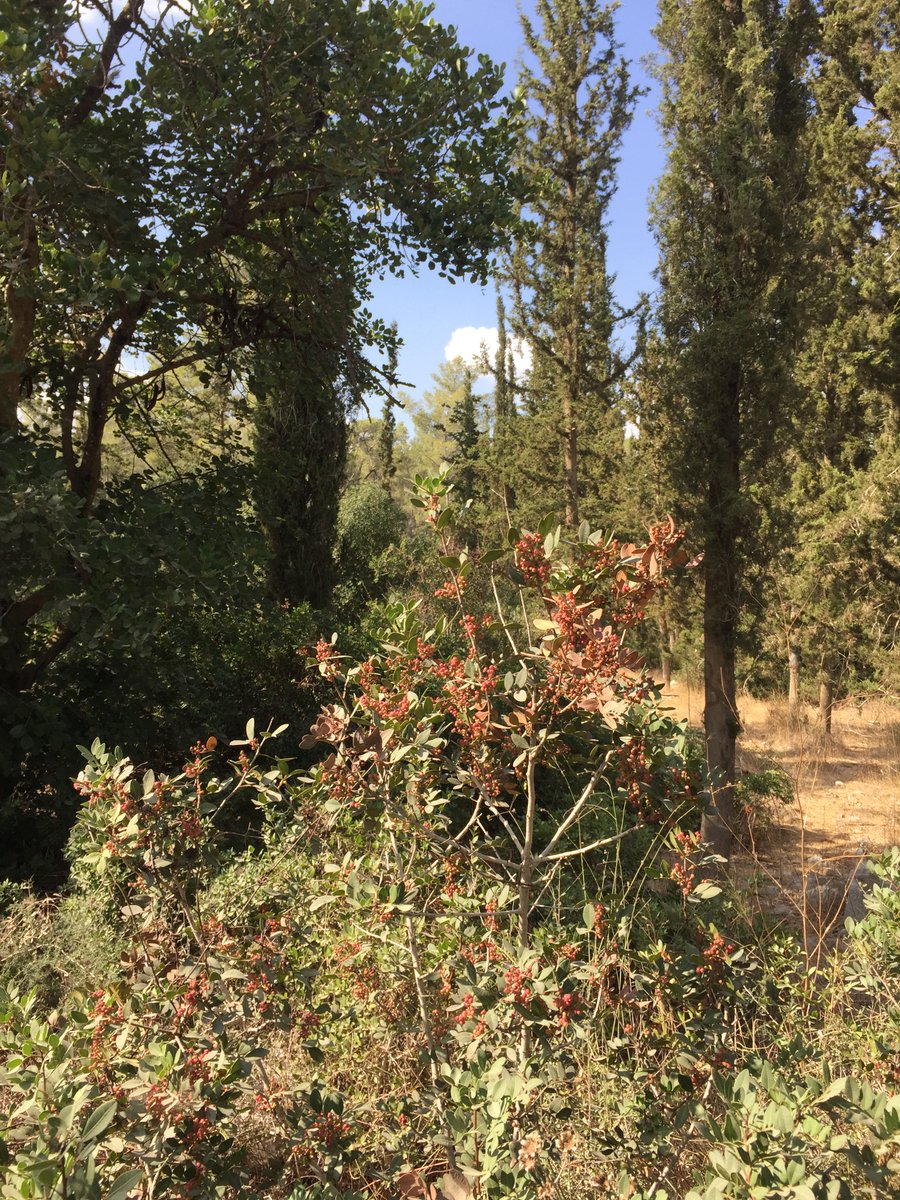
Research by @ido_rog@vandeHeijdenLab⁩ shows that dual mycorrhizal trees are more ecologically flexible in climate space at the global scale. Looking forward to seeing this work in print! #ICOM12 @ICOM_12
Luke Florence tweet mediaLuke Florence tweet media
English
1
5
13
956
Functional Ecology
Functional Ecology@FunEcology·
📰Published📰 Trees transfer a variety of carbon compounds to their mushroom partners in the forest dlvr.it/T3z7Tx
English
1
3
9
3.6K
Daphna Uni
Daphna Uni@Daphnauni·
Happy to share that I started my Postdoc at the University of Arizona a few weeks ago. Joining Earth Dynamic Observatory Lab led by @Wkolby. Super excited to be here, to combine tree ecophysiology with remote sensing tools in Arid ecosystems! A new chapter in our family journey
Daphna Uni tweet media
English
6
3
36
1.9K
Prof. Katie Field
Prof. Katie Field@KatieField4·
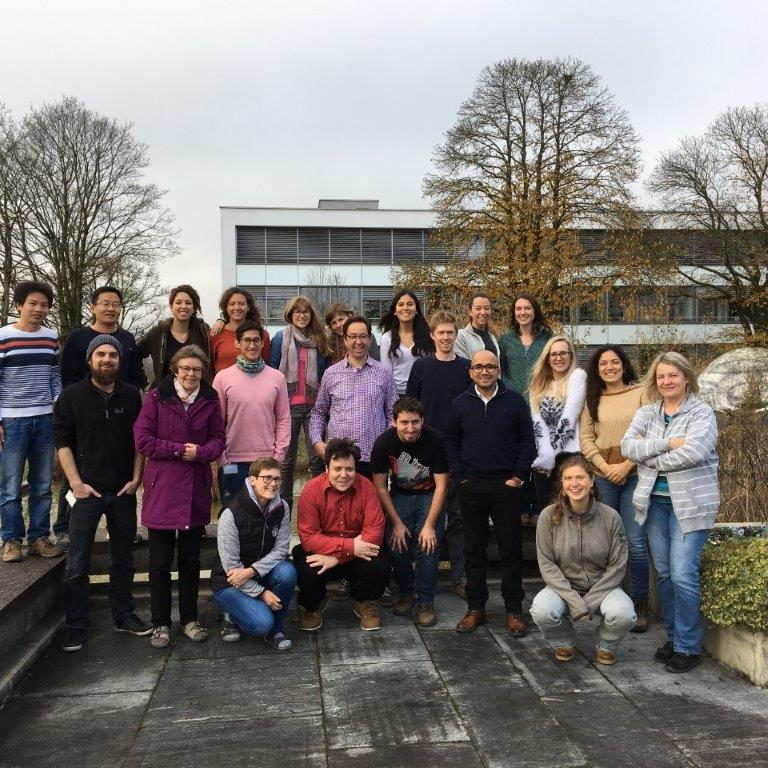
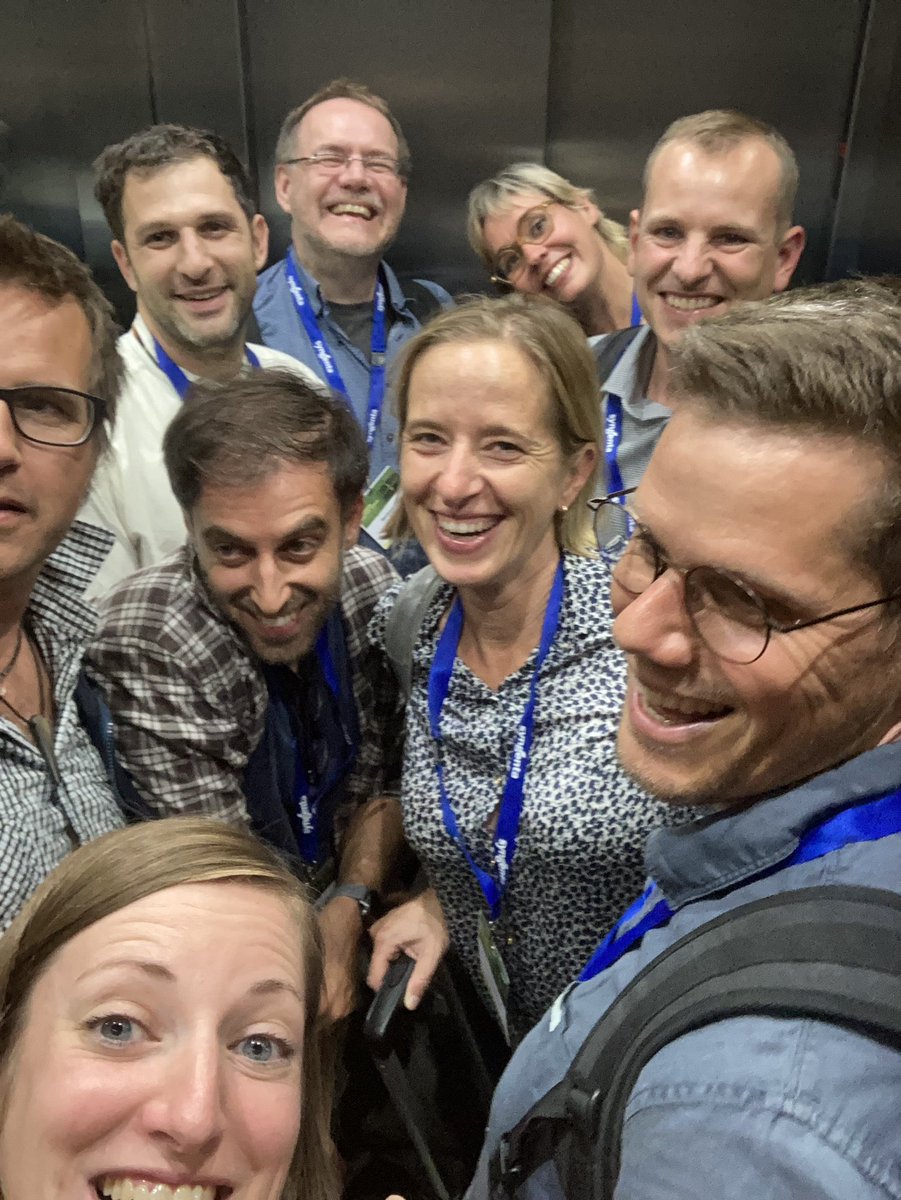
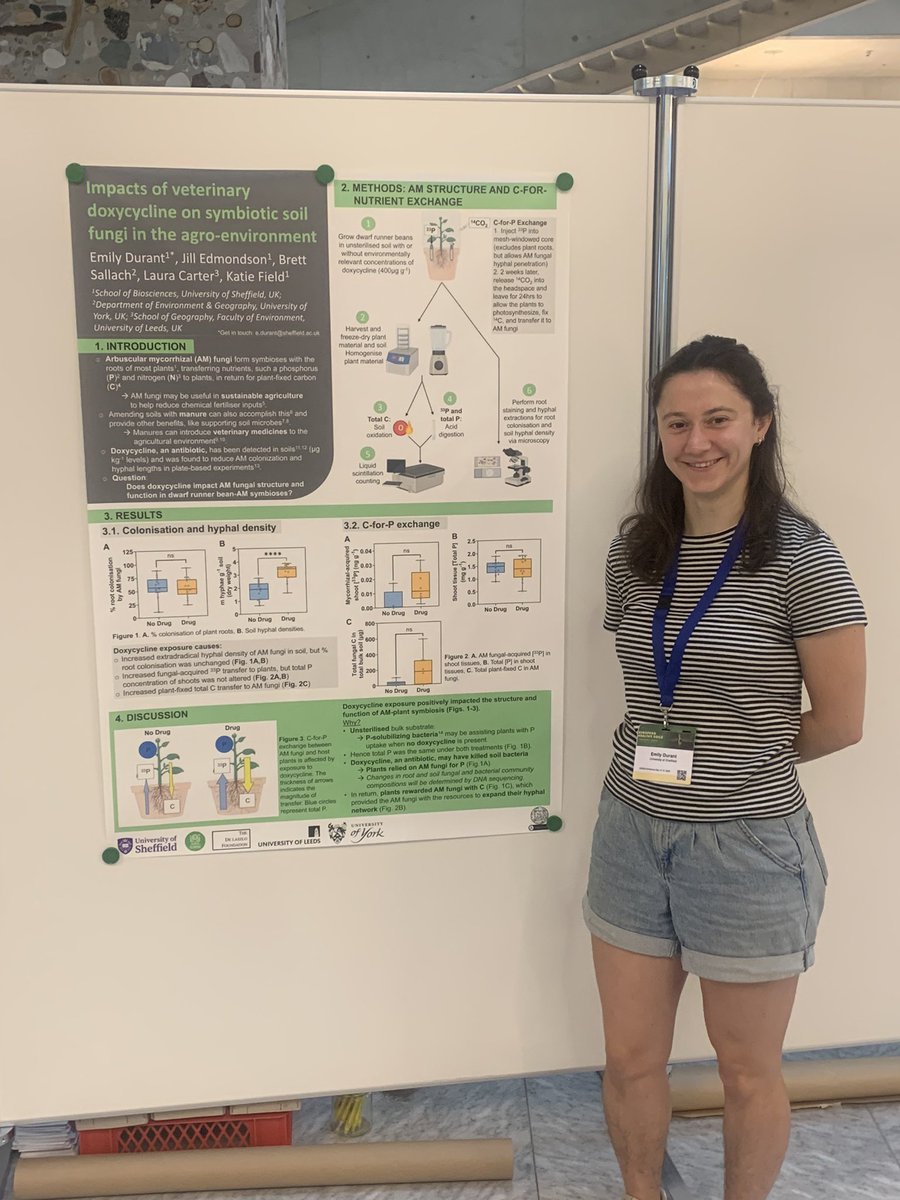
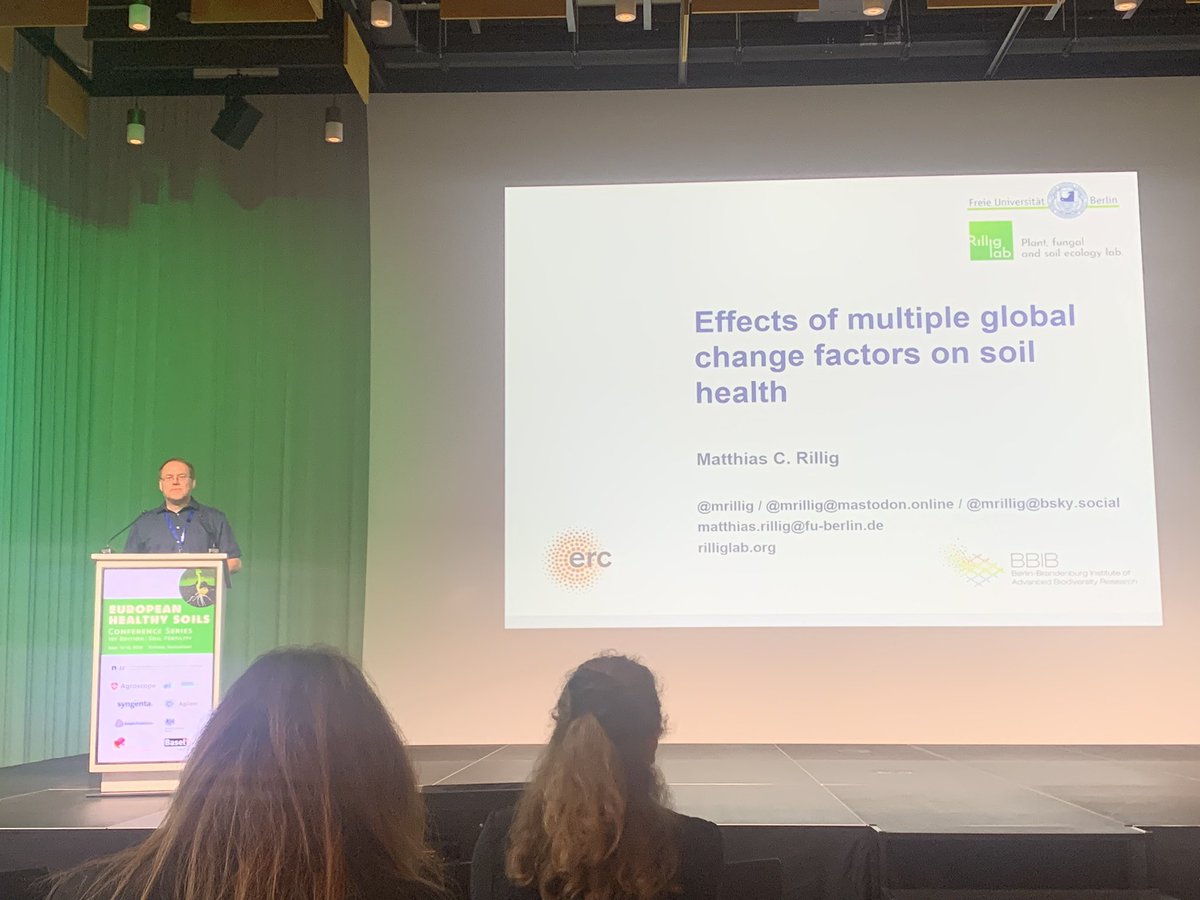
Highlights for me included @SFranzBender1’s use of underpants to find out & teach people about soil health, hanging out & chatting all things soil ecology & global change with @mrillig, @SteffiLutz, @fl_walder, @ido_rog & Emily Durant’s presentation of her first data from PhD 🤩
Prof. Katie Field tweet mediaProf. Katie Field tweet mediaProf. Katie Field tweet media
English
1
1
6
509
Prof. Katie Field
Prof. Katie Field@KatieField4·
Home after a super couple of days in Muttenz for the 1st European #HealthySoils2023 meeting - a really exciting and motivating conference, loved every minute - esp grateful for the chance to meet up with friends & collaborators, old & new! Thanks for inviting me ❤️🍄🌱
English
1
0
6
1K