Ma. Carmen Cabrera-Loayza 👩🏻‍💻 🇪🇨

3.2K posts

Ma. Carmen Cabrera-Loayza 👩🏻‍💻 🇪🇨 banner
Ma. Carmen Cabrera-Loayza 👩🏻‍💻 🇪🇨

Ma. Carmen Cabrera-Loayza 👩🏻‍💻 🇪🇨

@krmita

Teaching and early stage researcher in #semanticWeb #oers #opendata #learningAnalytics #educationalDataMining #educationalApplication in @UTPL

Loja, Ecuador เข้าร่วม Nisan 2007
778 กำลังติดตาม581 ผู้ติดตาม
Ma. Carmen Cabrera-Loayza 👩🏻‍💻 🇪🇨 รีทวีตแล้ว
IA Y Educación
IA Y Educación@iayeducacion·
Acercando la investigación educativa con @NotebookLM ¿Tienes 8 min 53 s? Guía GenAI in Assessment! 🎓 El AI in Assessment Working Group, liderado por @ruthslotnick Te dejo vídeo, presentación e infografÍA 🔗mass.edu/strategic/docu… Sigue 🧵
Español
1
58
221
9.5K
Ma. Carmen Cabrera-Loayza 👩🏻‍💻 🇪🇨 รีทวีตแล้ว
Sonal Shukla
Sonal Shukla@sonalshukla3377·
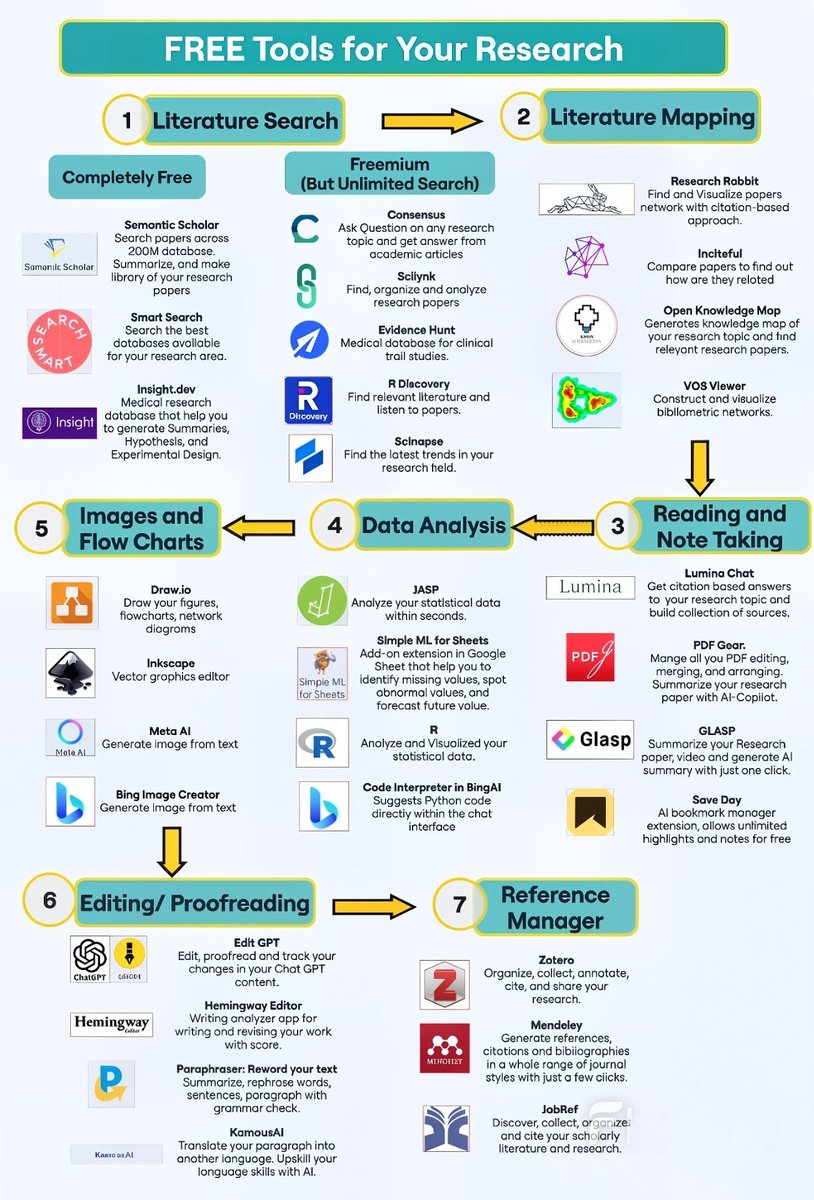
👉 FREE Tools for Your Research ➡️ This 7-step academic research workflow highlights free and freemium digital tools that help researchers move smoothly from literature discovery to reference management, without heavy costs or complexity. ➡️ 1. Literature Search 🔹 Completely Free: Semantic Scholar, Smart Search, Insight. dev 🔹 Freemium: Consensus, Scispace, Evidence Hunt, R Discovery, Scinapse ➡️ 2. Literature Mapping 🔹 Research Rabbit 🔹 Inciteful 🔹 Open Knowledge Maps 🔹 VOSviewer ➡️ 3. Reading and Note Taking 🔹 Lumina Chat 🔹 PDF Gear 🔹 GLASP 🔹 Save Day ➡️ 4. Data Analysis 🔹 JASP 🔹 Simple ML for Sheets 🔹 R 🔹 Code Interpreter in BingAI ➡️ 5. Images and Flow Charts 🔹 Draw. io 🔹 Inkscape 🔹 Meta AI 🔹 Bing Image Creator ➡️ 6. Editing / Proofreading 🔹 Edit GPT 🔹 Hemingway Editor 🔹 Paraphraser 🔹 KamousAI ➡️ 7. Reference Manager 🔹 Zotero 🔹 Mendeley 🔹 JabRef Used together, these tools create a practical end-to-end research system that saves time, improves clarity, and supports high-quality academic output especially for students and independent researchers. ❤️ Like 🔁 Retweet 🔖 Bookmark Follow @sonalshukla3377 for more such posts
Sonal Shukla tweet media
English
49
189
690
27.4K
Ma. Carmen Cabrera-Loayza 👩🏻‍💻 🇪🇨 รีทวีตแล้ว
Vicent Gadea | IA
Vicent Gadea | IA@vicentgadea·
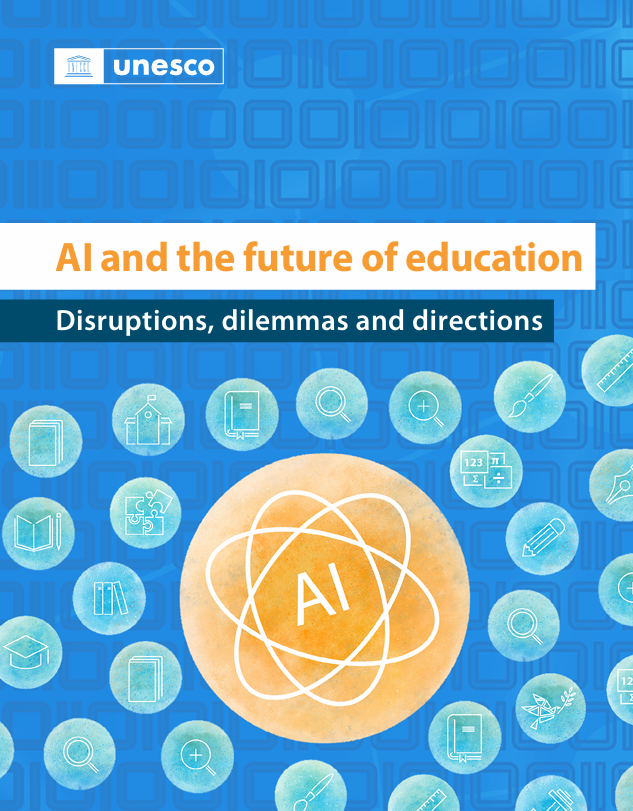
La @UNESCO_es ha publicado el informe AI and the Future of Education. Disruptions, dilemmas and directions (2025). No es un texto para leer en diagonal ni una lista de recomendaciones rápidas. Es más bien una advertencia tranquila. La IA no entra en educación solo como un conjunto de nuevas herramientas, sino como un amplificador de tensiones que ya estaban ahí y que ahora se vuelven imposibles de seguir ignorando. El informe insiste en algo que llevo tiempo observando en centros y universidades. El problema no es tanto la velocidad tecnológica como la asimetría entre innovación técnica y capacidad pedagógica para absorberla. La IA avanza más rápido que nuestra manera de pensar el aprendizaje, la evaluación y la responsabilidad educativa. Hay varias ideas que merece la pena subrayar. - La primera es que no basta con formar en el uso de la IA. Si no se rediseñan tareas, criterios y evidencias de aprendizaje, la formación se queda en la superficie y acaba siendo cosmética. - La segunda es que la equidad no se resuelve simplemente dando acceso a herramientas. Se juega en las condiciones reales de aprendizaje y, sobre todo, en que el criterio pedagógico no se delegue, aunque técnicamente sea posible hacerlo. - La tercera es quizá la más incómoda. Si no repensamos qué evaluamos y por qué, la IA no va a “romper” la educación, pero sí puede vaciar de sentido muchas prácticas que ya estaban agotadas antes de su llegada. La UNESCO no propone prohibiciones ni soluciones mágicas. Plantea dilemas. Gobernanza, ética, agencia humana, rol del profesorado, sentido del aprendizaje en contextos cada vez más automatizados. Y ahí está, para mí, el verdadero valor del informe. Obliga a parar y a pensar antes de reaccionar. Leyéndolo, es difícil no ver la necesidad de marcos que ayuden a tomar decisiones con calma y criterio en los centros. No para decidir por nosotros, sino para ordenar el análisis antes de actuar. En ese plano encaja el SEIA, como una forma de trasladar a contextos reales muchas de las preguntas que el informe plantea a escala global: qué diseñamos, qué evaluamos, qué responsabilidad asumimos y qué decidimos no delegar. El futuro de la educación con IA no se juega en la herramienta, sino en el diseño. En cómo distribuimos la responsabilidad. En qué seguimos exigiendo al estudiante. Y en qué decidimos no delegar, aunque sea técnicamente posible. Si quieres acceder al informe completo, escríbeme “UNESCO” en los comentarios y te paso el enlace de acceso. Leerlo no resuelve el problema. Pero ayuda a formular mejor las preguntas. Y ahora mismo, en educación, eso ya es mucho. #edtech #UNESCO #IA #AI
Vicent Gadea | IA tweet media
Español
94
499
1.2K
64.3K
Ma. Carmen Cabrera-Loayza 👩🏻‍💻 🇪🇨 รีทวีตแล้ว
Scholarship for PhD
Scholarship for PhD@ScholarshipfPhd·
Scholarship for PhD tweet media
ZXX
3
189
1.2K
82.4K
Ma. Carmen Cabrera-Loayza 👩🏻‍💻 🇪🇨 รีทวีตแล้ว
Scholarship for PhD
Scholarship for PhD@ScholarshipfPhd·
How to Review a Research Paper (5 Key Questions) - Thread-
Scholarship for PhD tweet media
English
2
98
421
34.3K
Ma. Carmen Cabrera-Loayza 👩🏻‍💻 🇪🇨 รีทวีตแล้ว
Prof Lennart Nacke, PhD
Prof Lennart Nacke, PhD@acagamic·
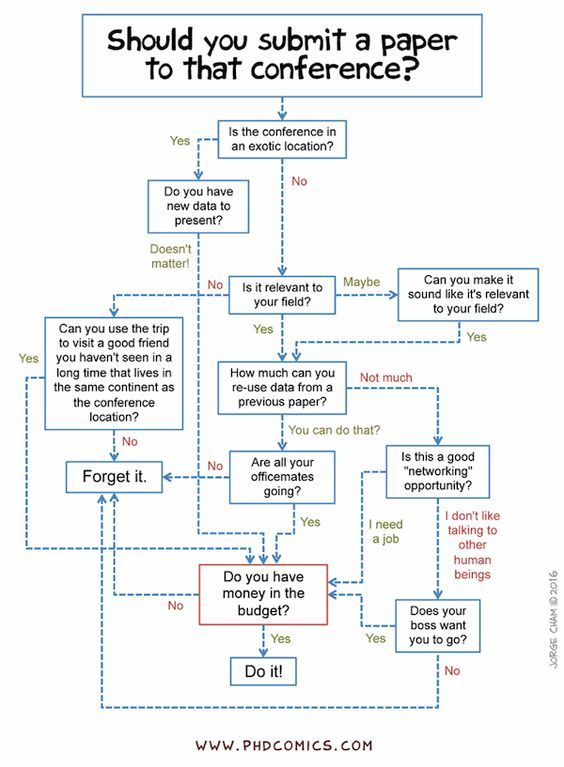
One of my favourite decision graphs from PhD Comics. Especially relevant today that one of my PhD students got accepted to go to a conference in Hawaii...
Prof Lennart Nacke, PhD tweet media
English
1
57
255
21.7K
Ma. Carmen Cabrera-Loayza 👩🏻‍💻 🇪🇨 รีทวีตแล้ว
Prof Lennart Nacke, PhD
Prof Lennart Nacke, PhD@acagamic·
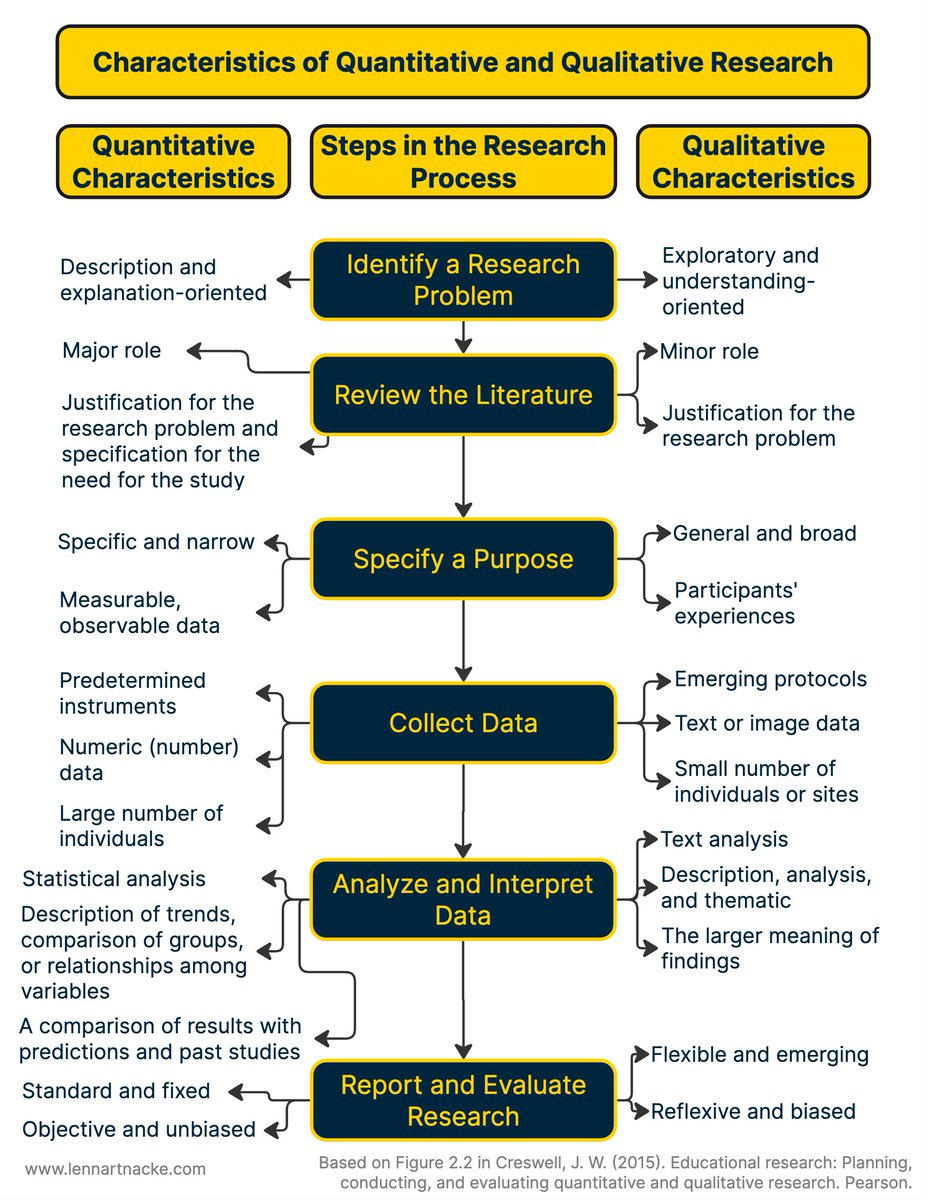
Characteristics of quantitative and qualitative Research (based on Creswell)
Prof Lennart Nacke, PhD tweet media
English
2
78
375
34.6K
Ma. Carmen Cabrera-Loayza 👩🏻‍💻 🇪🇨 รีทวีตแล้ว
MisterChip (Alexis)
MisterChip (Alexis)@2010MisterChip·
Ahí va el tuit que estabais todos esperando… Si el Real Madrid elimina hoy al Arsenal sortearé MIL EUROS entre todos los seguidores que den RT.
Español
827
25.3K
19.5K
2.1M
Ma. Carmen Cabrera-Loayza 👩🏻‍💻 🇪🇨 รีทวีตแล้ว
Virginio Gallardo
Virginio Gallardo@virginiog·
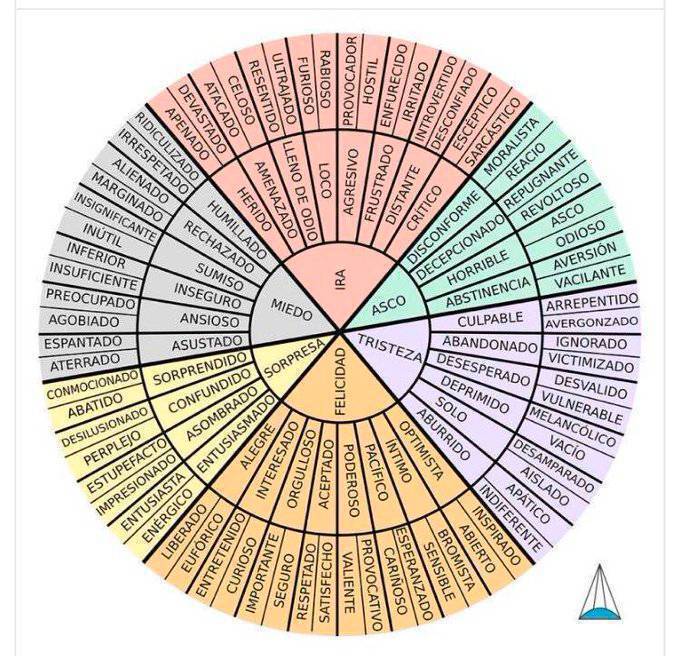
La rueda de las emociones
Virginio Gallardo tweet media
Español
9
281
1.2K
94.2K
Ma. Carmen Cabrera-Loayza 👩🏻‍💻 🇪🇨 รีทวีตแล้ว
Virginio Gallardo
Virginio Gallardo@virginiog·
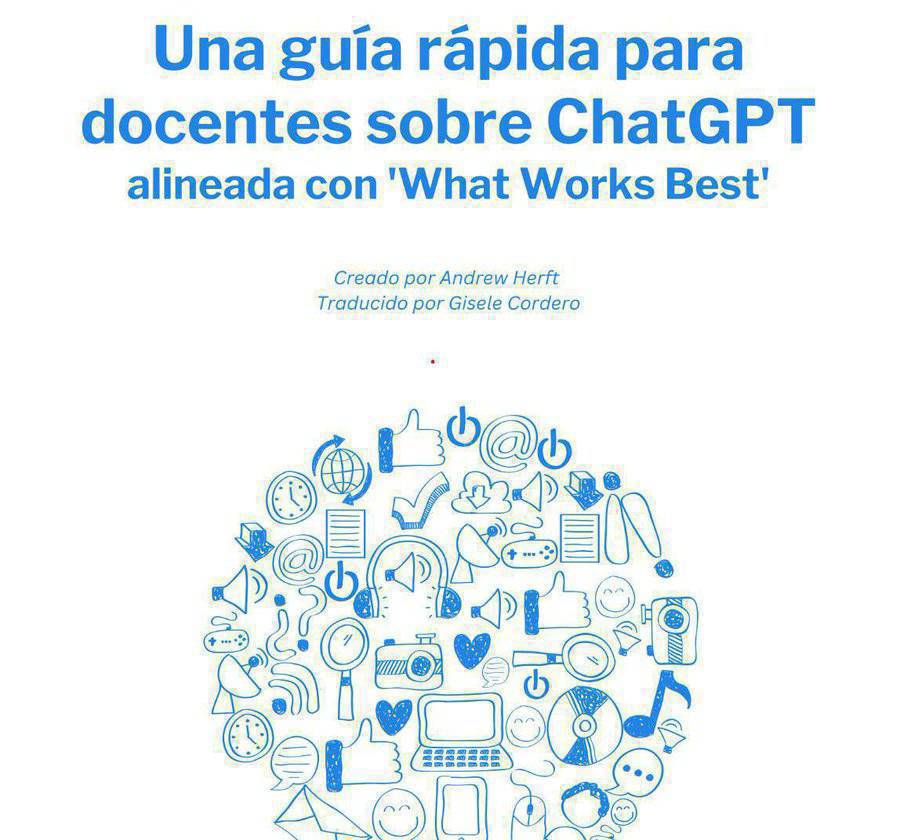
Una guía rápida para docentes sobre ChatGPT alineada con 'What Works Best' por Andrew Herft ciberespiral.org/es/el-odite-pr…
Virginio Gallardo tweet media
Español
2
111
316
26K
Ma. Carmen Cabrera-Loayza 👩🏻‍💻 🇪🇨 รีทวีตแล้ว
Victor
Victor@victor_explore·
Complete course on Machine Learning: - 23 lectures with detailed course notes - 30+ hours of lecture videos - 20+ implementations of ML algorithms in Python (link in comment)
Victor tweet media
English
3
92
497
34.7K
Ma. Carmen Cabrera-Loayza 👩🏻‍💻 🇪🇨 รีทวีตแล้ว
Victor
Victor@victor_explore·
A nice cheat sheet of important ML terms (link in comment)
Victor tweet media
English
3
89
643
29.7K
Ma. Carmen Cabrera-Loayza 👩🏻‍💻 🇪🇨 รีทวีตแล้ว
Faheem Ullah
Faheem Ullah@Faheem_uh·
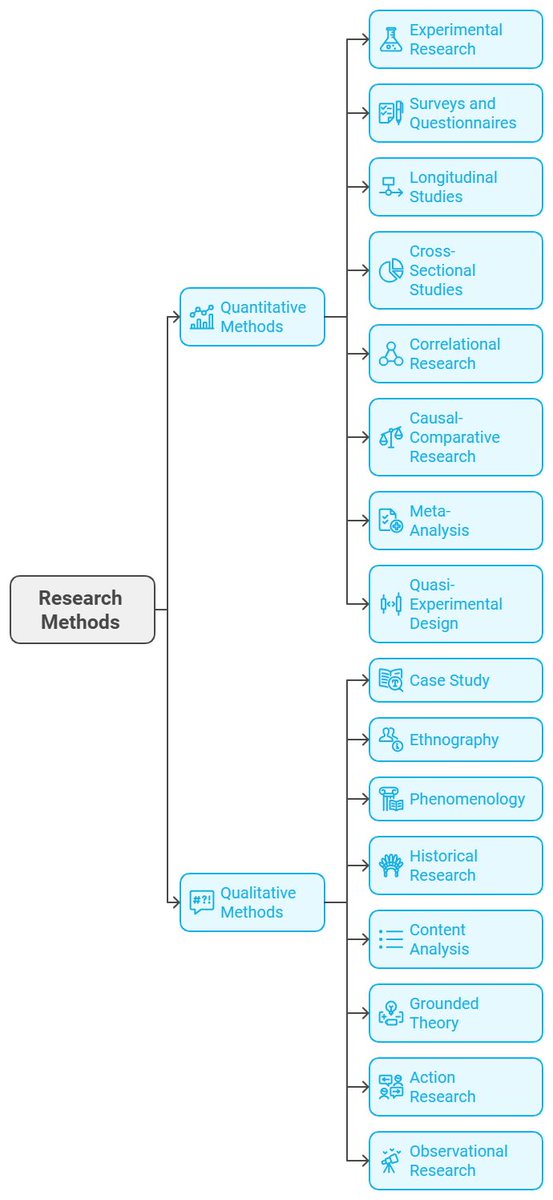
PhD Students - What are the different research methods you can use? Here is a list of 16 research methods you can use for your research. 𝐏𝐫𝐢𝐦𝐚𝐫𝐢𝐥𝐲 𝐐𝐮𝐚𝐧𝐭𝐢𝐭𝐚𝐭𝐢𝐯𝐞 𝐌𝐞𝐭𝐡𝐨𝐝𝐬 𝟏. 𝐄𝐱𝐩𝐞𝐫𝐢𝐦𝐞𝐧𝐭𝐚𝐥 𝐑𝐞𝐬𝐞𝐚𝐫𝐜𝐡: Manipulates variables to determine cause and effect. 𝟐. 𝐒𝐮𝐫𝐯𝐞𝐲𝐬 𝐚𝐧𝐝 𝐐𝐮𝐞𝐬𝐭𝐢𝐨𝐧𝐧𝐚𝐢𝐫𝐞𝐬: Collects data from a large number of respondents using structured questions. 𝟑. 𝐋𝐨𝐧𝐠𝐢𝐭𝐮𝐝𝐢𝐧𝐚𝐥 𝐒𝐭𝐮𝐝𝐢𝐞𝐬: Observes the same subjects over a period of time to detect changes. 𝟒. 𝐂𝐫𝐨𝐬𝐬-𝐒𝐞𝐜𝐭𝐢𝐨𝐧𝐚𝐥 𝐒𝐭𝐮𝐝𝐢𝐞𝐬: Analyzes data from a population at a specific point in time. 𝟓. 𝐂𝐨𝐫𝐫𝐞𝐥𝐚𝐭𝐢𝐨𝐧𝐚𝐥 𝐑𝐞𝐬𝐞𝐚𝐫𝐜𝐡: Investigates the relationship between two or more variables without manipulating them. 𝟔. 𝐂𝐚𝐮𝐬𝐚𝐥-𝐂𝐨𝐦𝐩𝐚𝐫𝐚𝐭𝐢𝐯𝐞 𝐑𝐞𝐬𝐞𝐚𝐫𝐜𝐡: Compares two groups to identify the cause or effect of differences. 𝟕. 𝐌𝐞𝐭𝐚-𝐀𝐧𝐚𝐥𝐲𝐬𝐢𝐬: Combines results from multiple studies to identify trends or common findings. 𝟖. 𝐐𝐮𝐚𝐬𝐢-𝐄𝐱𝐩𝐞𝐫𝐢𝐦𝐞𝐧𝐭𝐚𝐥 𝐃𝐞𝐬𝐢𝐠𝐧: Resembles experimental research but lacks random assignment to control and experimental groups. 𝐏𝐫𝐢𝐦𝐚𝐫𝐢𝐥𝐲 𝐐𝐮𝐚𝐥𝐢𝐭𝐚𝐭𝐢𝐯𝐞 𝐌𝐞𝐭𝐡𝐨𝐝𝐬 𝟗. 𝐂𝐚𝐬𝐞 𝐒𝐭𝐮𝐝𝐲: In-depth study of a single subject or group to explore an underlying principle or situation. 𝟏𝟎. 𝐄𝐭𝐡𝐧𝐨𝐠𝐫𝐚𝐩𝐡𝐲: Studies cultural groups in their natural environment through participant observation and interviews. 𝟏𝟏. 𝐏𝐡𝐞𝐧𝐨𝐦𝐞𝐧𝐨𝐥𝐨𝐠𝐲: Focuses on individuals' subjective experiences and interpretations of the world. 𝟏𝟐. 𝐇𝐢𝐬𝐭𝐨𝐫𝐢𝐜𝐚𝐥 𝐑𝐞𝐬𝐞𝐚𝐫𝐜𝐡: Examines past events to draw conclusions about the past and project potential future outcomes. 𝟏𝟑. 𝐂𝐨𝐧𝐭𝐞𝐧𝐭 𝐀𝐧𝐚𝐥𝐲𝐬𝐢𝐬: Systematically analyzes the content of communication to interpret patterns and meanings. 𝟏𝟒. 𝐆𝐫𝐨𝐮𝐧𝐝𝐞𝐝 𝐓𝐡𝐞𝐨𝐫𝐲: Generates a theory based on data collected from fieldwork observations. 𝟏𝟓. 𝐀𝐜𝐭𝐢𝐨𝐧 𝐑𝐞𝐬𝐞𝐚𝐫𝐜𝐡: Involves iterative problem-solving led by individuals working with others in teams or as part of a "community of practice." 𝟏𝟔. 𝐎𝐛𝐬𝐞𝐫𝐯𝐚𝐭𝐢𝐨𝐧𝐚𝐥 𝐑𝐞𝐬𝐞𝐚𝐫𝐜𝐡: Observes subjects in their natural environment without interference.
Faheem Ullah tweet media
English
5
127
394
29.7K
Ma. Carmen Cabrera-Loayza 👩🏻‍💻 🇪🇨 รีทวีตแล้ว
Prof Lennart Nacke, PhD
Prof Lennart Nacke, PhD@acagamic·
This quick guide to data visualization will save your life. (I learned this after messing up 100+ charts) Ever stared at your data and thought: "Bar chart? Line graph? Scatter plot?" After reviewing 1000+ visualizations, here's what nobody tells you:
Prof Lennart Nacke, PhD tweet media
English
6
99
417
41.2K
Ma. Carmen Cabrera-Loayza 👩🏻‍💻 🇪🇨 รีทวีตแล้ว
Faheem Ullah
Faheem Ullah@Faheem_uh·
PhD Students - Here are the 50 most useful tools for researchers. 𝐋𝐢𝐭𝐞𝐫𝐚𝐭𝐮𝐫𝐞 𝐑𝐞𝐯𝐢𝐞𝐰 1. @LitmapsApp 2. @ResearchPal 3. @ConnectedPapers 4. @Scite 5. @answerthisio 6. @SemanticScholar 7. @R_Discovery 8. PubMed 9. @zotero 10. @EndNoteNews 11. @mendeley_com 𝐏𝐚𝐩𝐞𝐫 𝐖𝐫𝐢𝐭𝐢𝐧𝐠 1. @teampaperpal 2. @Reviewit 3. @thetrinkaai 4. @scispace 5. @Grammarly 6. @overleaf 7. @googledocs 8. @scrivener 9. @juliusai 10. Hemingway Editor 𝐑𝐞𝐬𝐞𝐚𝐫𝐜𝐡 𝐏𝐫𝐞𝐬𝐞𝐧𝐭𝐚𝐭𝐢𝐨𝐧 1. @canva 2. @mindthegraph 3. @BeautifulAI_ 4. @gammaapp 5. @piktochart 6. Designsai 7. @VismeApp 8. @prezi 9. @infogram 10. Vizzlo 𝐏𝐚𝐩𝐞𝐫 𝐑𝐞𝐚𝐝𝐢𝐧𝐠 1. @Scholarcy 2. @EnagoRead 3. @sci_summary 4. @ScribeaiHQ 5. Petal AI 6. @Outreadofficial 7. Paper Digest 8. PubReader 9. DeepDyve 𝐃𝐚𝐭𝐚 𝐀𝐧𝐚𝐥𝐲𝐬𝐢𝐬 1. @spss 2. @tableau 3. @PowerBI 4. @NVivoSoftware 5. @Minitab 6. @msexcel 7. @clcoding 8. @googlesheets 9. JASP How to use them? For this, check my YouTube: @DrFaheemUllah" target="_blank" rel="nofollow noopener">youtube.com/@DrFaheemUllah Any other tool you'd like to add?
Faheem Ullah tweet media
English
39
1K
3.8K
411.1K
Ma. Carmen Cabrera-Loayza 👩🏻‍💻 🇪🇨 รีทวีตแล้ว
KimiF1
KimiF1@Kimi_WCH·
Dado que quiero estudiar periodismo y he vivido esta DANA en primera persona he decidido traeros un hilo con todos los archivos que he recopilado de la tragedia, cosas que no veréis en otros medios y que creo que ayudará a la gente a ver la situación en la que se encuentran los pueblos afectados. RT se AGRADECE
KimiF1 tweet media
Español
968
28.5K
77.3K
14.3M
Ma. Carmen Cabrera-Loayza 👩🏻‍💻 🇪🇨 รีทวีตแล้ว
Prof Lennart Nacke, PhD
Prof Lennart Nacke, PhD@acagamic·
What should you call your academic event? Another great flowchart from PhD Comics.
Prof Lennart Nacke, PhD tweet media
English
27
655
3.2K
512K