Kenneth Muhangi

4.7K posts

Kenneth Muhangi banner
Kenneth Muhangi

Kenneth Muhangi

@xcenneth

Know Thyself; Weary Stranger. Partner TMT/IP, Sustainability at KTA Advocates, Chair TMT EA Law Society & ULS, UG rep on 4IR World Economic Forum, Lecturer IP

kampala เข้าร่วม Ekim 2011
720 กำลังติดตาม4.8K ผู้ติดตาม
ทวีตที่ปักหมุด
Kenneth Muhangi
Kenneth Muhangi@xcenneth·
The time is NOW! Are you ready to be part of the Next Level Bar?
Kenneth Muhangi tweet media
English
0
0
14
1.8K
Kenneth Muhangi
Kenneth Muhangi@xcenneth·
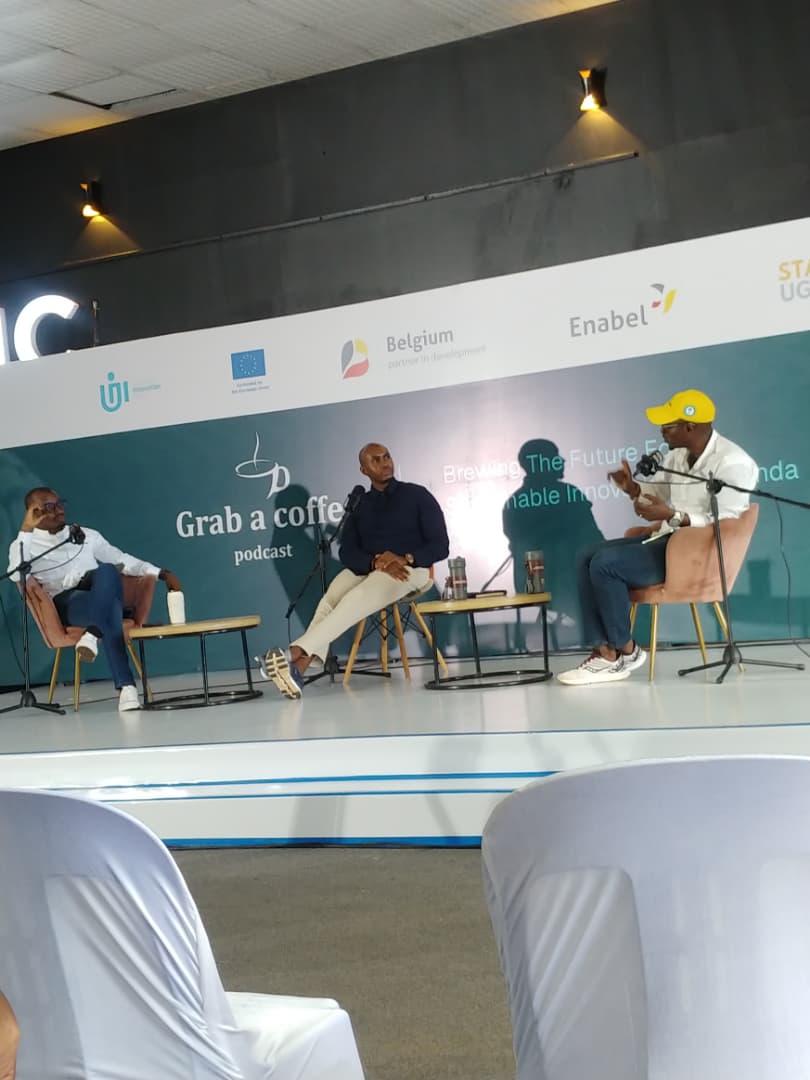
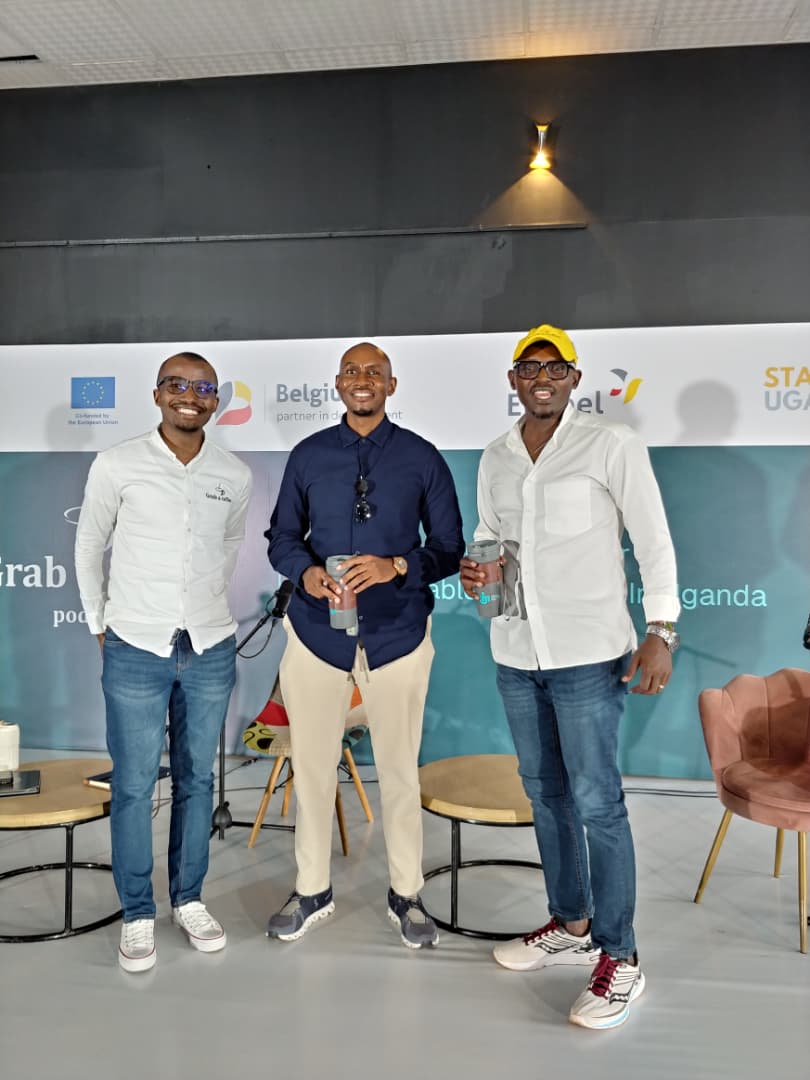
I was a guest on a podcast with @GrabACoffeePod as part of Uganda Innovation Week, and the conversation went exactly where it needed to go. The session, hosted by @qataharraymond and @kasyate , was built around a sharp question, what does it actually take for innovation to contribute to national development, not just in theory, but in practice, at scale? Uganda has innovators. That is not the problem. The gap is structural. Promising products never reach the market because the people behind them cannot access finance, cannot navigate the path from prototype to mass production, and have no framework for protecting what they have created. Intellectual property is not a footnote in that story. It is the missing foundation. Not just a legal technicality, IP is an economic instrument. A registered innovation is a bankable asset. A protected product is a scalable one. Without that layer, Uganda's most inventive minds remain vulnerable to being copied, undercut, or simply left behind. The Uganda Registration Services Bureau has a critical role here, and so does government more broadly. The question is whether national development planning, including the instruments under the National Development Plan, treats IP infrastructure as a growth enabler rather than an administrative function. That distinction matters enormously. For young practitioners in IP and technology law, this is the work. Not just advising clients on registration, but building the connective tissue between legal protection, innovation finance, and industrial policy. The sector needs lawyers who understand what it means to take an idea from a workshop in Kampala to a market in Nairobi. Uganda's innovation ecosystem will not scale on talent alone. It will scale when the regulatory environment, the financing architecture, and the IP system operate as a coherent whole. The conversation was a reminder that we are still building that whole, and the urgency is real. @kta_law
Kenneth Muhangi tweet mediaKenneth Muhangi tweet media
English
2
14
81
7.7K
Kenneth Muhangi
Kenneth Muhangi@xcenneth·
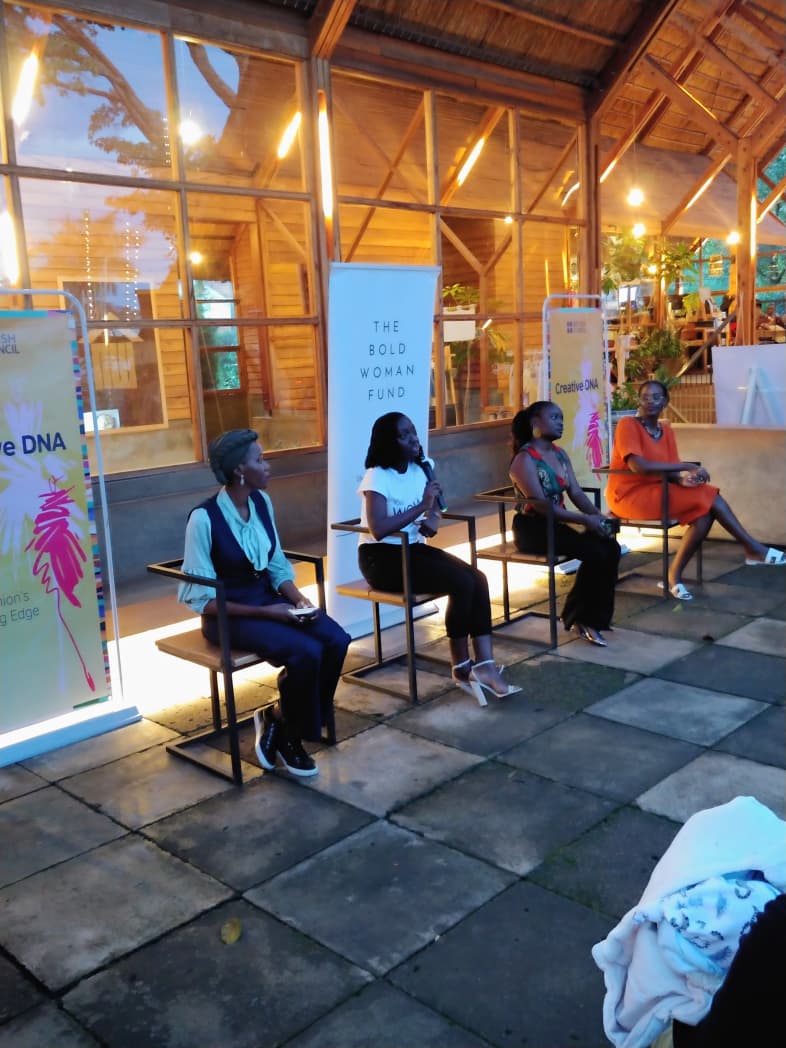
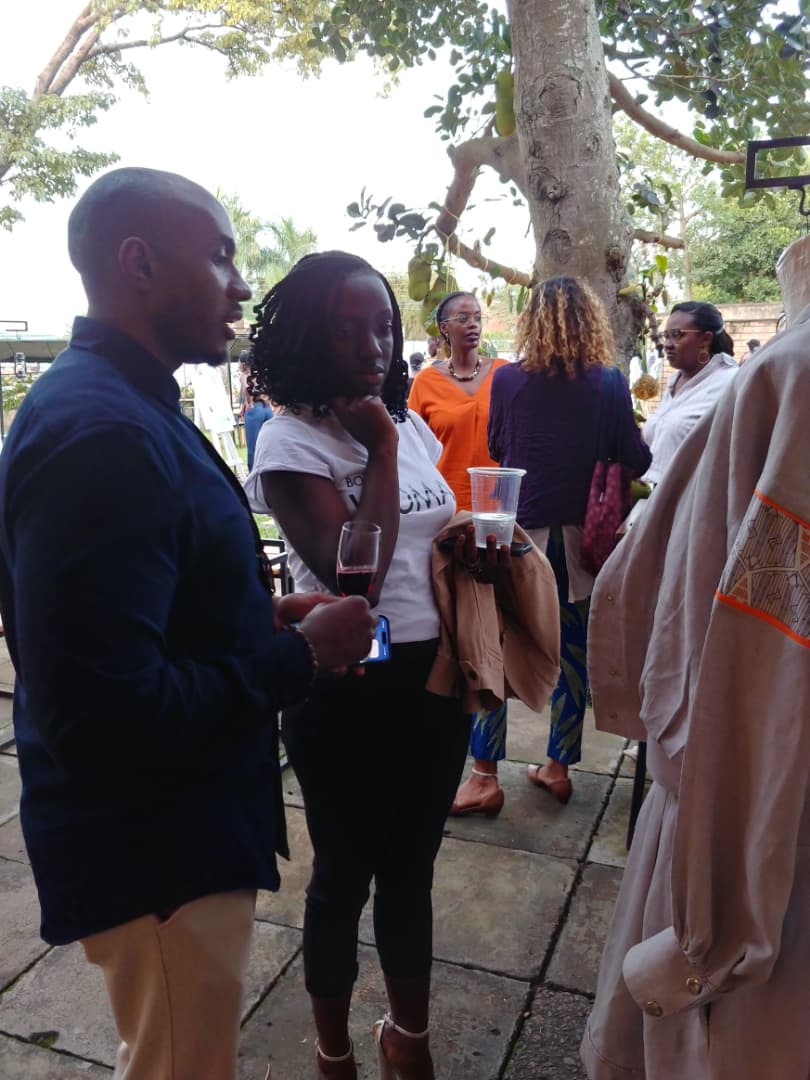
Last Friday at Yamasen, Muyenga, @UgBritish , Creative DNA, @boldwomanfund , and Bold in Africa hosted the Re-purposed Capsule Collection Finale which I attended. Two exchanges got my attention. Aminata Najjingo shared with me that the fabric she once imported at 25,000 Uganda shillings per meter is now available locally at 10,000 shillings, following government investment in domestic textile producers. That policy decision directly reduced her input costs. But the gain stops there. She cannot scale. Producing across sizes, S through XXL, in commercial volumes, requires capital she cannot access. Formal financial institutions set conditions that are disproportionate to where early-stage creative enterprises actually sit. She is looking for investors and partners, not loans. The financing architecture was not built with her in mind. Hilda Babirye repurposes second-hand garments into original designs, work that sits at the intersection of circular fashion and measurable carbon reduction. She cannot find a single producer in Uganda capable of executing a full outfit to her specification. Every production run sends her to Dubai or South Africa. One digital printing machine costs approximately 300,000 US dollars. She would need three to operate at scale. The equipment does not exist here. Not just a fashion story, this is a question of industrial policy and creative economy infrastructure. Uganda's National Development Plan III identifies the creative industries as a growth sector. But policy recognition without corresponding investment in productive equipment, accessible finance, and local manufacturing capacity produces designers who are globally competitive in vision and locally constrained in execution. For practitioners advising governments and development finance institutions in this region, the signal from Friday is direct. The bottlenecks are specific and known. Fabric localization works. Equipment gaps are quantifiable. Financing instruments need restructuring. Hilda's work alone carries an arguable carbon credit case that no institution has yet formalized. Creative industries do not need to be celebrated. They need to be capitalized. @kta_law
Kenneth Muhangi tweet mediaKenneth Muhangi tweet mediaKenneth Muhangi tweet mediaKenneth Muhangi tweet media
English
0
4
9
639
Kenneth Muhangi รีทวีตแล้ว
Uganda Law Society
Uganda Law Society@ug_lawsociety·
#RNBLive8_2026: On Copyright and the Future of Performing Arts in Uganda. "Copyright law is simply the law that protects literary and artistic works. That includes music, yes—but it’s much bigger than that. It covers films, fashion—even what you are wearing today—books, dramatic works, and more." Adv. @xcenneth - Partner @kta_law #BangTheTable #BackOnTrack #RNBVision2060
Uganda Law Society tweet media
English
0
3
13
492
Kenneth Muhangi รีทวีตแล้ว
Uganda Law Society
Uganda Law Society@ug_lawsociety·
#RNBLive8_2026: "We have what we call neighboring rights. These are rights connected to the main work. They allow producers, broadcasters, and distributors to share creative content with the public—through radio, television, and now, the internet. So today, even digital content shared online is protected. Copyright is therefore inherent. You don’t need to register it for it to exist. The moment you create something—a song, a film, a book—you are automatically protected." Adv. @xcenneth - Partner, @kta_law #BangTheTable #BackOnTrack #RNBVision2060
Uganda Law Society tweet media
English
1
7
14
692
Kenneth Muhangi รีทวีตแล้ว
Asmahaney Saad ( Partner KTA Advocates)
Financial literacy and the law may seem like separate worlds, but they are deeply connected. Every legal framework carries a financial impact, whether for individuals, businesses, or society at large. This week, we had the privilege of partnering with the Uganda Financial Literacy Association to support initiatives that build financial capacity for individuals and SMEs. Because when people understand money, they make better decisions. And better decisions build stronger communities. @kta_law @ugafinlit #FinancialLiteracy #Leadership #SMEs #Impact #lastingcommunities
KTA Advocates@kta_law

We hope that through this partnership, we will advance financial literacy with a deep dive into: ✅ Trust Law & Estate Planning ✅ Administration of Estates ✅ Legal Research & Policy Reform. Proud to be part of the journey to secure a more informed financial future for all.

English
1
3
6
546
Kenneth Muhangi
Kenneth Muhangi@xcenneth·
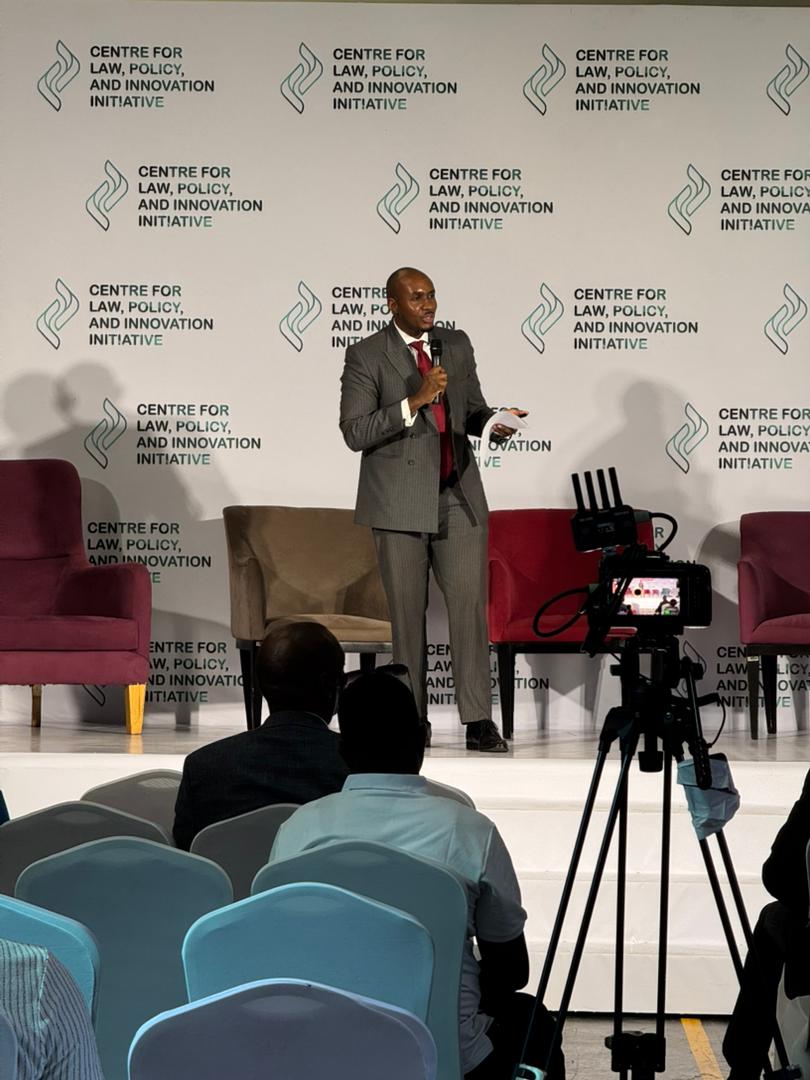
This exchange at #RNBLive8_2026 points to a problem that sits at the intersection of copyright law and financial access. Creatives in Uganda are generating real economic value. Musicians, filmmakers, and authors hold assets that produce recurring income. But too many cannot access credit, because they cannot demonstrate what those assets earn, where that income originates, or that they hold the underlying rights in a form a lender can verify. This is not a creativity problem. It is a documentation and legal infrastructure problem. Copyright law assigns economic rights to creators the moment a work is made and fixed. Those rights can be assigned, licensed, and commercially exploited. They can, in principle, serve as collateral. But that principle only becomes practice when creators maintain clear records of their earnings, structure their contracts properly, and register their rights and transactions with the Registrar of Copyright. The Copyright and Neighbouring Rights (Amendment) Bill 2025 moves in the right direction. The proposed requirement to register assignments and licences with the Registrar within sixty days of execution is precisely the kind of measure that creates the paper trail financial institutions need. It is not bureaucracy. It is the architecture of bankable rights. Financial institutions, on their part, cannot continue treating creative industry income as unverifiable simply because it does not look like a salary slip. The frameworks exist. The appetite to engage with them has to follow. A copyright is an asset. Until it is treated as one, by its owner and by the institutions that hold capital, the creative economy will remain underleveraged.
Uganda Law Society@ug_lawsociety

#RNBLive8_2026: "Many creatives don’t properly document their earnings. People get confused between income from performing their talent and income from the actual asset—the copyright. For lenders to trust you, they need to see clear records: what your work earns, where the income comes from, and proof that you own the rights." Adv. @xcenneth - Partner, @kta_law #BangTheTable #BackOnTrack #RNBVision2060

English
0
5
17
2K
Kenneth Muhangi
Kenneth Muhangi@xcenneth·
We stopped by the amazing team at Jumia Uganda today for a client experience check-in, and left with fresh insights, renewed energy, and a deeper appreciation for this partnership. Grateful for the collaboration and excited for what's ahead. Here's to building something great together! @kta_law
Kenneth Muhangi tweet media
English
0
7
28
1.6K
Kenneth Muhangi
Kenneth Muhangi@xcenneth·
The sanctions imposed on Iran since the US-Israel strikes are not simply a foreign policy instrument. They are, at their core, a regulatory intervention in the architecture of global digital trade. The fintech ecosystem is absorbing the impact in ways that most legal commentary has yet to adequately address. Cross-border payment rails that run through correspondent banking networks are the first casualty. When SWIFT exclusions are enforced, fintech companies operating across jurisdictions, including those in Africa building remittance corridors and digital lending products, face an immediate compliance burden. Their algorithms must know where money is coming from, where it is going, and whether any node in that chain touches a sanctioned entity. That is not just a technical problem. It is a legal one. Not just a war between states. This is a live stress test of the legal infrastructure that underpins digital financial services globally. The rise of decentralised finance and blockchain-based settlement was always going to complicate the jurisdictional reach of sanctions regimes. Iran's crypto economy, already substantial before the current conflict, accelerates that reckoning. Regulators in the US, EU, and UK are watching whether DeFi protocols can be effectively sanctioned or whether the technology has structurally outpaced the law. The answer will shape digital trade regulation for the next decade. For practitioners in this space, whether advising fintech startups, digital payment platforms, or governments designing regulatory frameworks, the Iran conflict is not a distant geopolitical event. It is a precedent in formation. The FATF guidance, the OFAC enforcement posture, and the emerging EU AI Act's intersection with financial services compliance will all be read through the lens of how institutions responded to this moment. Africa is not insulated. A National Payment Switch, designed to centralize and secure domestic interbank transactions, is precisely the kind of infrastructure that becomes strategically significant when global payment corridors are disrupted. As our fintech markets deepen and regional digital trade frameworks advance under the African Continental Free Trade Area, the compliance exposure of our institutions grows proportionally. The question is whether we are building regulatory capacity ahead of the curve, or waiting to be governed by decisions made elsewhere. @kta_law #DigitalTradeLaw #FintechRegulation #Sanctions
English
0
2
3
291
Kenneth Muhangi
Kenneth Muhangi@xcenneth·
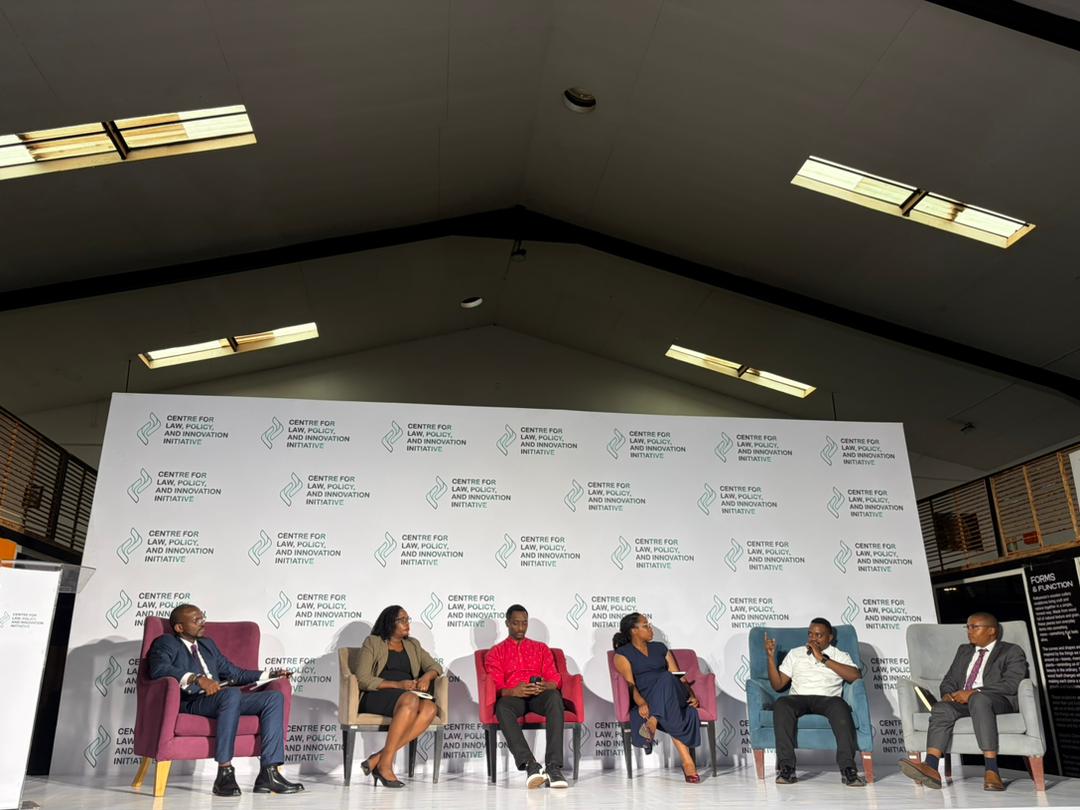
At a policy roundtable on the creative economy last week, the concept of heart coherence was introduced. It is a term from biofeedback. A state where the heart, mind, and emotions are aligned and working in sync. When that happens, there is stability, rhythm, and clarity. It is also exactly what Uganda's creative sector does not have right now. Not talent. Not output. Not even demand. Those exist. What is missing is coherence between the systems that are supposed to serve the sector. Creatives are creating. Banks are lending. Government is regulating. Lawyers are structuring. But none of these systems are speaking the same language. That is why access to finance remains the central problem. Traditional banking was not designed for a sector that earns in cycles, in bursts, in moments, not in salaries or predictable monthly flows. The question is not whether creatives are bankable. It is whether financial systems are designed to understand them. This is where IP valuation becomes critical. Income approach. Market approach. Cost approach. Once IP can be properly valued, new instruments become possible, securitization, insurance, risk layering, data-driven lending. The infrastructure for a functioning creative finance ecosystem already has a blueprint. What it lacks is execution. One point I agreed with strongly, government does not need to lead this. The industry has already moved. Policy needs to come to where the creatives are. What the room agreed on was this: more conversations will not solve it. A working group. A pilot. Creatives, banks, lawyers, regulators in the same room building something small that works, and scaling it. Proof is the only thing that moves this forward now. @kta_law #IntellectualProperty #Creatives
Kenneth Muhangi tweet mediaKenneth Muhangi tweet media
English
2
13
38
2K
Kenneth Muhangi
Kenneth Muhangi@xcenneth·
Ambivalence That is what stayed with me after reading Consolidated Constitutional Petitions No. 34, 37 & 42 of 2022 (Constitutional Court of Uganda) on the Computer Misuse (Amendment) Act, 2022. Or maybe tension is the better word. That feeling when two things can both be true, sit side by side, and yet feel almost mutually exclusive. Many of us have engaged with this law from different places. Some concerned about free expression, others dealing with very real online harm. I’ve had conversations across both ends. This judgment takes us back to something basic, how laws are made. And in doing so, it removes the entire amendment. There is relief in that. The 2022 amendments had stretched quite far. There was discomfort with how easily everyday online conduct could fall within criminal law, and how broadly some of those provisions could be applied. But there is also another side. Because the same law, imperfect as it was, had started to respond to real harm. Cyber harassment. Non-consensual sharing of personal information. The kind of online behaviour that spills into real life. And so both things are true; A problematic law is gone and some useful tools are gone with it. At the same time. We are not in a vacuum. The Computer Misuse Act, 2011 still provides for cyber harassment, offensive communication and cyber stalking. The Data Protection and Privacy Act remains relevant. But these frameworks were built for a different phase of the internet, a slower, less layered one. The 2022 amendments were an attempt to catch up. That attempt now pauses. In the immediate term, cases based on the amendment will be challenged. Investigations will rely on older provisions. Victims still have recourse, but sometimes through less direct routes. Beyond that, there is a window. A moment to rethink how we regulate digital spaces. To move beyond reactive provisions and build something more coherent. Something that protects people, respects freedom, and is grounded in proper process. This is not just a legal question. It is an infrastructure question. And perhaps the work now is to sit with that tension long enough to build better. Well done to the entire team that fought for this, special mention Hon. @GeorgeMusisi4 👏🏾, Hongera.
English
0
4
6
1.1K
Kenneth Muhangi
Kenneth Muhangi@xcenneth·
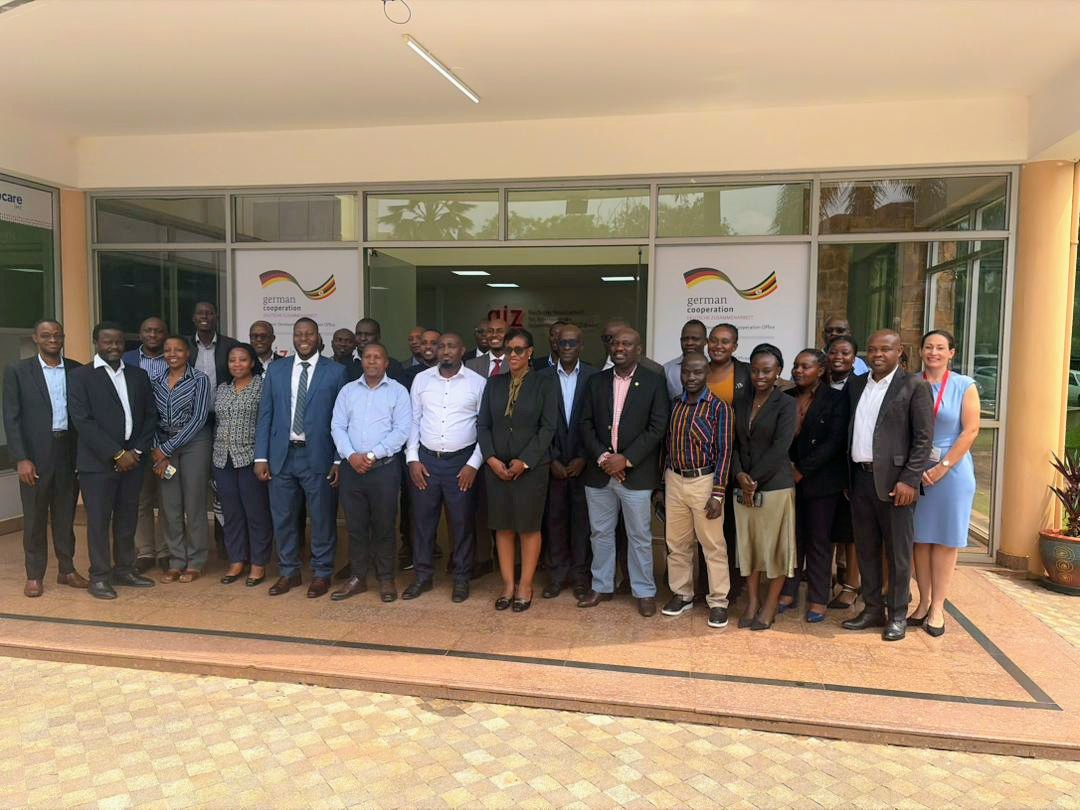
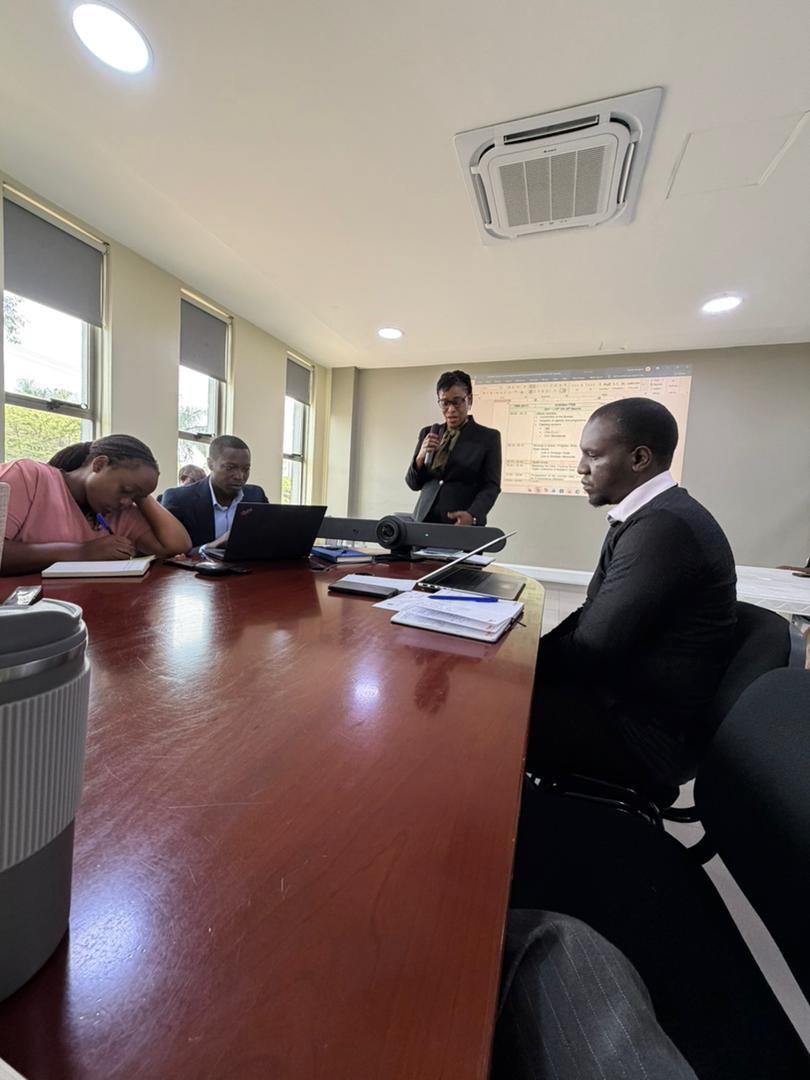
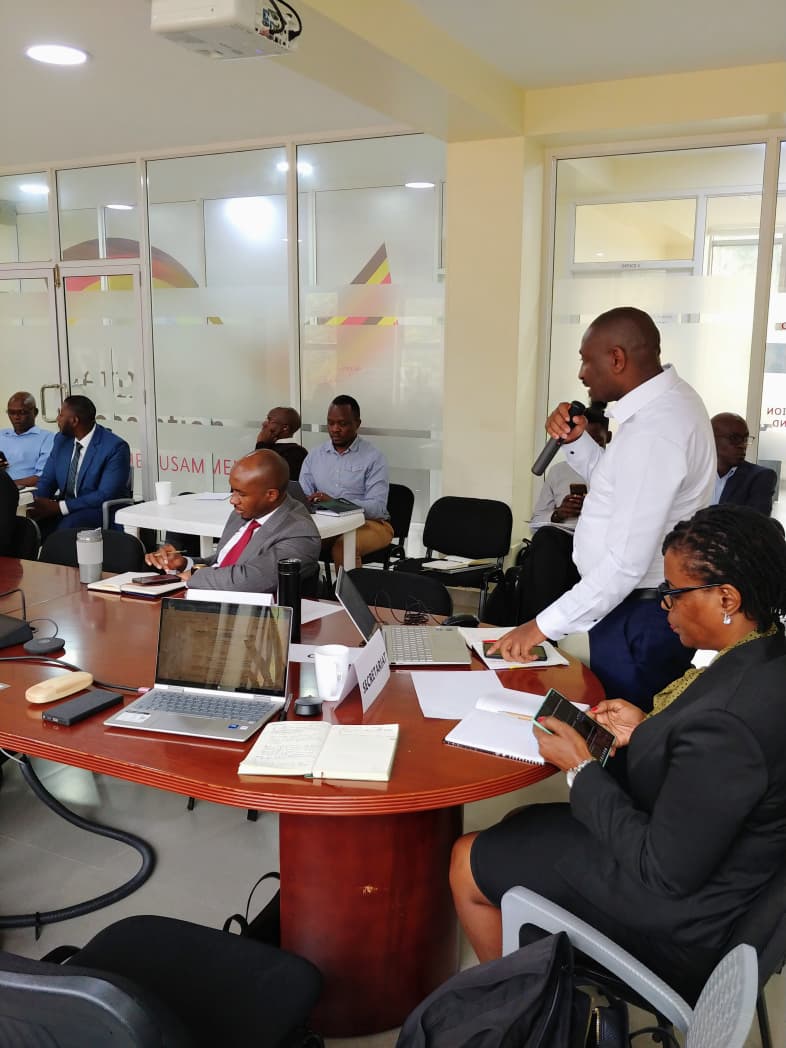
Today, I sat in a room at the National E-Commerce Engagement Platform meeting convened by the EAC Secretariat and MEACA. For years, policy decisions shaping Uganda's digital economy moved without the systematic input of the operators who live inside them daily. The platform owners, the courier services, the digital merchants. Decisions were made, businesses adapted as best they could. That is simply how it went. This meeting signals a different approach. One where government comes to the table with the private sector not after the fact, but in the room, at the point where frameworks are still being shaped. That is the right posture, and it deserves to be acknowledged. What emerged from the private sector's voice in that room was instructive. Complaints mechanisms that exist on paper but do not function in practice. Data protection frameworks that were not designed with e-commerce realities in mind. Structural gaps that no one could have fully mapped without the people operating inside them. That is precisely why inclusion matters. Not as a gesture, but as a methodology. The EAC e-commerce strategy is a serious document. The institutions convening this platform are serious institutions. The private sector showing up with documented challenges and concrete recommendations is its part of the bargain. The work now is to make this kind of engagement permanent not a feature of one meeting, but a standing architecture for how digital policy gets built in Uganda and across the region. We are off to the right start. #EAC #PrivateSector #Ecommerce
Kenneth Muhangi tweet mediaKenneth Muhangi tweet mediaKenneth Muhangi tweet mediaKenneth Muhangi tweet media
English
0
1
3
334
Kenneth Muhangi
Kenneth Muhangi@xcenneth·
This past weekend I was invited to a fashion showcase at Onomo Hotel. What I saw was a room full of intellectual property that its owners do not yet know how to protect. The designs on display were striking. Many of them built entirely from recycled materials. Creativity meeting sustainability in a way that felt intentional, not performative. Every original design, every pattern, every collection is a protectable asset. A trademark secures the brand. A design registration protects the aesthetic. Without that legal infrastructure in place, the value someone spent months creating can walk out of the room with someone else legally. Uganda's fashion industry has talent. What it is missing is the IP framework to convert that talent into protected, bankable, scalable assets. The other opportunity is one not enough people in this space are talking about, carbon markets. Designers working with recycled and sustainable materials are sitting on credentials that the global green economy is actively looking for. That value can be structured and monetised. But it requires organisation. Which brings me to the most important point. The designers who will benefit most are the ones who move collectively. Associations create the infrastructure through which opportunity flows, legal, financial and commercial. The talent is clearly there. The frameworks need to catch up. #IntellectualProperty #CarbonMarkets #FashionDesign
English
0
0
1
169
Kenneth Muhangi
Kenneth Muhangi@xcenneth·
Uganda's Copyright Moment: What Happens When the Speaker Owns a Radio Station linkedin.com/pulse/ugandas-… Geoffrey Ekongot's piece on the Copyright and Neighbouring Rights Bill is something that I have been thinking about ever since I read it. Not because it surprised me. Because it confirmed something I have watched play out in policy rooms for years, that the biggest threat to good legislation is rarely bad drafting. It is the moment when commercial interests find a seat at the table before the people the law is meant to protect do. Radio stations should pay royalties to artists. Full stop. When a station plays a song, it is not doing the artist a favour. It is using a product that someone created, invested in, and owns. That product draws listeners. Those listeners attract advertisers. Those advertisers pay the station. The artist sits at the beginning of that entire value chain and currently receives almost nothing from it. In what other industry do we accept that the person whose work generates the revenue is the one who goes unpaid? Clause 9 of this Bill exists to fix exactly that. It is not experimental legislation. It is the standard that operates in Kenya, South Africa, the UK, and across the EU. Every serious creative economy has this foundation. Uganda has been the exception for too long. What gave me genuine respect was Honorable Rachael Magoola's response on the floor. She did not debate the principle, she grounded it in reality. The broadcaster chose to use the work. That choice carries an obligation. She also pointed to something Parliament apparently did not know that Uganda has already built and demonstrated monitoring technology capable of tracking every song played on every station in the country. The infrastructure exists. The legal obligation is what remains. That gap between what exists and what legislators understand is exactly where the IP community needs to be more present. I have advised governments, trained institutions, and engaged with WIPO on policy. One thing I know is that copyright law does not enforce itself through good intentions. It requires legislators who understand what intellectual property actually means for an economy, for jobs, for digital revenue, for investment, and for the artists who have for too long been described, from that very floor, as beggars. The Committee Stage is where this Bill will be won or lost. That is where we need to show up, IP lawyers, collecting societies, industry associations, advocates, and have the conversation properly, before the vote, not after it. To Honorable Rachael Magoola, the creative community sees you. Keep going.
English
2
9
28
3.1K
Kenneth Muhangi
Kenneth Muhangi@xcenneth·
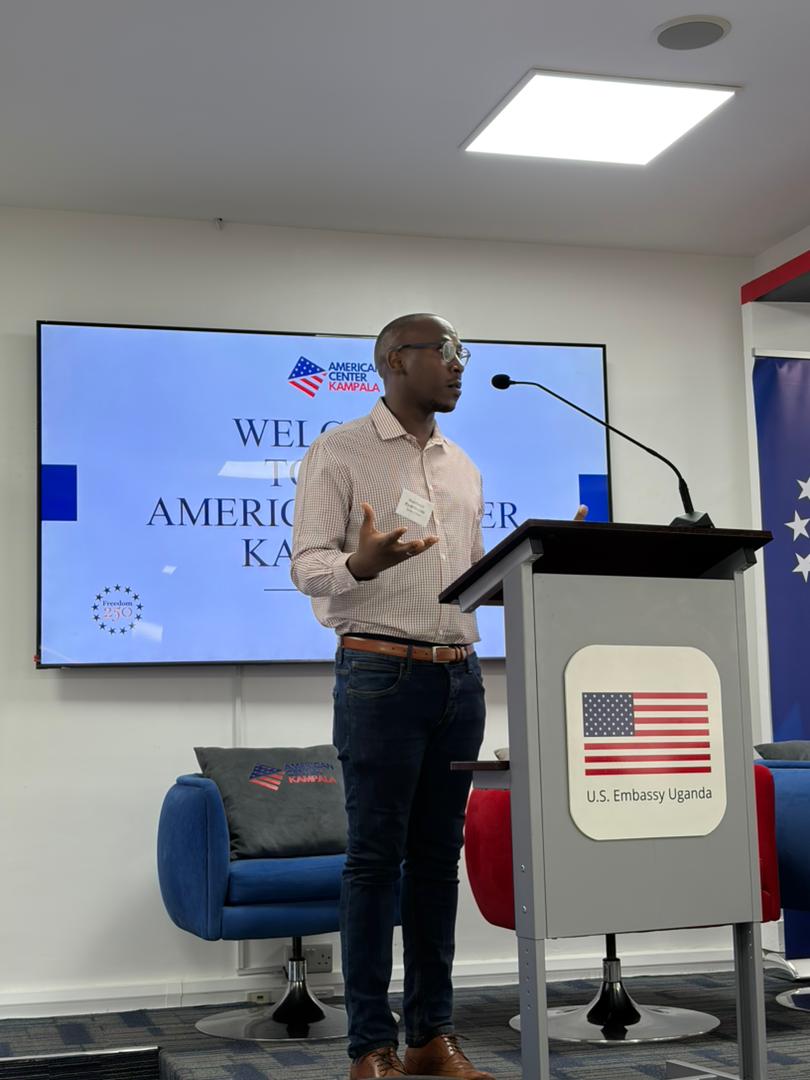
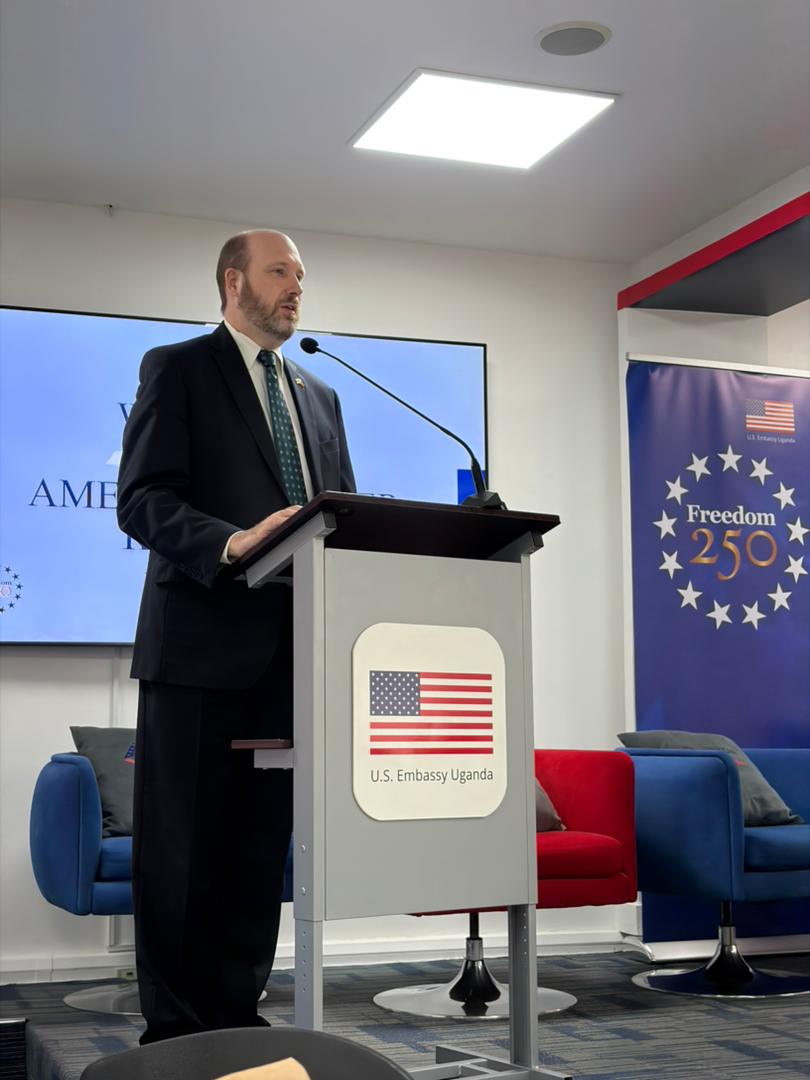
This morning I attended a roundtable at the U.S. Embassy in Kampala on Uganda’s creative film industry, presided over by Ambassador William W. Popp. The room brought together important voices from across the sector; Mathew Nabwiso, Julianne Mweheire from UCC, Hajjat Hajara Nalubega from the Ministry of Gender, Labour and Social Development, Patrick Ocailap from the Ministry of Finance, Planning and Economic Development, Victoria Oketta from URSB, and Steven Asiimwe, CEO of PSFU. One statistic from the discussion stayed with me. Kenya’s creative sector generates around 5,000 jobs. Ghana’s about 30,000. Nigeria’s over 200,000. Uganda is not yet in that conversation, but it could be. The conversation focused on cross-investment opportunities, training pipelines, professional exchanges, and policy alignment between Uganda and the United States in the film sector. But beneath all of that is a deeper issue: the gap between the ambition of the private sector and the pace of public sector implementation. At many engagements like this, government representatives speak about funds allocated to support sectors. Yet the people working in those sectors often have little visibility of where that support is or how to access it. Leaders of industry associations are increasingly frustrated by bureaucracy and slow institutional response. If Uganda is serious about achieving the kind of 10X growth often discussed in national development conversations, government and industry must move in step. Creative industries are not just cultural assets, they are economic infrastructure capable of generating jobs, exports, and new revenue streams. Uganda’s film sector does not lack talent or story. What it needs is the regulatory clarity, institutional coordination, and policy follow-through that allow creativity to scale into sustainable industry. Grateful to the U.S. Embassy’s Economic and Public Diplomacy teams for convening this important discussion. Conversations like these matter, but what will matter more is what happens after the room empties. #IntellectualProperty #FilmIndustry
Kenneth Muhangi tweet mediaKenneth Muhangi tweet mediaKenneth Muhangi tweet media
English
0
4
12
1.2K
Kenneth Muhangi
Kenneth Muhangi@xcenneth·
Attending a creative sector engagement and I can’t help but wonder how long the private sector will go ahead of govt. Every event, speakers from govt talk about money allocated to sectors but the people in the sectors don’t know where this money is. Most leaders of industry associations are frustrated by bureaucracy and inaction. How will Uganda achieve this 10X growth if govt is not working with sectors that could create jobs and raise revenues ?
English
0
3
8
601
Nicholas Opiyo (Pronouns He/Him)
Allan, in many places, these sorts of schemes are used to encourage good road behavior and not to punish those who run afoul of it. They do this by starting with proper roads, clear road signs, and proper zoning regulations (as part of a wider city or road plan). In fact, in many cases, they erect signs warning of speed cameras ahead or camera enforcement signs, and allow ride apps to warn users of such enforcements, not camera ambushes calculated to levy heavy fines. Let's take zoning, for instance: what is a school zone when schools are found dotted everywhere? What is a residential area when shops, bars, and churches are all mixed together? It appears one of two things happened to those behind these schemes: insatiable greed to raise non-tax revenue (not to entice good behavior), or someone visited a place/country, saw this, and never understood the ecosystem and motivations within which these systems operate.
English
4
36
97
7.6K