Post

Islamic Scientific Heritage
Ever wondered who invented robotics? Ismail al-Jazari, a 12th-century Muslim inventor and engineer, is often called the “father of robotics” for his pioneering work on automata, self-operating mechanical devices powered by water and intricate mechanisms. His name was Ismail al-Jazari. A thread on the forgotten father of robotics 🧵
Islamic Scientific Heritage tweet media
English
24
480
1.6K
33.8K
Islamic Scientific Heritage
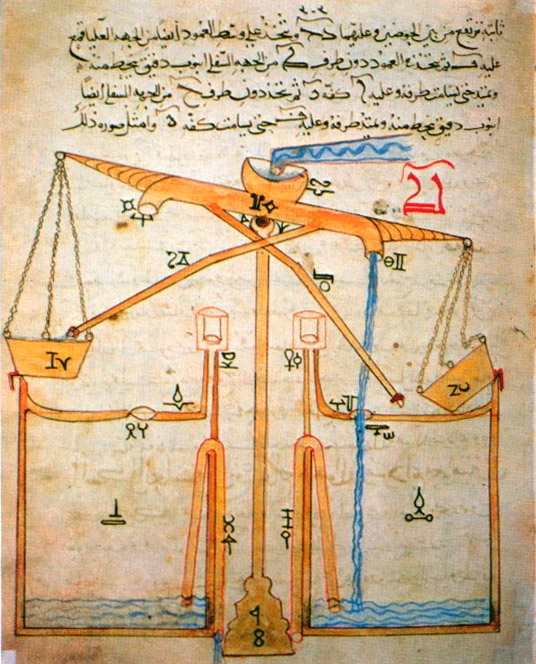
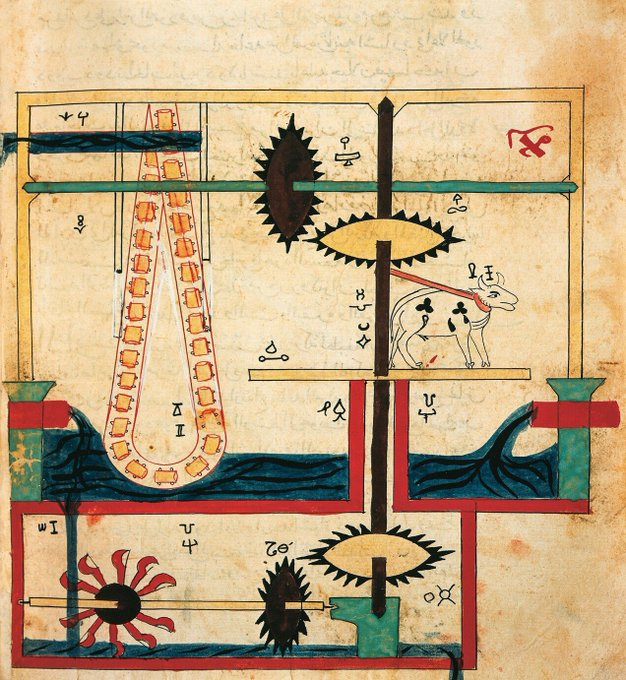
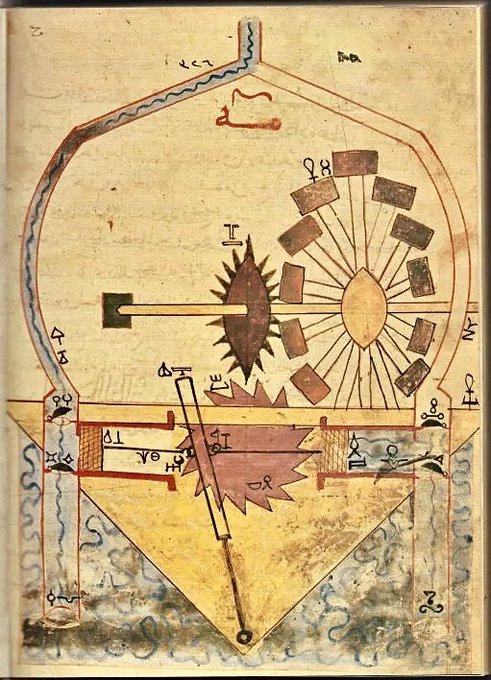
1/ While many think robotics began in the 20th century, its roots go back nearly 900 years to the medieval Islamic world. Long before electricity, Al-Jazari was designing automated machines powered by water, gears, pulleys & hydraulics.
Islamic Scientific Heritage tweet mediaIslamic Scientific Heritage tweet mediaIslamic Scientific Heritage tweet mediaIslamic Scientific Heritage tweet media
English
1
15
83
2.4K
Islamic Scientific Heritage
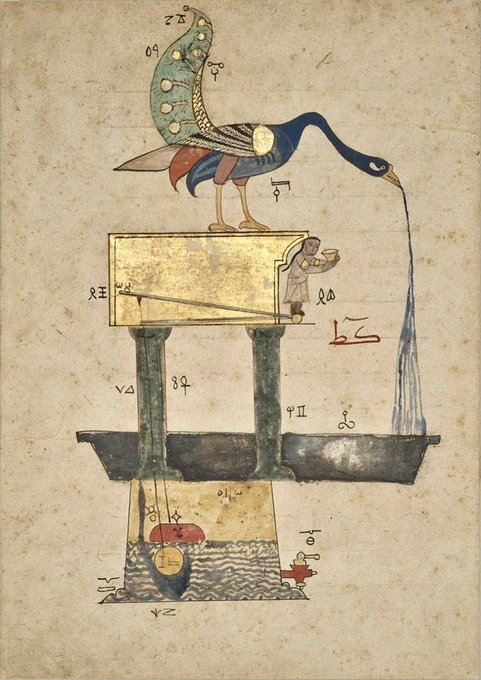
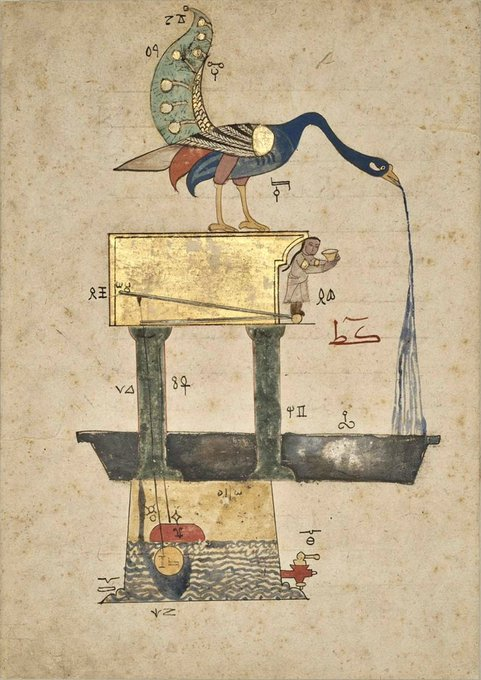
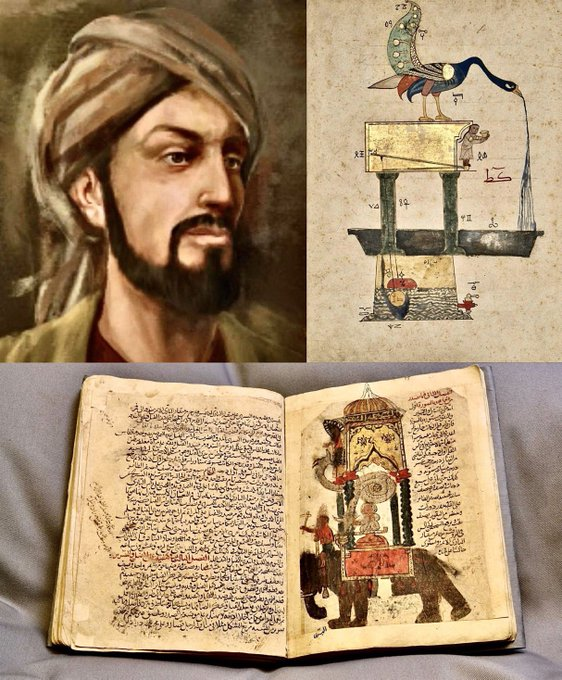
For 25 years, he engineered machines that seemed almost magical for their time. His inventions included: • Humanoid servants that poured drinks • Automated hand-washing devices • Mechanical musicians • Water clocks • Programmable fountains • Combination locks This was the 12th century. One of his most famous creations was the “Peacock Fountain” — an automated hand-washing machine. As guests approached, mechanical servants offered soap and towels automatically. Essentially: medieval robotics.
Islamic Scientific Heritage tweet media
English
1
11
71
2.1K
Islamic Scientific Heritage
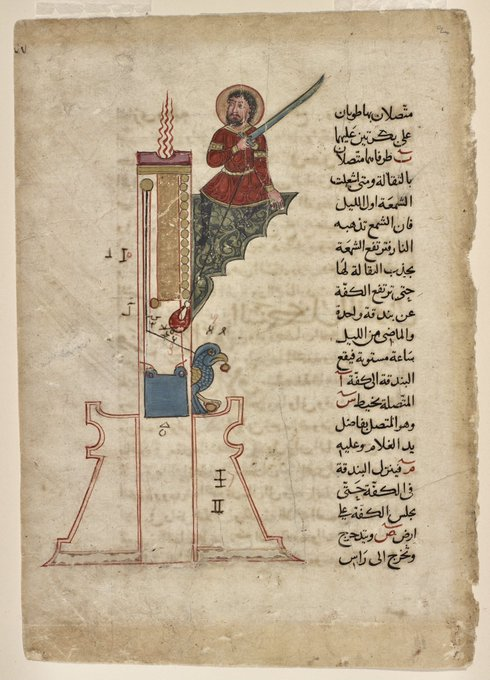
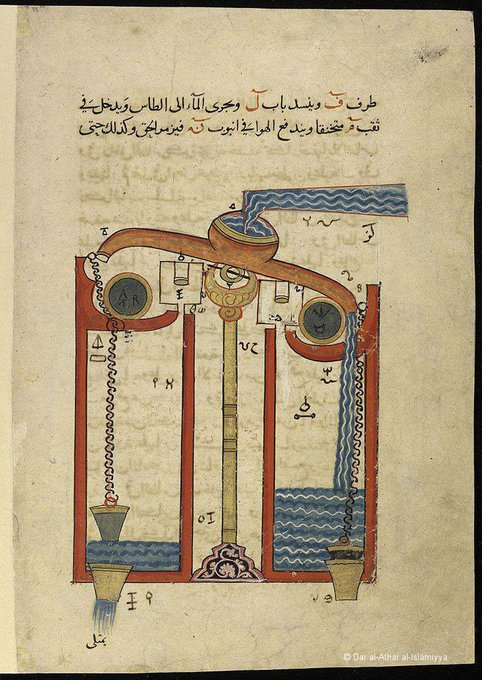
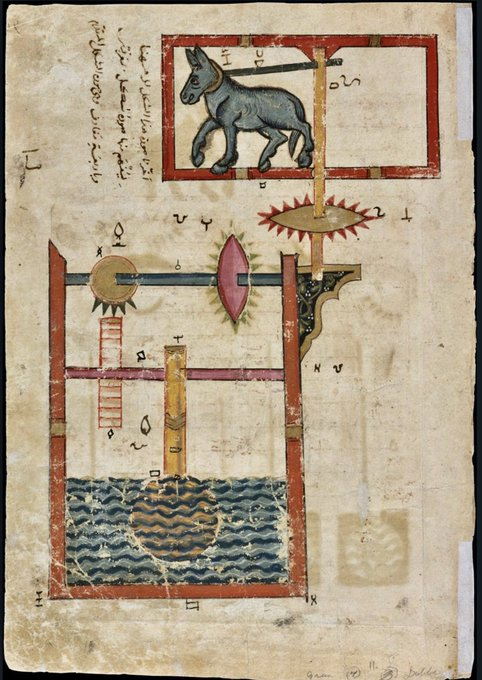
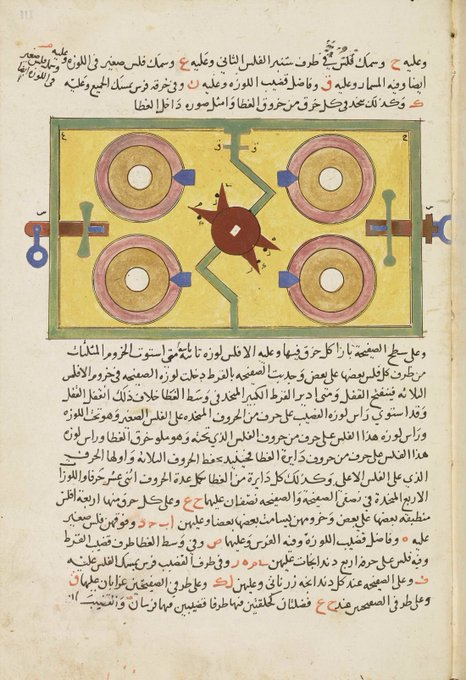
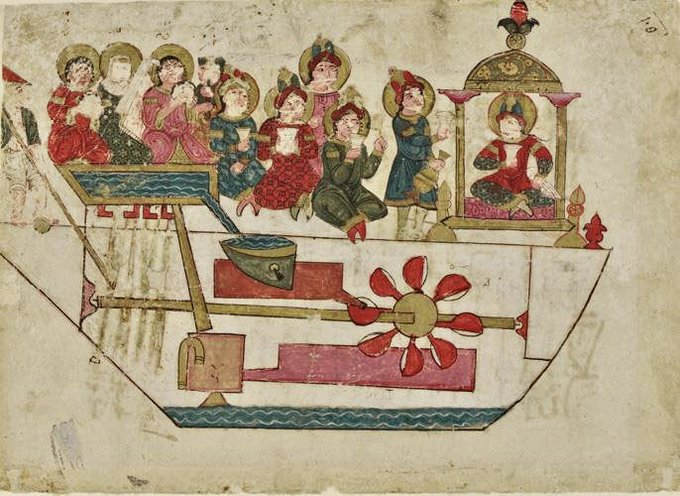
He also built practical machines that transformed everyday life — especially water-raising systems used by farmers for centuries after his death. In 1206, after decades of innovation, he compiled his inventions into a masterpiece: “The Book of Knowledge of Ingenious Mechanical Devices.” One of the greatest engineering manuscripts of the medieval world. The book contained detailed diagrams and instructions for over 50 devices: • Automata • Water clocks • Pumps • Musical machines • Mechanical tools • Hydraulic systems It was centuries ahead of its time.
Islamic Scientific Heritage tweet mediaIslamic Scientific Heritage tweet mediaIslamic Scientific Heritage tweet mediaIslamic Scientific Heritage tweet media
English
1
10
46
1.2K
Islamic Scientific Heritage
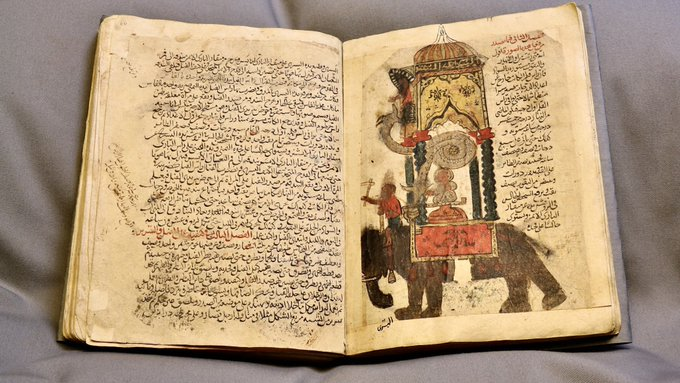
His legendary “Elephant Clock” combined engineering, astronomy, art & symbolism into one machine. The clock featured moving figures, rotating mechanisms, falling balls & synchronized motion — all powered by water. Historians consider one of Al-Jazari’s musical automata to be the earliest programmable robot in history. Its movements could be altered by rearranging pegs and cams. A medieval programmable machine. He also designed one of history’s earliest known four-dial combination locks. Only a handful from the early 13th century still survive today. His machines were scientifically precise, yet artistically breathtaking.
Islamic Scientific Heritage tweet media
English
1
7
53
1.7K
Islamic Scientific Heritage
Several surviving copies of his manuscript still exist today, including one preserved in the Topkapı Palace Museum in Istanbul. The illustrations alone are masterpieces. Centuries later, the world finally recognized his genius. In 2016, UNESCO honored Al-Jazari in its “Global Treasures” series for his contributions to science and engineering.
Islamic Scientific Heritage tweet mediaIslamic Scientific Heritage tweet media
English
3
7
47
1.5K
Paylaş