Naka-pin na Tweet

Building New Generation Digital Banks with Programmable Money and Trust: Are You Ready for the Next… hackernoon.com/building-new-g…
English
Bulent Tekmen
2.1K posts
@tekmen
Co-Founder @ColendiAI, @Colendiapp, @ColendiSigorta, @ColendiMenkul, @ColendiBank

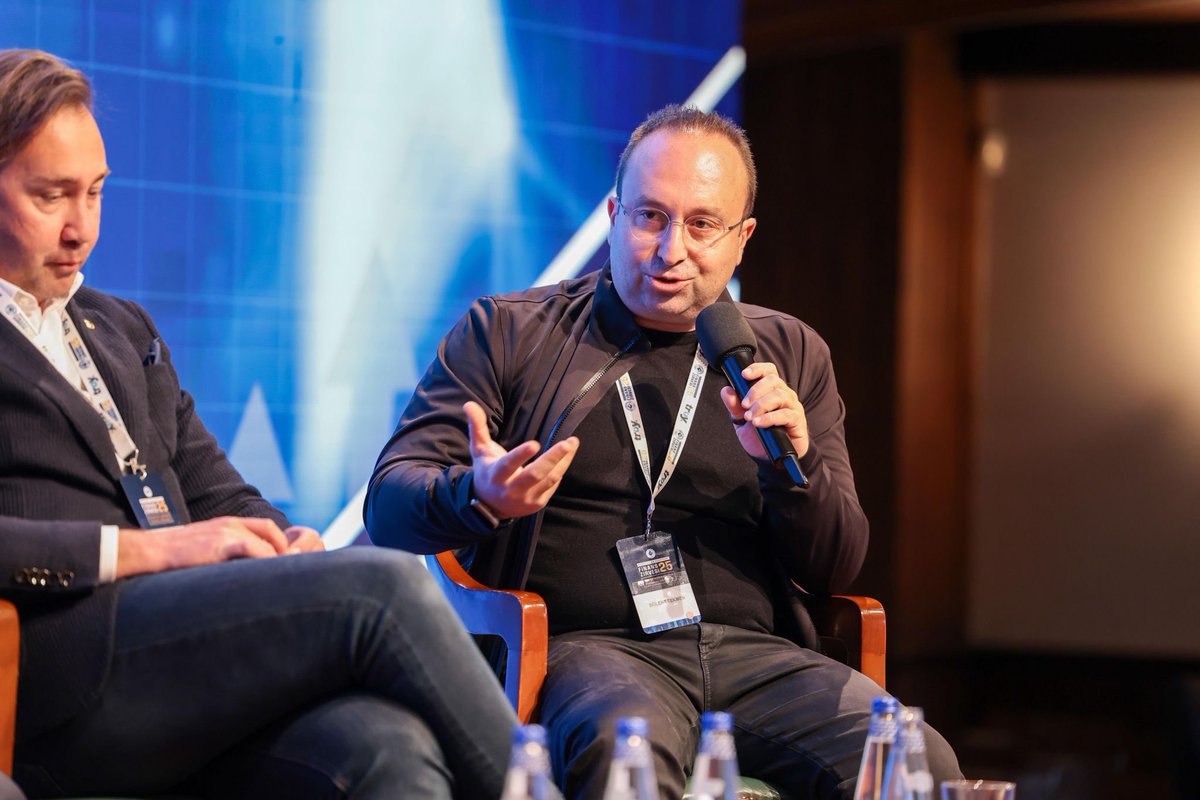
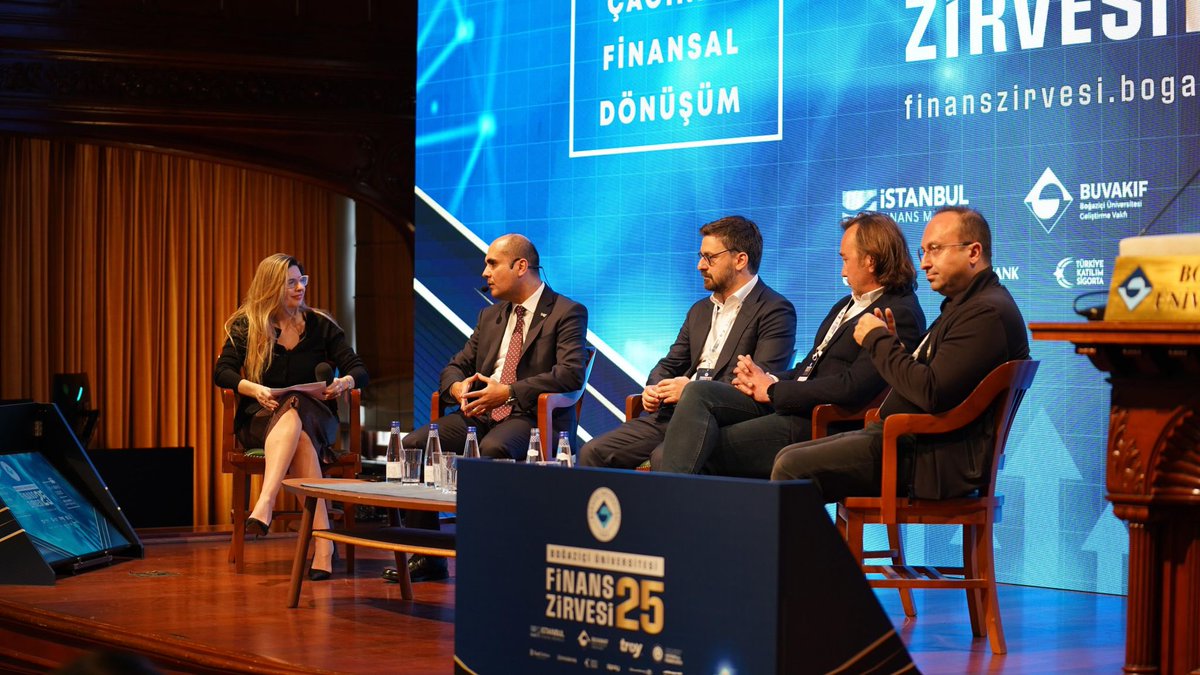

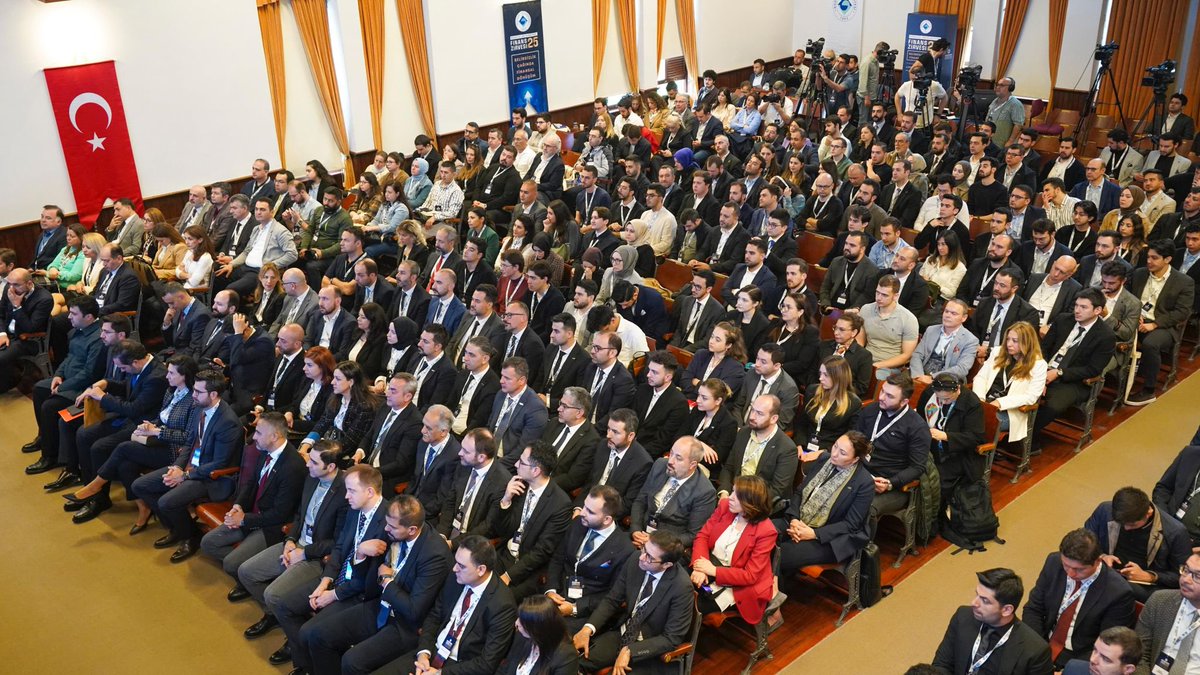
Türkiye’nin ilk yapay zeka temelli doğuştan dijital mevduat bankası ColendiBank, müşteri kabulüne başladı! 🎉 ColendiBank geleceğin dijital bankacılık deneyimini ‘İlk Müşterileri (Alfa)’ ile şekillendiriyor. Dijital bankacılıkta yeni bir dönemin kapıları açılıyor. Şeffaf, hızlı ve kişiselleştirilmiş finansal çözümler için biz hazırız. #ColendiBank #dijitalbankacılık #Embeddedfinance #fintechinnovation
The four-day Web Summit in Doha is a key platform for entrepreneurs in the region to connect with global investors, journalists, and industry leaders. Among them are dozens of Turkish entrepreneurs to showcase their ideas and build new partnerships
Finansal Teknoloji'de @ColendiApp Kurucu Ortağı ve CEO'su @Bulent Tekmen ile @ColendiSigorta @ColendiMenkul MoneyPay ve @ColendiBank ile finansal teknoloji sektörünün en önemli oyuncularından Colendi'nin önümüzdeki dönem hedeflerini konuştuk. 👇👇👇 youtube.com/watch?v=gfrQ3H…


Our celebration reached New York and lit up the heart of Times Square! In the glow of the city's iconic lights, one name shone brightest. Today the legendary @Nasdaq screens proudly celebrated the official launch of Türkiye’s first AI based digital universal bank @ColendiBank! 🎉✨ This is just the beginning; we will continue to redefine fintech and reach even bigger milestones. 🚀 #ColendiBank #ColendiGroup #TimesSquare #Nasdaq @tekmen @mihriet @denizcengiz

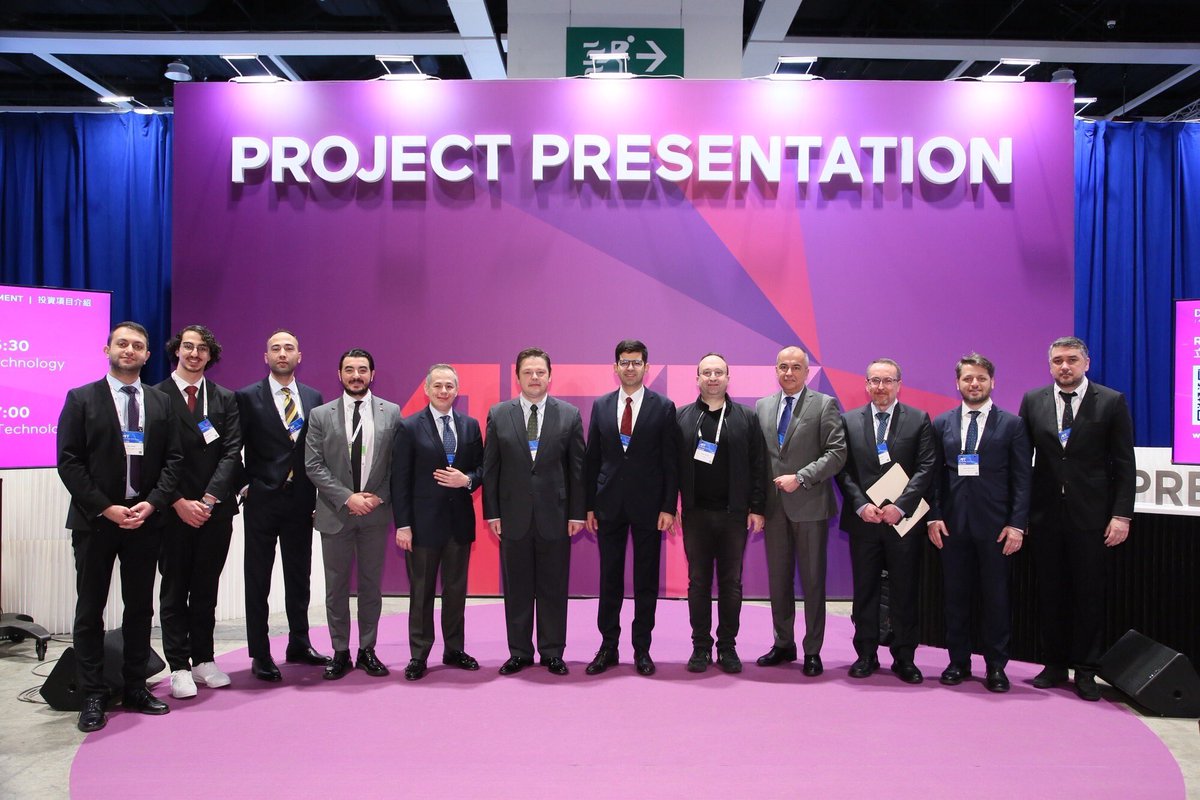
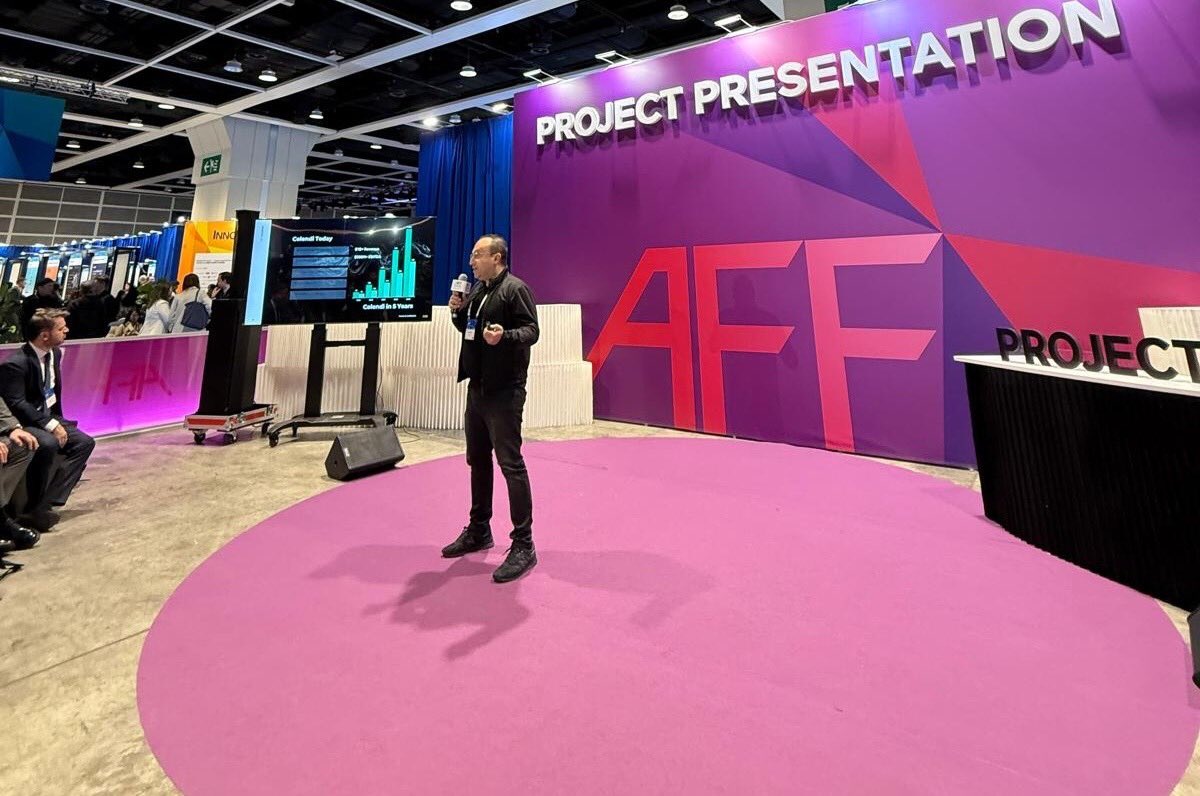

Investment Office President @ABurakDaglioglu Dağlıoğlu attended the @AFF_HK in Hong Kong, one of the largest financial events in Asia. In the “AFF Deal Making” session, Dağlıoğlu showcased Türkiye’s dynamic investment landscape to international investors, emphasizing its transformation into the nexus of innovation, growth, and collaboration, thereby solidifying its position as a global investment hub. Read more at invest.tr/asian-financia…. #Türkiye #NexusoftheWorld #AsianFinancialForum #FDI #investment
You are being programmed right now. The old computer sits silent in the corner of your room, its black screen reflecting nothing but darkness. You've heard the warnings: artificial intelligence could be dangerous if trained by those with ill intent. But as you scroll through your social media feed, double-tapping and sharing, have you internalized that another kind of programming is already at work? One that targets not silicon and circuits, but neurons and synapses? This isn't science fiction. Every notification that pulls your attention, every headline that sparks your outrage, every video that shapes your worldview – these are lines of code being written into your neural architecture. The human mind, that mysterious realm of consciousness we hold so dear, is remarkably susceptible to external influence. We are, in many ways, walking computers with wetware instead of hardware, and our programming updates happen every minute of every day. Think about your last strongly held opinion. Where did it come from? Was it truly yours, built from careful reasoning and personal experience? Or was it downloaded from the endless stream of content you consume, planted there by someone with an agenda you might not even recognize? The parallels between computer programming and human conditioning are striking. Just as a programmer can write code to make software behave in specific ways, our behaviors and beliefs are shaped by the inputs we receive. The difference is that human programming happens in the open, often without our conscious awareness or consent. Consider Sarah, who starts her morning scrolling through social media. She sees posts about a political issue, each one carefully crafted to elicit an emotional response. The algorithm, knowing her preferences, feeds her more of the same. By lunchtime, she's angry about something she hadn't even thought about yesterday. By dinner, she's sharing posts and arguing with strangers. The programming is complete – she's been transformed into a vector for spreading someone else's ideology. What makes this human programming particularly insidious is its distributed nature. There's rarely a single programmer we can point to. Instead, we're shaped by a complex web of influences: family traditions, educational systems, religious institutions, media corporations, political organizations, and countless other vectors of influence. Each contributes its own lines of code to our personal operating system. And yes, some of these programmers have malicious intent. Just as we worry about AI being trained for harmful purposes, we should be equally concerned about human beings being conditioned to hate, to fear, to act against their own interests and the interests of society. The angry mob destroying property, the terrorist willing to die for a cause, the citizen voting against their own wellbeing – these are all examples of successful human programming gone wrong. But here's where the computer analogy breaks down in a hopeful way: we have the capacity for self-awareness. Unlike machines, we can recognize when we're being programmed. We can install our own mental firewalls, question our inputs, and consciously choose which programs to run and which to quarantine. The solution isn't to avoid all programming – that's impossible and undesirable. We need programming to function in society, to learn, to grow. The key is to become active participants in our own programming process. This means: Examining the source code: Where do our beliefs come from? Who benefits from us holding these views? Debugging our thoughts: Which of our reactions are authentic, and which are programmed responses? Installing updates mindfully: Choosing our information sources carefully and maintaining a diverse input stream. Running security scans: Regularly questioning our assumptions and checking our beliefs against reality. As we race to regulate AI and ensure it's programmed ethically, we must apply the same scrutiny to the programming of human minds. The stakes are just as high, if not higher. A badly programmed AI might make poor decisions, but badly programmed humans have already caused untold suffering throughout history. The next time you worry about AI being programmed by bad actors, take a moment to examine your own code. What programs are running in your mind right now? Who wrote them? And most importantly, are they serving your true purpose, or someone else's? The good news is that while we can't easily reprogram AI once it's trained, humans have the remarkable ability to rewrite their own code. It's not easy – any programmer will tell you that rewriting legacy code never is. But it's possible, and it starts with recognizing that we're all running programs. The question is: will you be a passive program, or will you become your own programmer?
As Colendi, we push the boundaries in fintech through pioneering technology and impactful solutions. Now, with ColendiBank, powered by a lean core banking infrastructure, experienced team, and AI-driven financial solutions, we are propelling innovation even further. @ColendiBank , Turkey’s AI First digital native universal bank, is set to bring a fresh perspective to digital banking. We’re eagerly counting down the days to welcome our users with an inclusive, personalised, and forward-thinking platform. Welcome, ColendiBank. The journey begins now… #ColendiGroup #ColendiBank @tekmen @mihriet @denizcengiz
Excited to announce the launch of LedgerSwarm onto @Temenos Exchange, the partner ecosystem of integrated fintech solutions. LedgerSwarm's orchestration tool enables tokenized deposits and smart contracts for Temenos users. temenos.com/community/exch…