LeoFrade

2.8K posts

LeoFrade banner
LeoFrade

LeoFrade

@leofrade

Entrepreneur, father and Startup Studio enthusiast

شامل ہوئے Nisan 2008
632 فالونگ460 فالوورز
LeoFrade ری ٹویٹ کیا
Penguin X
Penguin X@ThePenguinBTC·
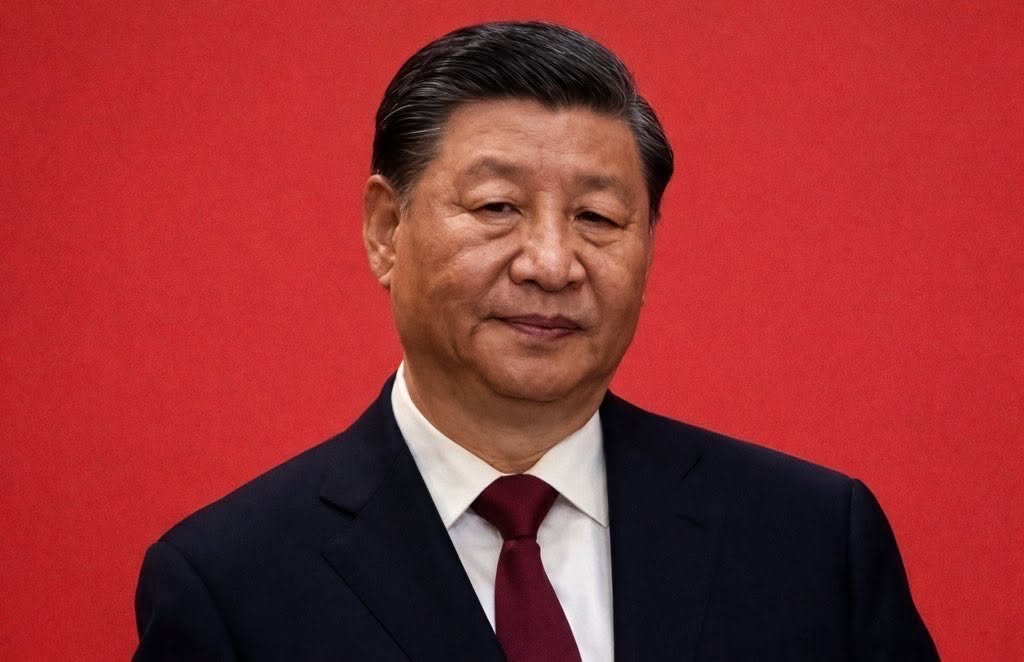
Çin bu sabah Japonya'nın 1985'te yapamadığı şeyi yaptı. Çin 2021'de çıkardığı ama bugüne dek hiç işletmediği yasayı sahaya sürdü ve ABD yaptırımlarını tanımayacağını resmen ilan etti. 40 yıl önce Japonya aynı baskı karşısında geri adım attı. Çin geri adım atmadı. Anlatıyorum. Birkaç hafta önce Trump, İran'a yönelik ablukanın nükleer anlaşma sağlanana kadar süreceğini açıkladı. Aynı gün Hazine Bakanı Bessent çok kritik iki kelime kullandı: "kalıcı hasar." Bu iki kelimenin işaret ettiği yer, İran petrol ihracatının kalbi olan Kharg Adası'ydı. Abluka yüzünden tankerler yüklenemeyince petrol depolara yığılıyor, depolar dolunca üretimi durdurmaktan başka çare kalmıyor. Asıl mesele de tam burada başlıyor: Petrol üretimini uzun süre durdurursanız kuyulardaki basınç dengesi bozulabiliyor, hattın eski verimine geri dönmesi aylar hatta yıllar gerektirebiliyor. Bessent'in cümlesinin altında gizli olan hesap tam olarak buydu. İran'ın petrol altyapısı, telafisi yıllar alabilecek kalıcı bir zayıflamaya doğru itiliyordu. Buraya kadar mesele İran gibi okunuyor. Ama asıl hedef İran değildi. Asıl hedef neden Çin? Çin dünyanın en büyük üretim motoruna sahip, bunu herkes biliyor. Daha az bilinen şey ise bu motorun bir tek zayıf noktası olduğu: kullandığı her 100 varil petrolün yaklaşık 73'ünü dışarıdan ithal ediyor. Peki dünyanın en ucuz petrolünü bugün kim satıyor? Yaptırımlar altındaki İran. Pazarlık şansı olmayan bir satıcı her masada kaybeder, alıcı her masada kazanır. Her gün İran'dan Çin'e doğru yaklaşık 1.5 milyon varil petrol akıyor, üstelik piyasa fiyatının belirgin biçimde altında. Çin'in son yıllardaki rekabetçi üretim avantajının görünmeyen yakıtı tam olarak buydu. Trump da bu denklemi okuyordu. O yüzden baskıyı doğrudan Çin'e değil, Çin'i besleyen damara uyguladı. İran üretimi uzun süre düşük kalırsa Çin eski hacimde ucuz petrolü bulamaz; bulamayınca üretim maliyeti yükselir, rekabet avantajı erir ve ihracat geliri yavaş yavaş düşmeye başlar. Geçtiğimiz haftalarda ABD bu zincirin halkasına vurdu. Hengli adlı özel bir Çin rafinerisini, çevresindeki 40 şirketi ve tankeri tek pakette yaptırım listesine aldı. Hengli bir kamu kuruluşu değil, özel sektörde faaliyet gösteren bir rafineri. Devlet rafinerisi vurulsaydı bu doğrudan Çin'e yapılmış bir hamle sayılır ve misilleme kaçınılmaz olurdu. Özel sektör seçilince mesaj kasıtlı olarak yumuşak tutuldu: "Çinli oyuncular İran petrolü almaya devam ederse bunun bir bedeli olacak." Zamanlama da en az hedef seçimi kadar önemliydi. Trump'ın Xi Jinping ile yaklaşan zirvesinden haftalar önce sahaya konmuş, bilinçli bir baskı pozisyonuydu. Beklenen şey, Çin'in geri adım atıp yaptırımı sessizce sineye çekmesiydi. Bu sabah Çin'den gelen cevap Çin, 2021'de çıkardığı ama bugüne dek hiç aktif olarak işletmediği Yabancı Yaptırımlara Karşı Yasa'yı ilk kez sahaya sürdü. Yasanın işleyişi basit. ABD veya başka bir devlet Çinli bir şirkete yaptırım uygularsa, Çin o yaptırımı tanımayan ve uygulanmasını yasaklayan kararlar çıkarabiliyor. Çin'de iş yapan hiçbir şirket o yaptırımlara uymak zorunda olmadığı gibi, uyduğu takdirde Çin hukukunu ihlal etmiş sayılıyor. Bu sabah çıkan mahkeme kararı tam olarak bu mekanizmayı işletti. ABD'nin Hengli'ye ve diğer Çinli rafinerilere uyguladığı yaptırımları Çin topraklarında geçersiz ilan etti. Hiçbir tanker sahibi, hiçbir sigorta şirketi, hiçbir banka, hiçbir aracı bu yaptırımlara dayanarak Hengli ile işini kesemez; kestiği takdirde Çin mahkemelerinde tazminat davasıyla yüz yüze gelir. Çin'in asıl silahı tam olarak bu. Kendi pazarının büyüklüğünü, ABD yaptırımlarının uygulanmasını imkânsız kılacak hukuki bir kalkana çevirdi. Bunun pratik anlamı şudur: artık her tanker sahibi, her sigortacı, her uluslararası banka tek tek karar vermek zorunda. Amerikan pazarını mı seçecek, Çin pazarını mı? Bu hamlenin gerçek ağırlığını anlamak için 40 yıl geriye, 1985'e bakmak gerekiyor. 1985'te ABD, Plaza Anlaşması üzerinden Japon yenini yapay olarak değerli kıldı ve Japon ihracatını rekabet dışına itti. Japonya'nın "kayıp 30 yılı" başladı. Çin son 40 yıl boyunca bu filmi defalarca izledi. Çin stratejisinin merkezinde tek bir prensip duruyor: Japonya'nın yaptığı hatayı tekrar etmemek. Bugünkü "hayır" tam da bu prensibin sahaya yansıması. Çin'in emlak ayağı 2021'de Evergrande'nin çöküşüyle zaten kırılmıştı; geriye kalan tek ayak üretim ve ihracat. O ayağı ayakta tutan ucuz enerjiden vazgeçmek, Çin için fiilen Japonya'nın yoluna girmek anlamına geliyor. Çin bu sabah o yolu reddetti. Şimdi sırada ne var Önümüzde dört olası yön var. A) Trump cevap olarak Çin'e doğrudan tarife paketi açar, gerilim hızla ekonomik savaşa evrilir. B) İki taraf da Trump-Xi zirvesine kadar pozisyonu sertleştirir, masaya güç göstererek oturur. C) ABD ikincil yaptırımları daha büyük Çinli rafinerilere genişletir, Çin de misilleme yasalarını derinleştirir ve sürtüşme tırmanır. D) Bir geri adım gelir, gerilim diplomatik düzeyde sınırlı kalır. Sahnede İran var. Ama gerçekte oynanan oyun çok daha büyük. Sen hangi senaryoyu daha olası görüyorsun? Bu benim şahsi analizim. Gelişmeleri takip ediyorum, sizi bilgilendireceğim.
Penguin X tweet mediaPenguin X tweet media
Türkçe
128
1.4K
7.5K
1.3M
Michel Lieben
Michel Lieben@MichLieben·
I'm giving away the Claude Code skills we use to manage $300k/mo in ad spend at ColdIQ. 4X ROAS on $1M+ spent. Ivan, our head of growth, built them off 300+ hours running ad campaigns for our clients. They run Google, Meta, and LinkedIn ads from the terminal in plain English: → bulk edits across platforms → custom audiences from CRM lists → creative fatigue detection before CTR dips → bid adjustments at scale → performance audits across periods Reply "ads" and I'll send the full repo. Must be following.
Michel Lieben tweet media
English
5.5K
363
4.1K
433.6K
@jason
@jason@Jason·
We started an AI founder twitter group... reply with "I'm in" if you're a founder and want to be added
English
10.9K
135
4.6K
902K
LeoFrade ری ٹویٹ کیا
Gokul Rajaram
Gokul Rajaram@gokulr·
SEGMENT, ALWAYS SEGMENT Most confounding business problems have the same root cause: you haven't segmented your customers. You look at the top-line number. It's flat, or weird, or inconsistent with what your gut tells you. You poke at it and you can't figure out why. The answer is almost always that you're staring at an average that's hiding two or three very different stories. A few places this shows up: 1. When your high-level metrics look wonky or divergent, break them out by segment. A flat retention curve often hides one cohort churning out violently and another expanding aggressively. A "meh" NPS usually has one segment of fanatics and one segment of detractors cancelling each other out. The average is a lie. The segments are the truth. 2. When your product is trying to be everything to everyone, you need to tailor it per segment. If your roadmap has SMB founders, mid-market IT buyers, and Fortune 500 procurement all fighting for features in the same backlog, that's three products in a trench coat pretending to be one. Pick the segment you're actually building for, and ship accordingly. 3. When your pricing or positioning feels wrong no matter where you set it, it's because one SKU or pitch is spanning segments with wildly different needs or willingness to pay. Enterprise will pay 10x what a startup will for the exact same thing. A single price point either leaves money on the table at the top or closes the door at the bottom. Segment the packaging. Segment the price. The pattern holds every time. Whenever a business problem is hard to reason about, break the population into segments and look again. Nine times out of ten, the fog lifts. Importantly, you don't need to use standard gender or demographic segments. You can build your own! (And AI is a superpower here). One of the best segmentations in real life was done by @davidweiden at TellMe Networks in the early 2000s. TellMe was selling phone automation software into financial services: a half-billion dollar market, and they had almost no traction. David built a custom segmentation framework called Rifle, which scored every prospect on five weighted criteria. Where the customer was in their buying cycle (engage before the RFP, not after). Whether their long-distance carrier was compatible with TellMe's deployment model. Three more criteria with explicit weightings, including negative scores that disqualified prospects outright. The whole company aligned on the scoring. Sales stopped chasing bad-fit accounts. Product stopped building features for customers who would never close. Marketing stopped spraying the market. Over two years, Rifle drove $20M in ARR inside the qualified segment and took TellMe from a loss to a profit. They literally would have failed without the segmentation. . Founders: when a metric confuses you, when your product feels scattered, when your sales pitch or pricing won't land, segment. Segment, always segment.
English
18
45
530
160.9K
LeoFrade ری ٹویٹ کیا
Tommy Christie
Tommy Christie@tommyswriting·
Holy shit, this is some truly expert level analysis Made me mega bullish on Brazil 🇧🇷 “Brazil is the only large democracy in the world that is simultaneously a food superpower, a water superpower, an energy superpower, a mineral superpower, and a carbon superpower, with export routes that do not depend on any contested strait or chokepoint”
Drew Crawford@drewcrawford_

x.com/i/article/2037…

English
311
583
5.1K
1M
LeoFrade
LeoFrade@leofrade·
@OutsiderPapini Faltou dizer q o o Brasil precisa mais que nunca de fertilizantes russos
Português
0
0
3
56
LeoFrade ری ٹویٹ کیا
Anish Moonka
Anish Moonka@anishmoonka·
If you're under 53 years old, you have never once been alive while a human was farther than 250 miles from Earth. Tonight, four astronauts are heading 252,000 miles out. That's a thousand times farther than any person has gone in your lifetime. The 250-mile ceiling is where the International Space Station floats. Every astronaut since December 1972 has been stuck in that zone. Spacewalks, science experiments, cool photos from orbit, sure. But nobody left the neighborhood. The last crew to go farther was Apollo 17. December 1972. Nixon was president. The internet didn't exist. Cell phones were 11 years away. The youngest member of that crew is now 90 years old. The farthest any human has ever been from Earth is 248,655 miles. The Apollo 13 crew set that number in 1970, and they didn't mean to. Their oxygen tank blew up, and the emergency route home took them farther out than anyone before or since. Tonight's crew will break that record on purpose. And the crew itself. Victor Glover becomes the first Black astronaut to leave Earth's neighborhood. Christina Koch becomes the first woman. Jeremy Hansen, a Canadian fighter pilot, becomes the first non-American to do so. When they come home, they'll slam into the atmosphere at 25,000 mph, faster than any human has ever traveled. The Moon's south pole has ice. Water ice, sitting in craters so deep that sunlight hasn't hit them in billions of years. A 2024 NASA study found way more of it than anyone expected. You can split water into hydrogen and oxygen, which gives you rocket fuel, breathable air, and drinking water, all made on the Moon instead of hauled up from Earth. George Sowers at Colorado School of Mines calculated that Moon-made fuel could shave $12 billion off a single trip to Mars. The Moon is a gas station on the road to Mars. NASA Administrator Jared Isaacman announced last week a $20 billion plan to build a permanent base at the South Pole over the next seven years, with landings every six months. China is developing its own lunar lander and spacesuit, aiming for a crewed landing by 2030. The Artemis program has burned through $93 billion so far, and the first actual surface landing is penciled in for 2028. There's a real question of who gets there first this time around. Harrison Schmitt walked on the Moon in December 1972 as part of Apollo 17. He's 90. Asked about it this week, he sounded pretty relaxed. "Mars is attainable," he said. "We're humans. That's what we've always done."
NASA@NASA

We're going around the Moon. Come watch with us. Artemis II's four-astronaut crew is lifting off from @NASAKennedy on an approximately 10-day mission that will bring us closer to living on the Moon and Mars. The launch window opens at 6:24pm ET (2224 UTC). twitter.com/i/broadcasts/1…

English
235
2.8K
18.6K
2.7M
LeoFrade ری ٹویٹ کیا
wingbits
wingbits@wingbits·
It's time for take-off ✈️ Wingbits mainnet [TGE] launches April 22nd, 2026 The countdown starts now ⚡️️ wingbits.com/mainnet
English
223
89
476
61.2K
LeoFrade ری ٹویٹ کیا
Antonio Sabato Jr
Antonio Sabato Jr@AntonioSabatoJr·
Listen to this, perfectly explained. It’s all been a big fraud and a lie all done purposely.
English
262
3.2K
9.2K
350.1K
Serafim
Serafim@Serafim_zx·
Vai tomar no cu, que time imundo e sem alma, é uma tortura torcer pro São Paulo pqp
Português
16
4
90
3.7K
LeoFrade ری ٹویٹ کیا
Bella
Bella@nazzari·
I'm looking for great founding engineers in the EU and LATAM. special callouts to 🇧🇷🇱🇺🇬🇧🇩🇪🇨🇴🇲🇽
English
97
47
1.2K
217.1K
LeoFrade ری ٹویٹ کیا
J. P. Mayall
J. P. Mayall@jpmayall·
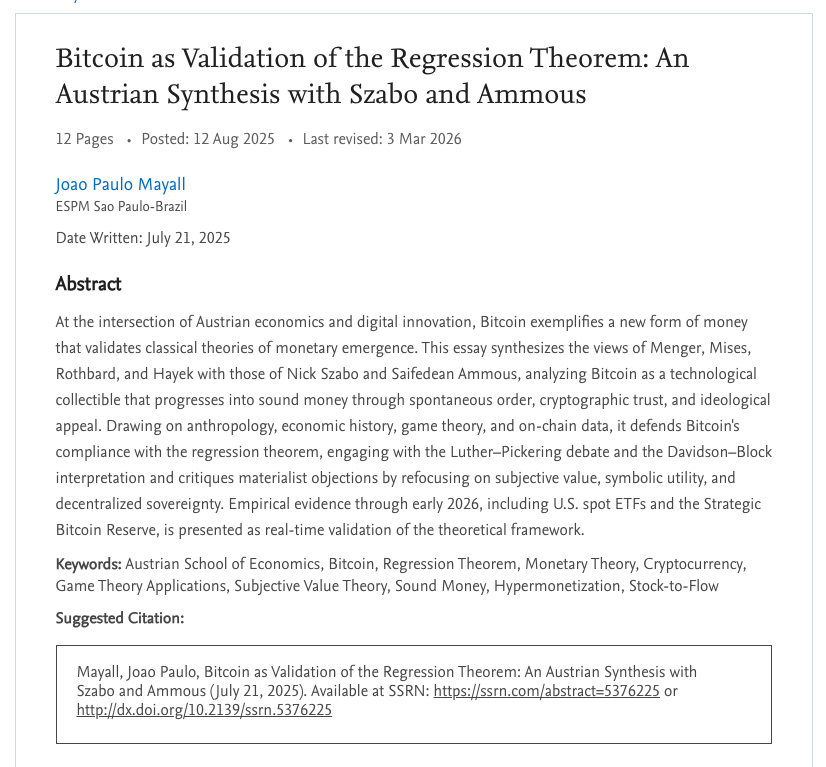
O ouro levou mais de 3.000 anos para ir de ornamento cerimonial a moeda cunhada na Lídia. O Bitcoin fez o mesmo caminho em 16 anos. De collectible cypherpunk a reserva estratégica dos EUA. 23 nações. 194 empresas públicas. 365 milhões de holders. Adoção corporativa 2.5x em 2025. Stock-to-flow já superior ao do ouro. Publiquei a versão final do meu paper na SSRN.
J. P. Mayall tweet media
Português
13
43
464
26.9K
LeoFrade
LeoFrade@leofrade·
@matt_gray_ @grok resuma os principais ensinamentos do video como um playbook a ser implementado
Português
1
0
0
38
MATT GRAY
MATT GRAY@matt_gray_·
how to build a personal brand so magnetic they beg to buy:
English
17
34
302
18K
LeoFrade ری ٹویٹ کیا
Rohan Paul
Rohan Paul@rohanpaul_ai·
🎯🎯“The people who invented refrigeration made some money, but most of the money was made by Coca-Cola, who used refrigeration to build an empire. LLMs are like as refrigeration & the Coca-Cola has yet to be built” ~Chamath Palihapitiya (@chamath)
English
123
525
3.8K
332.2K
LeoFrade ری ٹویٹ کیا
Eric Seufert
Eric Seufert@eric_seufert·
Distribution and the human attention premium That marketing and distribution become the principal challenges of scaling content in an attention landscape awash in it seems like an obvious outcome as production costs collapse. But it has not yet emerged as a coherent theme from the chaotic scrum of competing effects of AI on social media, technology more broadly, and even society as a whole.
Eric Seufert tweet media
English
4
5
31
16.7K
LeoFrade ری ٹویٹ کیا
Hasan Toor
Hasan Toor@hasantoxr·
BREAKING: Someone quietly built the first AI assistant that runs on a $5 chip. It’s called MimiClaw and it's a full @OpenClaw style agent running on an ESP32 microcontroller without @Linux It’s built with local-first memory and privacy by default. No Linux. No Mac mini. No Raspberry Pi. No VPS. 100% Opensource. MIT License.
Hasan Toor tweet media
English
52
105
594
59.9K