Dr. I | N+Years

676 posts

Dr. I | N+Years banner
Dr. I | N+Years

Dr. I | N+Years

@nplusyears

Family doctor (MD). In the trenches of care, filtering hype from longevity science. Follow for evidence-based prevention & longevity insights.

شامل ہوئے Mayıs 2025
154 فالونگ97 فالوورز
پن کیا گیا ٹویٹ
Dr. I | N+Years
Dr. I | N+Years@nplusyears·
Longevity medicine needs more than new tools- it needs a way to think clearly about them. As a primary care physician, I’m working on a framework to evaluate interventions and measurements. Not as a researcher, but as the one who applies them in practice. Will share process.
English
0
0
2
246
Dr. I | N+Years
Dr. I | N+Years@nplusyears·
@ZKForTre The evidence base is strong. The harder part is what happens after the prescription- whether patients accept it and stay on it.. In practice, adherence and perception often matter as much as the data.
English
0
0
1
166
🐊ZK For Tre🐊
🐊ZK For Tre🐊@ZKForTre·
Notice an almost total absence of hard endpoints discussed here. Here are things he (likely deliberately) left out: 1. A1c increases from statins are a static 0.1-0.3% 2. Statin efficacy in **actually preventing cardiovascular events** is highest in diabetics. 3. There is causal evidence for ldl/apoB as a driver of ascvd (heart disease) across countless experimental modalities (jamanetwork.com/journals/jama/…). 4. Don’t like the 0.1-0.3% increase in A1c or the 10-20% increase in fasting insulin from statins? Check if PCSK9 inhibitors or low-dose statins plus ezetimibe— look what they can do as a function of their ldl lowering: nejm.org/doi/full/10.10… jamanetwork.com/journals/jamac… 5. There is no evidence that the very mild glycemic side effects of statins cut into their efficacy in any potential population. 6. Those who develop more calcified plaque on statins actually do better than those who develop less (or are roughly equivalent in some analyses) because it is a process of plaque stabilization. Calcified plaque is less prone to rupture. pmc.ncbi.nlm.nih.gov/articles/PMC83… This guy interpreted almost everything he talked about incorrectly. I’m not sure if it’s worse of that was intentional or based in ignorance.
Dr. Stephen Hussey, DC@DrStephenHussey

Statin drugs (cholesterol lowering medications) have been shown to increase insulin resistance and diabetes (PMID: 34433928, 36965747, 29081977), which is one of the biggest risk factors for developing plaque. Further, research has shown that those who take statins have increased amounts of calcified plaque compared to those who don't take statins (PMID: 25655639, 22875226, 17909945, 16449511). It's crazy that our medical system wants to lower LDL, which does not cause heart disease, with a drug that actually increases your chance of getting heart disease. The worst part is the measuring and micromanaging cholesterol levels has been a big distraction from the actual causes of heart disease, which gives people a false sense of security. A study found that 75% of people who had a heart attack had normal to optimal cholesterol levels (doi.org/10.1016/j.ahj.…) If you want to learn the actual causes of heart disease and heart attacks and how to prevent them, click the link below to learn more about my heart health mentoship program. stephenbhussey.com/register

English
5
8
71
9K
Dr. I | N+Years
Dr. I | N+Years@nplusyears·
@PeterDiamandis Some of the least exciting work in clinic is convincing someone to complete a FIT test or colon screening. But those are the cases that never come back with cancer.
English
0
0
0
149
Peter H. Diamandis, MD
Peter H. Diamandis, MD@PeterDiamandis·
When cancer is found early, the chances for a cure are dramatically higher. The controversial part: most people never look. Don't wait for symptoms.
English
46
27
408
46.2K
Dr. I | N+Years
Dr. I | N+Years@nplusyears·
@TheDrMAWZ I can relate to this. Prescribing a medication is often the easy part.. Working with a patient over time on diet, activity, or smoking is far more demanding- for both the patient and the physician. That’s where most of the work actually is.
English
0
0
1
6
drMAWZ
drMAWZ@TheDrMAWZ·
The healthcare system is optimized to bill you at peak disease. Not to prevent it. Preventive medicine is expensive in time and cheap in cost. Sick care is cheap in time and catastrophically expensive in cost. The math is obvious. The incentives aren't.
English
1
1
6
210
Dr. I | N+Years
Dr. I | N+Years@nplusyears·
Deprescribing is an important direction. We already accept that mildly elevated TSH in older adults doesn’t always need treatment. Still, stopping therapy when an abnormal value remains feels uncomfortable.. These data help, but applying them in clinic isn’t straightforward.
JAMA@JAMA_current

In adults ≥60 years, 26% discontinued levothyroxine while maintaining thyroid function, with 64% success for doses ≤50 μg/d, and no clinically important changes in thyroid-related symptoms. 🧵 ja.ma/41TS48I

English
0
0
0
31
Dr. I | N+Years
Dr. I | N+Years@nplusyears·
@hyderabaddoctor Risk isn’t as binary as it used to be. With Lp(a), ApoB, residual risk, and cumulative exposure, many patients don’t fit neatly into “treat vs don’t treat.” That’s where the real challenge is.
English
1
0
2
290
Dr Sudhir Kumar MD DM
Dr Sudhir Kumar MD DM@hyderabaddoctor·
Seeing posts of people especially physicians taking statin + ezetimibe “just in case”? Don’t fall for it. These drugs are not general wellness supplements. ✅They are meant for selected group of people: • Established Coronary Artery Disease • Prior stroke • Diabetes (selected patients) • Very high LDL • High calculated cardiovascular risk You usually do NOT need statins or ezetimibe if you have: • Normal reports • No major risk factors • Low overall risk ▶️Important truth: Medicines are not harmless. Statins can cause muscle symptoms (myalgia, rhabdomyolysis), liver enzyme elevation and rare metabolic effects including diabetes. Therefore, benefits must clearly outweigh risks if you decide to take statins. 🔴Biggest mistake is starting lifelong medication without proper risk assessment. ✅You should focus on: • Exercise • Healthy diet • Optimum Sleep • Blood pressure control • Regular screening “Take statins when indicated. Not out of fear.” Dr Sudhir Kumar (@hyderabaddoctor)
English
53
54
399
81.1K
Dr. I | N+Years
Dr. I | N+Years@nplusyears·
56M with obesity and diabetes started tirzepatide. A month in- significant weight loss. On follow-up, he shared he’d “figured out a way” to be more active at work: using a restroom 5 floors up just to take the stairs. No program. Just something that repeats every day.
English
0
0
0
19
Dr. I | N+Years
Dr. I | N+Years@nplusyears·
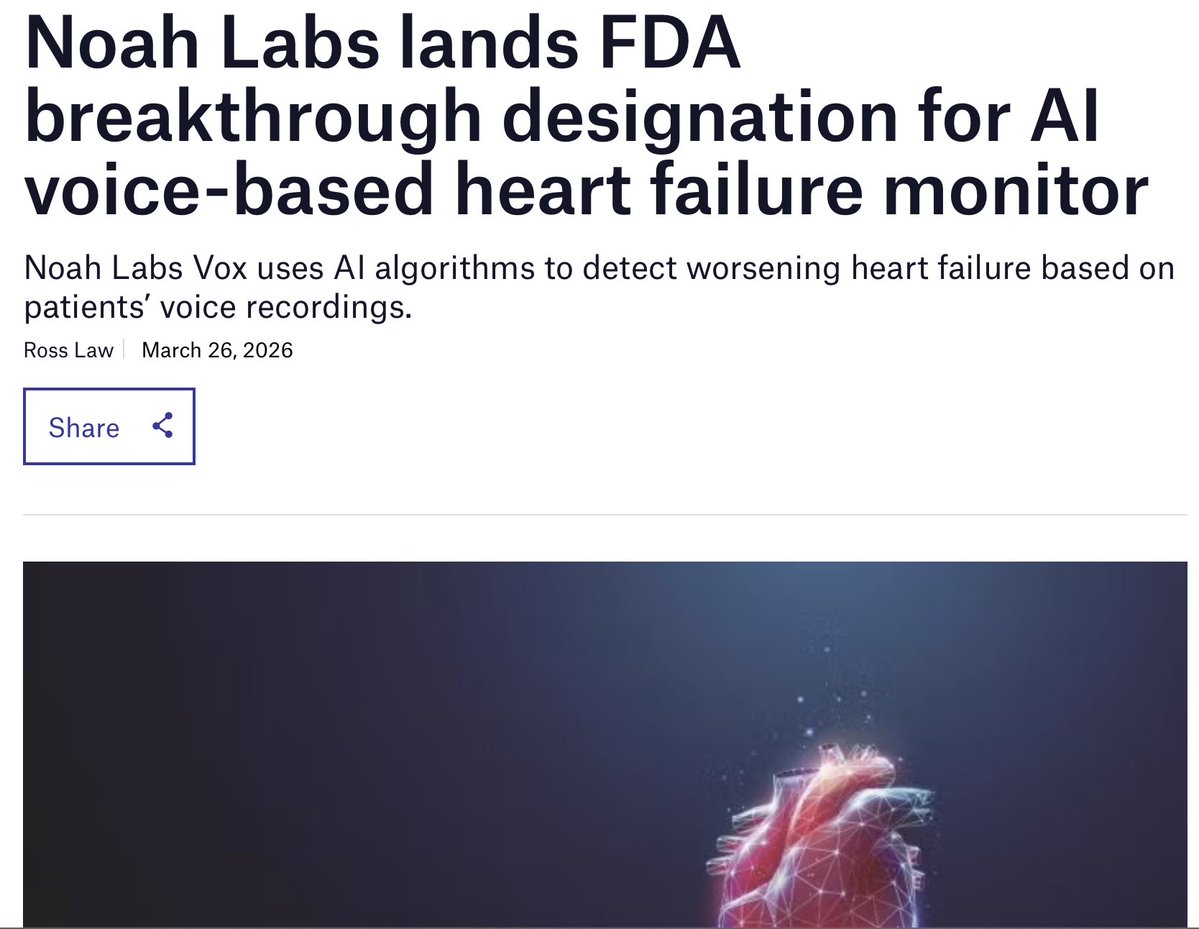
@kimmonismus In clinic, HF monitoring is still quite crude- weight, edema, exam, and we adjust diuretics based on imperfect information. The real shift would be catching deterioration before it becomes clinically obvious.
English
0
0
0
27
Chubby♨️
Chubby♨️@kimmonismus·
Very exciting breaktrough: An FDA-designated AI tool called Vox can analyze just five seconds of a patient’s voice to detect signs of worsening heart failure, using patterns linked to fluid buildup that humans cannot hear. Trained on more than 3 million voice samples and supported by five clinical trials, it points to a huge shift in healthcare: cheaper, earlier, phone-based detection for a disease affecting 64 million people worldwide and costing the U.S. over $30 billion a year. I love it.
Chubby♨️ tweet media
English
12
48
389
32.4K
Dr. I | N+Years
Dr. I | N+Years@nplusyears·
Most of my work happens in fragments- between clinic, kids, and everything else. Not ideal, but real. Learning to build in fragments might be the only way anything gets done long term.
English
0
0
0
10
Dr. I | N+Years
Dr. I | N+Years@nplusyears·
@DrMauinforma I relate to this. In primary care, the harder part isn’t choosing lifestyle vs pharmacology- it’s that both break down over time.. Lifestyle is hard to sustain, meds are hard to stay on. That’s where most of the work is.
English
0
0
0
332
Mauricio Gonzalez MD.
Mauricio Gonzalez MD.@DrMauinforma·
I don’t get mad at folks for exalting lifestyle medicine over pharmacology. I was once one of those. I thought diet and exercise could cure everything. I was fortunate enough to be able to be skeptical of my own ways. Today, I give value to both in equal measures.
English
23
12
215
15.7K
Dr. I | N+Years
Dr. I | N+Years@nplusyears·
@Mangan150 I see this every day in clinic.. Lifestyle change is essential, and very hard to sustain. GLP-1s help, but come with cost, adherence, and long-term questions. Neither fully solves the problem on its own.
English
0
0
1
92
P.D. Mangan Health & Freedom Maximalist 🇺🇸
Have GLP-1 drugs won? Judging by both sentiment here on X and the enthusiasm for them in healthcare, they have. Those of us who asserted that they're a band-aid for obesity, that you could get similar results by ditching ultra-processed food, increasing protein intake, and getting exercise, have lost. I get the enthusiasm for these drugs: people who have struggled with obesity finally found something that helped, even if it's not exactly a cure. Doctors, after years of talking to patients about lifestyle changes with no results, are also happy. Pharmaceutical companies are also enthusiastic, with new versions being developed and new companies jumping in, as these drugs are highly profitable. With possibly a large fraction of the population eventually taking these drugs, potentially for life, one can see why. Yet the fact (or opinion, anyway) that people are addicted to ultra-processed food, that this food is accepted as normal by almost everyone, and that doctor's advice to eat less and move more is one of the most ineffective pieces of weight-loss advice, remains. Two-year discontinuation rates of these drugs reaches 72% (although much of that is due to the cost), but discontinuation due to adverse effects (nausea and other G.I. symptoms) is high. A large fraction of people who stop using these drugs regain most of the weight they lost. "Discontinuation typically leads to substantial regain (often 50–75% or more of lost weight within 1 year, approaching baseline within 1.5–2 years), along with reversal of cardiometabolic benefits." (Grok) Finally, a large fraction, up to 40%, of the lost weight on these drugs is lean mass (muscle, mainly), not body fat, which is not good. To be fair, this may not be due to the drugs themselves, and may be similar to the effects of crash dieting with low protein intake and no resistance exercise. What is to be done? Beats me. But true health is not to be found in a drug, IMO.
P.D. Mangan Health & Freedom Maximalist 🇺🇸 tweet media
English
52
19
168
22.7K
Dr. I | N+Years
Dr. I | N+Years@nplusyears·
Personal experiences with statins, diets, GLP-1s are everywhere now. Easy to relate to, and easy to overinterpret. What works for one person doesn’t map cleanly to population risk.
English
0
0
0
34
Dr. I | N+Years
Dr. I | N+Years@nplusyears·
@biogerontology Appreciate you sharing this, I see similar effects in clinic.. The harder part is integrating these therapies responsibly while evidence is evolving- clear short-term benefit, but uncertainty around long-term use and broader indications. Curious how you think about that tradeoff.
English
0
0
0
67
Alex Zhavoronkov, PhD (aka Aleksandrs Zavoronkovs)
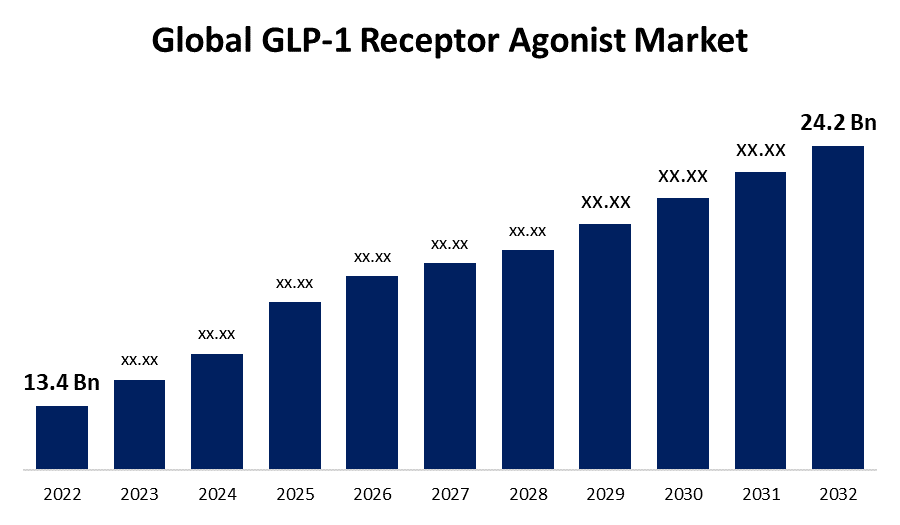
Life is a marshmallow test. Incretin modulators help you win while staying happy. I often ask big audiences - "how many of you are on GLP1?" and only a couple hands go up. Sometimes, none. That's when I understood that the market still had a lot of room to grow. And it is not just about cost down, optionality and transition to small molecules. It is also about education. Since I started low-dose semaglutide and transitioned to tirzepatide (I think GIP is very important for both agonism and antagonism), my life has changed to the level where I am finally feeling a little bit happy even though I am still aging and in most areas past PeakSpan. It also seems to give leaner and stronger muscle after resistance training, improve flexibility, and reduce inflammation. I know, I sound like the guy who used mRNA on his dog - there needs to be clinical trials and statistical significance to make any kind of claims. But GLP1s clearly show us the path toward longevity therapeutics. We do need to measure more markers and lifestyle feedback in clinical trials for next-generation GLP1s and other potential longevity therapeutics.
Alex Zhavoronkov, PhD (aka Aleksandrs Zavoronkovs) tweet media
English
9
4
58
3.2K
Dr. I | N+Years
Dr. I | N+Years@nplusyears·
@cremieuxrecueil I see this a lot in clinic, especially in metabolic syndrome. It’s not just evidence.. it’s the feeling of control. A supplement feels like a choice. A statin or GLP-1 often feels like something done to you, even when the intent is to help.
English
1
0
1
280
Crémieux
Crémieux@cremieuxrecueil·
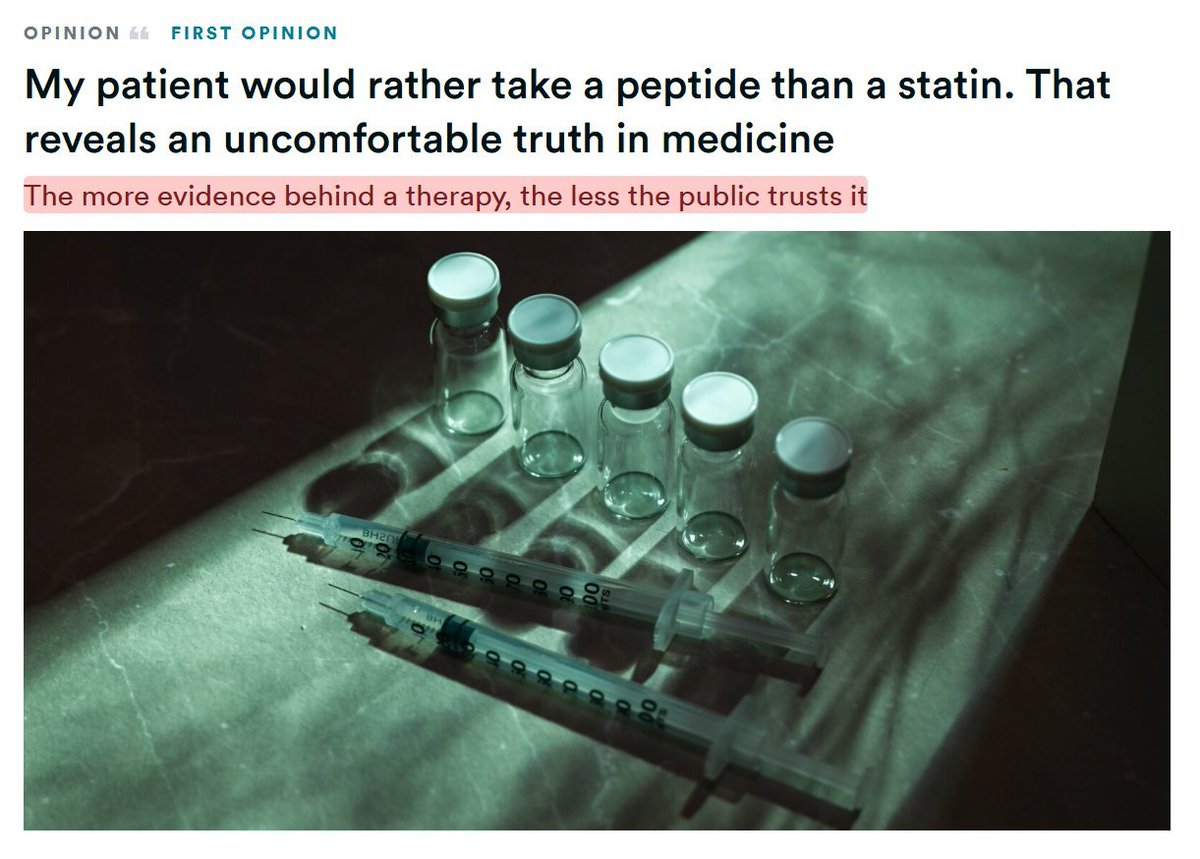
This is a really good point: There's a lot of online/patient skepticism of the most well-studied, safe, and effective drugs out there, and a lot less skepticism of drugs that sometimes have literally no human studies We have drugs that can save millions of lives, with no trust
Crémieux tweet media
Adam Feuerstein ✡️@adamfeuerstein

My patient would rather take a peptide than a statin. That reveals an uncomfortable truth in medicine statnews.com/2026/04/03/pep… via @statnews

English
40
64
792
66.1K
Dr. I | N+Years
Dr. I | N+Years@nplusyears·
@agingroy @DiabetesCare The label matters, but in primary care the bigger issue is what we actually do with it. Whether it’s called “prediabetes” or early T2D, management often ends up looking the same.. Not sure how much changes in practice just by relabeling.
English
2
0
4
692
Avi Roy
Avi Roy@agingroy·
98 million Americans are labeled "prediabetic." A group of leading diabetes specialists says that word should be retired. Their proposal in @DiabetesCare: replace "prediabetes" with three stages of Type 2 diabetes. Because people in the "pre" category already show elevated cardiovascular risk, higher rates of kidney disease, and measurably impaired insulin signaling. The word "pre" creates a false sense of safety. "You're not diabetic yet" sounds reassuring. It shouldn't be. Without intervention, more than half of people with prediabetes develop Type 2 diabetes within 15 years (Diabetes Prevention Program, NEJM). Cardiovascular damage starts years before blood sugar crosses the official diagnostic threshold. The @AmDiabetesAssn hasn't adopted the change. The debate is live and contentious. The most dangerous word in your medical record might be "pre."
Avi Roy tweet media
English
12
42
136
45.6K
Dr. I | N+Years
Dr. I | N+Years@nplusyears·
How much data do we actually need for primary prevention? LDL, Lp(a), A1c/glucose, BP, maybe CAC often feel enough. Not always clear when additional markers (ApoB, NMR) meaningfully change decisions. Curious how others approach this.
English
0
0
0
16
Dr. I | N+Years
Dr. I | N+Years@nplusyears·
@AnnalsofIM The results are impressive- including how patients feel. In primary care, many of the patients who would benefit most (obesity, long-standing T2D, lower socioeconomic status) often can’t access these therapies.. At some point, access matters as much as efficacy.
English
0
0
0
14
Annals of Int Med
Annals of Int Med@AnnalsofIM·
NEW: An analysis of patient-reported outcomes from the SURPASS-SWITCH trial found that adults with #Type2Diabetes who switched from dulaglutide to #tirzepatide not only saw stronger improvements in blood sugar and weight but also reported feeling emotionally better. bit.ly/4seYA4O
Annals of Int Med tweet media
English
1
5
11
858
Dr. I | N+Years
Dr. I | N+Years@nplusyears·
@FCademartiri I agree. In primary care, the most meaningful breakthroughs often come from simple conversations- smoking cessation, lifestyle shifts.. not from more data. Yet most of our time is spent on documentation. Feels like tech should be buying back human time, not consuming it.
English
0
0
0
17
Dr. Filippo Cademartiri
Dr. Filippo Cademartiri@FCademartiri·
I have the feeling that in the not too distant future the most costly (priceless) thing in healthcare will be a long enough time with your Doctor. I mean a real one.
English
2
1
7
675
Dr. I | N+Years
Dr. I | N+Years@nplusyears·
@MarcosArrut Powerful framing. One difference- cancer progress came after decades of biology, and translation was still slow.. With aging, we’re often intervening in people who are still well, where small harms can outweigh uncertain long-term benefit.
English
0
0
0
29
Marcos Arrut
Marcos Arrut@MarcosArrut·
Just as cancer stopped being a death sentence and became a technical problem, aging will follow the same path: dying at 80 will be a historical anomaly. That's all.
Marcos Arrut tweet media
English
7
16
133
2.8K