Da7em@Da7_Tech
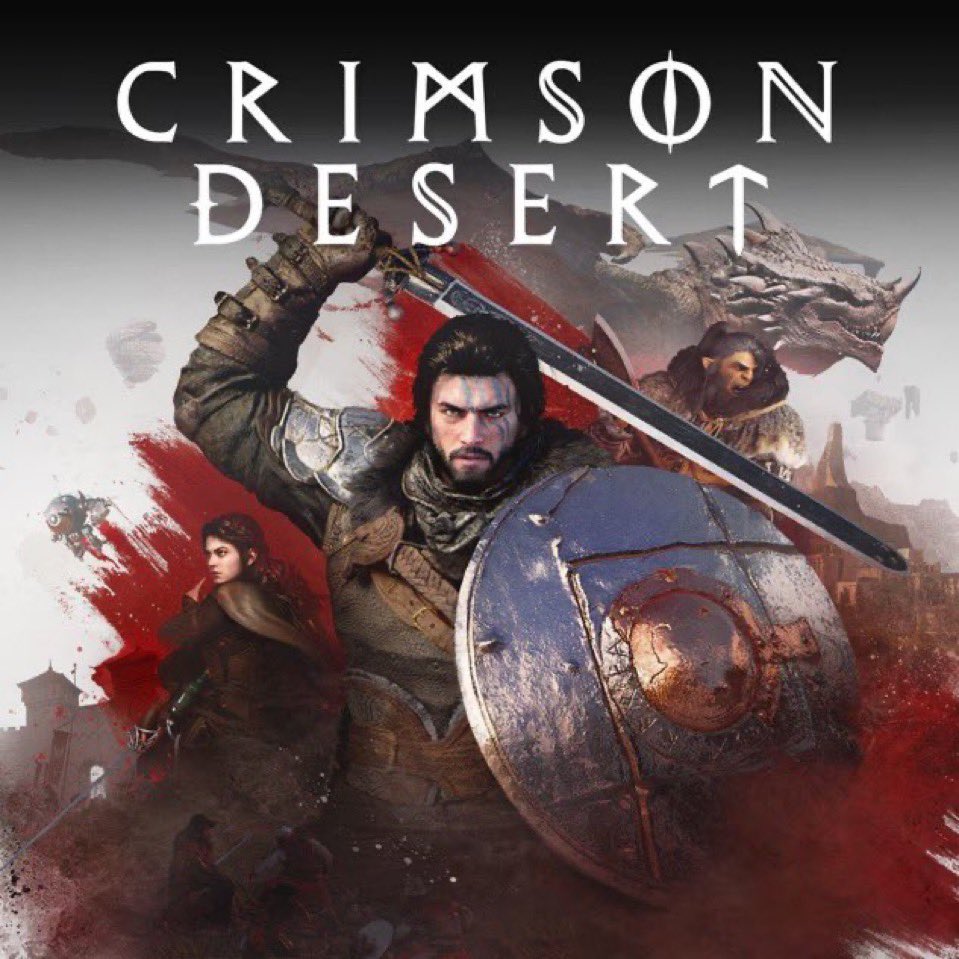
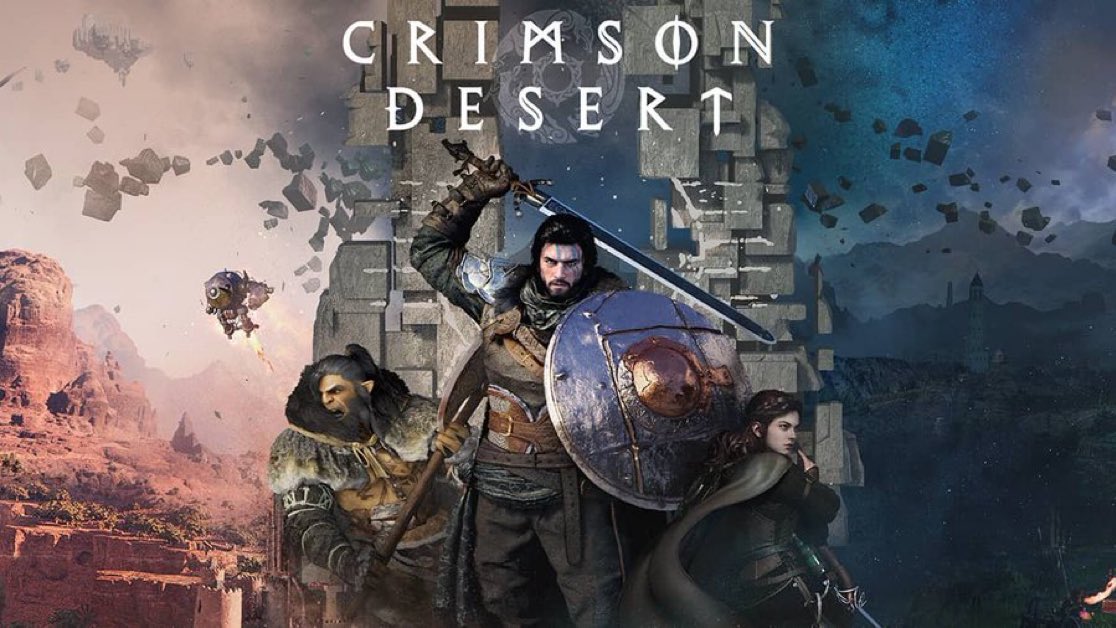
Let's be real for a second — when a game comes out with a massive, breathing open world, multiple ways to tackle every mission, jaw-dropping combat mechanics, stunning visuals, and environments so rich and detailed that you could get lost in them for hours, and it still walks away with a score in the low 40s or 50s… something is seriously wrong. And I'm going to tell you exactly what that something is.First, let's address the elephant in the room: this is a Korean studio. And whether people want to admit it or not, a significant chunk of the Western gaming press carries a bias that they've never been held accountable for. We've seen this pattern play out with Asian titles time and time again. The scores don't feel organic — they feel coordinated. Look at the distribution: 100, 95, 90, 85, 80, 70 — it reads like a spreadsheet, not a collection of independent opinions. And then out of nowhere, one outlet drops a 45 or a 50? On a game with the level of craft and ambition we saw in those trailers? Come on. We've all watched genuinely mediocre games — games with stiff mechanics, forgettable worlds, and zero originality — cruise right past the 70-point mark without breaking a sweat. So what exactly is going on here?There's a second layer to this, and it goes beyond cultural bias. The studio made a strategic call — they locked down review access and didn't hand outlets the usual early-access golden ticket to farm views and engagement before launch. They wanted the community to experience the game first, not have it burned down before it even hit shelves. And look, I respect that vision. But the gaming media machine does not. These outlets are used to being the gatekeepers. Take that away from them, and suddenly a 9/10 game becomes a 4/10 in their hands.And here's the part nobody wants to say out loud but everybody knows is true: the check never cleared. The studio didn't pay to play. No sponsorship deal, no paid coverage package, no backroom arrangement that keeps certain outlets "motivated" to be generous. And in an industry where that kind of transactional relationship has quietly become the norm, showing up without the envelope has consequences. It's not about the game anymore — it's about the message it sends. You don't play ball, you don't get the benefit of the doubt. It's that simple, and it's that ugly.And then there's the unspoken checklist. You know the one. The West has its own set of cultural demands it likes to see reflected in the games it crowns. Certain character types, certain narratives, certain ideological signals. When a game doesn't check those boxes — when it just builds a world based on its own creative identity without bowing to outside pressure — it gets punished in the press. That's not a conspiracy theory. That's a pattern.The Crimson Desert footage spoke for itself. The world was alive. The combat was fluid and brutal in the best way. The environments had layers — actual layers, not the hollow open-world padding we've been served and called "expansive" for years. No game with that DNA deserves a score that low. None. And when the players actually get their hands on it, that gap between critic scores and audience reception is going to be loud. It always is. It's just a shame the damage gets done before the truth catches up.