
置顶推文
Pykus
68.2K posts


Pykus
@PykusPiraticus
-=Sell your coat, buy a sword =- -=🇬🇧Restore Britain🇬🇧=- -=Be the change=-
-=Camp of Saints=- 加入时间 Ağustos 2012
1.8K 关注1.1K 粉丝
Pykus 已转推

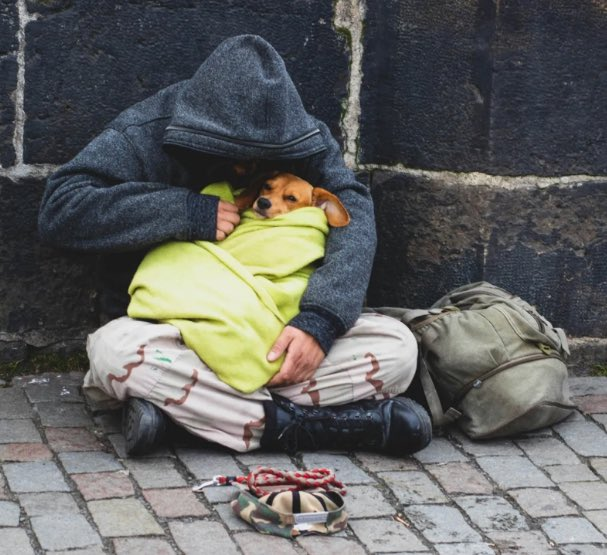
DAVID LAMMY AND GUYANESE BIG OIL: THE STORY LABOUR DOESN'T WANT YOU TO READ
While serving as Britain's shadow foreign secretary in 2022, @DavidLammy was publicly announced as a director of Guyana's sovereign wealth fund, the Natural Resource Fund, worth $741 million at the time.
The appointment was made in an official press release from President @presidentaligy's office on April 20, 2022.
Lammy says he never accepted the role and received no payment. But here's the problem: he didn't correct the announcement for over four months. His spokesman won't explain how a foreign government announced his appointment without his agreement.
That's not all. Until September 2024, two months after becoming foreign secretary, Lammy held share options in Pomeroon Trading, a Guyanese company selling carbon credits, and served as an unpaid adviser. He promoted their stock market listing in 2019.
Guyana is now the world's fastest-growing economy on the back of ExxonMobil's offshore oil. Yet 58% of its people live in poverty on less than £5 a day.
The sovereign wealth fund Lammy helped push for? It's reportedly being used to fund government spending and, critics allege, political campaigns.
The questions aren't about corruption. They're about judgment. And right now, the answers are bad.
Source: @spectator | 21 February 2026

English
@scannersjordan @Skint_Eastwood1 His very old poorly dog died quickly and didn't have to deal with the terror that taking it to vet would involve.
English


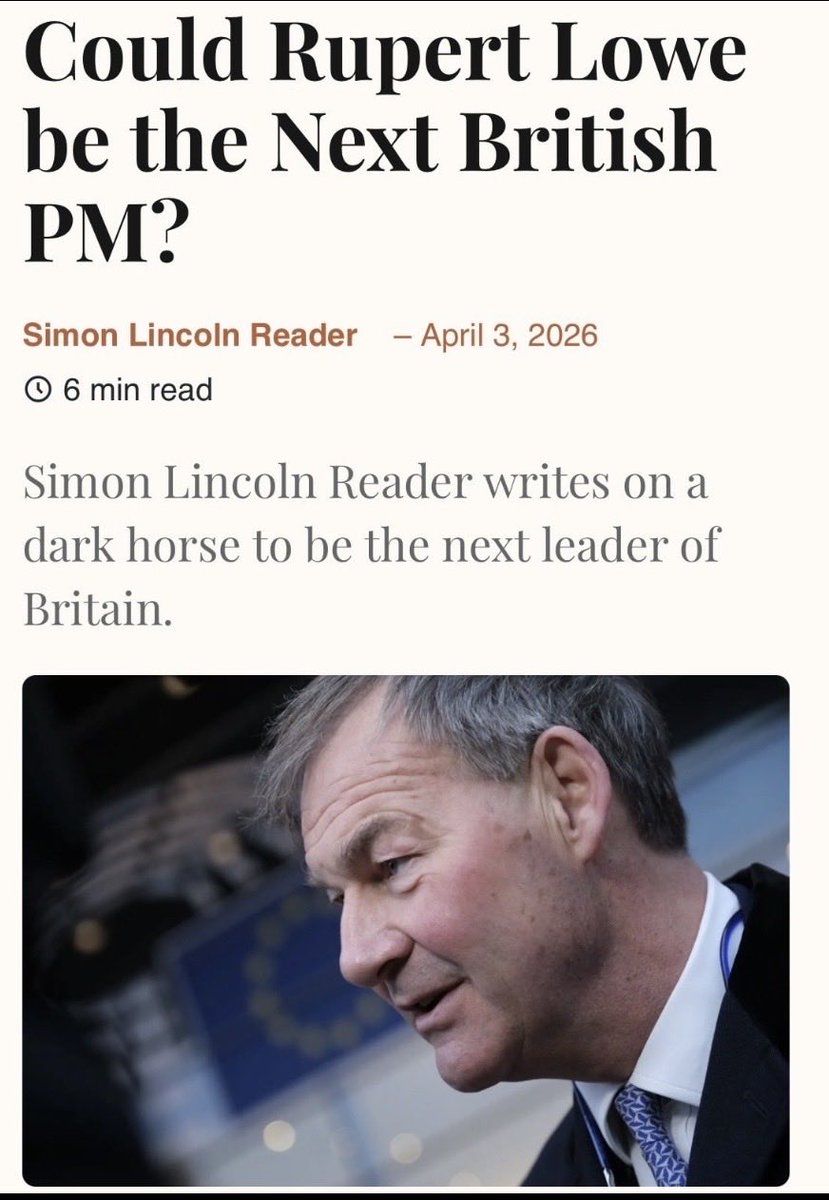
🚨Rupert Lowe on BBC Newsnight SLAMS Nigel Farage for Running a Cult and Trying to Politically Assassinate Him!
Rupert Lowe exposes Nigel Farage and the real reason he tried to politically assassinate him.
It all changed when Elon Musk publicly praised Lowe and was noticeably less complimentary about Farage.
As Lowe explained, “that hurt Nigel.”
Farage has a long history of this: whenever someone becomes too tall a poppy in his orbit, he tends to cut off the head of the poppy.
Lowe didn’t mince words: “I think Nigel’s running a cult and I think it’s the cult of Nigel. Anyone who has a different opinion is effectively expunged from the cult.”
English
Pykus 已转推
WTF
British man ARRESTED by UK police after a Muslim mob tried attacking him for calling Muhammad a p*dophile.
The UK has fallen.
English
Pykus 已转推
@NoShirleyNo Extreme reverse broken window policies and we actively import them from France who appear to have an unlimited supply
English

Why do we have SO many fucking criminals??? Fucksake.
Labour to unleash 12,000 shoplifters on the streets telegraph.co.uk/news/2026/04/0…
English
Pykus 已转推

Pykus 已转推

Fire has always been an important part of who we are.

Vinnie Sullivan@VinnieSull1van
The Decline of Britain's Chimneys and Fireplaces ⏳️🔥 Few stop to realise that the absolute abundance of newbuilds we see every day are lacking the chimneys and fireplaces which not only kept our ancestor's warm, but formed a very homely and familiar aesthetic. This short video alludes to the heartbreaking reality being imposed upon architecture, society, and seemingly, nature itself. As I've said before, if you disagree, please understand that those of us with this opinion are entitled to our say, especially concerning matters of preservation. I'd like to thank Seb and Steven at the wonderful Queen's Head pub (66 Acton Street, London WC1X 9NB) for kindly facilitating this video. Be it Britain's lost and living pubs, or our homes, the flickering flame has watched us strive through thick and thin for longer than it hasn't. It's bad enough seeing today's attack on architecture, but, to then tell us that something so normal should become a thing of the past is an attack on mother nature herself. Convenience is of course nice, but we should always have the option, and right to sit in front of an open fire. If you agree with what's been said here, then kindly share it to raise discussion and awareness among other like minded people. Join me here, or/and over at @Britains___Pubs to see similar content. You can also check out my upcoming tours that cover not only pubs but the extensive history surrounding them over at @PubHistoryTours. Thank you all for your viewership, and support. It really is the fuel to my fire. 🤝 All photographs taken by @VinnieSull1van Montage Music by Luke Uncaged
English
@FemaleScotlandV Addict aggregation devices, they know it, it's part of their overarching management plan.
English

Some people seem to see - from a distance - the drugs consumption rooms as being positive for those with addiction. That overlooks what happens to all of those in an area where these are situated, invariably the most deprived and vulnerable areas in Scotland.
They attract dealers and organised crime gangs who prey on those who have addictions, with their previously illegal activity now de facto legitimised by the state.
Because the room is not open on a 24/7 rotating basis similar to for example an A&E department, there is a cut off time for ‘consumption’ which is when those with addiction will stock up on paraphernalia and then disperse into the community to continue activities at a set time. This leaves users visibly using nearby, no medical back-up, and scattered used needles found all around the local area.
Some argue it is a point of contact for those with addiction into services who rehabilitate. There are already - multiple - points of contact for those with addiction. Multiple. Rehabilitation is extremely poorly funded.
Couple this picture with the mass movement of men into these areas from places like Pakistan, Afghanistan, and other areas of Africa and the Middle East where the Taliban (and other mafias) control states via drug trafficking, and you can imagine that the problem escalates.
You can also imagine that those who have problems here get pushed further down the pile in terms of having any health needs met, when you then have a city which prioritises foreign homeless people over local homeless people, which is what is making Glasgow the current Asylum capital of the UK.
The drugs which are mainly ‘consumed’ in these rooms are injectable drugs, so the conversation regarding blood borne viruses in this ‘global’ context, hasn’t even been discussed yet.
Beyond that, Glasgow has one, and we have seen quite predictably a rise in drugs deaths.
Drugs are now the number one killer of certain groups of our young men, after suicide, and Trump is correct when he describes the scale and severity of drugs deaths as akin to that of a war.
English

I never thought I’d see the day a 14-year old is shot dead in London and society doesn’t bat an eyelid.
English
Pykus 已转推


Pykus 已转推
Pykus 已转推

An Albanian criminal shoots two people in Italy, gets six years in jail… and now argues he must stay in Britain so he can have more children here.
He’s using ‘right to family life’ and ‘human rights’ to dodge extradition.
Our asylum and extradition system is beyond broken – it’s a joke played on the British public.
English
Genuinely curious what the scientific reason for this phenomenon 🤔

English
Pykus 已转推


Pykus 已转推

Three days ago, Christians in Syria were brutally attacked and had their villages raided by Islamic militants
Today, Keir Starmer rolled out the red carpet for the ISIS terrorist President of Syria
While Christians bleed, Starmer pops the champagne for their butchers
Pure evil
English
Pykus 已转推

Pykus 已转推
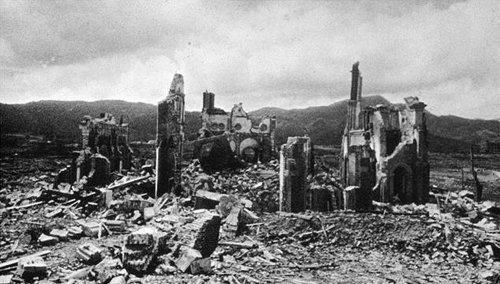
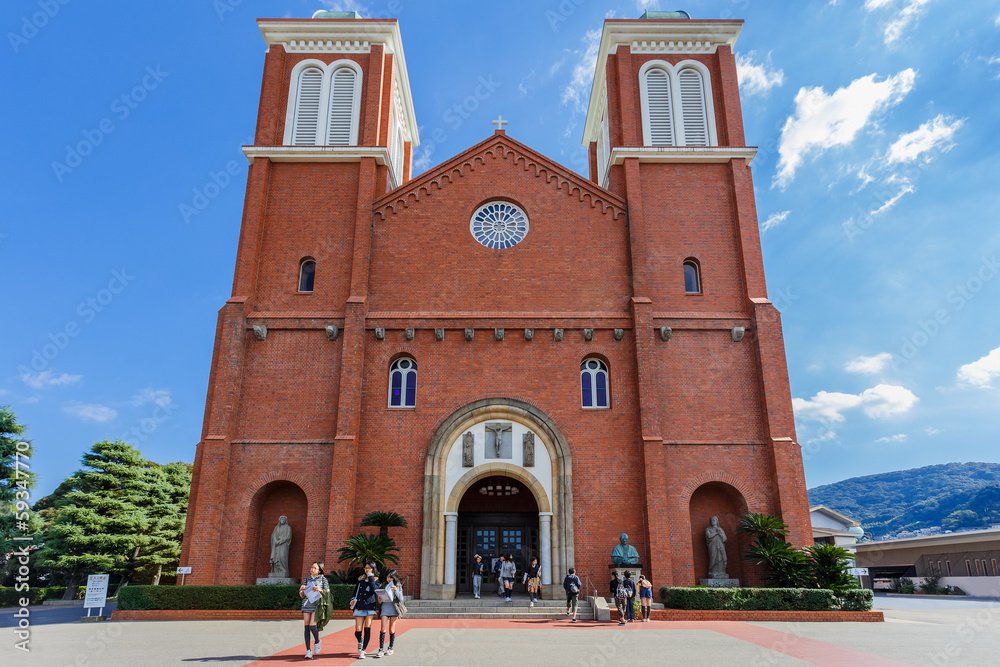
Hiroshima Castle was destroyed in 1945.
A high trust society is a resilient society.


English
Pykus 已转推
Pykus 已转推

She was forcibly taken into care, and by the age of 12 had already been labelled a sex worker and called a “yob” by the police chief. During this time, social workers took her to McDonald’s to keep her quiet, despite her repeatedly reporting rapes between 2011 and 2015. In one instance, police even witnessed a rape, yet arrested her instead.
Some people still don’t fully understand just how deeply the authorities were involved in this abuse.
S A M M Y Woodhouse@officialsammyuk
“Cops saw me being raped by illegal immigrant at 14 but arrested ME & shamed me in press as groomers abused me for years”. ——— And still people will not give this the attention it needs. thesun.co.uk/news/35646841/…
English