Simon Cunningham 已转推
Simon Cunningham
386 posts

Simon Cunningham
@simoncunningham
PhD in phenomenology (Michel Henry). Interested in all things Christian, existential, affective, tangible, embodied. Working on @HolyGroundcom
Holland, MI 加入时间 Mayıs 2009
228 关注231 粉丝
Simon Cunningham 已转推

“There are these two young fish swimming along and they happen to meet an older fish swimming the other way, who nods at them and says "Morning, boys. How’s the water?" And the two young fish swim on for a bit, and then eventually one of them looks over at the other and goes "What the hell is water?”
— David Foster Wallace

English

@bestofstarwar Darth Maul had no backstory, never even spoke a word. Nobody was invested. It was all flash.
English

@dollarsanddata I guess I don't understand why she is surprised by her findings. Is it not common knowledge that growing up poor is more than lacking a college degree, that it affects every aspect of life, and these effects persist after graduation?
English

A lot of this comes down to poorer kids just not knowing what to do.
I didn't know that I had to apply for an internship in the WINTER of my sophomore year to get a sophomore summer internship to leverage into a junior summer internship to get a full-time offer senior year.
Resolution Foundation@resfoundation
Even after graduating from university, people who grew up in poverty face significant pay gaps when compared with their more affluent peers. @annastansbury explains 👇
English

@BR_Diabolical @SpacemanZients @techdroider No, that's not true. Nearly all Android apps work on GrapheneOS. Only a tiny portion of apps banning using an alternate OS with the Play Integrity API are unavailable. 99.999% of overall apps and 90% of banking apps work on GrapheneOS. There are multiple working tap-to-pay apps.
English

This is my device, bought with my own money… just let me use it however I want.
I want to install APKs whenever I want, sideload apps, unlock the bootloader, root the device, and run whatever I choose. It’s my phone, I paid for it, and I take full responsibility for it.
If I make a mistake, that’s on me.
Stop forcing restrictions on everyone and treating users like they can’t decide for themselves.

English

@davidasinclair @LammingLab This study doesn’t show protein powders “accelerating brain aging.” It tested restricting individual BCAAs on Alzheimer’s-model mice, not healthy humans. Your tweet is overstating what the paper actually found.
English

Why protein powders & shakes could be accelerating brain aging
Great work @LammingLab🐁
Lamming Lab@LammingLab
Please enjoy the latest publication from our lab "Restriction of Individual Branched-Chain Amino Acids has Distinct Effects on the Development and Progression of Alzheimer's Disease in 3xTg Mice"
English
Simon Cunningham 已转推

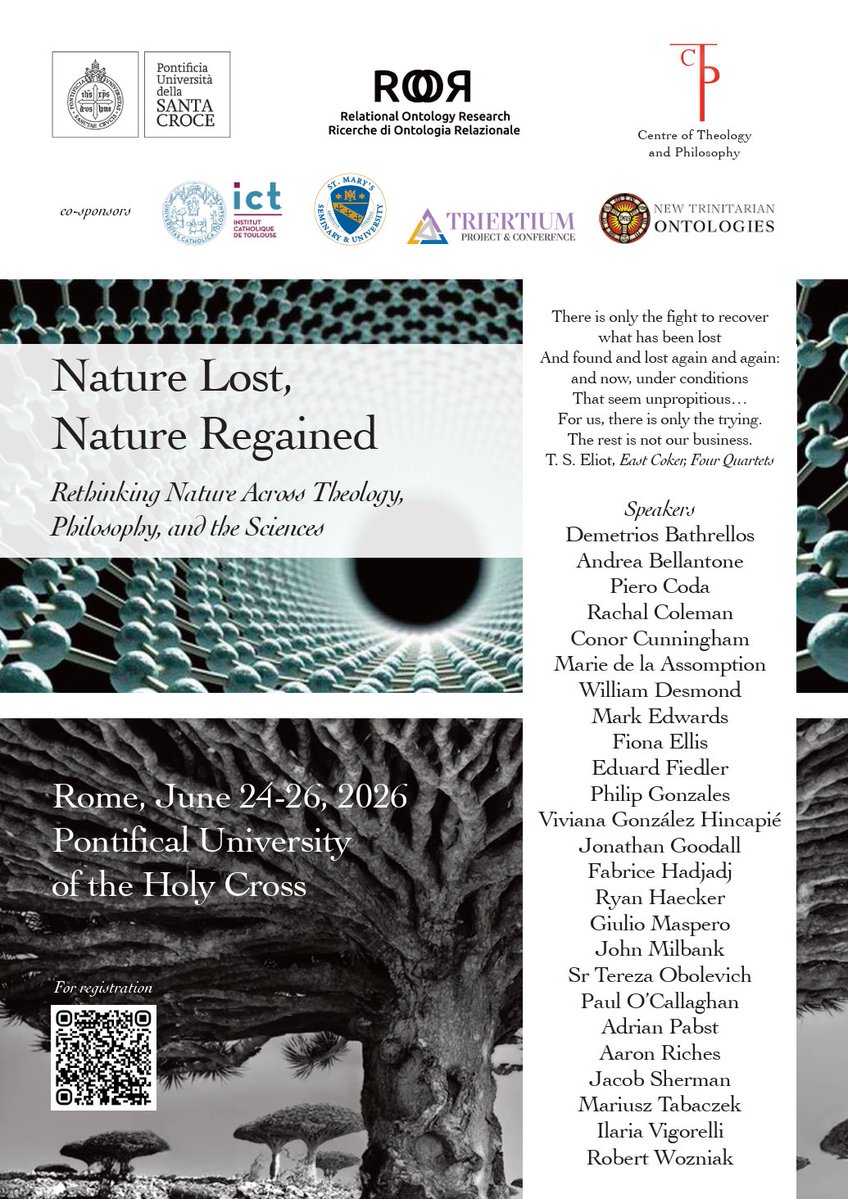
This promises to be a remarkable gathering of some of the most penetrating minds working today at the intersection of metaphysics, theology, and the sciences. If you care about the recovery of a richer vision of nature - beyond reductionism, beyond technocratic abstraction - this is a conversation you will want to be part of. Scholars, students, and thinkers across disciplines: register now before the deadline passes. The question of nature has never been more urgent. Plus, we will be chilling in Rome. 😎

English

A reflection on starting LendingMemo, a peer to peer lending education website: lendingmemo.com/the-end/
English
Simon Cunningham 已转推

@petera354 hey man! I was just listening to CCR a bit ago and thought of you
English

@catholicpat It's more paradoxical than that. My friend says: "There is nothing new under the sun, like the Incarnation."
English

When I open X:
"The new thing is going to change everything!"
When I open the Bible:
"There is nothing new under the sun." (Eccl 1:9)
𝐓𝐡𝐞 𝐀𝐫𝐭 𝐨𝐟 𝐏𝐮𝐫𝐩𝐨𝐬𝐞 🇺🇸@creation247
Me when I open X: Everyone is convinced WW3 is imminent, AI is replicating Skynet, and their life is over. Me when I open the Bible: "Be not afraid" Your inputs decide your reality.

English

Your AI conversations aren't privileged. Yesterday, Judge Jed Rakoff ruled that 31 documents a defendant generated using an AI tool and later shared with his defense attorneys are not protected by attorney-client privilege or work product doctrine.
The logic is simple: an AI tool is not an attorney. It has no law license, owes no duty of loyalty, and its terms of service explicitly disclaim any attorney-client relationship. Sharing case details with an AI platform is legally no different from talking through your legal situation with a friend (which is not privileged).
You can't fix it after the fact, either. Sending unprivileged documents to your lawyer doesn't retroactively make them privileged. That's been settled law for years. It just hadn't been tested with AI until now.
And here's what really hurt the defendant: the AI provider's privacy policy (Claude), in effect when he used the tool, expressly permits disclosure of user prompts and outputs to governmental authorities. There was no reasonable expectation of confidentiality.
The core problem is the gap between how people experience AI and what's actually happening. The conversational interface feels private. It feels like talking to an advisor. But unless you negotiate for an enterprise agreement that says otherwise, you're inputting information into a third-party commercial platform that retains your data and reserves broad rights to disclose it.
Judge Rakoff also flagged an interesting wrinkle: the defendant reportedly fed information from his attorneys into the AI tool. If prosecutors try to use these documents at trial, defense counsel could become a fact witness, potentially forcing a mistrial. Winning on privilege doesn't make the evidentiary picture simple.
For anyone advising clients or managing legal risk, this is a wake-up call. AI tools are not a safe space for clients to process their counsel's advice and to regurgitate their legal strategy. Every prompt is a potential disclosure. Every output is a potentially discoverable document.
So what do we do about it?
First, attorneys need to be proactive. Advise clients explicitly that anything they put into an AI tool may be discoverable and is almost certainly not privileged. Put it in your engagement letters. Make it part of onboarding. Don't assume clients understand this, because most don't.
Second, if clients want to use AI to help process legal issues (and they clearly will, increasingly), then let's give them a way to do it inside the privilege. Collaborative AI workspaces shared between attorney and client, where the AI interaction happens under counsel's direction and within the attorney-client relationship, can change the analysis entirely. I'm excited to be planning this kind of approach, and I think it's where the industry needs to head.
storage.courtlistener.com/recap/gov.usco…
English

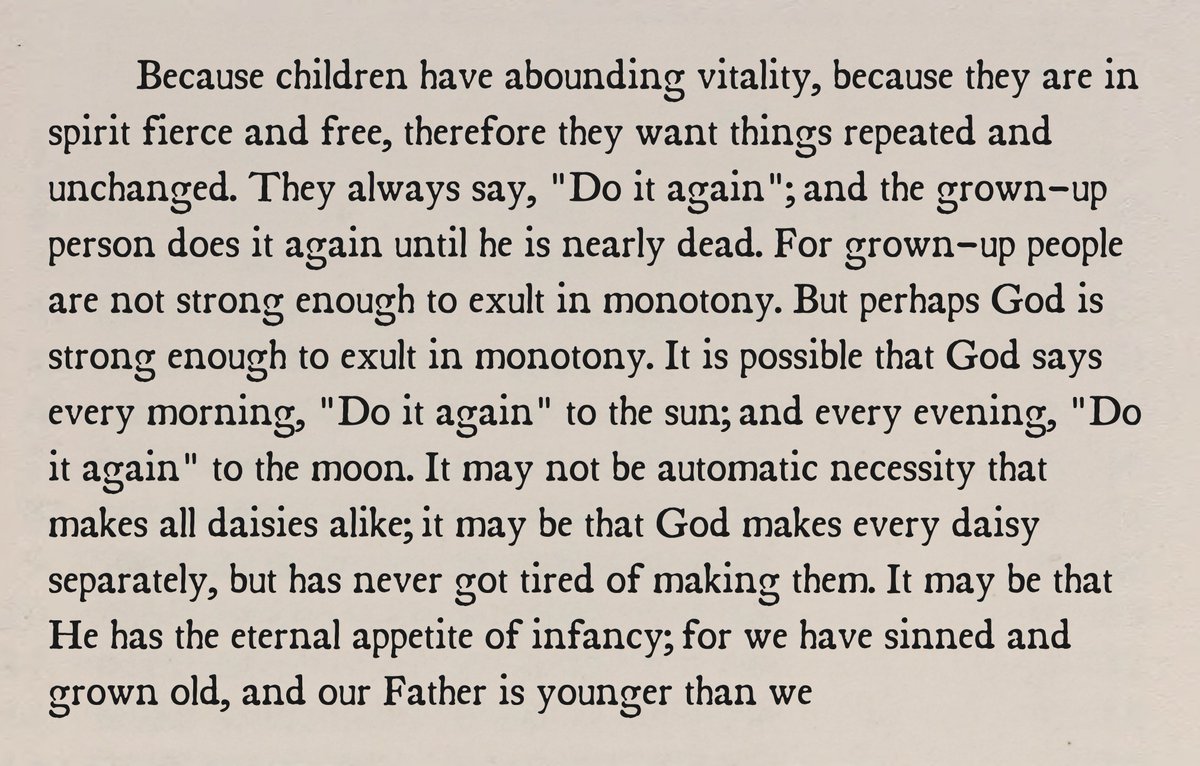
@tillwehvfaces That "Our Father is younger than we" line is of the best ever
English