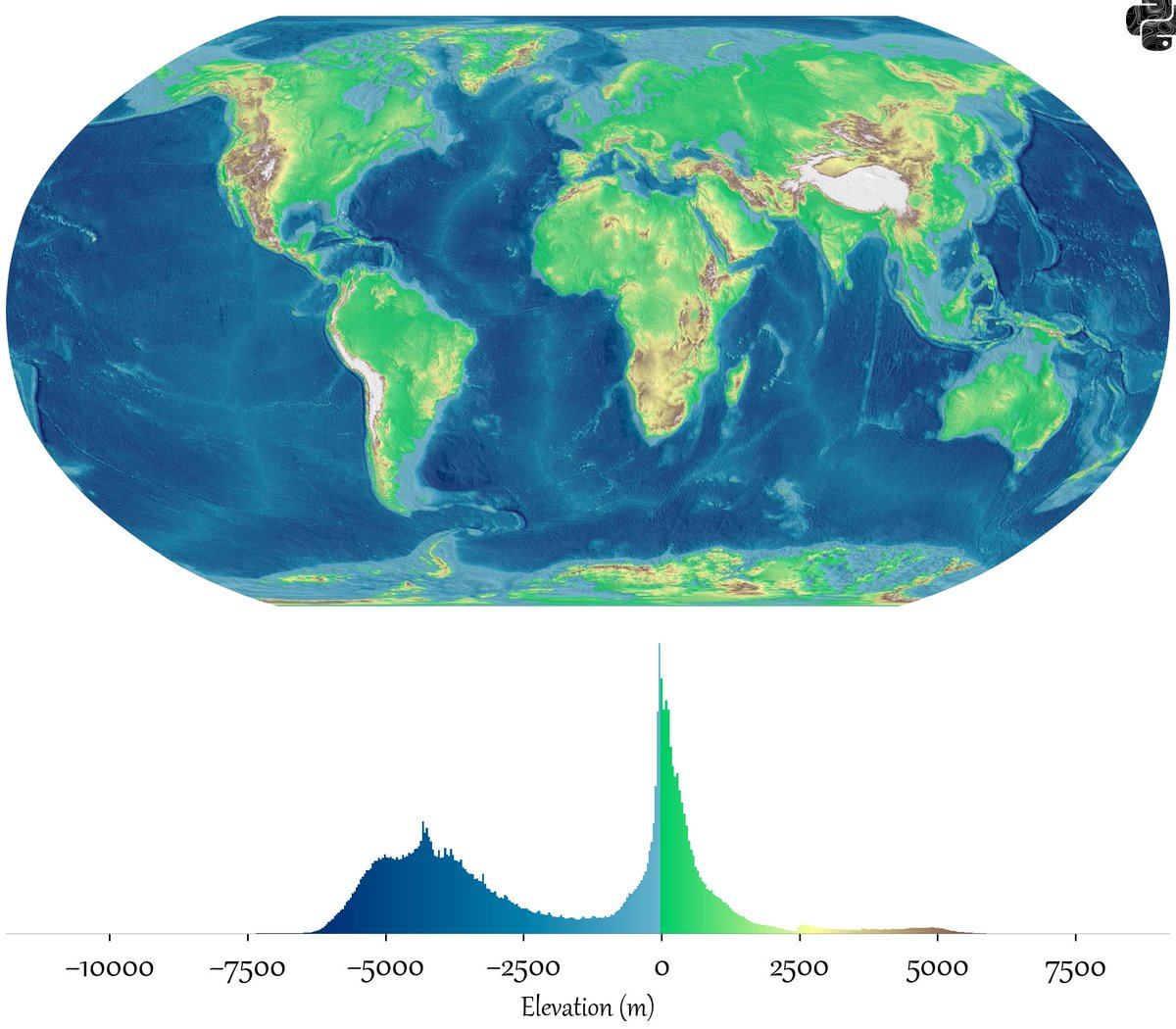
@PythonMaps So I really find interesti g thst there are two groups that dominate on is the ocean floor and the other one are continental crust. Notice, the last one is around zero, so just a bit of more water and most of continents would be under water. Funny coincidence
@PythonMaps Interesting. The bimodal distribution can be explained by there being two types of crust (oceanic and continental) with different densities that thus float at different heights on the denser mantle assthenosphere.
@PythonMaps This is a really interesting chart, but it looks like you've graphed the highest elevations as white on white. As a result the Himalayas etc are invisible on the elevation chart. Try a black background?
Stop paying rent and start building equity. You may qualify to own 635 Valley St for a similar monthly cost. Down payment assistance programs available. Apply today.
"I just purchased these and have been living in them.
Stretchy, lightweight, insanely comfortable. I really couldn’t ask for more from a pair of jeans”.
Begich Introduces Companion Bill to Meet Data Center Energy Demands Without Raising Americans’ Utility Bills
By Natalie Spaulding
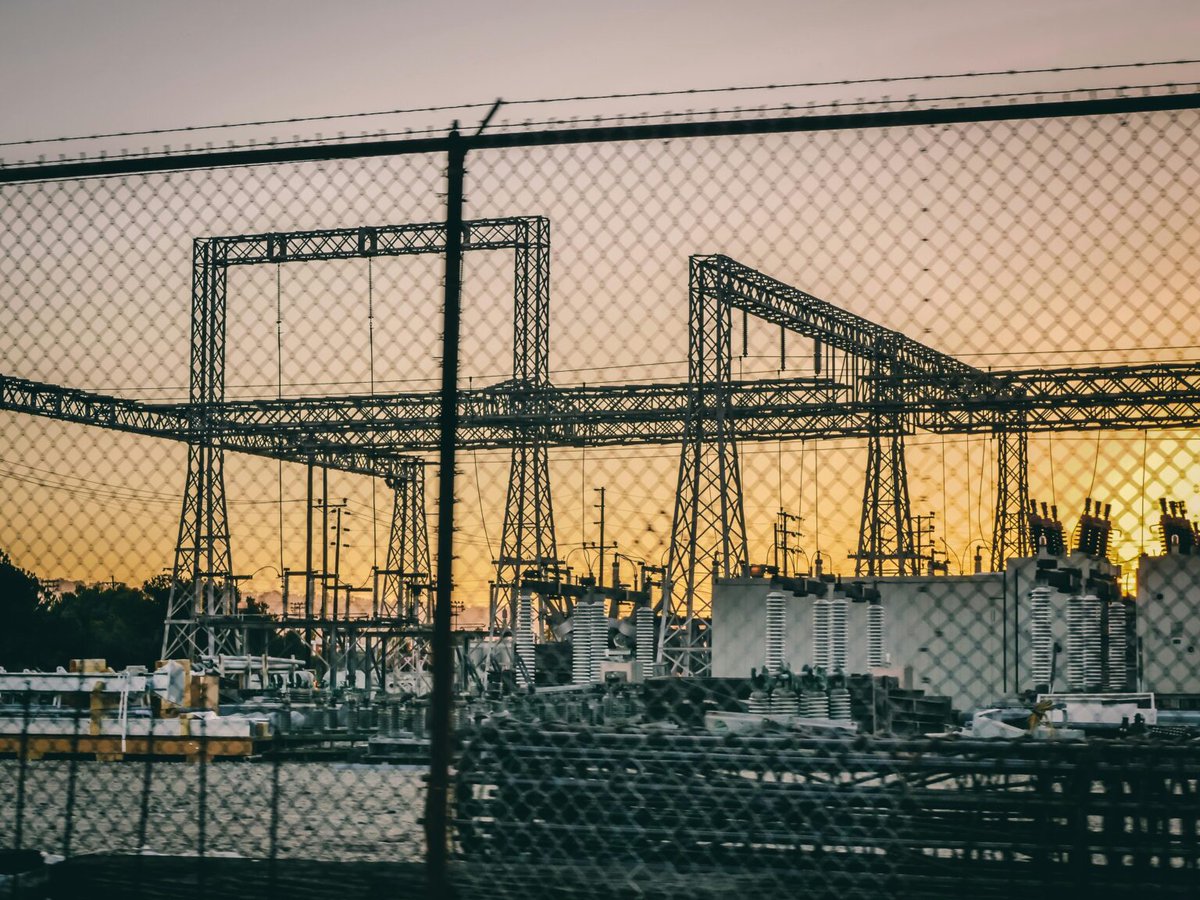
This morning, April 21, 2026, U.S. Representative Nick Begich (R-Alaska), along with Congressman Dan Crenshaw (R-Texas) and Burgess Owens (R-Utah), introduced the House companion bill to the DATA Act of 2026, which seeks to expand energy production without raising costs for Americans.
The Decentralized Access to Technology Alternatives (DATA) Act of 2026 was first introduced by Senator Tom Cotton (R-Arkansas). The bill creates a new category of electric utility: the consumer-regulated electric utility (CREU). CRUEs are off-grid electric systems that are “physically isolated from all regulated utilities, the bulk power system, and the Bulk Electric System.” The Act exempts these off-grid systems from federal regulations under the Federal Power Act, the Federal Energy Regulatory Commission, the Department of Energy, and the Public Utility Holding Company Act of 2005.
Full story in reply.
@NickforAlaska@DanCrenshawTX@BurgessOwens@SenTomCotton