Angela Huffman

498 posts

Angela Huffman banner
Angela Huffman

Angela Huffman

@AngelaSHuffman

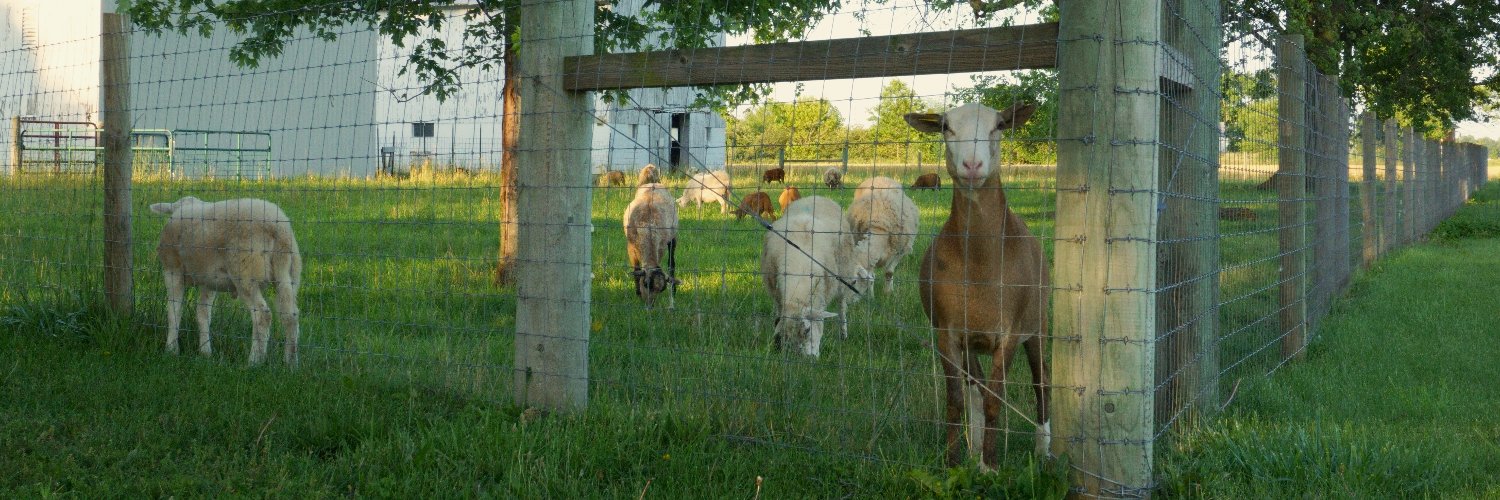
Explaining how corporate power shapes food, health, and farming in America. Sheep farmer in northwest Ohio. Cancer survivor. President of @FarmActionUS.

انضم Nisan 2011
386 يتبع429 المتابعون
Angela Huffman أُعيد تغريده

Kelly Ryerson
Kelly Ryerson@GlyphosateGirl·
The Hill today. @chelliepingree (D-Maine) and I co-authored an op-ed about why the pesticide liability shield is a beyond partisan crisis - everyone needs to get on board to defeat pesticide company protections. thehill.com/opinion/energy…
English

7
67
217
20.1K
Angela Huffman أُعيد تغريده
Farm Action
Farm Action@FarmActionUS·
“No company should be shielded from accountability for harm that they caused.” Today, Farm Action is calling on the Supreme Court to stand up for farmers against Monsanto. We joined a coalition of farmers and advocates in filing an amicus brief in Monsanto v. Durnell. This case will decide whether corporations can dodge responsibility for harming Americans with pesticides and herbicides. Monsanto claims this case about pesticide liability is about protecting farmers. But that claim is misleading and does not reflect what is actually at stake. As Farm Action President Angela Huffman made clear, this case is not about whether pesticides should be banned. This is about whether farmers will lose their right to seek justice when they are harmed. Holding Monsanto accountable will not threaten the food supply or farmers’ ability to grow food. What it does threaten is a system where corporations believe they are untouchable. If Monsanto wins, it sets a precedent far beyond agriculture, one that could strip Americans of their right to hold powerful companies accountable. Farmers should never be treated as guinea pigs, and they should always have the right to fight back. The coalition’s brief urges the Supreme Court to reject Monsanto’s argument and preserve the right of Americans to hold companies accountable when their products cause harm. @AngelaSHuffman
Farm Action tweet mediaFarm Action tweet media
English
15
215
448
3.3K
Angela Huffman أُعيد تغريده
Angela Huffman
Angela Huffman@AngelaSHuffman·
Also, the Biden administration barely talked about their work on this. I said at the time the president should be tweeting about it when they finalized the rule. Now, the White House is doing that. It pisses me off that Trump is taking credit for something he refused to do during his first term, but at the same time, the Biden administration stepped back and didn’t take credit for their own work, allowing this to happen.
English
1
0
1
97
Angela Huffman
Angela Huffman@AngelaSHuffman·
@musharbash_b And importantly, we filed the petition with the first Trump administration’s USDA to close the labeling loophole, and they denied it. Then Biden took it up when in office.
English
1
0
6
105
Basel Musharbash
Basel Musharbash@musharbash_b·
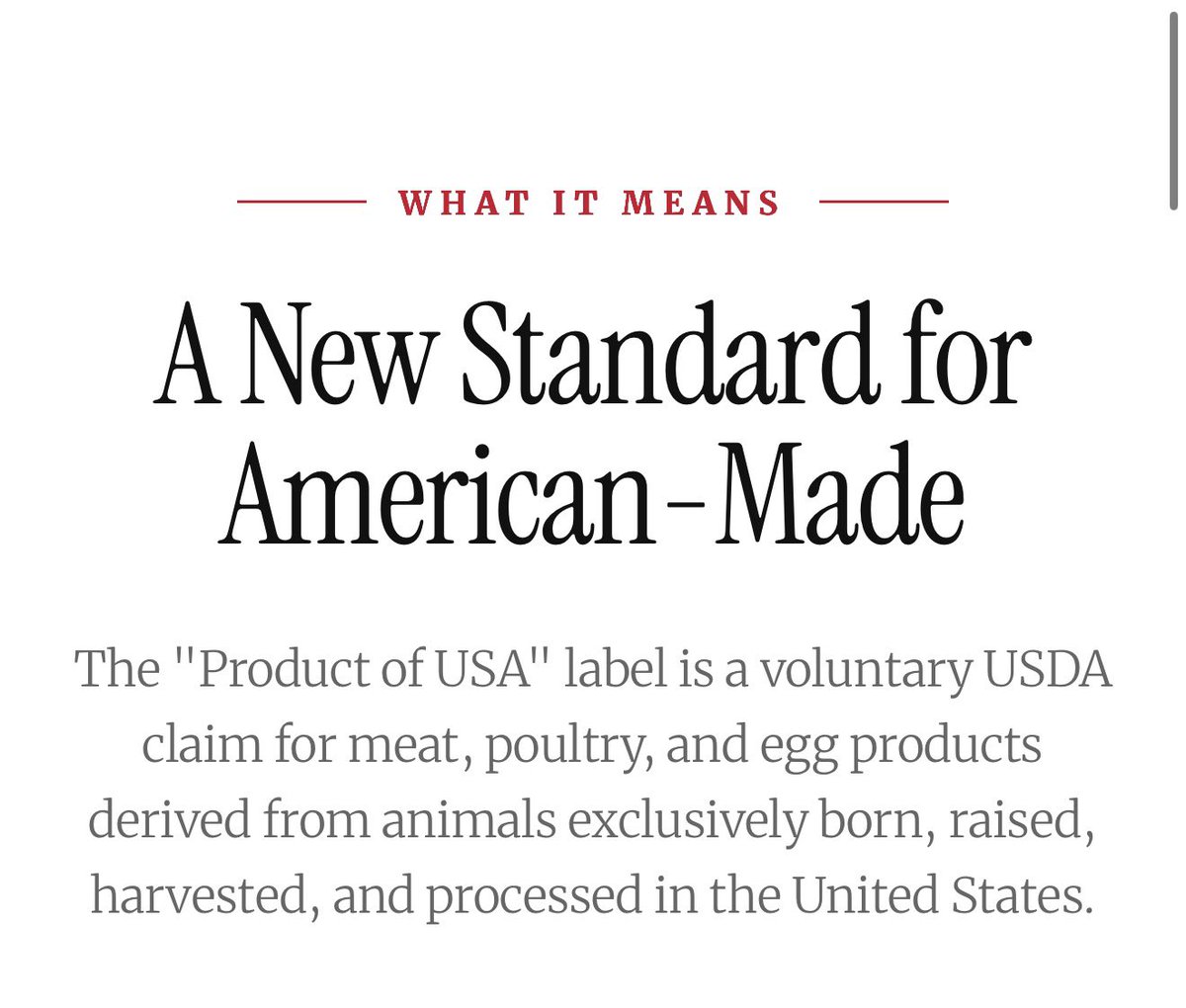
This is stolen valor. The Trump USDA isn’t issuing a new “Product of USA” rule. It’s just implementing a rule that the Biden USDA fought tooth and nail against the Big Four meatpackers to finalize back in March 2024 — and they’re implementing it badly to boot. For nearly 20 years before the 2024 Biden USDA rule, a meatpacker was allowed to put a “Product of USA” label on any meat product — even if it came from an animal born, raised and slaughtered abroad — as long as it was slightly further processed in the US. From 2022 to 2024, the Biden USDA waged a knock-down, drag-out fight against the Big Four meatpackers to bring honesty back to the “Product of USA” label. Ultimately, they were able to finalize a rule in March 2024 establishing that a “Product of USA” label may only be applied to meat products derived from animals born, raised, slaughtered, and processed in the United States. All the Trump USDA is doing now is implementing that Biden rule, which the Biden USDA set to become effective on January 1, 2026. To make things worse, the Trump USDA is actually *botching* the rule’s implementation, because DOGE gutted the USDA division in charge of enforcing the meat labeling rules. In other words: These scam artists are taking credit for a rule they inherited and are ruining as we speak.
Anna Matson@AnnaRMatson

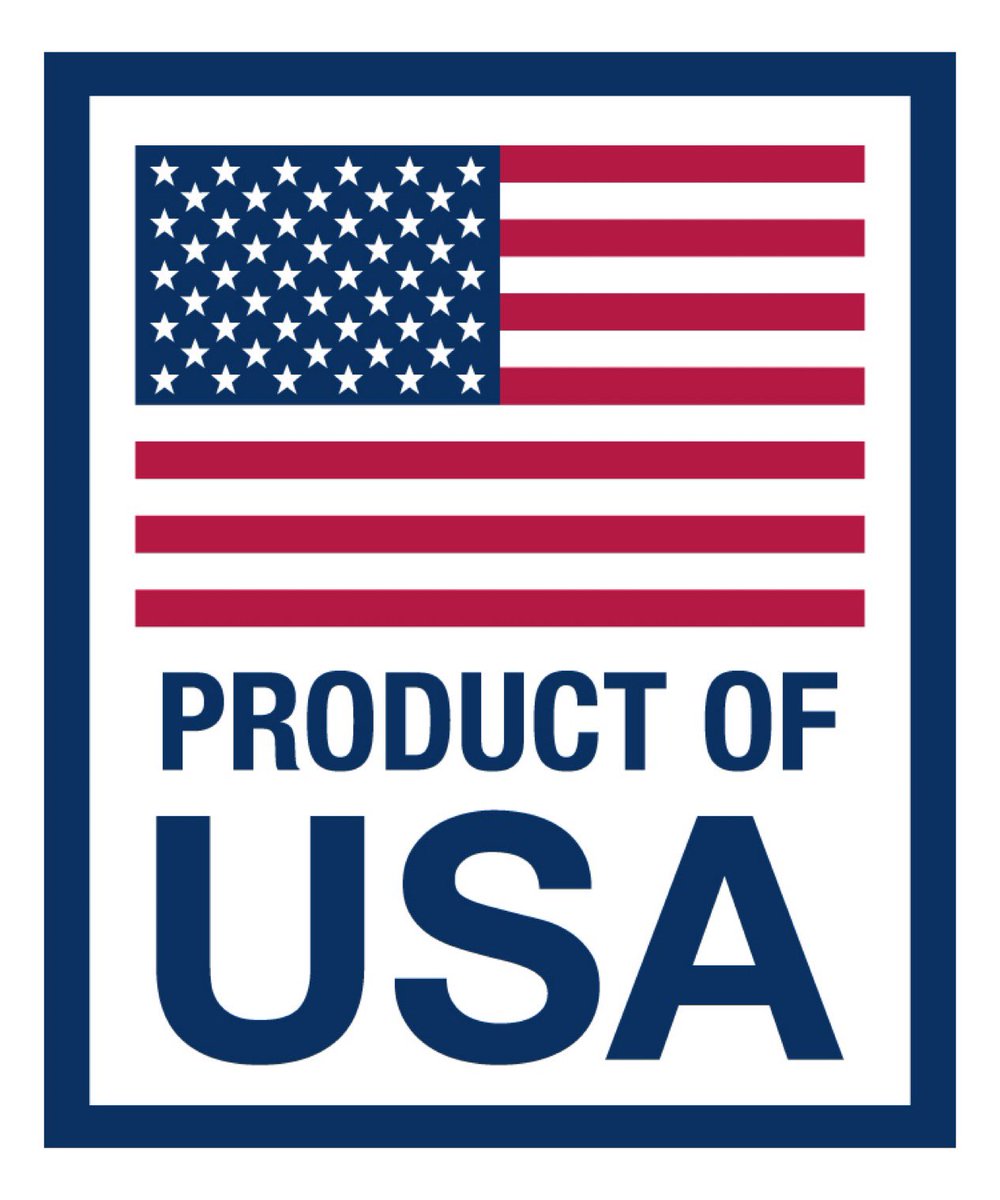
Huge win for American farmers! Did you know that your meat could say it was made in the USA even if it was raised and slaughtered in another country? To change that, the USDA has issued a new label. When you see this “Product of USA” label, you know exactly where your meat came from 🇺🇸

English
4
62
165
6.6K
Angela Huffman
Angela Huffman@AngelaSHuffman·
@Charles_Benoit @AnnaRMatson We at @FarmActionUS filed a petition to USDA asking them to close the Product of USA labeling loophole during Trump's first administration, and USDA denied our petition. Then we took it to Biden's USDA and they approved it.
English
1
1
3
163
Charles Benoit
Charles Benoit@Charles_Benoit·
@AnnaRMatson That hasn't been true since March 2024. Biden fixed it: usda.gov/about-usda/new… All they did was take credit for Biden's already in effect rule. Meanwhile, packers are still free to NOT label imported beef as such.
English
2
4
25
955
Anna Matson
Anna Matson@AnnaRMatson·
Huge win for American farmers! Did you know that your meat could say it was made in the USA even if it was raised and slaughtered in another country? To change that, the USDA has issued a new label. When you see this “Product of USA” label, you know exactly where your meat came from 🇺🇸
Anna Matson tweet mediaAnna Matson tweet mediaAnna Matson tweet media
English
54
790
2.4K
46.1K
Angela Huffman أُعيد تغريده
Farm Action
Farm Action@FarmActionUS·
We just helped deliver a historic win for American ranchers. For years, a loophole allowed foreign meat to be labeled “Product of USA.” This loophole undercut American ranchers, misled consumers, and empowered massive corporations. That loophole is now officially CLOSED. We’ve spent 8 years fighting for this change. And it’s one of our biggest victories yet. Closing this loophole empowers U.S. ranchers and enforces transparency for consumers. But this is only step one. This rule does not require all meat to carry a country of origin label. The “Product of USA” label is optional, so it can give U.S. ranchers a leg up, but imported meat can still be sold with no transparency on its origin. To achieve full transparency, we are calling to restore Mandatory Country of Origin Labeling, which was repealed in 2015 due to corporate pressure. Read our full blog below breaking down why this change is meaningful, and why we still need MCOOL:🧵
Farm Action tweet media
English
22
111
303
5.9K
Basel Musharbash
Basel Musharbash@musharbash_b·
Just got an email from a high school junior in FFA who read Kings Over the Necessaries of Life and now wants to learn how we can fight back against agricultural monopolies 🥺
GIF
English
5
4
83
1.3K
Angela Huffman أُعيد تغريده
Cory Booker
Cory Booker@CoryBooker·
Big agriculture monopolies are taking advantage of farmers and driving up your food prices.
English
92
46
132
11.4K
Angela Huffman أُعيد تغريده
Farm Action
Farm Action@FarmActionUS·
Farm Action’s Angela Huffman says many of the groups who go to D.C. claiming to represent farmers aren’t actually fighting for them. “Many of the groups in Washington, D.C. advocating on agriculture issues, they go in and claim to represent the interests of the farmers.” “That’s not always the case.” “Farmers really need a lot better representation and a lot more power.” @HarkinAtDrake
English
7
39
124
4.4K
Angela Huffman أُعيد تغريده
Basel Musharbash
Basel Musharbash@musharbash_b·
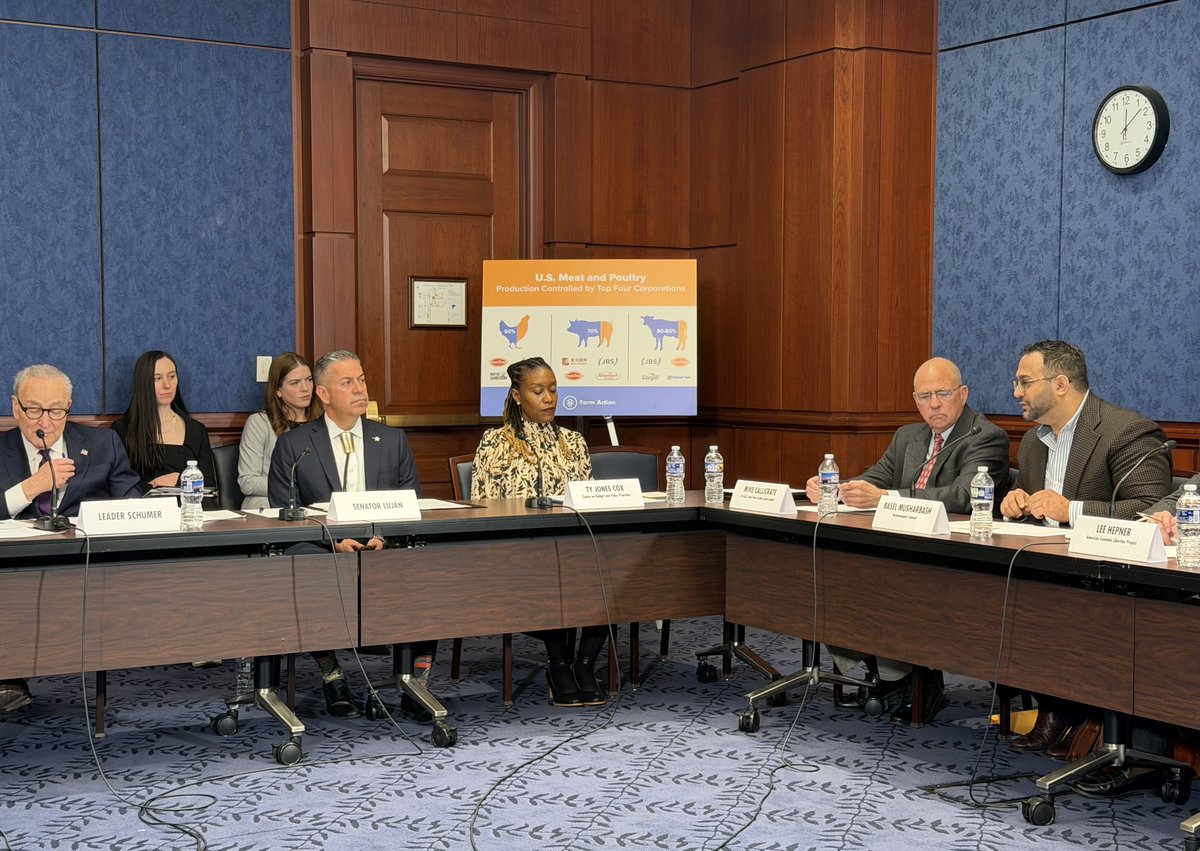
Over the past five years, I have investigated monopolization and the elimination of competition in every major industry in our food and agriculture system. Yesterday, I shared what I found with Democratic Senators at a roundtable discussion on food and household costs. I made three main points. First, we no longer have free markets in the food supply chain. Either a single monopolist or a tight oligopoly controls each of the major industries involved in growing, processing, or distributing food in America. Four multinationals dominate the supply of seeds and pesticides for most major crops. Single firms monopolize each of the domestic markets for nitrogen, phosphate, and potassium fertilizers. One corporation wields monopoly power over new farm tractors. Five conglomerates share power over the nation’s meat and poultry supply. Four grain-trading giants have a similar power-sharing arrangement with respect to the processing of wheat, corn, and soybeans. Nearly all of the country’s fluid milk comes from just three companies, a super-majority of egg production is controlled by just five companies, and similar concentrations pervade the fruit-and-vegetable processing industries. Meanwhile, four national chains now capture nearly 70% of all grocery sales in America. Second, these autocrats of trade — and the strategies they use to stay in power — are the primary drivers of today's unaffordable food prices. For example, the seed and pesticide oligopoly led by Bayer has trapped grain farmers into dependency on a narrow set of glyphosate pesticides bundled with GMO seeds by creating “patent thickets” around key technologies and deploying predatory strategies to disable innovation by independent firms. As a result, over the past two decades, this oligopoly has charged skyrocketing prices for seed-and-pesticide bundles whose efficacy is declining and that, to add insult to injury, seem to give farmers cancer. Not to be outdone, the fertilizer monopolists have used their control over key mineral inputs and key distribution channels to muscle out rivals. As a result, they’ve been able to engineer chronic fertilizer shortages and keep fertilizer prices high for nearly two decades — giving them Apple-level profit margins of 30-40% on products they haven’t improved in over half a century. All of these additional costs to farmers ultimately increase prices for consumers. And the abuses of power are only worse among processors and retailers. Since the 2000s, the meat and poultry oligopoly has repeatedly used coordinated plant shutdowns to push livestock prices down while keeping beef, pork, and chicken prices high. A similar story has played out in the egg industry, where a few dominant producers have used a mix of collusion and coercion to throttle industry output and maintain a near-chronic shortage of egg supplies for the past two decades. Meanwhile, the troika of fluid milk sellers have raised the price of bottled milk by roughly 150% since 1996, but kept the price of raw milk paid to dairy farmers in a near-permanent depression. And, of course, we cannot forget the grocery retail giants like Walmart, who — as a lawsuit brought by Lina Khan’s FTC and dropped by Trump showed — use their buying power to force suppliers to give their competitors higher prices, eliminating price-lowering competition from the market. In short, the root cause of our food affordability crisis is that, across our food system, we've allowed central planning by robber barons to take the place of actual free enterprise. This brings me to my final point: We've been here before, and we know how to fix this fundamental problem. Like today, in the 1920s and early 1930s, a failure to enforce the antitrust laws had allowed corporate power to metastasize, leading to massive inflation even in the midst of economic depression. After examining the situation in a report to Congress, the FTC issued a stark warning: “Either this country is going down the road to collectivism,” the FTC said, “or it must stand and fight for competition as the protector of all that is embodied in free enterprise.” America chose to fight. Over the next decade, Congress increased funding for the FTC and DOJ Antitrust Division six-fold, allowing the agencies to launch the greatest trustbusting campaign in the country’s history — breaking up hundreds of monopolies and cartels across the economy. Simultaneously, Congress acted directly to restructure critical industries through legislation — passing bills that broke up dominant firms, separated key segments of supply chains to prevent conflicts of interest, and provided financing for farmers’ cooperatives and small businesses to buy divested assets. The results did not take long to arrive. Within a decade, farmers could — for the first time in generations — buy their supplies from competitive markets and sell their crops into competitive markets. The mark-ups imposed on food products by processors, distributors, and retailers shrank significantly. Communities across the Heartland — large and small — flourished with dynamism as the iron grip of faraway corporations was lifted. A republic of free, independent enterprise was reborn. This was how New Deal Democrats solved the affordability crisis of their era and, in the process, saved this country from snake-oil salesmen and would-be fascists. This is also how Democrats can solve the affordability crisis and save the country today. In short, I told the Senators, we already know what we need to do. We just need to do it.
Basel Musharbash tweet media
English
26
148
368
20.5K
Farm Action
Farm Action@FarmActionUS·
Trump 2024: “We’re going to get toxic chemicals out of our food supply” Trump 2026: “Glyphosate is critical to national security” A new Executive Order doubles down on the same system that bankrupted farmers, monopolized the food supply under the control of a few multinational corporations, and contaminated America’s food system. We cannot eliminate glyphosate overnight. But we should be taking steps to reform this broken system, not doubling down on it. The fact that U.S. agriculture has become so reliant on glyphosate should scare us into immediate, dramatic reform of our food system. Trump’s declaration that “glyphosate-based herbicides are a cornerstone of this Nation’s agricultural productivity and rural economy” exposes deep structural problems in our food system: Our over-reliance on chemicals and herbicides to produce more and more commodity crops is bankrupting our farmers and rural America. This broken system is the reason we are in a crisis today where over 60 farmers go out of business a day, and the rest require constant federal bailouts just to survive. Trump also claimed in his EO that glyphosate-based herbicides allow “farmers and ranchers to maintain high yields and low production costs.” But the opposite is true. Farmers have lower production costs and higher profits when they reduce or eliminate their use of glyphosate and other herbicides. Keeping them reliant on herbicides only benefits the pesticide industry. Finally, Trump’s claim that glyphosate enables farmers to produce “healthy, affordable food” could not be farther from the truth. The science that alleged glyphosate is safe was retracted after the paper was exposed for relying on false information that came directly from Monsanto. This Executive Order is bad news for independent farmers and MAHA.
English
440
2.3K
5.3K
209.8K
Angela Huffman
Angela Huffman@AngelaSHuffman·
@HouseAgGOP Please don’t outsource farm policy to a German chemical company (Bayer) whose business model relies on keeping U.S. farmers dependent.
English
0
0
1
46
Angela Huffman أُعيد تغريده
Farm Action
Farm Action@FarmActionUS·
Farm Action exists to fight monopoly power in agriculture.  Today a handful of multinational companies dominate the supply chain. From seed to processing to the consumer’s plate, they control nearly every step. When only a few corporations run the market, farmers lose leverage.  The beef industry is a perfect example of this. The top 4 companies used to control about 26% of the market, but now they control 85%. Economists say once the top 4 companies control more than 40%, abuse becomes likely.  We are far beyond that line. Farm Action believes in a true free market.  A real free market needs fair competition, not corporate control. What we have today is not freedom.  It is monopoly power dressed up as a “free market.” Farm Action is working to break up this control.  And to bring competition and fairness back for farmers, ranchers, and consumers.
English
14
146
346
5.2K
Angela Huffman
Angela Huffman@AngelaSHuffman·
@AndrewRdeC Yep, and on the production side taxpayers subsidize the feed.
English
0
0
0
10
Angela Huffman
Angela Huffman@AngelaSHuffman·
I hear you on asset inflation and labor getting squeezed. Even if the causes are broad (monetary policy, tax incentives, consolidation), the result is that farmland gets priced beyond what farming can support, and farmers lose the chance to own. What do you think actually moves land back toward farmer ownership?
English
1
0
2
23
Timothy Fannin
Timothy Fannin@fanntiim·
@AngelaHuffmanUS Now I hope they get beat by the Seahawks. From his point of view though, it's a good investment. Much more needs to be done to attack the root cause: $ printing, which has substantially inflated financial assets. And decreased the value of labor
English
2
0
3
34
Angela Huffman
Angela Huffman@AngelaSHuffman·
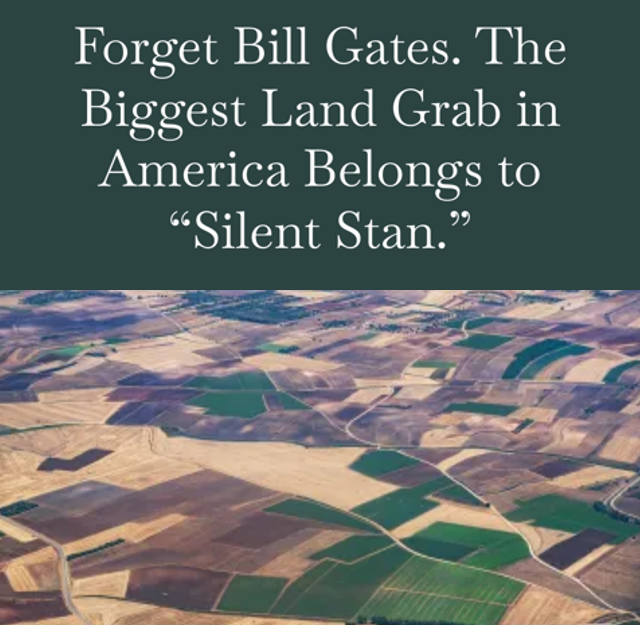
Forget Bill Gates. Stan Kroenke now owns nearly 10x more land. "Silent Stan" is the reclusive billionaire who owns the LA Rams and built his fortune in real estate. He is also married to a Walmart heiress. But this isn’t celebrity trivia. It’s about who gets to farm. When wealthy investors buy land, prices rise beyond what farming can pay. That shuts out new farmers and makes it harder for family farms to grow. More farmers end up renting land they could eventually lose. The bottom line is that when fewer farmers can own land, fewer farmers can stay independent. That makes the food system less secure for everyone. If this matters to you, please share. More people need to see what’s happening to farmland ownership. 🧵
Angela Huffman tweet media
English
4
6
16
931
Angela Huffman
Angela Huffman@AngelaSHuffman·
I’m at @HHSGov today for a policy celebration focused on the new Dietary Guidelines: “Eat Real Food.” The work ahead is ensuring those words translate into policies that support farmers to grow real food and enable consumers to access and afford it. I wrote more about what that should look like here: angelasuehuffman.substack.com/p/the-governme…
Angela Huffman tweet media
English
0
0
3
81