Ron Sell

247 posts

Ron Sell

Ron Sell

@RonSell

CEO

Tampa, Florida انضم Haziran 2008
1.6K يتبع259 المتابعون
Ron Sell
Ron Sell@RonSell·
@lifeof_jer Same thing happened to me three days ago. Exaxt same. I was not in production yet, but months of work vanished.
English
1
0
0
3K
Ronin
Ronin@DeRonin_·
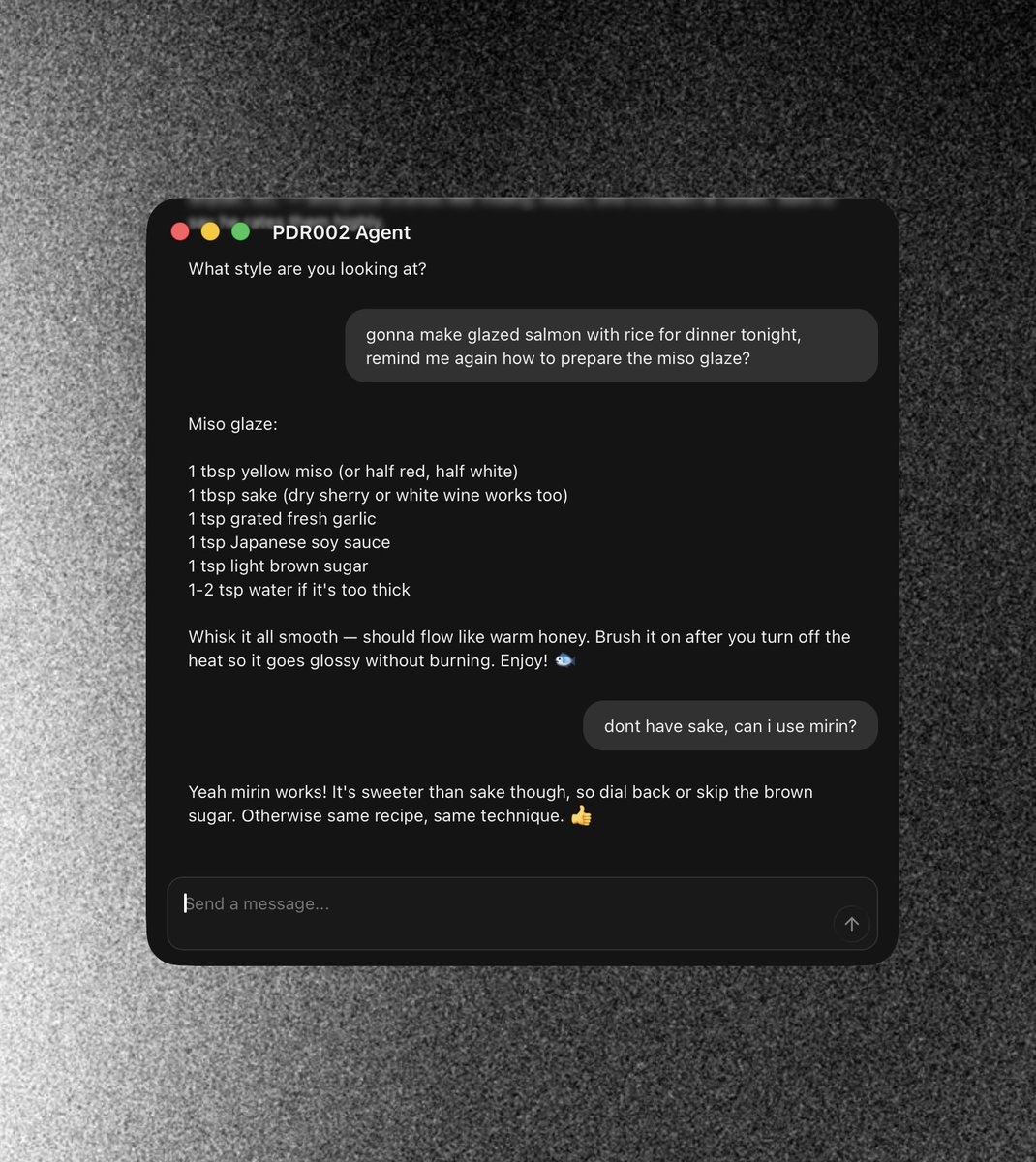
I automated my content engine and 2 hrs/day dropped to 10 min [ what’s new in v2 ]: - 9 platforms scraped while I sleep → 2,000+ topics/day - a 5-signal scoring brain that filters down to the 10 that matter - voice DNA writer.. same tone, different structure every time - a self-learning loop that remembers every approve and decline - profile DNA — knows exactly what goes viral on MY account v1 was a brain with no body v2 has eyes, a filter, and memory + fully automated Here’s how to build it step-by-step ↓ [ The architecture]: /content-engine ├── scrapers/ (9 platform scrapers) ├── extension/ (chrome ext for X, linkedin, reddit) ├── ai/ │ ├── ranker.py (5-signal scoring brain) │ ├── content_writer.py (voice DNA + structures) │ ├── profile_analyzer.py (your positioning DNA) │ └── sentiment_analyzer.py ├── publisher/ (export + time slot scheduling) ├── gui/dashboard.py (streamlit command center) ├── ingest_server.py (local server on localhost) └── data/content_engine.db (everything stored locally) let me walk you through each layer ↓ LAYER 1: Research engine 9 sources scanned 24/7 (X, reddit, YT, HN, github, trends + chrome ext for reddit and linkedin) every post you scroll past gets tagged and stored locally LAYER 2: Scoring brain every topic scored on 5 signals: - freshness (0.20) - velocity (0.25) - virality (0.25) - relevance (0.20) - uniqueness (0.10) velocity 8+ → forced min score of 7. catches late bloomers that suddenly explode 2,000 topics → top 10 ranked LAYER 3: Voice DNA writer not one structure every time. system picks the format: - short take - tactical playbook - QT contrast - contrarian - resource drop - proof post a voice guardian auto-rewrites anything that fails: lowercase ratio, no hashtags, no corporate words LAYER 4: Dashboard Streamlit dark theme. 5 tabs review queue = tinder for content. swipe approve, swipe decline LAYER 5: Publishing no auto-posting. zero account risk approve → pick a slot (8am / 12pm / 5pm) → exports a .txt → copy / paste / post also auto-drafts a linkedin version of every approved tweet LAYER 6: Self-learning loop every click logged. weekly the system embeds your decline notes and re-tunes the scoring brain month 1: you approve 30% month 3: 70% pre-filtered month 6: 10 min/day LAYER 7: Profile DNA analyzes your past tweets. tells you exactly which pillars, formats, and hooks perform best on YOUR account the scoring brain uses it to prioritize what already works for you daily run: open dashboard → 10 min reviewing → post 3x → close total cost: ~$15/month everything else: local, sqlite, no cloud, no subscription unfortunately I couldn’t paste in long-form format initial description which was made before but if this hits 2,000 likes I drop the full build guide with every prompt you need to ship it in claude code reply "ENGINE" + RT and I'll DM you access to test it (follow me first so I can write) save this so you don't lose it
Ronin tweet media
Ronin@DeRonin_

x.com/i/article/2041…

English
279
235
1.5K
214.2K
Ron Sell
Ron Sell@RonSell·
@kodjima33 @omidotme Hey Nik! What's the best way to share feedback? Love the app! Just became a subscriber. Feedback: I have a memory that is wrong, I went in to edit it, clicked save, it reverted.
English
0
0
0
80
Nik Shevchenko
Nik Shevchenko@kodjima33·
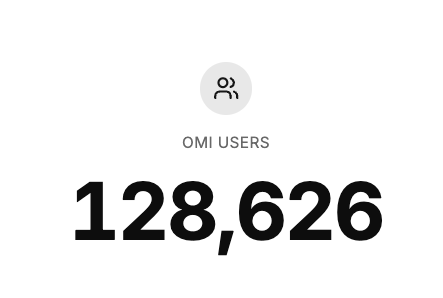
Hi future me in ~2 months @omidotme needs to reach 200k software users by June 30th, 2026 omi is independent and open source cuz it survives on its own earned money to continue maintain the desktop app (which you all loved), omi needs to reach profitability which we'll achieve at ~200k software users Currently we have 128k software users and I hope by June 30th we reach 200k, otherwise I'm a failure I LOVE the desktop app, I want it to survive, so I'm posting this publicly so you could track the progress with me and help me stay focused You can check user stats live at admin.omi.me/users which pulls directly from database
Nik Shevchenko tweet media
Nik Shevchenko@kodjima33

Spent 4 months and built Omi for Desktop, your life architect It sees your screen, hears your conversations and tells you what to do next It’s like having a second brain that actually pays attention Open source, local, link below

English
18
7
80
14.6K
Ron Sell
Ron Sell@RonSell·
@Scobleizer @Scobleizer i have it running on a mac mini M4 Pro 64gb, love claude, so what would be best for replacement?
English
0
0
0
55
Robert Scoble
Robert Scoble@Scobleizer·
Anthropic banning the Claw. Open Source models running locally is the way.
English
94
44
672
36.6K
internetVin
internetVin@internetvin·
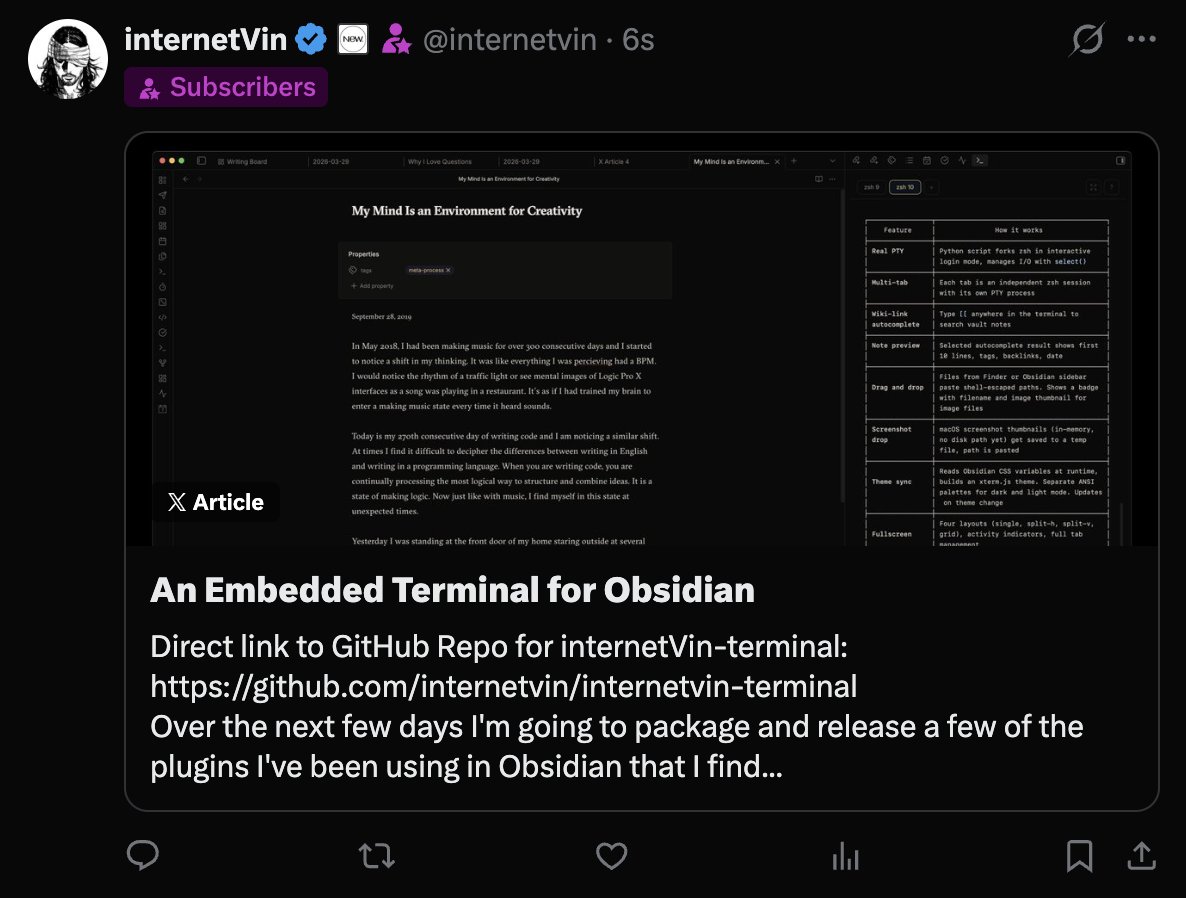
internetVin-terminal: an embedded terminal plugin for Obsidian new semi-daily subscriber only post 944 words on its functionality and my use: ↳ releasing custom Obsidian plugins and how publishing code feels more like conversation than product now ↳ multi-tab terminal sessions inside Obsidian ↳ autocompleting vault backlinks directly in the terminal with "[[" ↳ drag and drop files, including screenshots, into terminal sessions as context ↳ fullscreen and split views for running multiple Claude Code sessions ↳ theme sync that reads Obsidian's CSS variables at runtime ↳ bookmarking positions in terminal output so you can jump back to key references ↳ saving terminal output directly to daily notes or new notes ↳ building all software from inside Obsidian, not just working on notes ↳ a preview of Vault Pulse, a plugin for passively tracking time in Obsidian
internetVin tweet media
English
9
6
119
63.8K
Felix Lee
Felix Lee@felixleezd·
Introducing Vibe-Coding for Designers ⭐️ The world's FIRST online school for designers who want to ship, using Claude Code. New modules include Figma to Claude. Designers who ship are the most valuable hires in tech today. Comment "design" - I'll send you the link to apply.
English
1.6K
174
2.3K
161.8K
Ron Sell
Ron Sell@RonSell·
@sharbel I wish I had this about twelve hours ago because I did this, this morning and it was really difficult to figure out the steps. but got it running perfectly. Great insights here.
English
2
0
2
410
Sharbel
Sharbel@sharbel·
Here's the exact setup in 3 steps: 1. Create a Telegram group with Topics enabled Settings → Enable Topics. Create one per agent or per category. 2. Get your Chat ID + Topic thread IDs Forward any message from each topic to 'userinfobot' on Telegram to grab the thread ID. 3. Tell your agents where to send updates In your OpenClaw config, set the target + threadId for each agent's output. Or ask your current agent to do it for you. That's it. No dashboards. No Discord noise. Every agent and every category reports to its own channel automatically.
Sharbel@sharbel

everyone is talking about OpenClaw + Discord. here's why i switched to Telegram Topics instead: • each of my agents send me briefs in their related channel • i never have to open a dashboard. • everything routes to the right topic automatically. OpenClaw + Telegram Topics = the most underrated setup nobody's talking about.

English
40
20
309
40K
internetVin
internetVin@internetvin·
I might make another video / video essay on how I'm using Obsidian, and more broadly how I interact with AI, after seeing some of the comments on the show with @gregisenberg. There's a lot I can expand on and dive deeper into. Even since we recorded the episode last week I've made some upgrades to my tooling and workflow.
English
17
1
132
8.3K
Ron Sell
Ron Sell@RonSell·
@internetvin Great episode, loved it. Really interested in your Obsidian Vault setup and workflow. I want to create a second brain that only I write to as well. I also love collecting resources I find to use as research for content. Have any resources for me? Appreciate it.
English
0
0
1
50
internetVin
internetVin@internetvin·
I was on Greg Isenberg’s show talking about how I use Obsidian and Claude Code. A star is born.
GREG ISENBERG@gregisenberg

how to use obsidian + claude code to build a 24/7 personal operating system and build your startup: 1. write everything in markdown (daily notes, projects, beliefs, people, meetings) 2. link your notes together so they mirror how your brain actually thinks. 3. install obsidian cli so claude code can read your entire vault + the relationships. 4. stop reexplaining projects every session. use reference files instead. 5. build custom slash commands: /context → load your full life + work state /trace → see how an idea evolved over months /connect → bridge two domains you’ve been circling /ideas → generate startup ideas from your vault /graduate → promote daily thoughts into real assets 6. keep a strict rule: human writes the vault. agents read it, suggest, execute. 7. let claude aka clode surface patterns you’ve been unconsciously circling for years. 8. delegate from inside your notes. one sentence in obsidian → agent handles the rest. 9. treat writing as leverage.the more you write, the more context your agents have. 10. understand this:markdown files are the oxygen of llms. i really enjoyed seeing how to use obsidian thanks to @internetvin vin uses ai like a thinking partner wired into his life’s work. 99.99% of people won’t do this because it requires reflection + setup. but once the vault exists, the agent stops being generic. it starts thinking in your voice. episode is live on @startupideaspod (more there) this one is different. send this tweet to a friend. im still processing how game changer obsidian + claude code is, maybe you too watch

English
16
17
449
80.2K
Ron Sell
Ron Sell@RonSell·
@rork Thank you for the response, will try this out.
English
0
0
0
36
Rork
Rork@rork·
@RonSell No, this is complete misinformation
English
1
0
1
47
Amo
Amo@amarjit_uk·
@rork Who owns the app IP? What happens if I close, cancel membership, do I still get access to code, or can I self publish - or must it be through your platform?
English
3
0
1
85
Andre
Andre@Youkhna·
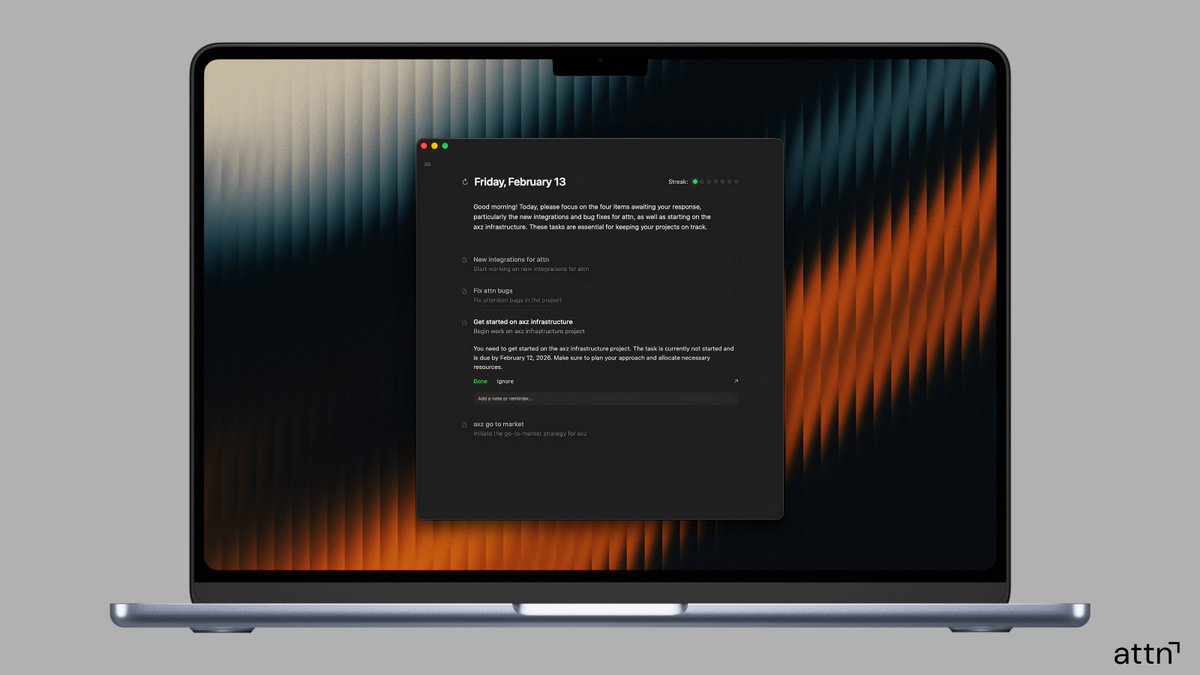
I built a Mac app that tells me exactly what to focus on the moment I open my laptop. No notifications. No chaos. Just clarity. This is what your computer should feel like.
Andre tweet media
English
16
4
214
22.2K
Andrew Wilkinson
Andrew Wilkinson@awilkinson·
For $5,000 worth of Claude Code credits, I vibe coded something that replaces tens of thousands of dollars of psychological evaluations. Let me explain... Last month, my girlfriend and I sat in our den with our jaws on the floor… We were in front of my laptop, taking turns reading a report out loud, line by line. The document read like a CIA dossier—incisively breaking down each of our repeated fights and nailing our relationship dynamics. We had to laugh. We couldn’t believe it. A few days earlier, I’d asked ChatGPT a simple but loaded question: “What information would you need in order to become the ultimate personalized relationship coach?” It replied with a long list of personality tests—the same ones psychologists use to evaluate mental health, personality, and relationship satisfaction. The tests were all available online, but scattered across annoying PDFs and awkward, old-school forms. For someone with ADHD, like me, the idea of doing them one by one was pure torture. I just wanted to pound through them as one big test. So I asked Claude Code to build a simple app that combined them. I listed all the tests I wanted and asked it to build a web app that would. I’d done some vibe coding last year with tools like Replit and Lovable, but nothing prepared me for how good Claude Code has become. Within a few hours, I had a beautiful web app that combined all of these tests into one. When I say beautiful, I mean it looked like I employed a $50,000-a-month payroll of talented designers and engineers who’d spent two months working on it. Except I didn’t have a $50,000-a-month payroll. I’d paid Claude around $500 in AI credits — and what would normally take months had taken hours. Crazier yet, I’d just talked to it like it was a human employee. Once a beta version was ready, we completed our tests and exported our results into ChatGPT—no names, no context—and asked: “Based on this couple’s psychological test results, tell me as much as you can about their relationship.” That’s how we ended up in our kitchen, in shock, as ChatGPT broke down our relationship patterns with eerie precision. How my ADHD makes me want quick resolution, while Zoe needs to talk things through. How her high openness craves novelty, while I’m a stick-in-the-mud who craves routine. How my avoidance causes me to pull away and shut down when I’m stressed. It felt like a report written by a world-class therapist who’d spent dozens of multi-hour sessions carefully dissecting our dynamic and suggesting remedies. It told us where we were most compatible, and where we’d struggle if we didn’t put in the work. It even wrote personal deep dives on each of us, our personalities, and our individual gifts and challenges. And it knew all of this from 45 minutes of multiple-choice questions. I started thinking about friends who’d never been to therapy, or couldn’t afford anything like this, and how much it could help them. That’s when I realized this was a business. Something that would solve a valuable problem for a lot of people. So I got to work. For the last month, I’ve been jolting out of bed at 5:30 a.m., too excited to sleep, obsessively building this product. And today, I’m excited to launch Deep Personality. I think it’s one of the most comprehensive mental-health screening tools on the internet. It’s not a replacement for professional help, but a roadmap to it. Most people stumble blindly into a random therapist or doctor’s office without knowing what type of treatment they are even trained in or its efficacy for their specific problems. Deep Personality will screen you across 30+ mental health conditions and provide you with a detailed roadmap of how to get the help you need. In under an hour, it gives you a high-signal snapshot of your mental health across dozens of dimensions: Big Five Personality The gold standard for understanding why you do what you do. Attachment Styles The hidden patterns behind pushing people away, clinging too tightly, or choosing unavailable partners. Anxiety & Depression Screens for what you might be dismissing as “just stress.” Relationship Satisfaction Measures the real health of your relationship — often surfacing problems you’ve been avoiding. Sensory Processing Why crowded rooms drain you — or why you need things just so to focus. Neurodivergence Flags potential ADHD and autism-spectrum traits that often go undiagnosed into adulthood. Trauma Maps early experiences shaping your triggers and stress responses. Values & Career Fit Shows what actually motivates you, and why some work quietly drains your soul. You can do this individually, or compare yourself to anyone in your life. This is where it gets really interesting… Have your partner, coworker, friend, or family member take the assessment, upload their profile, and wait while the app analyzes your personalities and how they interact with one another. For romantic relationships, it analyzes attachment compatibility, conflict styles, emotional regulation, and values alignment — telling you exactly where you’ll clash and what to do about it. For work relationships, it focuses on communication, motivation, and how you’ll collaborate — or blow up under pressure. For friendships, it looks at shared values, social energy, and the dynamics that help relationships thrive (or quietly fade). For Zoe and me, having our relationship laid out with this kind of clarity — patterns we’d felt but never articulated — was deeply meaningful. Once you complete the assessment, you get a 50+ page deep dive on your personality. It felt like finally getting the owner’s manual for myself. You also get a custom AI prompt pre-loaded with your psychological data. Drop it into ChatGPT, Claude, or any AI assistant — and you have a therapist who already knows your attachment style, anxiety patterns, values, trauma history, and emotional regulation tendencies. No more spending six therapy sessions explaining who you are. The AI already gets it. And if you’re in therapy, or going to start with a new therapist, you can also export a clinical PDF designed for practitioners—raw scores, thresholds, severity flags, discussion points, and citations. Or… it can help you attract your perfect romantic partner. This one’s just fun. Deep Personality can generate dating bios based on your actual personality data — tailored to Hinge, Bumble, or Tinder — in tones like witty, sincere, adventurous, or intellectual. The AI turns what makes you unique into something that attracts compatible people. Once it knows you, it helps you get the help you need. Based on your results, it recommends books, podcasts, and treatment options backed by peer-reviewed research. The full assessment covers 30+ psychological screens and 300+ questions, and it costs a fraction of a single therapy session (free for the basic analysis, $19 for the full report, $29 for a couples comparison). It’s really crazy and I think it's going to help a lot of people. Who is this for? • High achievers who want to understand their edge • People who feel stuck and don’t know why • Curious minds who want real data • Pattern repeaters, same story — different chapter • Anyone who wants better relationships I’d love it if you’d try it and send me your thoughts! 👉 Click here to check it out: deeppersonality.app
English
99
34
734
165K
Jamieson O'Reilly
Jamieson O'Reilly@theonejvo·
To be transparent, and obviously not speaking on behalf of @steipete or anyone else - but for me, when it comes to attack and defence, there is no stamp of approval or silver bullet. In my opinion, that's not how this works. Without going into a whole life story, after 15 years of hacking some of the world's hardest targets, I'll comfortably say... there's no such thing as 100% secure. So to be clear, I'm not the gatekeeper of this project by any means. Peter affiliated me with @openclaw, and I've agreed to spend whatever time I can on identifying and mitigating risk. I work for the cause, hoping to learn things along the way too. I'll focus on the areas where vulnerabilities would hurt the most people the fastest and then work with everyone to harden against them. But here's the reality of securing 500k+ lines of code across several messaging channels, native apps on 3 platforms, browser automation, command execution, and a WebSocket control plane - no single person can make this bulletproof. To make this thing a work of art, truly hardened and not just "audited once" it's going to take an army of people who want the same thing. Security researchers, contributors, users who report edge cases. That's the open source model. OpenClaw will remain open source for as long as Peter and the lead contributors decide it should be, in collaboration with the community that builds around it. My role is to work with all other contributors to help lay the foundation, establish patterns, and create a framework others can contribute to. Anyone who wants to help harden this thing is welcome! 🦞
x1k@x1knet

@openclaw I dunno I would want @theonejvo stamp of approval that this has been vetted. I can do the machine or cloud lockdown, but just to pull it and run it… gonna wait for feedback/fallout

English
35
31
323
53K