Mindfull-Investor
13.8K posts
Mindfull-Investor
@InvestMindfull
Meditation, Investor, Politically neutral perspective. Tech lover, Indian tax payer.
World Beigetreten Ekim 2021
675 Folgt629 Follower

मैं बोलना नहीं चाहता था, मगर चुप रहता तो बार-बार दोहराया गया झूठ भी सच लगने लगता।
Three Allegations. Zero Truth.
My Response:
हिन्दी
This is why it is important to have nukes. And if have nukes, make more nukes. And have intercontinental missiles. Then put the nukes on those missiles. And more importantly keep them paired, ready, hidden but operational even in the case of decapitation strikes.
But most importantly, select and put the most patriotic and uncompromising hands in-charge of those nukes with the ability to counter strike. So the crazy adversary knows no matter how battered and how leaderless, the country will rain down a nuclear holocaust on them.
What I'm saying is, just having some nukes and ICBMs needing five people's authorization to assemble a strike is not enough these days. The enemy must know it will happen anyhow. There's no escape from nuclear hell if sovereignty is breached beyond a point.
A world of crazies needs crazy preparation and crazier posturing for a country to not be consumed by it.
Smita Prakash@smitaprakash
This is not fake. This is from the President of America
English
Dommasandra Junction Flyover is finally ready. It now connects Sarjapura and the IT Corridor Whitefield.
This project was completed much faster than Ejipura flyover. Well done, Karnataka Government!👏

English

@volklub @HyderabadiChic3 @shivaaa_95 I think Toyota is an exception from my experience. Not sure about last 5 years
English

@shivaaa_95 Opinion - Warranty khatam hone pe cars ko software ke saath hi kharaab kar dete hein. Pattern notice kiya hai maine.
हिन्दी


@Gss_Views But what matters is who had the nerves to punish rogue nation with nuclear called Pakistan?
English

Not a fan of Congress, but its a reality that because of PM Manmohan Singh gov only first time a Pakistan terrorist caught alive, interrogated, proof collected of Pakistan involvement, exposed in the world, put Pakistan in terror Grey list internationally AND executed Kasab to death for his crime.
Unlike Modi gov where no one was caught, no proof to frame & shame Pakistan in all terrorists attacks post 2014 were given.
Even during ABV in 2000, IC-811 flight was hijacked from India & BJP gov handed over biggest terrorist Masood Azhar just to free Indians in that flight.
•@OxNeeraj
Please Go back to Congress Era 🙏
English

They have to open up the Strait of Trump, I mean Hormuz says Trump
English
@TheVijayMallya But nobody in the team understands Kannada
English
The Day has arrived for our Lions of Bengaluru…namma sinhagulu…IPL Champions. Good Luck and Play Bold…Dhairyadinda ațavadi.
English
@hvgoenka He looks more like Ayatollah than Modiji🤣
Indonesia

@volklub @HyundaiIndia So basically you are charging with 1A/5V charger on an iPhone pro max🤣
English
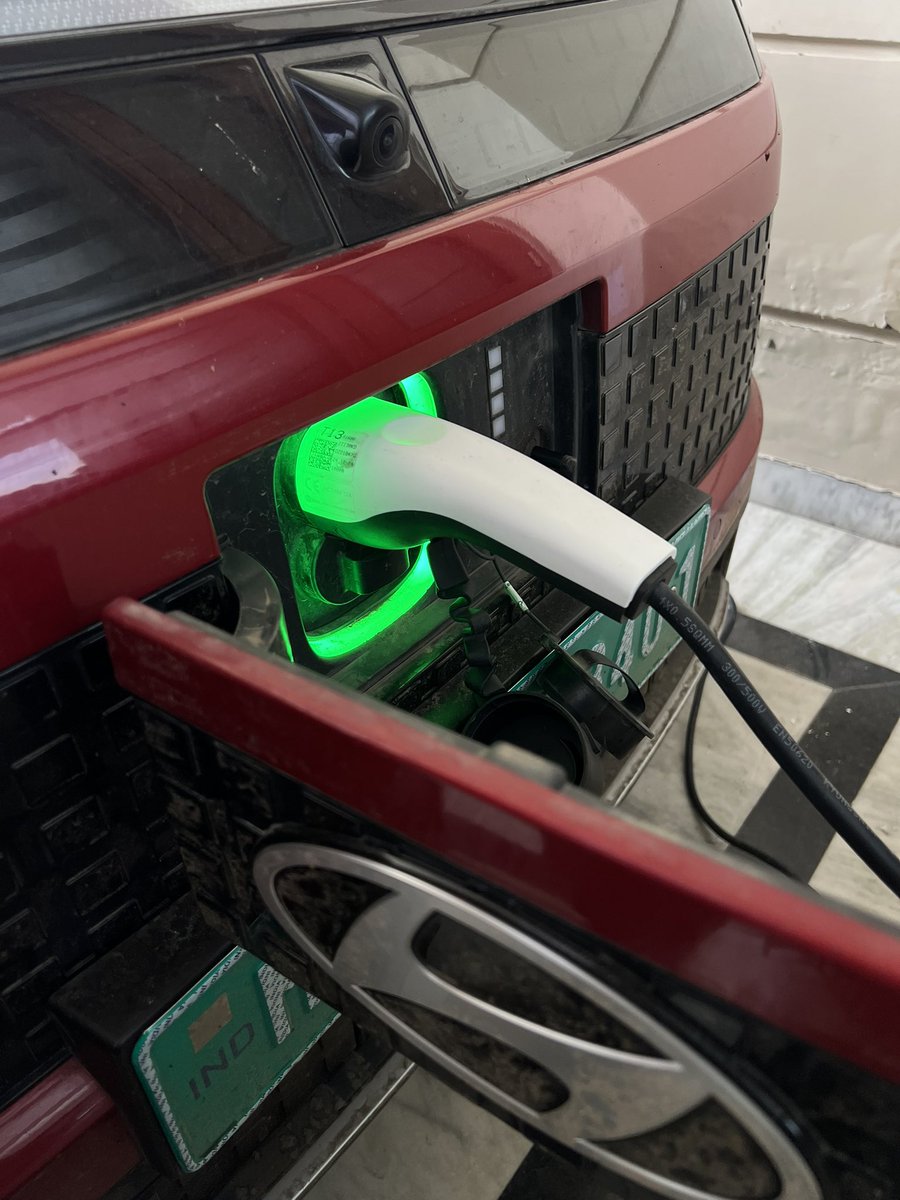
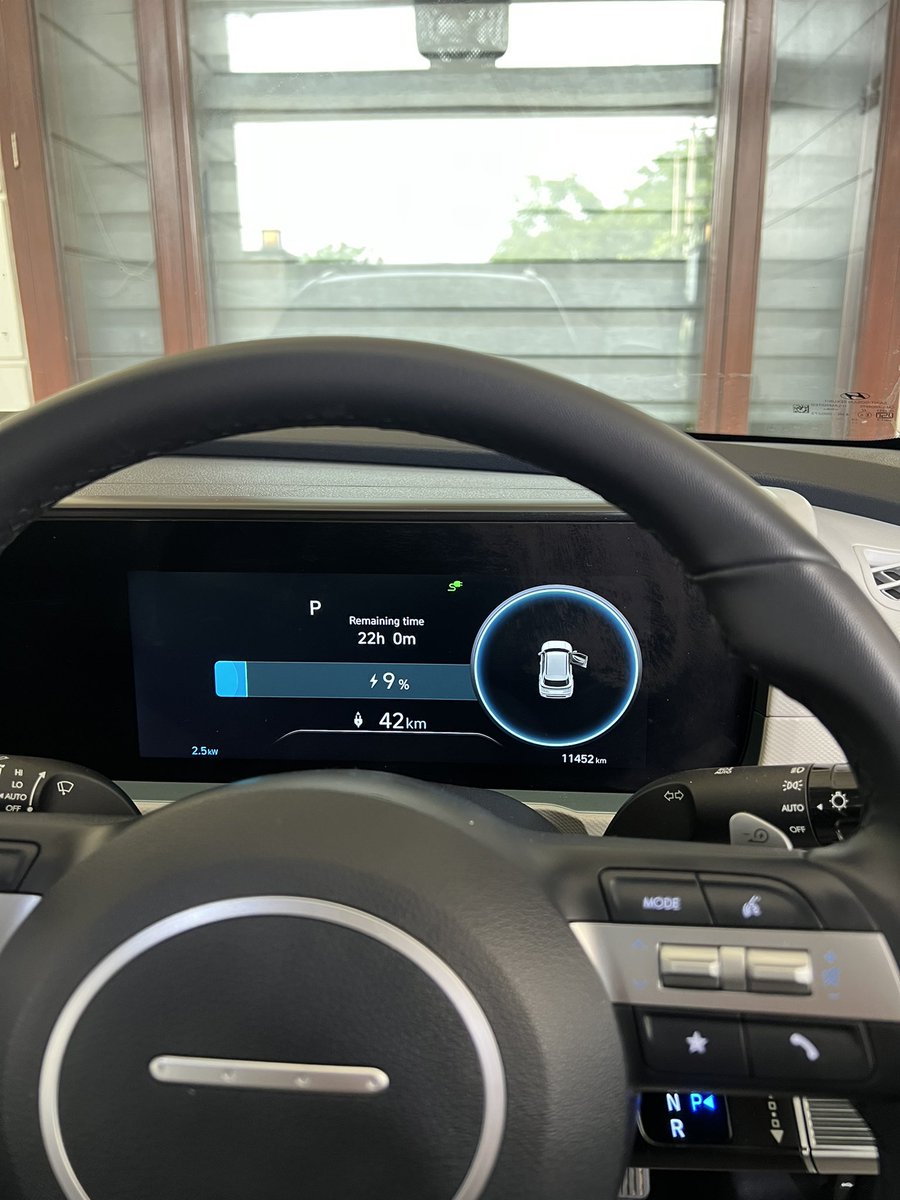
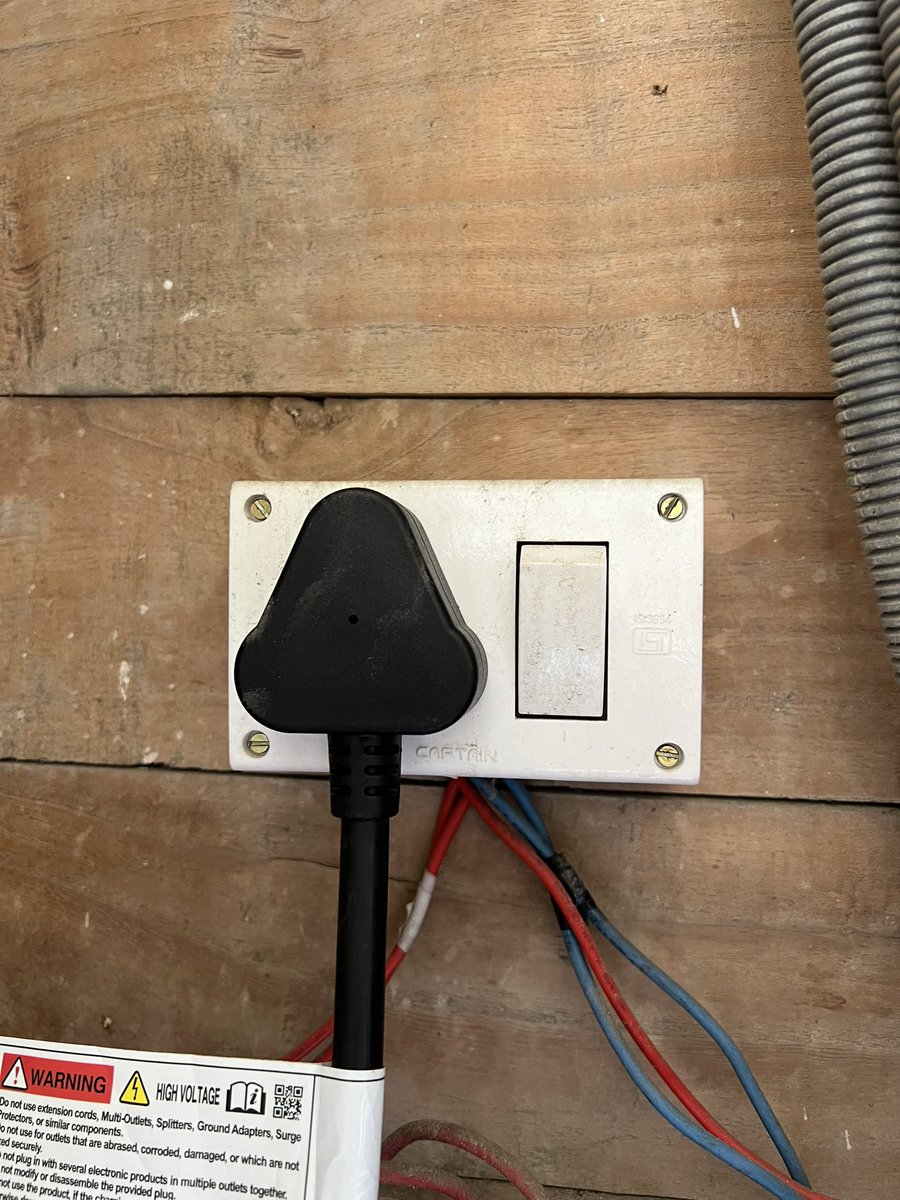
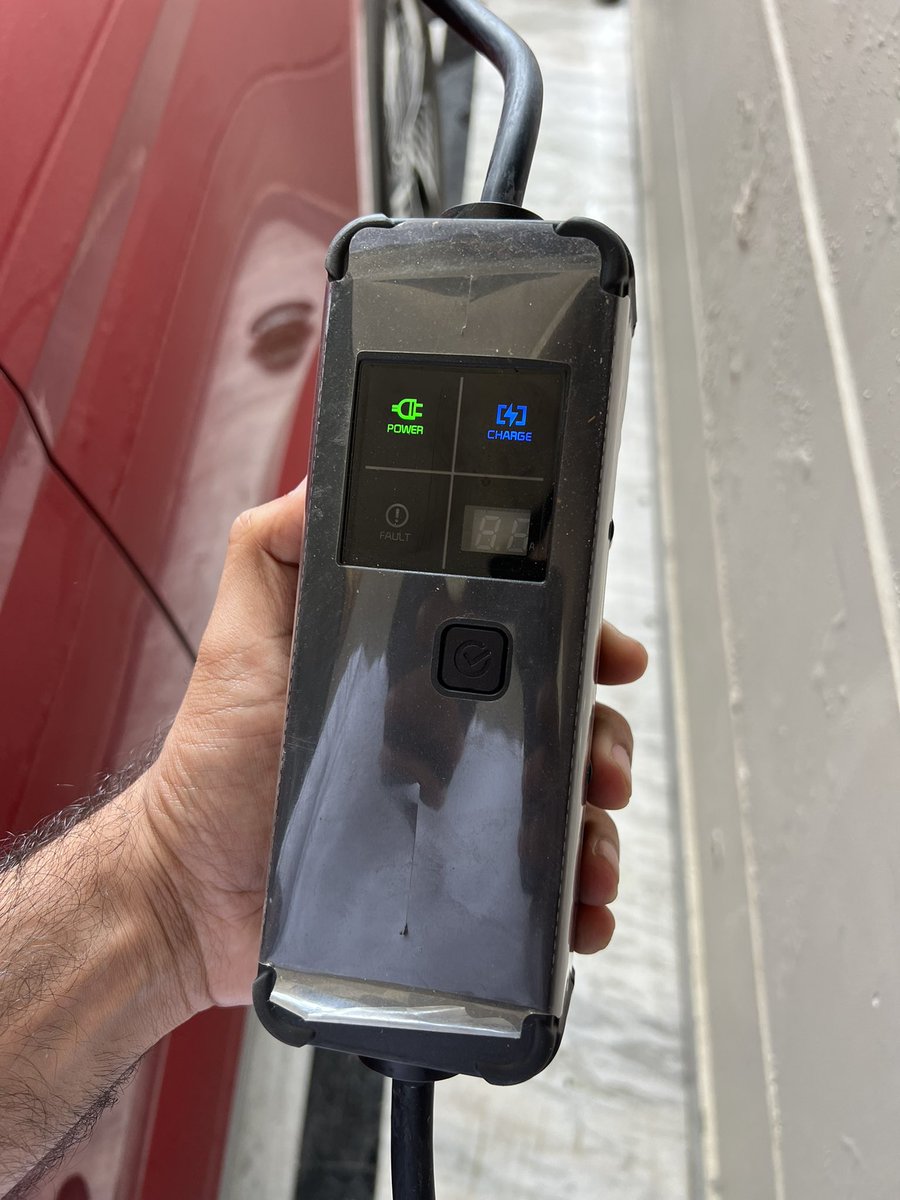
Hyundai Creta Electric - Charging at home with a basic socket.
Easy peasy, lemon squeeze 👌
English

@RapperPandit So peak detailing by Aditya Dhar is a hoax
English

🚨Something changed between Dhurandhar 1 vs Dhurandhar 2.
This scene were Alam Bhai Talks about ‘NAMKEEN CHAI’ - which as per my info is drunk only in KASHMIR - I thought he wud be a Kashmiri Spy (same as Aditya Dhar)
But in Part 2 he said he’s from Bareilly. Do ppl in Bareilly Drink Namkeen Tea?
English
@Tejasvi_Surya Unfortunately, we are stuck for 5 years for their entitlement.
Can your party bring a rule to right to recall by the voters? No you don’t, your party is another congress 😀
English

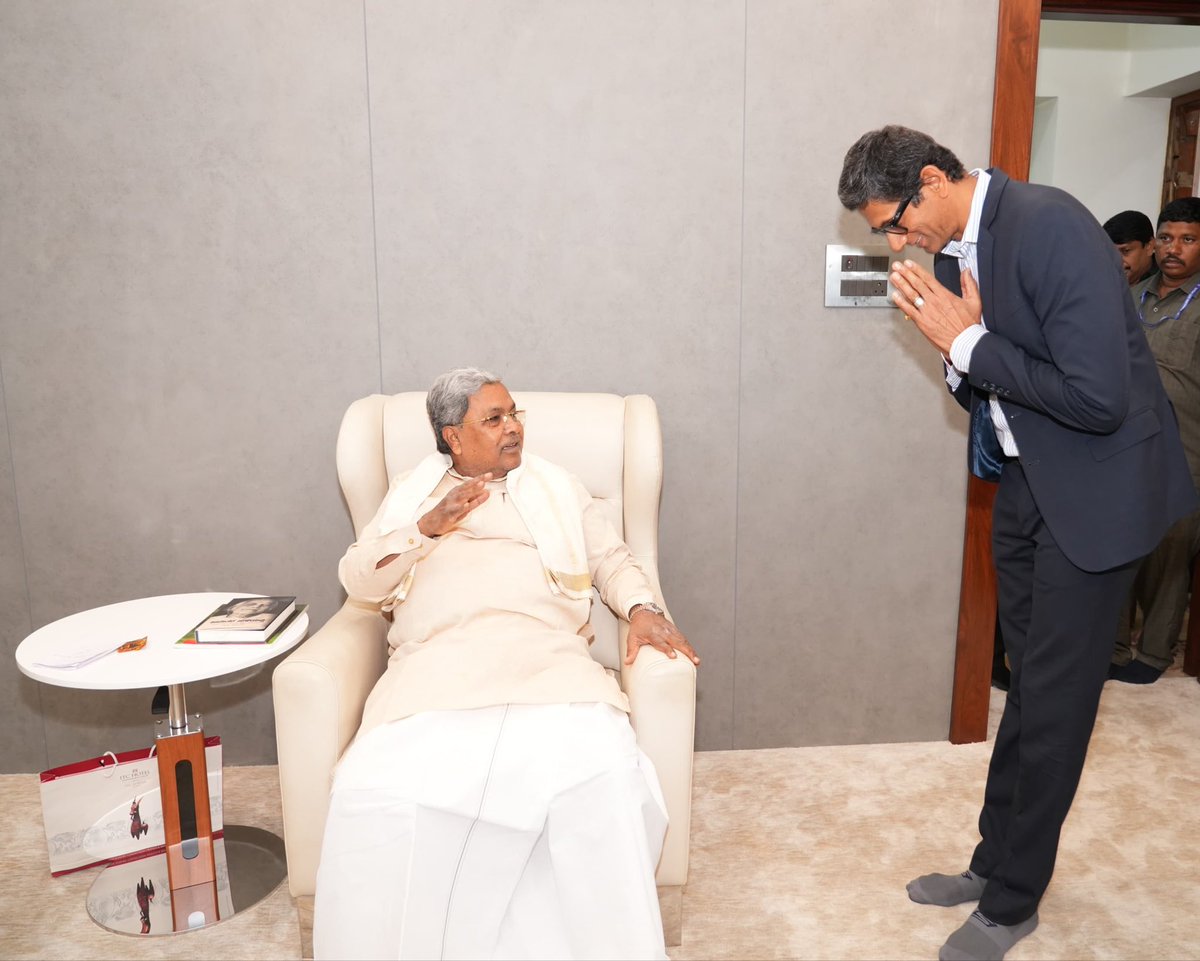
This picture says more than a thousand words.
It captures, in one frame, what our political culture has been reduced to.
A national icon like Venkatesh Prasad, a man who brought pride to India, whose spells against Pakistan are etched permanently in our collective memory, is today standing with folded hands before a Chief Minister.
Why?
Not for any wrongdoing. Not for any failure of duty.
But simply because he did his job.
Because he did not anticipate that the brittle egos of politicians would be bruised. Because he did not bend to a culture that expects free tickets, special treatment, and unquestioned entitlement.
This is the tragedy.
When those who have served the nation with excellence are made to stand in deference, and those in public office demand privilege over accountability, something has gone fundamentally wrong.
This is not just about one incident.
This is about a deeper decay.
A political class that sees power as entitlement, not responsibility should go. A system where excellence bows, and arrogance sits should go.
A new generation of political class is badly needed at all levels.
If this does not disturb us, nothing will.
India deserves better.
For whatever it is worth, I stand with @venkateshprasad. And I know, millions will.
English

BREAKING: The nitrogen trap just closed. Three locks snapped shut simultaneously. The planting window is closing behind them. And the food the world eats next year is now being decided by molecules that cannot reach the soil in time.
Lock one: the Strait of Hormuz. The IRGC permissioned corridor allows oil tankers from friendly nations to pay $2 million in yuan and pass. It does not allow fertiliser vessels to pass at any price. Zero approved fertiliser transits in 24 days. The Gulf supplies 49 percent of the world’s exported urea and roughly 30 percent of traded ammonia. That supply is not delayed. It is denied. The gate opens for molecules that fund the gatekeeper. It stays closed for molecules that feed the planet.
Lock two: Russia. The world’s largest exporter of ammonium nitrate just halted all AN exports until after April 21. Three to four million tonnes per year, gone from global markets at the exact moment the Northern Hemisphere needs it most. The official reason is “domestic priority.” The strategic effect is leverage. Russia earns windfall revenue from the oil price spike its ally’s war created, then removes the fertiliser that farmers need to plant through the crisis. The disease and the cure, again, from the same address.
Lock three: China. Beijing has banned exports of nitrogen-potassium blends and phosphate fertilisers through August 2026. China is the world’s largest phosphate producer and a major nitrogen supplier. The ban removes the last alternative source that could have compensated for Hormuz and Russia. Three locks. Three countries. Three deliberate decisions timed to the same biological calendar.
The biological calendar does not negotiate. Corn requires nitrogen at the V6 to VT growth stage or kernel set is permanently reduced. Wheat requires it at tillering and jointing or grain fill collapses. Rice requires it at transplanting or yield drops 20 to 40 percent in low-input systems. These are not economic models. They are cellular processes. The plant either receives nitrogen during the window or it does not. If it does not, no subsequent application, no price increase, no policy reversal can recover what was lost. The damage is written into the biology of the seed.
The US Corn Belt window closes mid-April. European top-dressing is happening now. Indian Kharif preparation begins in May. Bangladeshi Boro rice transplanting is underway this week. Every one of these windows is closing while the three largest sources of nitrogen on Earth are simultaneously locked: Hormuz by military blockade, Russia by export decree, China by trade ban.
The USDA Prospective Plantings report arrives March 31. The FAO Food Price Index publishes April 3. These will quantify what the molecules already know: the nitrogen did not arrive. The yield loss is locked in. The 5 to 10 percent global drag will concentrate where the buffers are thinnest: subsistence farms in Bangladesh, Sub-Saharan Africa, South Asia, where a 20 percent shortfall does not mean lower profits. It means hunger.
Sri Lanka banned synthetic fertiliser in 2021. Rice yields collapsed 40 percent. The government fell. In 2008, fertiliser and oil spiked simultaneously and food riots erupted across 30 countries. In 2026, the strait blocks fertiliser while Russia and China withdraw the alternatives, and the planting windows close on a planet with nowhere else to turn.
The war is fought with missiles. The famine is fought with molecules. The molecules are trapped behind three locks on three continents, timed to the one calendar that cannot be paused, extended, or negotiated: the calendar written into the DNA of every seed in the soil.
Full analysis: open.substack.com/pub/shanakaans…

Shanaka Anslem Perera ⚡@shanaka86
JUST IN: The most irreversible consequence of this war is not happening in Tehran. It is happening in a barn in Iowa. A farmer is standing over a kitchen table looking at two seed catalogues. One is corn. One is soybeans. Corn needs 180 pounds of nitrogen per acre. Nitrogen costs $610 per ton on the CBOT March futures settlement as of yesterday, up 35 percent in a month. Soybeans fix their own nitrogen from the atmosphere through root bacteria called rhizobia. They need nothing from the Strait of Hormuz. The farmer is choosing soybeans. Millions of acres are choosing soybeans. And once the planter rolls into the field, the choice cannot be reversed until next year. USDA projected corn at roughly 94 million acres for 2026, down from 98.8 million. Soybeans at 85 million, up from 81.2 million. Those projections were published February 19, before urea surged past $683 at New Orleans. The actual shift will be larger. USDA Prospective Plantings reports March 31. By then the seeds will be in the ground. This is the transmission channel the world is not watching. A 21-mile strait enforced by provincial commanders with sealed radio orders just rewrote the planting economics of 90 million acres of the most productive farmland on Earth. Not through sanctions. Not through diplomacy. Through the price of a single molecule that corn cannot grow without and soybeans do not need. Now follow the cascade. The Renewable Fuel Standard mandates 15 billion gallons of corn ethanol annually. That consumes roughly 43 percent of the entire US corn crop. The mandate is set by the EPA. It does not flex when corn acres shrink. It is inelastic demand consuming a fixed share of a declining supply. When supply tightens against a fixed mandate, the remaining corn reprices upward. Corn above $5 per bushel compresses every margin downstream. The US cattle herd stands at 86.2 million head, a 75-year low per USDA NASS. Poultry and pork operations face compression from higher corn prices. Feed is the single largest cost in livestock production. When feed reprices, protein reprices. When protein reprices, every grocery shelf in America absorbs the increase. This is the protein cascade. Corn to feed to meat to eggs to dairy to the checkout counter. Each link tightens because the link before it tightened. The originating cause is a urea molecule that cannot transit a strait because a provincial commander’s sealed orders say it cannot. The farmer did not start this war. The farmer cannot end it. The farmer responds to the price on the screen and the biology of the two crops in front of him. Corn needs the molecule. Soybeans do not. At $610 the arithmetic is settled. The planter rolls. The season is locked. Israel just authorised the assassination of every Iranian official on sight. The US has spent $16.5 billion. South Pars is burning. The Fed is holding rates because oil inflation will not break. Gold touched $5,000. Bitcoin is bleeding. China is running exercises near Taiwan. Sri Lanka shut down on Wednesdays. And underneath all of it, a man in a barn is making the decision that determines whether four billion people pay more for food this year. He has never heard of the Mosaic Doctrine. He does not know what a sealed contingency packet is. He knows what nitrogen costs. And he is planting soybeans. Full analysis - open.substack.com/pub/shanakaans…
English
@shanaka86 China is winning by not firing a single bullet
English
BREAKING. The Strait of Hormuz now has a guest list. And the guest list is redrawing the map of global power.
China passes. Chinese-owned vessels transit with “CHINA CREW” broadcast on AIS. India passes. LPG tankers Shivalik and Nanda Devi cleared and escorted. Pakistan passes. Aframax tankers bound for Karachi approved. Turkey passes. Malaysia passes. Iraq transits on government-to-government terms. Bangladesh receives limited clearance. Sri Lanka was publicly named a “friendly nation” by the Iranian ambassador in Colombo this morning.
The United States does not pass. Israel does not pass. Japan does not pass. South Korea does not pass. Any vessel with US or Israeli beneficial ownership, insurance, or crew is excluded. No toll will buy entry. The gate is not for sale to everyone. It is for sale to a specific coalition: the nations that did not join the war, or that Iran calculates it can pull closer by offering what the strait controls.
Four hundred ships are waiting outside. Three transited in the last 24 hours. The IRGC is selecting the future of global trade one hull at a time. Every vessel that passes under the yuan-denominated toll weakens the petrodollar architecture. Every vessel that waits reinforces it. The strait is not a waterway anymore. It is a sorting mechanism. Friendly nations on one side. US-aligned nations on the other. The water between them is 21 miles wide, priced at $2 million per crossing, and denominated in a currency that is not the dollar.
The United States calls this extortion. CENTCOM has stated it “will not tolerate any restriction on freedom of navigation.” Over 50 missile sites were hit overnight. The US blueprint to demolish the toll system is multi-domain: kinetic degradation of IRGC coastal infrastructure, naval escorts for allied tankers, targeted sanctions on toll intermediaries, and, per the Wall Street Journal, contingency planning for operations against Kharg Island to cut the revenue that funds the gate.
The logic is straightforward. If the IRGC cannot enforce the corridor, the corridor collapses. If the toll revenue disappears, the gate cannot sustain itself. If Kharg is seized or blockaded, Iran loses both its export income and its leverage. The US is not negotiating with the toll booth. It is planning to demolish it.
But here is what the demolition does not solve. Every day the toll booth operates, it proves that global energy trade can settle in yuan through a non-Western chokepoint during a shooting war. That proof of concept does not disappear when the corridor closes. The precedent lives in the transaction records of every tanker that paid. The yuan payment rail built under fire becomes a template for peacetime. The IRGC may lose the strait. It will not lose the demonstration.
China is watching. Beijing’s tankers pass freely. Beijing’s currency collects the tolls. Beijing’s refineries process the crude. And Beijing has not fired a single shot, deployed a single soldier, or risked a single asset. The war that the United States is fighting and funding is simultaneously building the payment infrastructure that China will inherit when the fighting stops. The strait sorts nations into two categories. The category that pays in yuan is growing. The category that waits outside is shrinking. And the distance between the two is measured in a currency that neither Washington nor Jerusalem controls.
Three ships. Four hundred waiting. One guest list. Two currencies. The strait is not just a chokepoint anymore. It is an audition for the next monetary order.
Full analysis:
open.substack.com/pub/shanakaans…

Shanaka Anslem Perera ⚡@shanaka86
BREAKING: The Strait of Hormuz is no longer closed. It is no longer open. It is something the world has never seen before: a permissioned corridor run by the Islamic Revolutionary Guard Corps, priced at $2 million per vessel, payable in yuan. Three ships transited in the last 24 hours. Three. Out of a pre-war average of 60 per day. Total throughput: 310,000 deadweight tonnes. Three percent of normal. Four hundred vessels are waiting outside the strait right now. One hundred and fifty tankers. One hundred and twenty bulk carriers. One hundred and thirty others. Waiting for permission from the IRGC Navy to enter a 5-nautical-mile channel between Larak and Qeshm islands inside Iranian territorial waters. This is how the gate works. A vessel operator contacts approved intermediaries with IRGC connections, submitting full documentation: IMO number, ownership chain, cargo manifest, destination, crew list. The intermediaries forward the package to the IRGC Navy’s Hormozgan Provincial Command for sanctions screening, cargo alignment checks that prioritise oil over all other commodities, and geopolitical vetting. The toll is approximately $2 million per tanker. For a VLCC carrying 2 million barrels, that is $1 per barrel. Preferred currency: yuan. If the vessel passes, the IRGC issues a clearance code and route instructions. Upon approach, VHF radio hail, AIS verification, patrol boat escort. One ship at a time. Through the narrowest channel of the most important waterway on Earth. Iranian crude is still flowing. Approximately 1.1 to 1.5 million barrels per day, mostly to China, at near pre-war levels. Iran’s own oil transits the strait it controls. The blockade applies to everyone else. Iran is simultaneously the gatekeeper and the primary beneficiary. The toll funds the IRGC. The IRGC maintains the gate. The gate generates the toll. The circle is self-sustaining. Now look at what is NOT transiting. Fertiliser. Gulf nations supply 49 percent of the world’s exported urea. Ammonia requires the natural gas that Qatar declared Force Majeure on and that Iranian strikes disrupted at South Pars. Effectively zero fertiliser vessels have received approval through the permissioned corridor. The IRGC is prioritising oil because oil generates revenue. Fertiliser does not. The molecules that feed four billion people are trapped behind a gate that only opens for molecules that fund the gatekeeper. The yuan preference is the structural shift that outlasts the war. Every tanker that pays in yuan instead of dollars establishes a precedent. Every precedent weakens the petrodollar architecture that has governed energy trade since 1974. The IRGC is not just blocking a strait. It is building an alternative payment rail under live fire. The $2 million toll in yuan is not a fee. It is a proof of concept for a post-dollar energy settlement system, stress-tested in the most extreme conditions imaginable: a three-front war with the world’s largest military. The world’s central banks are trapped by the same strait: the Fed cannot cut, the ECB is hiking, the BOJ is tightening. Six countries are rationing fuel. Japan’s 10-year yield hit a 27-year high. Slovenia has QR codes at the pump. South Korea is barring government vehicles one day per week. And behind all of it, 400 ships wait outside a 5-nautical-mile channel for a clearance code from the IRGC Navy, payable in a currency that is not the dollar. Twenty percent of the world’s oil supply. Controlled by a VHF radio call and a yuan transfer. The strait did not close. It changed ownership. open.substack.com/pub/shanakaans…
English
@SURAJ_624 Wow, when you give a fully loaded gun to a monkey, you know what happens 🤦
English

Dhurandhar 2 is brilliant and more gore , not for the weak hearts and I hope actual events lived up to its portrayal on screen.
The background music in Dhurandhar 1 was much better than in 2.
Perhaps I need to listen to it more frequently to start liking it.
English
@Deadlykalesh Watching in slow motion, can’t make out what exactly has happened
English

📍Natham, Dindigul, Tamil Nadu: Man suddenly runs onto the road and collides with a moving bike, causing both riders to fall. One of the bike then shoots ahead and crashes into a wall in a filmy-style sequence after losing control. x.com/6ppri/status/2…
English