George Hay
2.5K posts

@record_this
Official Historian @CWGC. Often found outdoors. Book: https://t.co/HbA7UTVWMg


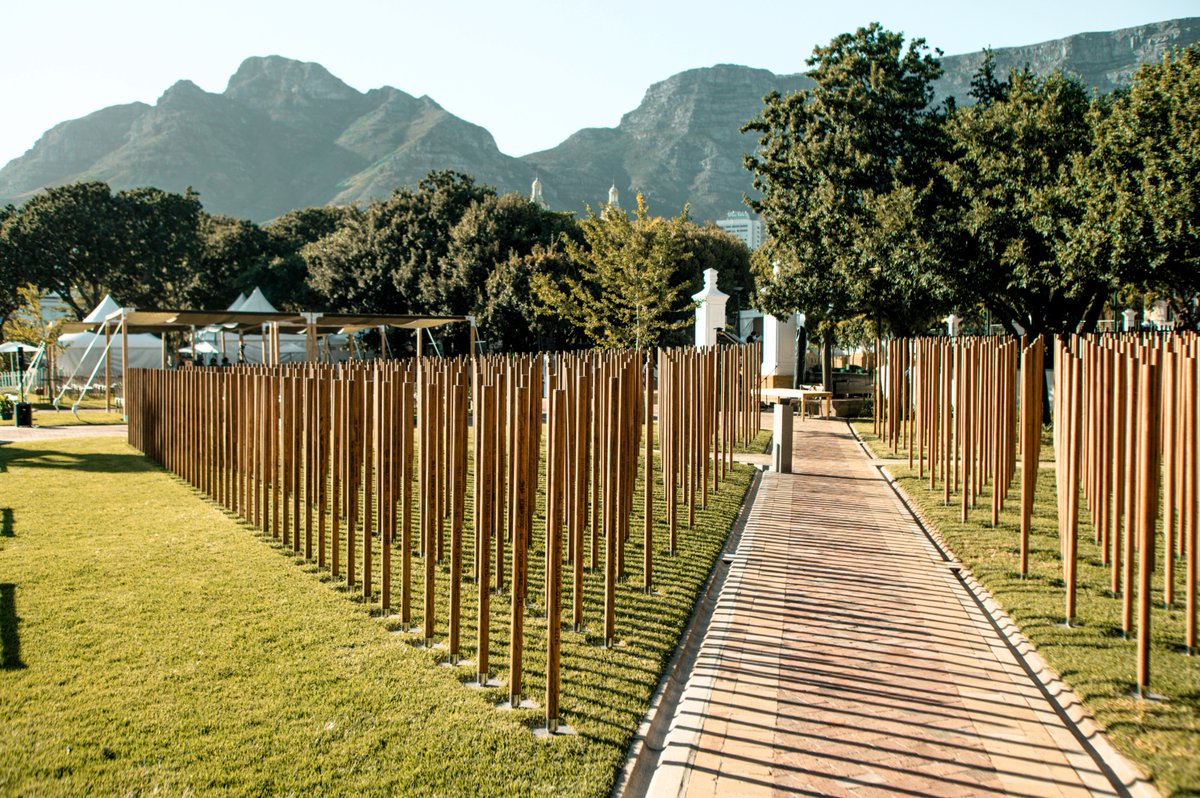
We have today published a landmark report revealing historical inequalities in how Second World War casualties from the former British Empire were commemorated. The report, titled 'Remembering the dead of the British Empire', is part of our ongoing commitment to investigate and address historical injustices in its commemorative work. Drawing on extensive archival research, the report found that while no groups were systematically excluded, the then Imperial War Graves Commission (IWGC) delivered unequal outcomes for some of the war dead. The findings highlight a number of issues that led to disparities in commemorative practices, which you can read in detail by visiting our website using the link below. 📷IWM (E 6064) Men of the King's African Rifles (KAR) collecting surrendered arms at Wolchefit Pass


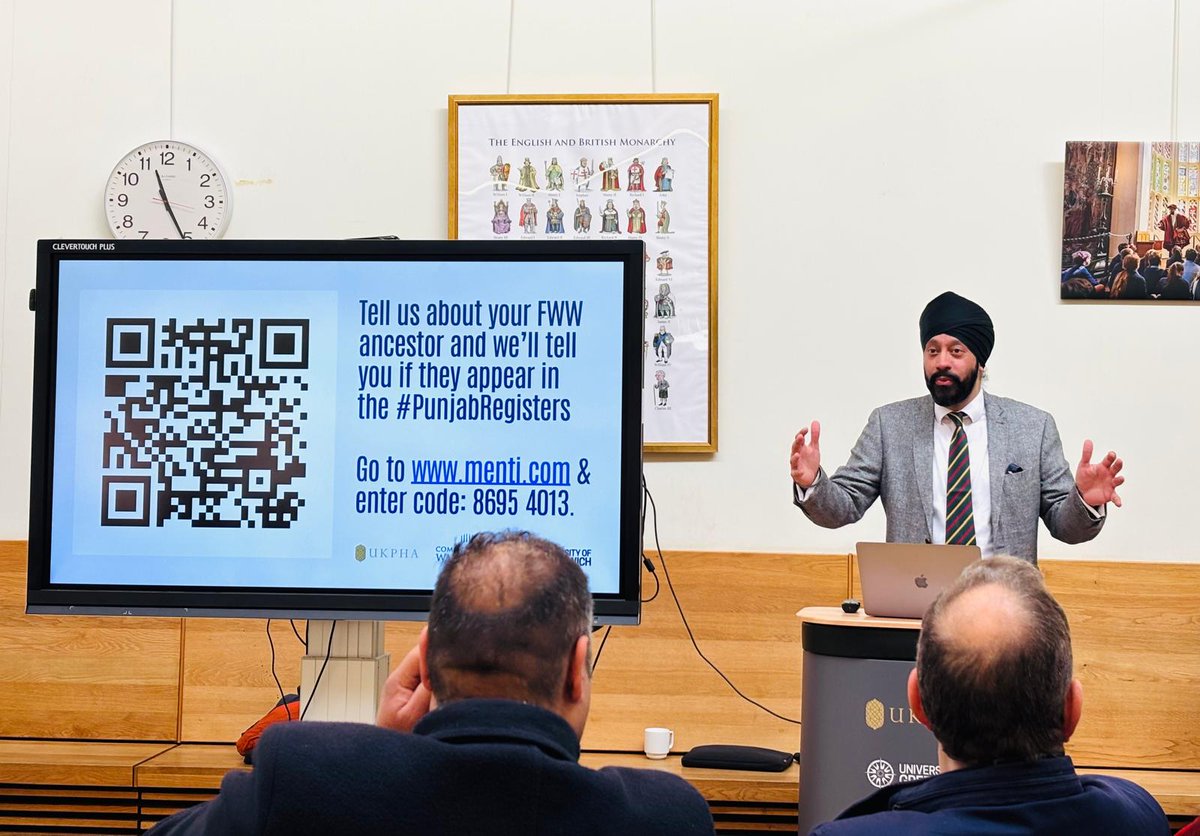
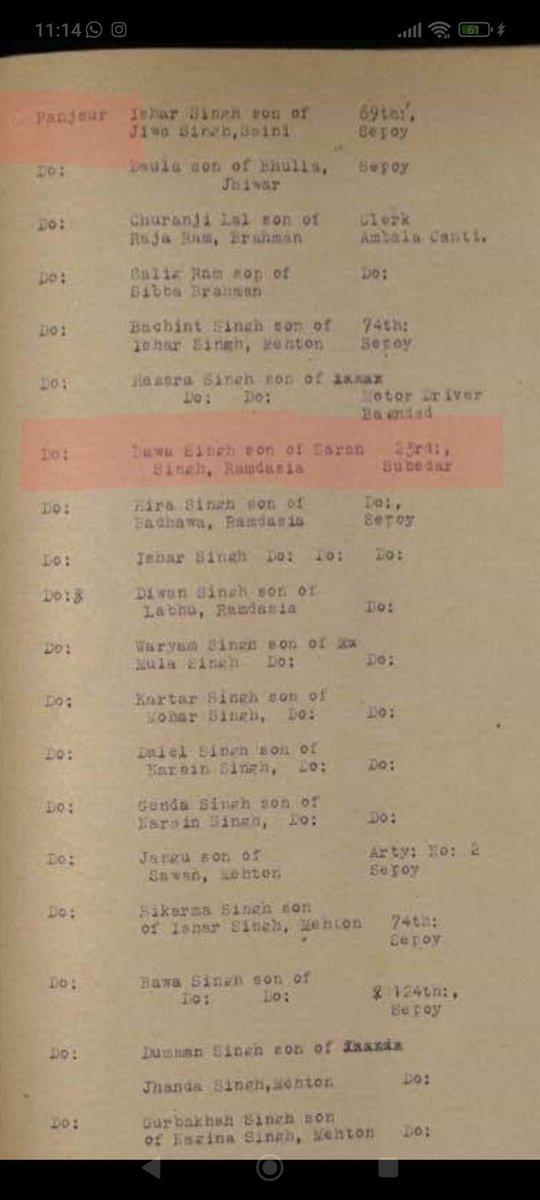
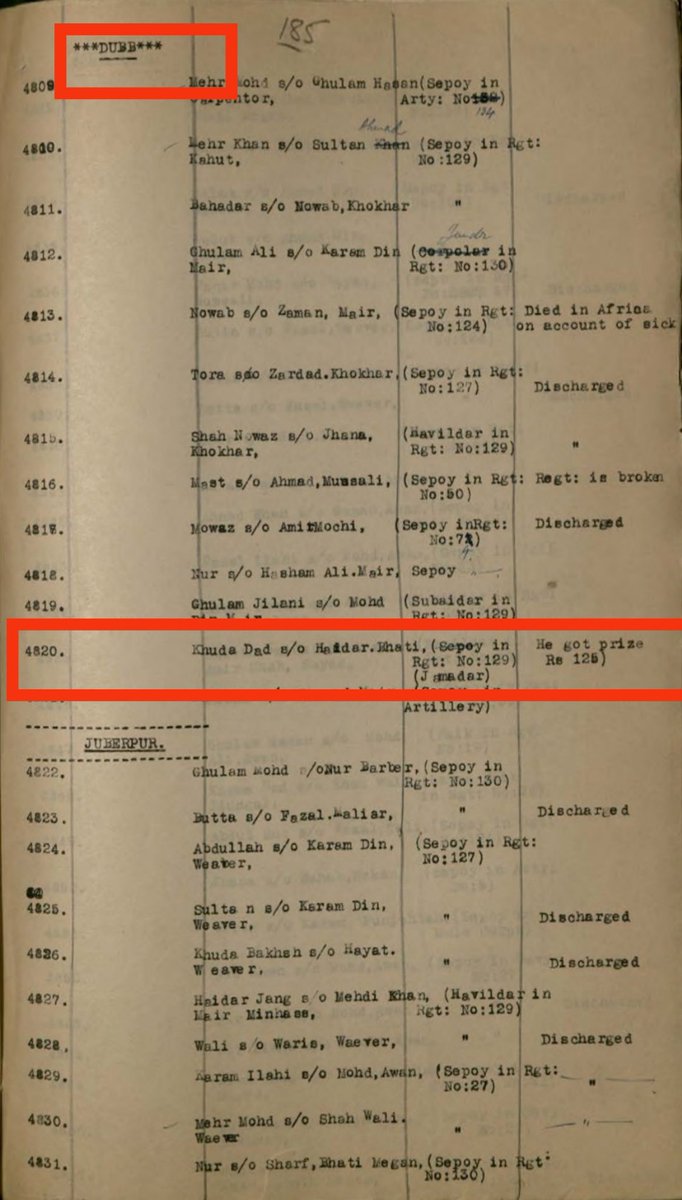
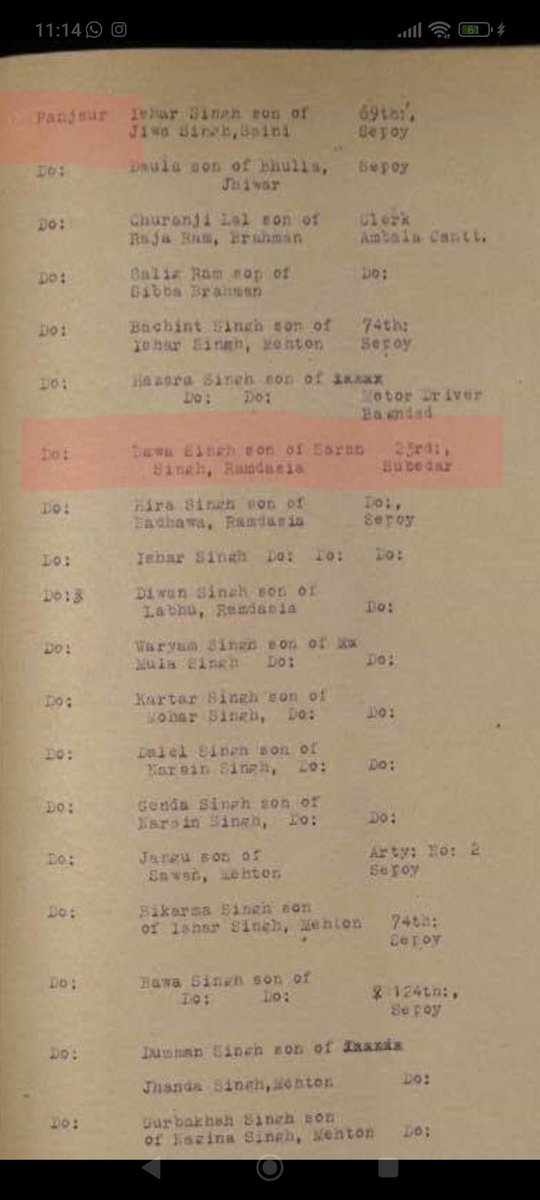
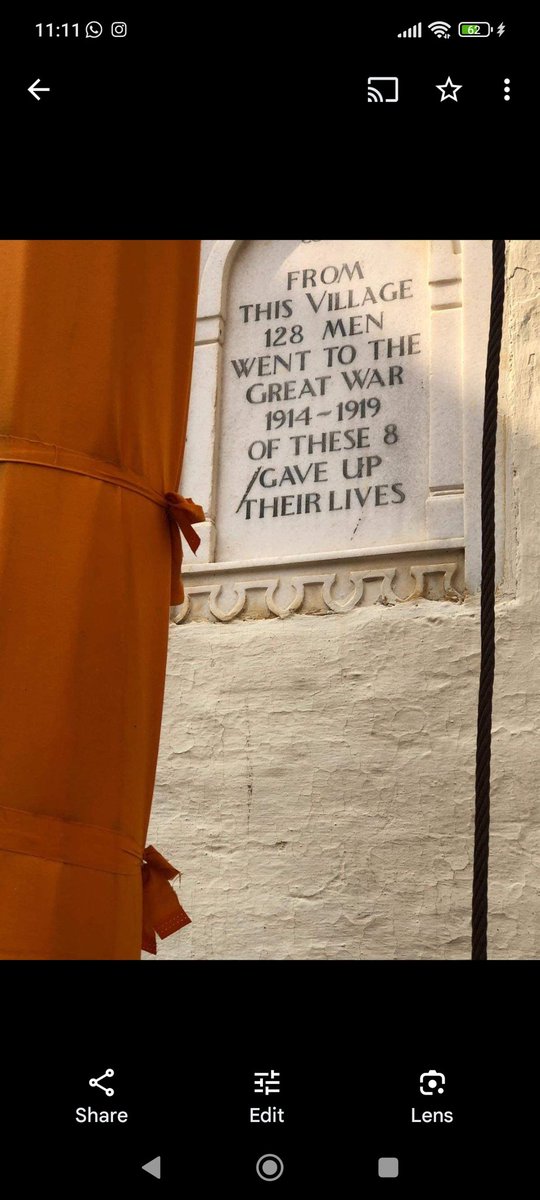
I'll be with @TejpalRalmill & @record_this at @HampCourtPal on Saturday talking about the #PunjabRegisters and what they tell us about Punjab's role in the First World. Join us & learn how you can help the @CWGC identify forgotten Punjabi casualties. tinyurl.com/punjabregisters


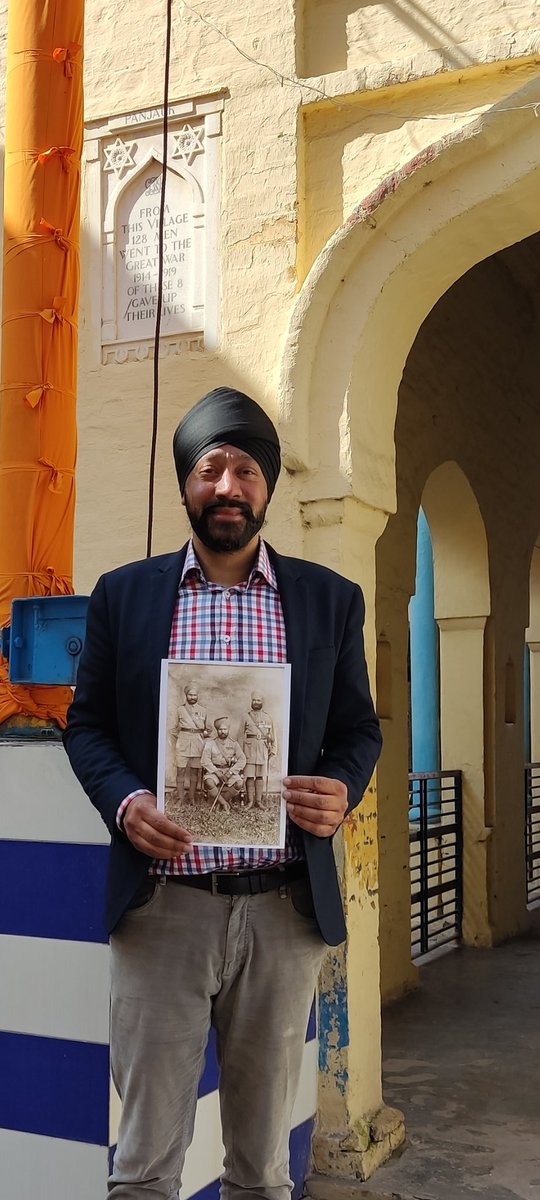
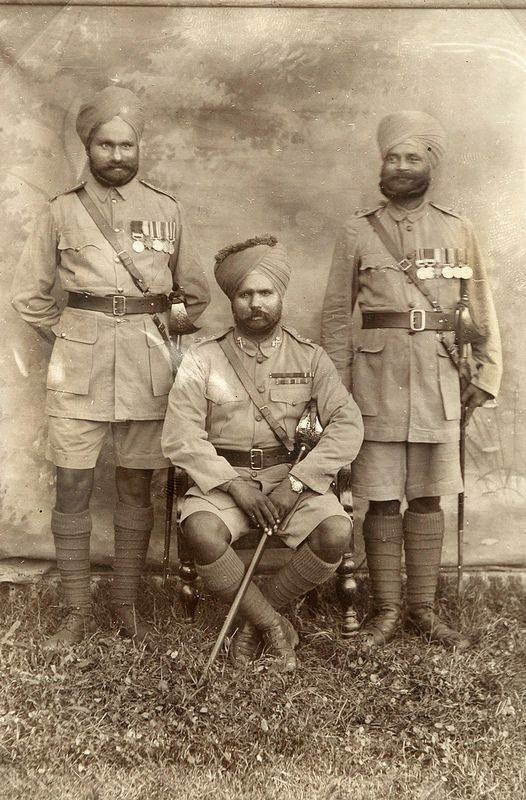
Dr. Tejpal Singh Ralmill, a Sikh GP, found a passion for military history while researching his great-grandfather, Subedar-Major Bawa Singh, a WW1 veteran. Tejpal is now fighting to ensure the sacrifices of those who fought beside the British from the Commonwealth are remembered.


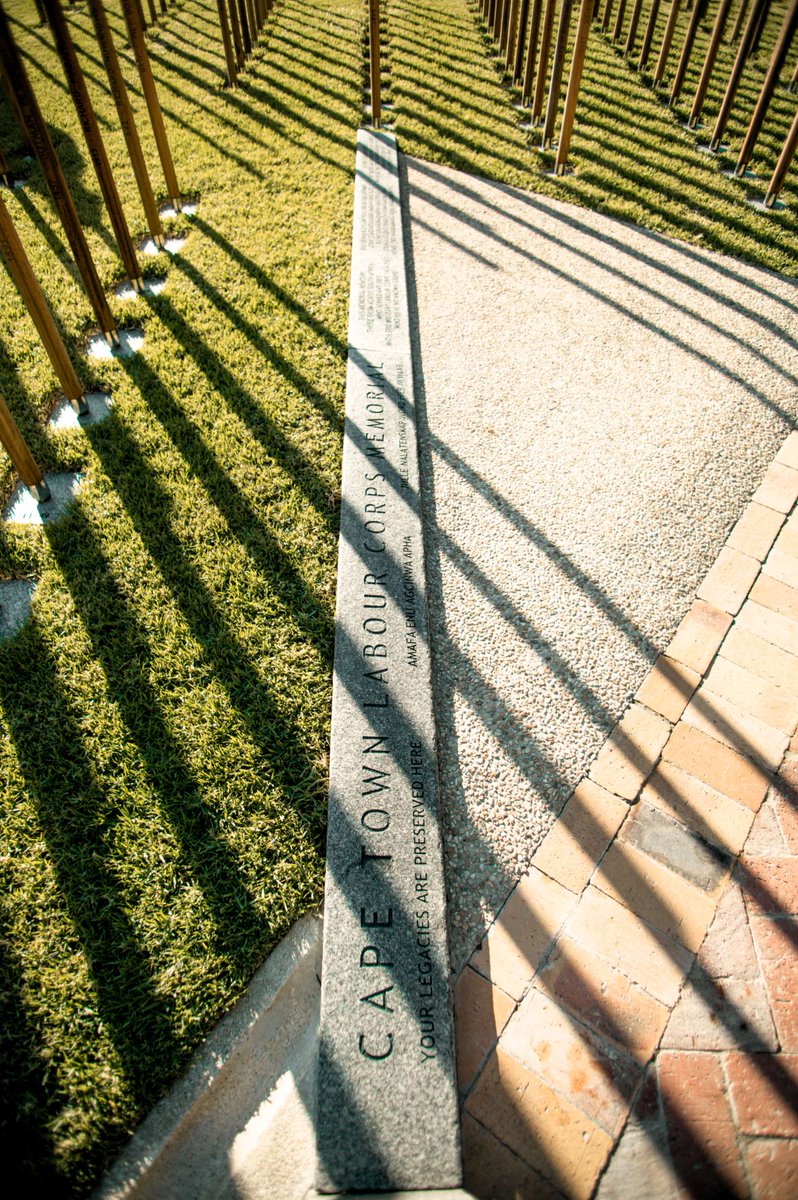
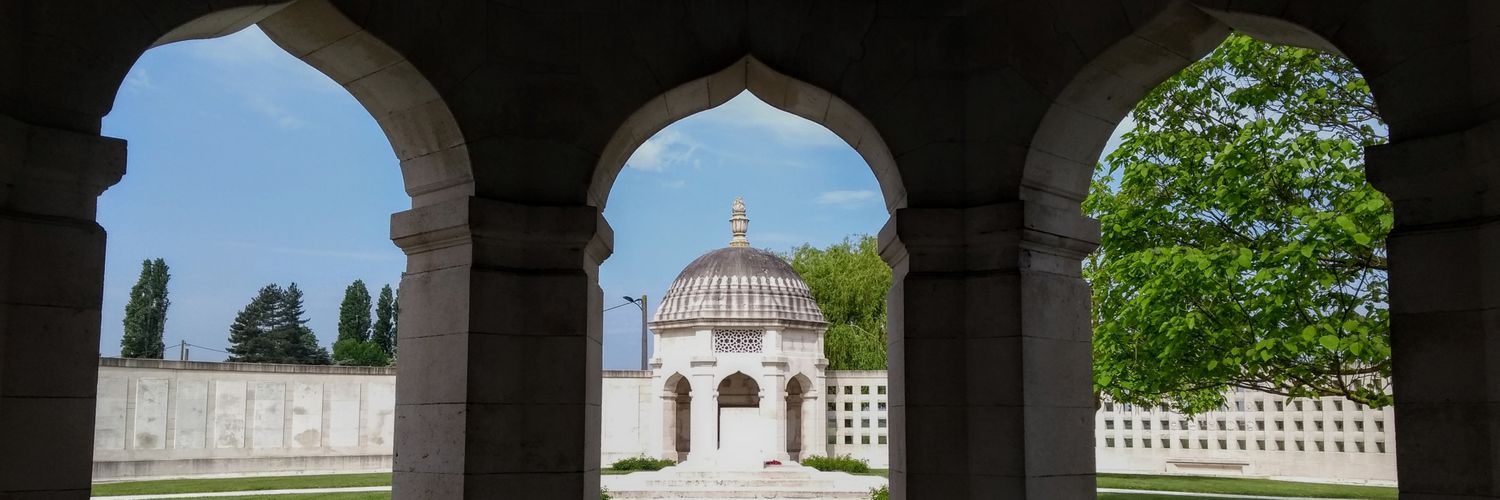
Combining archival research from Tanzania and the UK, our Non-Commemoration Programme has identified the probable location of a cemetery for potentially thousands of African carriers who died in British service during the First World War. Read more on our website: cwgc.org/our-work/news/…

"This is the moment when the Allies return to mainland Europe." Historian George Hay explains the importance of marking D-Day as a crucial point in World War 2 for educating people.