Zach Grannis

439 posts

Zach Grannis banner
Zach Grannis

Zach Grannis

@zgrannis

Risk is life — and vice versa | h/o F&S @Faire_Wholesale
San Francisco, CA Beigetreten Mayıs 2010
461 Folgt475 Follower
Zach Grannis
Zach Grannis@zgrannis·
@GuptaRK22 Wise man once told me "life's not a dress rehearsal". Can't wait to see what you have cookin'!
English
1
0
1
219
Ravi Gupta
Ravi Gupta@GuptaRK22·
Venture investing is a remarkable job. You get to hear visions for the future from founders. Then you get to help in a small way while they go and will that vision into existence with resilience, grace, and grit. Being at Sequoia has given me the chance to work with some of the best founders in the world. Bret and Clay. Max, Jeff, Marcelo, and Daniele. Eric and Karim. Saji and Ashu. Job and Marcelo. Anil and Sunil. George. So many others. They are awe-inducing and inspiring. So inspiring that I've decided to join them and start my own company. I miss building and leading. I want to compete on the field during the AI wave. I'll share more soon, but for the moment, I will say that AI is the most transformative technology of our lifetimes. The opportunity for companies who embrace it thoughtfully and aggressively is unbounded. I love Sequoia and have made lifelong friends here. I have been lucky to learn from the very best. And I will still be on the team. Sequoia will be a founding investor in the new company and I will remain a Partner. I am so excited to get back on the field. LFG.
English
146
27
1.4K
363.2K
Dan Hockenmaier
Dan Hockenmaier@danhockenmaier·
New post: Vibe Analysis Everyone is talking about vibe coding, but vibe analysis is going to be at least as big. There are 2M software eng in the US but 5M+ analysts Full essay with the bull case, the bear case, and the likely impact below
Dan Hockenmaier tweet media
English
1
0
19
1.2K
Zach Grannis
Zach Grannis@zgrannis·
Instant classic from @tylercowen here. My reaction: AI is far more likely to make the smart, much smarter and the lazy, much more lazy than it is abundantly clear what happens to the median. Fairly confident that average goes way up though... The floor is fixed, but the ceiling is boundless? We collectively just need to raise the bar on what we "should be" accomplishing alongside AI ex-ante.
tylercowen@tylercowen

No, AI and LLMs are not making us stupider: thefp.com/p/tyler-cowen-…

English
0
0
2
259
Zach Grannis
Zach Grannis@zgrannis·
TLDR: 1) as a brand (especially a market leading brand), take your eye off the ball in wholesale at your own peril 2) if you’re going to compete in the b2c retail value chain, you ultimately want to be the AMZN in the room Conclusion: if you can't be or beat AMZN, be the b2b wholesale version of it. Priors confirmed, back to work.
Zach Grannis tweet media
English
1
0
4
311
Zach Grannis
Zach Grannis@zgrannis·
@patrickc Least politically charged defense of comparative advantage I’ve read on the internet all weekend ;)
English
0
0
19
2.1K
Patrick Collison
Patrick Collison@patrickc·
Having now spent about half my life in each (and loving both), herewith the pros and cons of Europe and the US in everyday life: Better in Europe • Bike lanes and bike infrastructure. London, Paris, and Amsterdam are all excellent these days. (As are many other European cities.) Made even better by easy-to-rent e-bikes—now almost always the fastest way to get around. • The urban walking experience generally. Partly for density reasons, and partly because of... • Late-night cafe, brasserie culture. Is there an economic reason for this or is it just climate and contingent zoning? • Architecture. Around 1920, we forgot how to make nice buildings. European cities tend to have more construction from before the Great Forgetting, and it makes the built environment much more pleasant. • Pedestrianized streets. Often with cobblestones. • In general, European cities are just more pleasant. Given how hard it is to build a good city (or indeed to retrofit one), this feels like a big deal. • Cured and pickled food. • Bread. Obviously varies by country, but it’s generally true. • Voltage. What are Americans doing waiting so long to boil kettles? • Beauty in the mundane. I find that you’re more likely to find tasteful touches in prosaic places in Europe. • Motorway design and signage. Standardized, clear, and easy-to-use. The US is a mess by comparison. • Bathroom doors. That is, in Europe, they’re proper doors. Why does America make us see others’ feet? • The clangor of church bells on Sunday. • Trains. Enough said. • Pharmacies. I'd love to understand why they're so much nicer in Europe. • Cheese. Again, lots of cross-country variation, but true in general. • I'm not sure why, but European regulation on many everyday items seems better. Sunscreens in Europe are better, as are bike helmets. • Wine. • Languor, joie de vivre, hygge, gemütlichkeit, craic. I think Europeans are better at unwinding. Drawing contrast with what he found in the US, De Tocqueville observed that in Europe "idleness is still held in honor". This difference remains apparent. • Road density. Europe generally has many more roads per square mile, which makes it easier to find nice places to run, walk, and cycle. Better in the US • Air conditioning. Consistently bad in Europe. (Partly for silly degrowth-related reasons?) • Coffee. Opinions will differ, naturally, but third wave coffee has seen much more enthusiastic adoption in the US. • Cookie banners. That is, the lack of them. (Well, there are some, but it’s not as bad as the fusillade one is subjected to in Europe.) • Internet speeds. European wifi often reminds me of my dialup youth. • Capital markets. If you need money (as a consumer, a small business, or a startup), it’s much easier to get it in the US. • Being able to buy groceries on Sunday. Inexplicably challenging on the continent. • Showers. Like the tepid air conditioning, daily ablutions in Europe are conducted beneath parsimonious trickles. • Urban air quality. Maybe surprisingly, it is, on average, better in the US. The unpleasant whiffs of diesel exhaust is part of the reminder that one is back in Europe. • Government efficiency. In general, things happen faster in the US. • Labor laws. As covered in Stripe's annual letter this year, people are more likely to work in high productivity sectors in the US (and thus to earn more). Rigid rules impede this reallocation in Europe. • Culture of general aviation with many thousands of small airports. There are around 700,000 pilots in the US—far more than there are in Europe. • Hospitals. A controversial claim, perhaps, but I find that those who have received care in Europe and the US prefer the US. • Beer. The microbrewery revolution of the US means that it’s clearly the better place for it.
English
662
410
6.6K
1.6M
Noémie
Noémie@FedericoNoemie·
What’s an obscure website you wish more people knew about?
English
75
26
423
79.5K
Zach Grannis
Zach Grannis@zgrannis·
@BraytonKey The root issue here is that change should be made with the customer in mind and each change agent listed here is not the customer
English
1
0
1
18
Brayton Williams ⏻
Brayton Williams ⏻@BraytonKey·
I see Founders change strategy because of what VCs want. I see VCs change strategy because of what LPs want. DONT! The very BEST play their own game.
English
22
10
166
12.9K
Dan Hockenmaier
Dan Hockenmaier@danhockenmaier·
Why is Amazon one of the most defensible businesses in the world, while "Uber for X" failed everywhere it was tried? Any defensive moat can be overcome with enough capital. If someone was willing to give you hundreds of billions of dollars without expecting a return on their investment for twenty years, you could build a viable Amazon competitor. But no one will do that, because it would be too expensive and risky. So the question is not can a moat be overcome, but at what price. In the case of a marketplace network’s effect, that price is closely approximated by how much it would cost to acquire and retain all of the supply needed to make customers happy. This is driven by three dimensions, which I unpack using the analogy of a leaking bucket: 1. Breadth (geographic reach) 2. Depth (heterogeneity of supply) 3. Holes (multi-tenanting) Thank you to @onecaseman and @lennysan for their feedback on this essay. Full essay is below
Dan Hockenmaier tweet media
English
4
2
22
4.6K
Zach Grannis
Zach Grannis@zgrannis·
@danhockenmaier @rabois Fuel component of gas-stations? The c-store aspect likely blends those businesses higher than conventional grocery though.
English
0
0
0
43
Keith Rabois
Keith Rabois@rabois·
Serious question: Is there any large market in the US w a smaller durable profit margin than groceries?
English
121
17
573
108.9K
Zach Grannis
Zach Grannis@zgrannis·
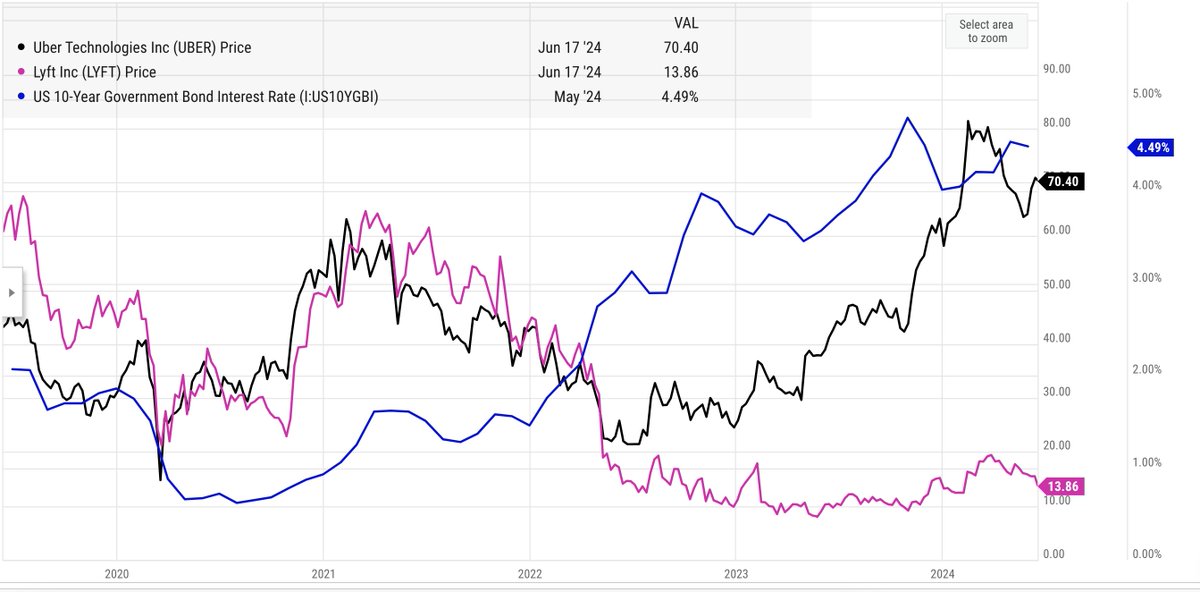
@danhockenmaier There is no such thing as free lunch... when interest rates are non-zero
Zach Grannis tweet media
English
1
0
1
46
Dan Hockenmaier
Dan Hockenmaier@danhockenmaier·
If you squint, you might be able to see precisely when the markets woke up and remembered that scale and network effects exist
Dan Hockenmaier tweet media
English
3
1
8
1.9K
Zach Grannis
Zach Grannis@zgrannis·
@danhockenmaier @AcquiredFM “Deterioration happening too slowly to be able to measure in a conventional way” — aka the boiling frog problem. Can’t say I love the metaphor, but it hammers home the point in terms of what is on the line…
English
1
0
1
88
Dan Hockenmaier
Dan Hockenmaier@danhockenmaier·
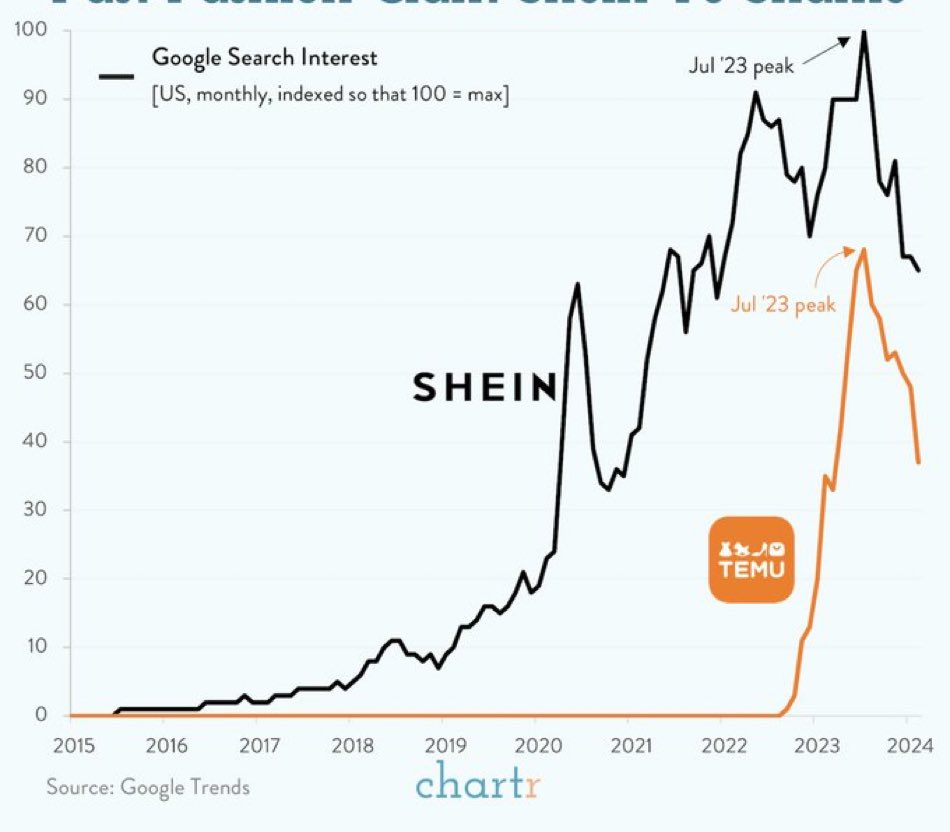
On the power of founder-led businesses: In the recent Starbucks episode of @AcquiredFM , they're talking about how great the mobile ordering business is: how it drove growth, how cash stored on cards is effectively an interest-free loan from customers. And Howard Schultz stops them and says that's all true, but that it almost killed the business. It destroyed their most important differentiator, which is the quality of the experience. "𝘕𝘰𝘸, 𝘪𝘧 𝘸𝘦 𝘧𝘢𝘴𝘵 𝘧𝘰𝘳𝘸𝘢𝘳𝘥, 𝘪𝘵 𝘪𝘴 𝘵𝘩𝘦 𝘣𝘪𝘨𝘨𝘦𝘴𝘵 𝘈𝘤𝘩𝘪𝘭𝘭𝘦𝘴 𝘩𝘦𝘦𝘭 𝘧𝘰𝘳 𝘚𝘵𝘢𝘳𝘣𝘶𝘤𝘬𝘴. 𝘈𝘯𝘥 𝘪𝘵’𝘴 𝘯𝘰𝘵 𝘦𝘷𝘦𝘯 𝘢 𝘤𝘭𝘰𝘴𝘦 𝘴𝘦𝘤𝘰𝘯𝘥. 𝘛𝘩𝘦 𝘮𝘰𝘣𝘪𝘭𝘦 𝘢𝘱𝘱 𝘤𝘳𝘦𝘢𝘵𝘦𝘥 𝘶𝘯𝘣𝘦𝘭𝘪𝘦𝘷𝘢𝘣𝘭𝘦 𝘤𝘰𝘯𝘷𝘦𝘯𝘪𝘦𝘯𝘤𝘦 𝘧𝘰𝘳 𝘰𝘶𝘳 𝘤𝘶𝘴𝘵𝘰𝘮𝘦𝘳𝘴. 𝘉𝘶𝘵 𝘳𝘦𝘮𝘦𝘮𝘣𝘦𝘳, 𝘸𝘦 𝘢𝘳𝘦 𝘢𝘯 𝘦𝘹𝘱𝘦𝘳𝘪𝘦𝘯𝘵𝘪𝘢𝘭 𝘣𝘳𝘢𝘯𝘥 ... 𝘐𝘵 𝘸𝘢𝘴 𝘣𝘦𝘨𝘪𝘯𝘯𝘪𝘯𝘨 𝘵𝘰 𝘥𝘦𝘵𝘦𝘳𝘪𝘰𝘳𝘢𝘵𝘦 𝘢𝘵 𝘢 𝘳𝘢𝘱𝘪𝘥 𝘳𝘢𝘵𝘦, 𝘵𝘩𝘦 𝘵𝘩𝘪𝘳𝘥 𝘱𝘭𝘢𝘤𝘦 𝘦𝘹𝘱𝘦𝘳𝘪𝘦𝘯𝘤𝘦 𝘪𝘯 𝘵𝘩𝘦 𝘴𝘦𝘯𝘴𝘦 𝘰𝘧 𝘤𝘰𝘮𝘮𝘶𝘯𝘪𝘵𝘺. 𝘛𝘩𝘦 𝘴𝘵𝘰𝘤𝘬 𝘸𝘢𝘴 𝘢𝘵 𝘳𝘦𝘤𝘰𝘳𝘥 𝘩𝘪𝘨𝘩, 𝘵𝘩𝘦 𝘤𝘰𝘮𝘱𝘢𝘯𝘺 𝘸𝘢𝘴 𝘯𝘰𝘵 𝘪𝘯𝘷𝘦𝘴𝘵𝘪𝘯𝘨 𝘢𝘩𝘦𝘢𝘥 𝘰𝘧 𝘵𝘩𝘦 𝘤𝘶𝘳𝘷𝘦, 𝘯𝘰𝘵 𝘱𝘢𝘺𝘪𝘯𝘨 𝘢𝘵𝘵𝘦𝘯𝘵𝘪𝘰𝘯 𝘵𝘰 𝘵𝘩𝘦 𝘷𝘦𝘭𝘰𝘤𝘪𝘵𝘺 𝘰𝘧 𝘵𝘩𝘦 𝘮𝘰𝘣𝘪𝘭𝘦 𝘢𝘱𝘱 𝘢𝘯𝘥 𝘸𝘩𝘢𝘵 𝘪𝘵 𝘸𝘢𝘴 𝘣𝘦𝘤𝘰𝘮𝘪𝘯𝘨 𝘶𝘯𝘵𝘪𝘭 𝘪𝘵 𝘸𝘢𝘴 𝘵𝘰𝘰 𝘭𝘢𝘵𝘦." When launching the mobile app, every number screamed to do it. Every experiment you ran would have gotten rolled out. Because the deterioration of the business just happens too slowly to be able to measure in a conventional way. It takes someone - almost always a founder - who deeply understand what the business actually is at its core to protect it and push against short term decision making.
Dan Hockenmaier tweet media
English
2
1
21
2.1K
Zach Grannis
Zach Grannis@zgrannis·
Lenny Rachitsky@lennysan

Hamilton Helmer (@hamiltonhelmer) is the author of 7 Powers: The Foundations of Business Strategy, which outlines a framework for identifying and developing sustainable competitive advantage. It’s widely considered to be the most important book on business strategy. Folks like @patrickc @peterthiel @reedhastings @eldsjal and @jeffiel credit the book and Hamilton’s teachers for helping them build their companies. In our conversation, we discuss: 🔸 When to start thinking about power 🔸 Which sources of power to prioritize 🔸 The difference between moats and power 🔸 Common misconceptions among companies about the types of power they possess 🔸 How power relates to strategy 🔸 How ICs can leverage insights about power in their work 🔸 AI’s impact on competitive advantages and barriers to entry 🔸 Much more Listen now 👇 - YouTube: youtu.be/hKq1_KPSqy0 - Spotify: open.spotify.com/episode/3LkQhK… - Apple: podcasts.apple.com/us/podcast/bus… Some key takeaways: 1. The 7 sources of power: a. Brand: Your unique brand identity attracts and retains a significant number of customers. b. Process power: You can produce something more efficiently than competitors, and the competitors can’t easily copy the method. c. Cornered resource: You have exclusive access to a vital resource, such as the only rights to a patent. d. Counter-positioning: Your business model/strategy is so counter to that of incumbents that if they copied you, it would hurt their own business. e. Scale economies: You can produce something more cheaply than competitors, on a per-unit basis, because of the scale of your operation. f. Switching costs: Your customers can’t switch to competitors without bearing a significant cost(s). g. Network economies: Your product or service provides more value because of how many other people are already using it. 2. Power requires both a benefit (e.g. lower cost) and a barrier (e.g. switching costs) that prevents others from imitating or neutralizing that advantage. Beware of common delusions, like overestimating the power of branding, data scale effects, or operational excellence. 3. You should always be thinking about strategy, even before product-market fit. This doesn’t mean writing detailed plans about every element of your business. It means thinking about what your “source of power” could be and how you’ll establish it. 4. Power is at the heart of any good strategy. It’s something that gives you a material advantage over competitors that is impossible for them to mimic. It requires a benefit and a barrier. As Warren Buffett famously said, “I look for economic castles [benefit] protected by unreachable moats [barrier].” It would be pointless having a moat around an insignificant shack. And it would be pointless having a castle with no moat or protection around it. 5. For tech startups, it’s common to move from (c) to (g) in chronological order. They start with counter-positioning in order to survive competition from incumbents with many more resources. Then they unlock cost/price advantages as a result of scaling. Eventually their customers face switching costs because of the way they’ve used and invested in the product. And finally, tech startups can establish network economies with a critical mass of users. 6. The first 3 sources of power are rare for tech companies. The company is usually too young to have built sufficient brand love or uniquely efficient processes, and cornered resources are uncommon unless operating in a highly regulated industry. 7. Network effects refer to the increase in value or utility of a product or service as more people use it. Network economies go further by indicating whether these effects translate into significant financial advantages for the business. 8. Despite macro risks, the entrepreneurial creativity and bias toward action found in the U.S. and places like Silicon Valley remain a vital source of economic advancement. Founders should focus on leveraging their unique strengths and “just do stuff” rather than get paralyzed by over-strategizing.

QME
0
0
2
313
Zach Grannis
Zach Grannis@zgrannis·
These two points connected for me today thanks to @lennysan's latest interview with @hamiltonhelmer, particularly the section of the conversation on A.I. (which is well worth a listen). The analogy to the advent of electricity may be the best I've heard.
English
1
0
4
219
Zach Grannis
Zach Grannis@zgrannis·
Recently revisited the latest edition of Poor Charlie's Almanack thanks to @stripepress and a couple passages from Talk II stood out to me in new ways:
English
1
0
5
512
Dan Hockenmaier
Dan Hockenmaier@danhockenmaier·
New contender for best definition of strategy: “Strategy is accepting that you are doing something better than the other and the other is doing something better than you. You have to pick your fight.” - Axel Dumas, CEO of Hermes (via latest @AcquiredFM pod on Hermes)
English
5
12
131
17.2K
Dan Hockenmaier
Dan Hockenmaier@danhockenmaier·
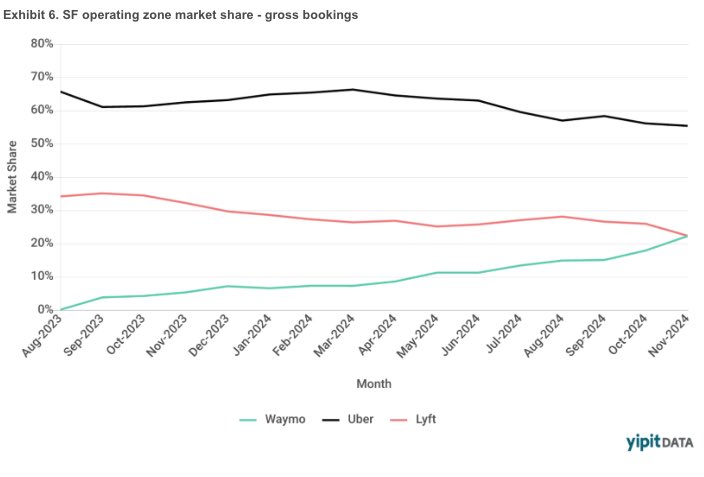
Two reactions when you observe a new entrant overtake a competitor from a standing start in a few months (and subsequently ~3x over the next few months). 1. That is remarkable growth 2. How defensible is this space?
Dan Hockenmaier tweet media
English
1
5
24
4.9K
Zach Grannis
Zach Grannis@zgrannis·
@BillSimmons @TheCousinSal Answer to the call for a name we can assign to a team that wins, but does not cover: "Immoral Loss" -- the inverse of a "Moral Victory"
English
0
0
2
370