

Th' Merrie Mephistopholean
13.4K posts

Th' Merrie Mephistopholean
@ThMerrie
Cunning contrarian. Fervent anti-disestablishmentarian. Practicing lawyer, aspiring librarian. Pronouns: it/thing/Satan
Hell, MI Joined Ağustos 2020
572 Following77 Followers

I’m not a Taylor Swift hater, but when you hear these classic songs you question whether or not her discography will stand the test of time. She’s very commercially successful and has broken records. But I don’t think her music will have the same cultural impact as legends like ABBA, Michael Jackson and others who we still listen to 50 years later.
🎼🌺Music Love♥️@ThoNg676733
This song is timeless. Probably one of the most iconic melodies in music history.
English

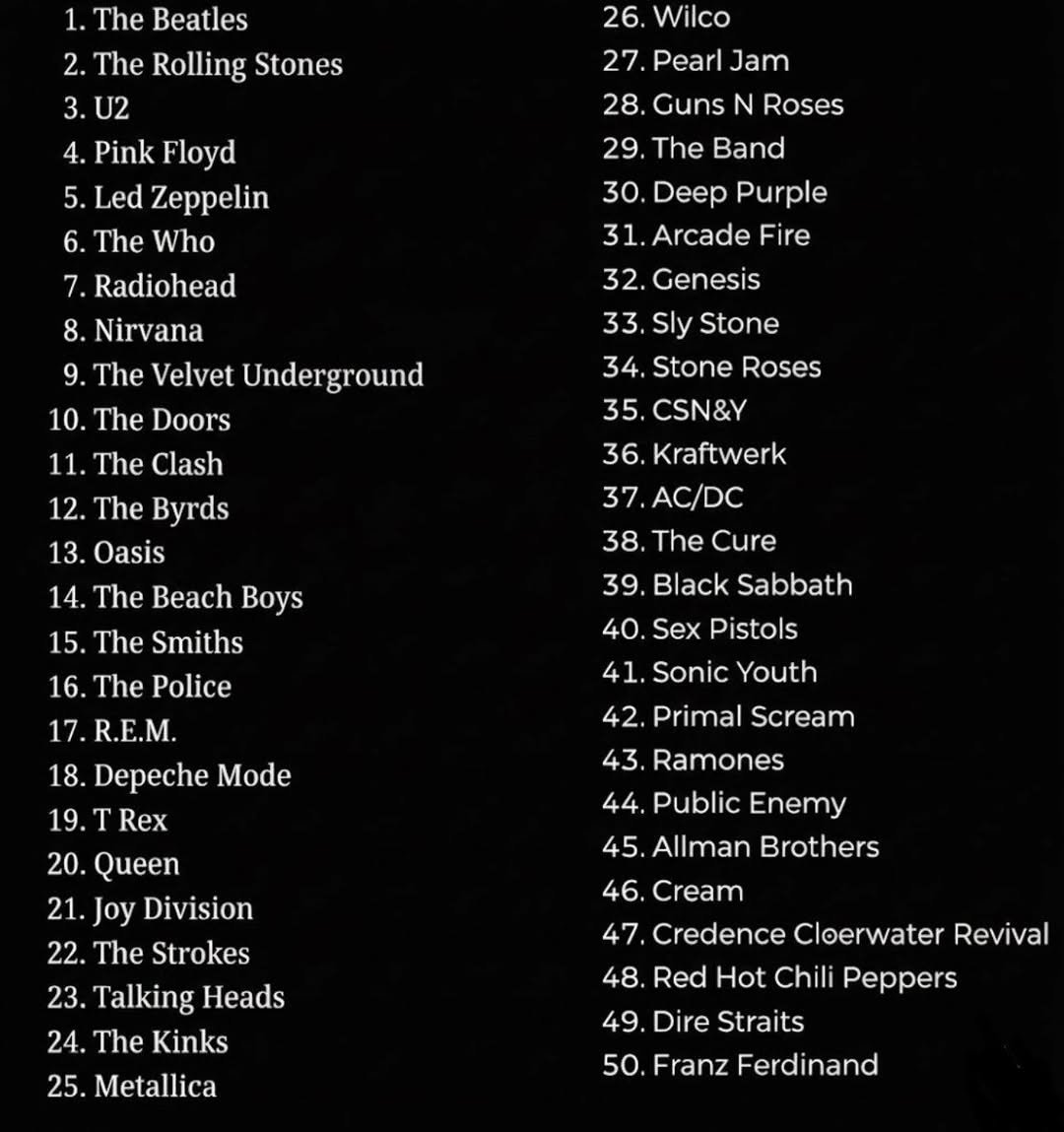
The 50 best bands of all time according to Rolling Stone magazine.
Who got left out, and which band is ranked a little too high?
English


@EricRichards22 @StoniAstley disagree - cover on left is chucking out time at the local S&M club
English


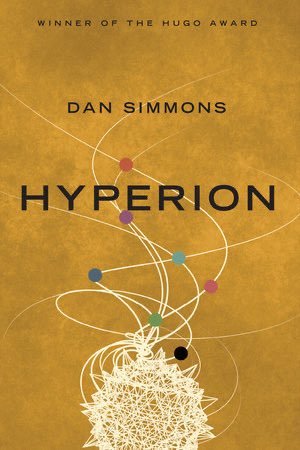

@robbiegoodwin @StoniAstley disagree - that's an interesting cover
English


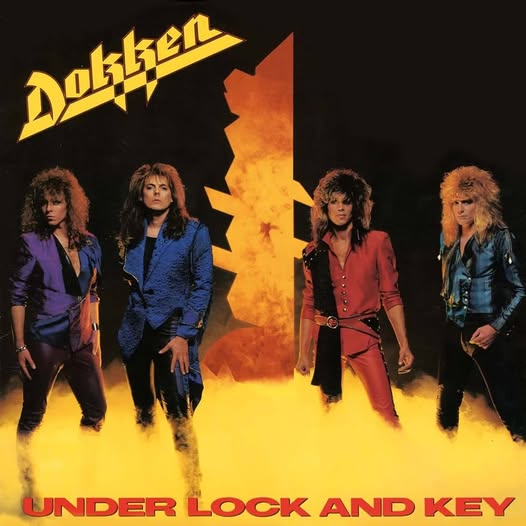
@RockCandyMag 80s perms aside, this is a great pop-rock album
English

WHAT'S YOUR FAVOURITE TRACK ON DOKKEN'S 'UNDER LOCK AND KEY' ALBUM?
English

Everyone sees the fame, but no one sees the story behind it.
Name : Hazel Moore
Date of birth : June 9, 2000
Birthplace : United States 🇺🇸
Nationality : American 🇺🇸
Profession : Actress, influencer
Net worth : $500k - $1M+
- before becoming Hazel Moore She was just another face in the crowd, living a normal life, unknown to the world.
- then suddenly everything changed
- In a world where attention moves fast, she figured out how to stay ahead.
- within a short time, her name was everywhere - searches, trends, discussions.
– but here's the question people don't ask :
- Was it just luck, or a calculated move.
- behind every viral name, there's mix of ambition, risk, and a decision that changes everything forever.
- Fame brings money, fame brings attention, but it also brings judgement.
- and once internet knows your name, there's no going back.
- so the real story isn't how she became famous.
- it's whether the fame was worth the price.
What do you think??


English

Do you actually like Silverchair???

English
@riverlynnxxx Pile my hands in the dirt, uproot some nice juicy carrots for dinner
English

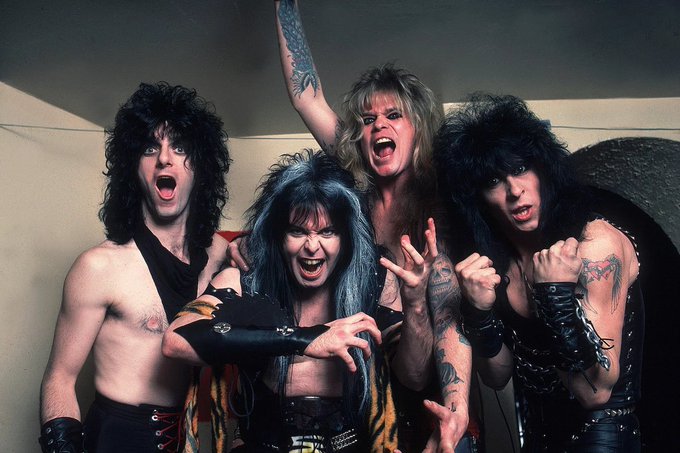
What is YOUR favourite WASP song of ALL TIME???
English
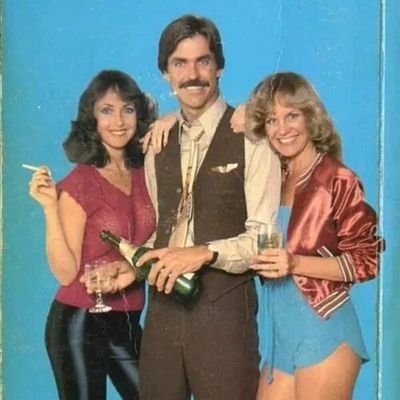
@OctaviaXRed Nothing more retro than masturbating over a vintage gentleman's magazine
English


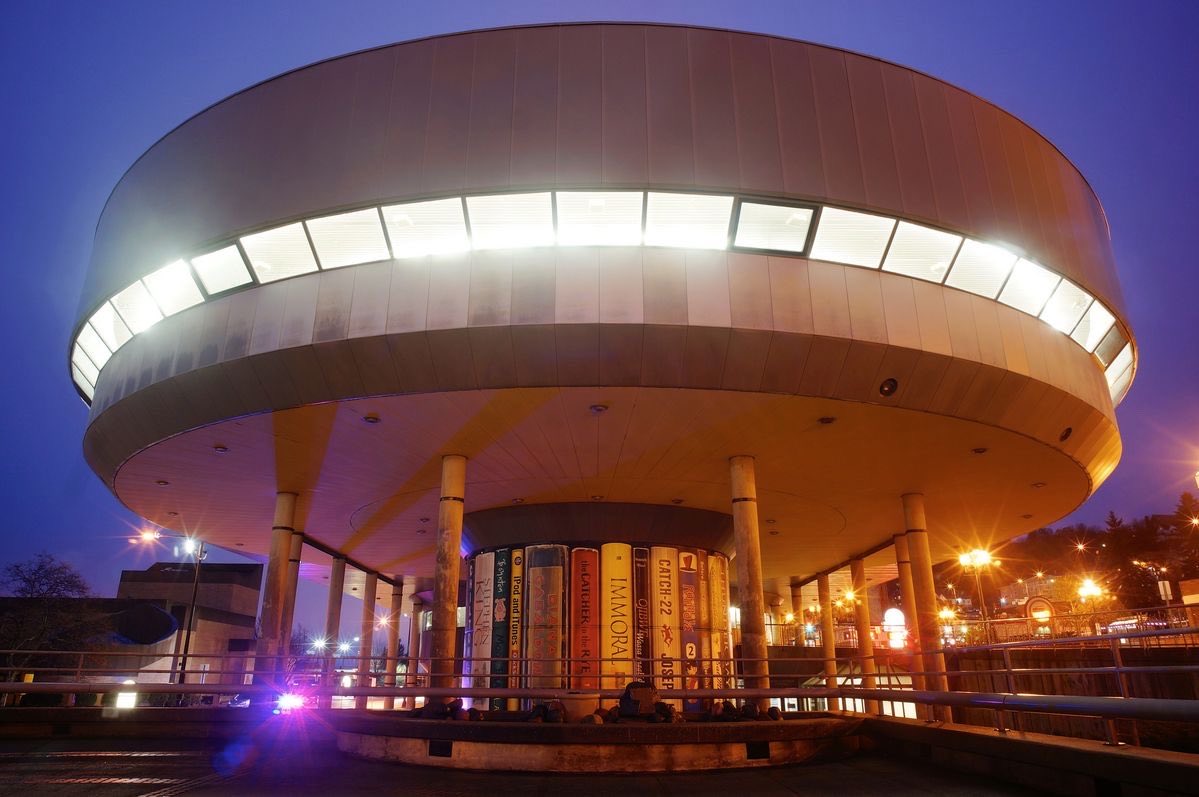
@luusssso I ♥️ library tourism - this place definitely needs to be on the list
English





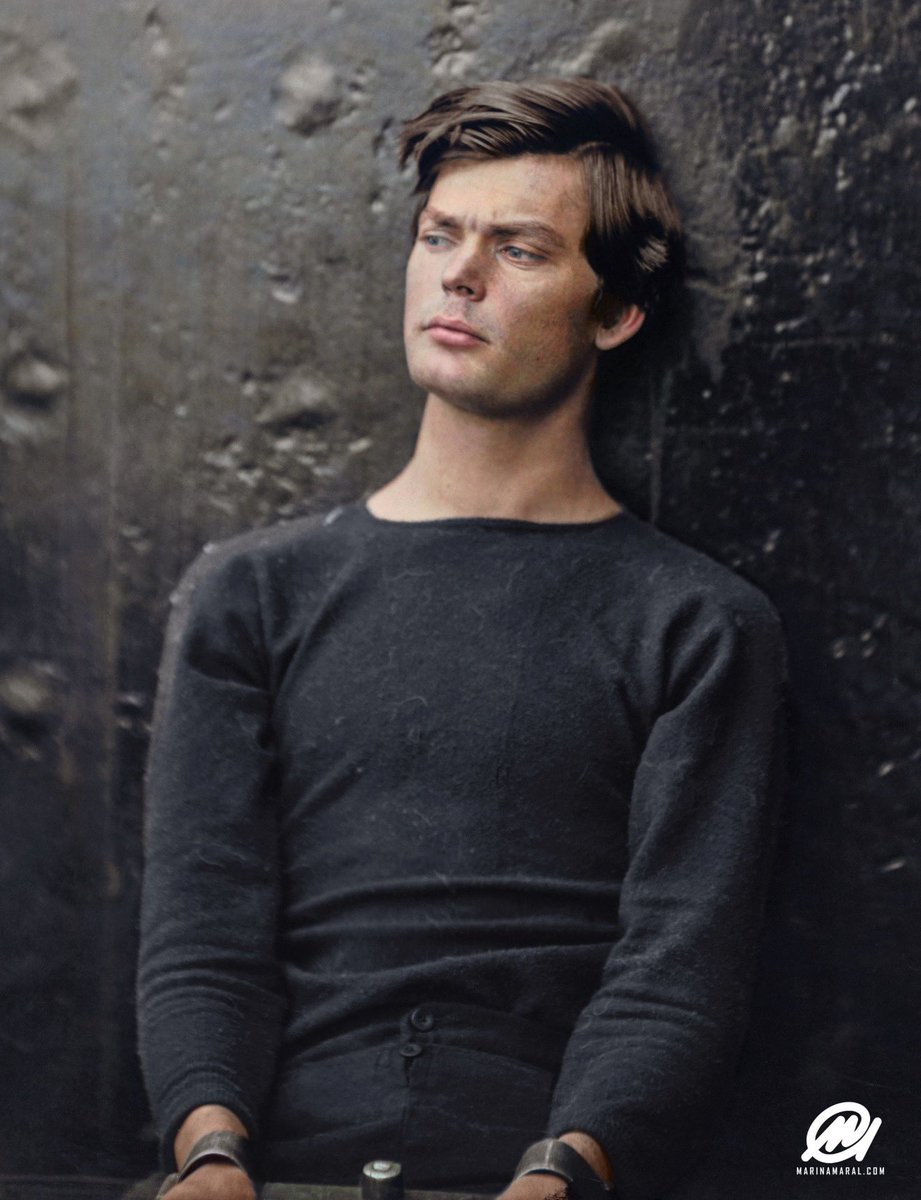
Abraham Lincoln assassination conspirator Lewis Powell in custody, April 14, 1865.
English
@tomhfh Don't need to be Christian to believe Sunday should be a special day of the week
English

I’m just back to London after a weekend away with my family.
A busy week ahead, so now is the perfect time to go and do the big weekly shop.
Thanks to politicians not understanding how family life actually works I now have precisely 20 minutes before the shop shuts. It’s not going to happen.
English
@novaramedia @AaronBastani State 'appropriation' (ie, legalised theft) of privately owned, legal acquired assets - what could possibly go wrong? anyone from Venezuela in the house? - anyone in the bond markets? 🤣😝🤡
English

“There’s a guy called Dave Wells in Bournemouth with 3,000 properties... I think we should seize them.”
On Novara Live, @AaronBastani says to reconfigure the UK’s political economy, politicians need to start with tackling rent. He points to an example of a landlord called Dave Wells, who reportedly owned 3,000 properties before he died in 2025.
English
@PulpLibrarian Pelicans were of the greatest gifts of British publishing to the English-speaking world - every book an attempt by a highly informed person to explain a topic to a curious layman in intelligible, informative, non-condescending terms.
English
Pelican Books are a record of what the British middle class thinks about...
English
@truegodsattend @katherineveritt Correct - wilfully obscure language to hide fact she's stating the blindingly obvious. Marx himself had contempt for such philosophers ...
English

The irony is that this is actually a brilliant description of how contingency and time became a more prevalent concern for theorists. Please, let us fight for literacy and quash anti-intellectualism…!
@gdess@GDess
perhaps the worst sentence ever written, winner of the Philosophy and Literature Bad Writing Contest in1998, penned by Judith Butler
English

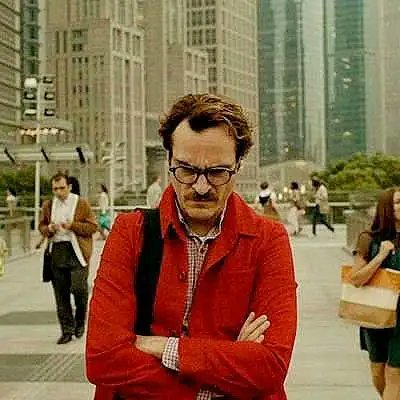
Imagine sitting in a theatre in 1999 & seeing this for the first time.
English
@SamaHoole British schoolkids still drank 1/3 pints until the late 70s
English

In 1946 the British government introduced free school milk for every child in the country. One third of a pint, every school day, from the age of five to the age of fifteen.
The milk was whole. Full-fat. From British dairy herds. It was delivered to the school gate in small glass bottles with foil caps and left on the doorstep in metal crates, where it sat in the sun until morning break if the weather was warm and developed a slightly suspect taste that an entire generation of British adults can still describe with uncomfortable precision.
The generation that grew up on school milk was, by every anthropometric measure, the healthiest generation of British children ever recorded.
Average height increased. Bone density improved. Dental health, despite the sugar in everything else, improved. Iron deficiency rates among school-age children dropped. The growth charts that the Ministry of Health had been keeping since the war showed a consistent, measurable, year-on-year improvement that tracked precisely onto the introduction of the milk programme.
In 1971 Margaret Thatcher, then Education Secretary, cut free school milk for children over seven. The tabloids called her Thatcher the Milk Snatcher. She was vilified. She kept the policy.
The next generation of British children, the ones who grew up without the daily third of a pint, were measurably less healthy than the one before.
The growth charts show it. The dental records show it. The conscription medicals, while they lasted, showed it. The thing the milk had been providing, the calcium, the vitamin D, the vitamin A, the complete amino acid profile, the conjugated linoleic acid, the fat-soluble nutrients that a growing skeleton requires in order to reach its genetic potential, was no longer arriving at morning break in a glass bottle with a foil cap.
It was replaced, eventually, by nothing. Or by a carton of fruit juice. Or by a packet of crisps from the vending machine that appeared in the school corridor in the 1990s.
The generation that drank the milk is now in its seventies and eighties. They are, on average, taller, stronger-boned, and longer-lived than the generation that came after them.
The milk was not magic.
The milk was milk.
It was the thing the body needed, delivered at the time the body needed it, at a cost the government considered acceptable until it didn't.
The cost of not providing it has been rather higher.

English