Eric Kerr

4K posts

Eric Kerr

Eric Kerr

@erickerr

Fan of scuba diving, skiing, and mapping new things. Building @TruckMapHQ

Chicago Joined Nisan 2007
725 Following1.3K Followers
Eric Kerr
Eric Kerr@erickerr·
@samlambert When's neki sharding going to be available?
English
1
0
2
1.2K
Sam Lambert
Sam Lambert@samlambert·
don't worry they are doing sharding next!
English

8
1
99
14.6K
Eric Kerr retweeted
Tyler Fox
Tyler Fox@smileyborg·
Software engineering in 2026
English
186
1.3K
14.5K
1.2M
Eric Kerr retweeted
❤️
❤️@campedersen·
i fit a hyperbolic curve to five AI metrics and found a date. one metric is actually going vertical and it's not the one you'd expect ​campedersen.com/singularity
English
4
8
37
13.9K
Eric Kerr retweeted
Slow Ventures
Slow Ventures@slow·
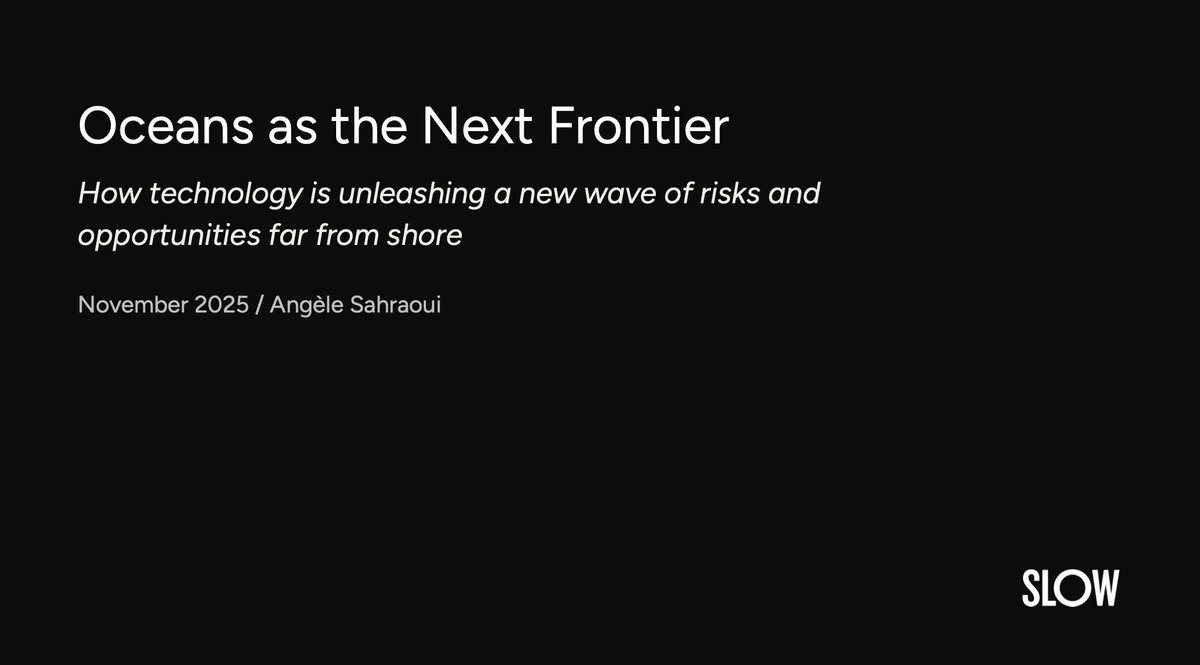
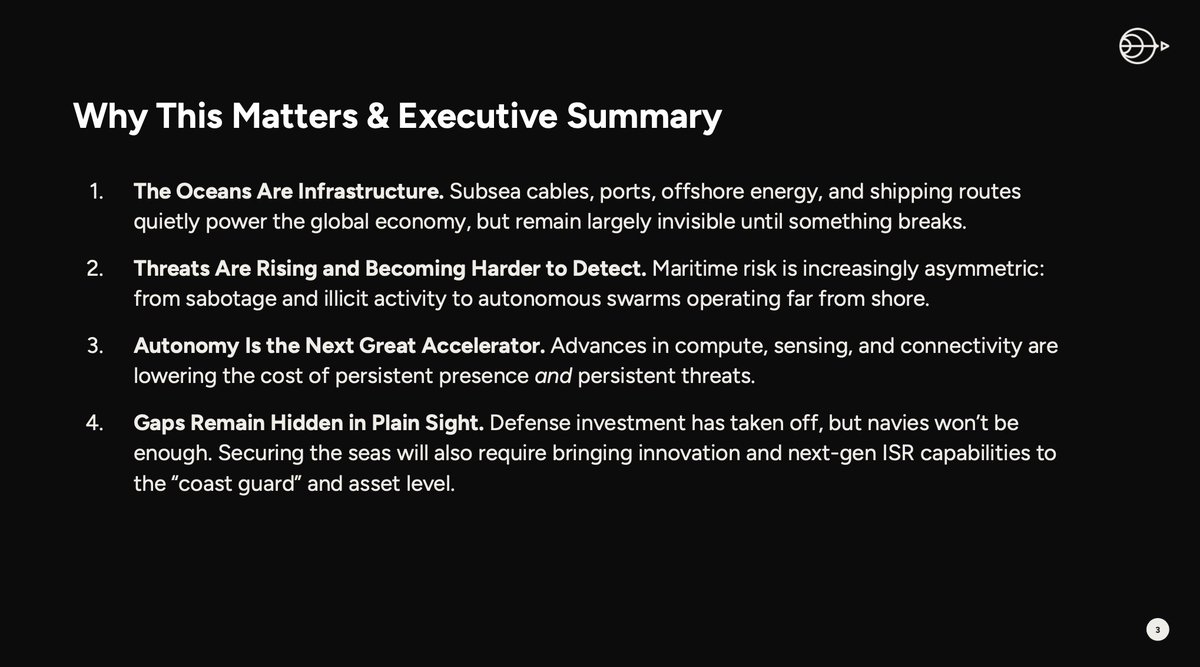
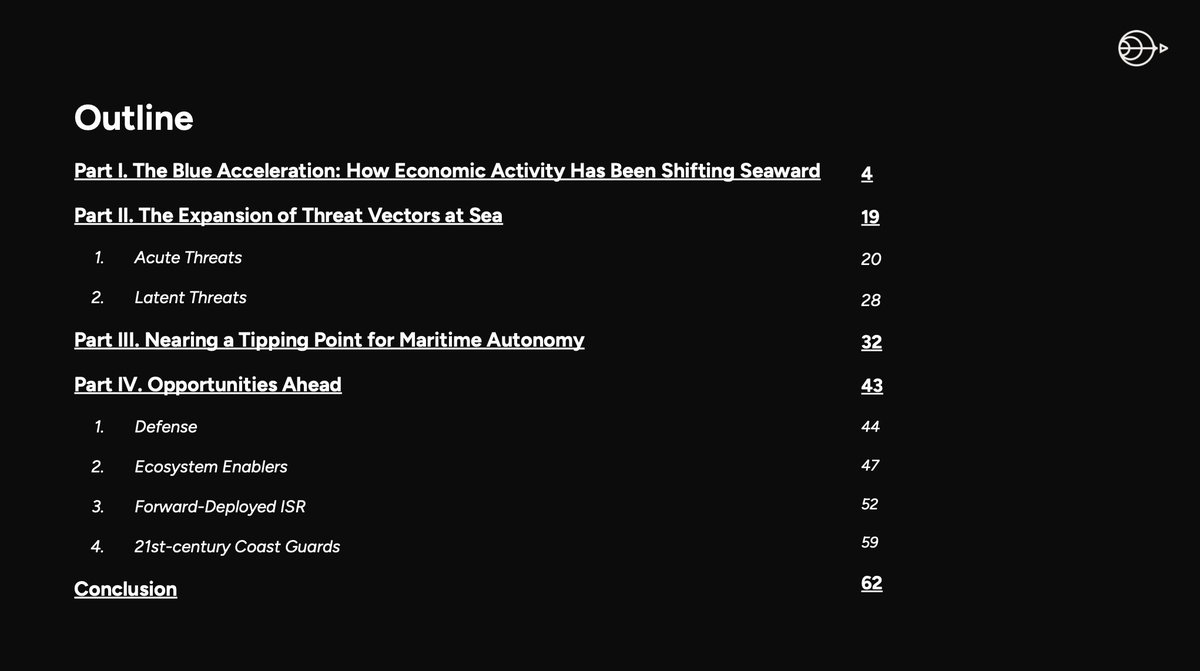
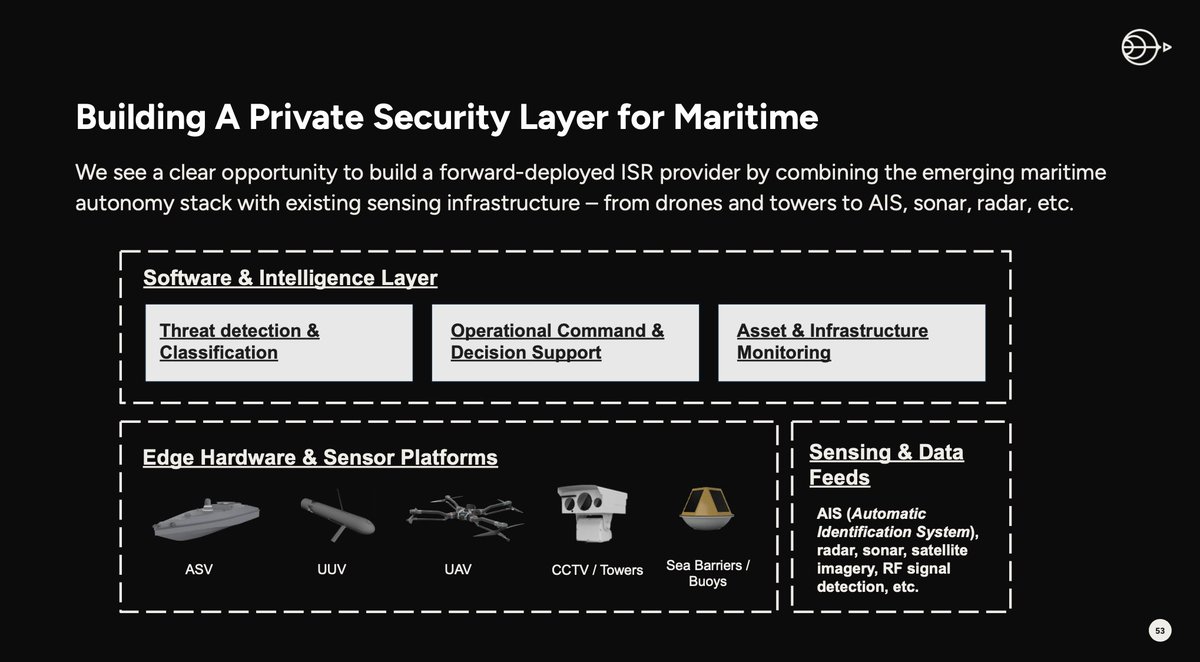
Undersea infrastructure is the single most fragile layer of the global economy yet nobody in tech is paying attention. Here are the facts: > Big Tech secretly owns half of the world’s subsea internet > China’s shipbuilding outpaces the U.S. by 232× > Deep sea mining is already the size of Mongolia > Underwater drones just dropped from $200k → $10k > Red Sea attacks have hit 100+ commercial ships The ocean is the next trillion dollar frontier, and @angelesahr just mapped the opportunity in her latest research deck. See replies for deck access.
Slow Ventures tweet mediaSlow Ventures tweet mediaSlow Ventures tweet mediaSlow Ventures tweet media
English
17
15
162
91.3K
Eric Kerr retweeted
Dr. Jon Slotkin
Dr. Jon Slotkin@slotkinjr·
As a neurosurgeon I care a lot about road safety. By now you’ve probably seen @Waymo’s stunning safety results (like 91% fewer serious crashes). But they didn’t just publish data headlines. They released the raw CSV files and data dictionaries. I did a much deeper analysis. A fascinating story emerges when you analyze how they’re achieving this. This isn’t incremental improvement - it’s categorical. We’re looking at the potential elimination of traffic deaths as a leading cause of mortality. The intersection breakthrough: Waymo has essentially solved intersection crashes, with 95% fewer injury incidents than human drivers in the same locations. That’s transforming the deadliest driving scenario. The national math: If every US vehicle performed like Waymo, we’d prevent 33,000-39,000 deaths annually and save $0.9-1.25 trillion in societal costs. Even partial adoption at 27% would save ~10,000 lives per year. In terms of magnitude, this would be the equivalent of eliminating every pedestrian death nationally in a year. The physics signature: Here’s what fascinates me: 47% of Waymo’s contacts involve less than 1 mph delta-V. They’re not just avoiding crashes; they’re converting unavoidable incidents into gentle bumps. It’s like having physics itself on your side. We’re not talking about marginal safety gains. The data represents a fundamental shift from harm reduction to harm prevention. The methodology matters: I used their dynamic geographic benchmarks (comparing like-for-like road conditions) and verified the findings hold across San Francisco, Phoenix, LA, and Austin. The safety advantage actually increases in more complex urban environments. Link to raw data below…. Notes on my approach: Analysis based on 96 million miles of Waymo Rider-Only (RO) data through June 2025, utilizing Waymo's dynamic geographic benchmarks to compare Waymo Driver performance against human drivers under similar road conditions and operational design domains. The projections for national impact (deaths prevented, societal costs) involve several assumptions. Given Waymo's zero reported fatalities, the direct serious injury reductions were mapped to national fatality statistics using established NHTSA-derived ratios that correlate serious injury crash rates with fatality rates. This extrapolation assumes that Waymo's observed serious injury prevention capability would translate proportionally to fatality prevention. Societal cost savings are estimated by applying average per-fatality and per-injury economic costs (e.g., medical, lost productivity, quality of life) as published by NHTSA, scaling these national averages to the projected number of avoided fatalities and injuries based on Waymo's safety performance. These figures represent the potential annual impact if the Waymo Driver's safety profile were widely integrated into the national fleet. @ethanteicher

Dr. Jon Slotkin tweet media
English
339
842
4.9K
1.1M
Eric Kerr retweeted
Talor
Talor@Talor_A·
this is one of the most remarkable technical blog posts I’ve ever read
Talor tweet media
English
74
747
11.7K
1.3M
Eric Kerr retweeted
Thinkwert
Thinkwert@Thinkwert·
Prescient, from Shel Silverstein in 1981
Thinkwert tweet media
English
53
1.2K
13.3K
420.3K
Eric Kerr retweeted
Curiosity
Curiosity@CuriosityonX·
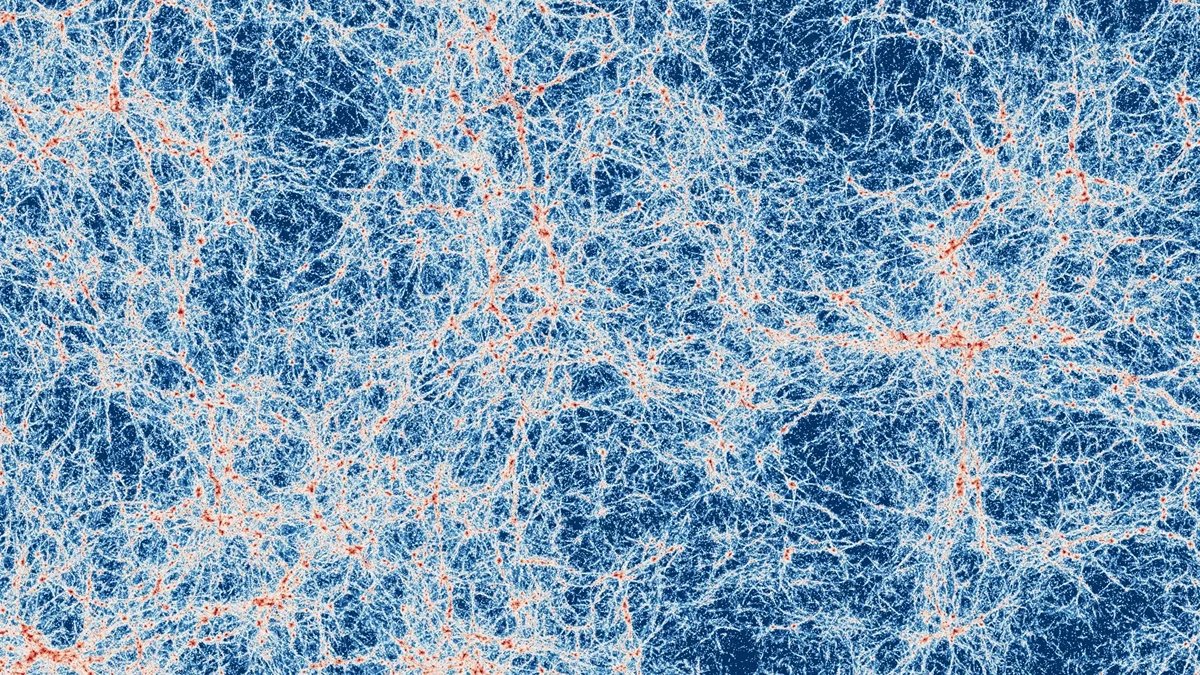
NEWS🚨: Scientists just captured the first direct image of the cosmic web — the mysterious structure that holds the universe together
Curiosity tweet media
English
939
3.6K
36.1K
2.7M
Eric Kerr retweeted
nick kokonas
nick kokonas@nickkokonas·
Thoughts on AI (warning: long thread). I’ve been formulating these ideas for a long time…. not months, decades. But only recently has the acceleration made the immediacy of them relevant to almost everyone. They are also very incomplete. But here goes.
English
73
341
3.5K
751.5K
Eric Kerr retweeted
Chris
Chris@chatgpt21·
I can’t stop looking at this. It’s beautiful We were in the 30-40s not just last year. 5 months ago… We’ve doubled the SWE benchmark in less than half a year 🤯
Chris tweet mediaChris tweet media
English
24
48
663
74.5K
Eric Kerr retweeted
Chubby♨️
Chubby♨️@kimmonismus·
First Personalized CRISPR Therapy Saves Infant with Rare Genetic Disorder A baby named KJ has become the first person to receive a customized CRISPR gene-editing treatment, correcting a rare liver disorder directly in his body. Delivered via lipid nanoparticles, the therapy targeted a specific mutation causing toxic ammonia buildup. Early results show significant health improvements. This milestone demonstrates the potential of personalized gene editing to treat rare diseases. It marks a shift towards individualized therapies, offering hope for conditions previously deemed untreatable. Such advancements reflect the positive trajectory of AI-driven medical innovations.
Chubby♨️ tweet media
English
10
25
212
14.3K
Eric Kerr retweeted
Bradford G Smith (Brad)
Bradford G Smith (Brad)@ALScyborg·
I am the 3rd person in the world to receive the @Neuralink brain implant. 1st with ALS. 1st Nonverbal. I am typing this with my brain. It is my primary communication. Ask me anything! I will answer at least all verified users! Thank you @elonmusk!
English
7.7K
11.4K
82.4K
62.1M
Eric Kerr retweeted
Johnny
Johnny@j00ny369T·
Brick removal on downtown Cincinnati building reveals 19th century facade.
Johnny tweet media
English
2K
8.1K
115.2K
3.5M
chronark
chronark@chronark·
in a way any network request is going to be slower than hitting your memory cache our data is very very easy to cache, but it's just not really possible in serverless functions (yes I know about global scope, that's what we do right now and only get a 10% hit rate) there are more factors, I plan to write a blog about it
English
4
0
4
345
chronark
chronark@chronark·
to whom it may concern here's some real world latency from @Cloudflare workers to @PlanetScale using their http driver TLDR: last 30 days: 106ms P50, 303ms P99 The latency is measured by wrapping @DrizzleORM , like so: const start = performance.now() const res = await db.query.xxx.findFirst(..) const latency = performance.now() - start - The planetscale primary is in us-east-1 and we have 2 replicas in eu-central-1 and ap-south-1 - Traffic is weighted towards the US but fairly global. - This measures reads only - Planetscale reports the actual query latencies at ~3ms P50, 5ms P99, the difference is network latency. Whether or not you find that acceptable is your call to make, I just wanted to contribute some non-lab metrics.
chronark tweet media
English
6
1
92
11.4K
Eric Kerr retweeted
ₕₐₘₚₜₒₙ
ₕₐₘₚₜₒₙ@hamptonism·
Founder of Renaissance Technologies, Jim Simons.
ₕₐₘₚₜₒₙ tweet media
English
30
449
4K
320.5K