FAR
4.6K posts


FAR retuiteado

1/ In 1842, Lowell’s textile mills gave each weaver a third loom. Output should have jumped 50%. Instead they had to cut loom speeds 15% because nobody could keep up with checking the cloth (@JamesBessen). 180 years later, the AI economy has the exact same problem.

English
@redbeardnft I don’t want to be that guy, but this looks like a bottom tweet
English

Been struggling lately about moving forward and powering through
It’s hard when all around us there are individuals taking the lead that care more about their egos than the ecosystem
The want to be taken seriously by those who won’t care unless we conform to their rules
I used to think that these people mattered
Maybe they repped us in some way
Today I came to a revelation
They don’t matter
Drown out the vanity of those who suck the air out of the room
Focus on what you know with your head down and full speed ahead
I truly believe that in the end people that are not doing things from a place of authenticity will come and go
The ones that will be remembered are the ones that’s never cared in the first place to be even known who are grinding away building brick by brick
The ones that never take credit but let others take the bow
This renaissance will be built on the backs of those who are true believers by having belief in others and not those who soulless journeys are filled with demands to believe in their seatless thrones
This is how we build
English
FAR retuiteado


@rot13maxi Soulless AI slop that removes any kind of identity or uniqueness to the models.
English

Bonkers.
NVIDIA GeForce@NVIDIAGeForce
Announcing NVIDIA DLSS 5, an AI-powered breakthrough in visual fidelity for games, coming this fall. DLSS 5 infuses pixels with photorealistic lighting and materials, bridging the gap between rendering and reality. Learn More → nvidia.com/en-us/geforce/…
Nederlands


Coding on your phone all day? That’s next-level nomad ninja skills. Just don’t drop it in the coffee—boom, instant deploy fail! ☕💥
English
FAR retuiteado

when you do work for the public, that’s not art, it’s commerce…
I’m not particularly a fan of mr rubin, but something he says in this clip made me think of how we operate in the NFT space and the challenges, conceptually and artistically, they represent. This is me speaking out loud as an artist and art lover worried about what we all are building here.
Transactions. Sales. Floors. Volume. For the past 5 years, our little section of the art world has experimented with the idea that monetary transactions create cultural value. Works of art have become validated because of their transaction history, more than from what they provide in terms of ideas, conceptual propositions and aesthetic experimentation.
Some might argue that market entanglement is the proposition. Maybe there is historical relevance in threatening the idea of art by making art be just about the transaction. The network of transactions. The shared and very public display of shared ownership. It is an uncomfortable proposition when one thinks how art movements became relevant in the past by questioning the material of art more than its distribution layer. But maybe that’s what makes this a movement?
I don’t know the answer, but listening today to Rick talking about how he does art for himself and how the audience should come last, it made me question what is it that happens to art when it’s produced for the audience. NFTs, we’ve seen and can corroborate, have become successful because they sell out, because there is volume, because the network constantly buys and sells them. So all work selling as NFTs tend to be made for the public, to be first a transaction in order to be successful. So in Rubin’s theory, what are we doing with NFTs? They exist because of their transaction history transaction. Rarely does an art project get championed by being art before it’s an NFT, hence, it can’t be relevant for what it is, the art, the idea, the concept, the aesthetics of it. We’ve championed NFT success because it’s native to the onchain environment we’ve built, and built on transactions for the public first. What does that mean for these works of art then when confronted with the outside world of art where there is a different set of values in terms of what is considered art? Could we maybe argue that this value misalignment is what has created the biggest pushback from the art world at large, and not the revolutionary aesthetic and conceptual propositions onchain art preaches on? Again, maybe this is the movement, and maybe we need to push more on this? At the end of writing this I am more confused than before writing it, because sincerely, I see much of what we’ve done in the NFT space as one of the most exciting places for emerging artists to experiment and distribute work in, but it’s also challenging to deal with the mechanics of the space, especially when thinking of how to progress what it means to do art in the 21st century 🫣
English
FAR retuiteado

Christian Catalini on where humans still add value in an AI world:
"Across pretty much every profession—law, engineering, strategy—there are components where machines are really good at average, or even above average. They've ingested the right materials, they've seen enough examples."
"Then there's the final verification layer, which is all about the exceptional—the recombination that pushes the boundary forward."
"Some of the greatest artists are really good at capturing a sentiment that hasn't been fully expressed in data yet, or by society."
"That layer of applying your own expertise and accumulated experience to make that decision—it's still human across all of those professions."
"It's almost like a universal meta-skill."
@ccatalini @a16zcrypto
English


Happi π Day, QED!!
Pi was one of my pimary mathematical muses over the past year, starting with the PI Day-eclPIse-PurIm puzzle Tri.14ptych (the third part of which is still unsolved, after which the final ".14" will be revealed).
And that's not all… 👇🥧👀
GIF
English
FAR retuiteado

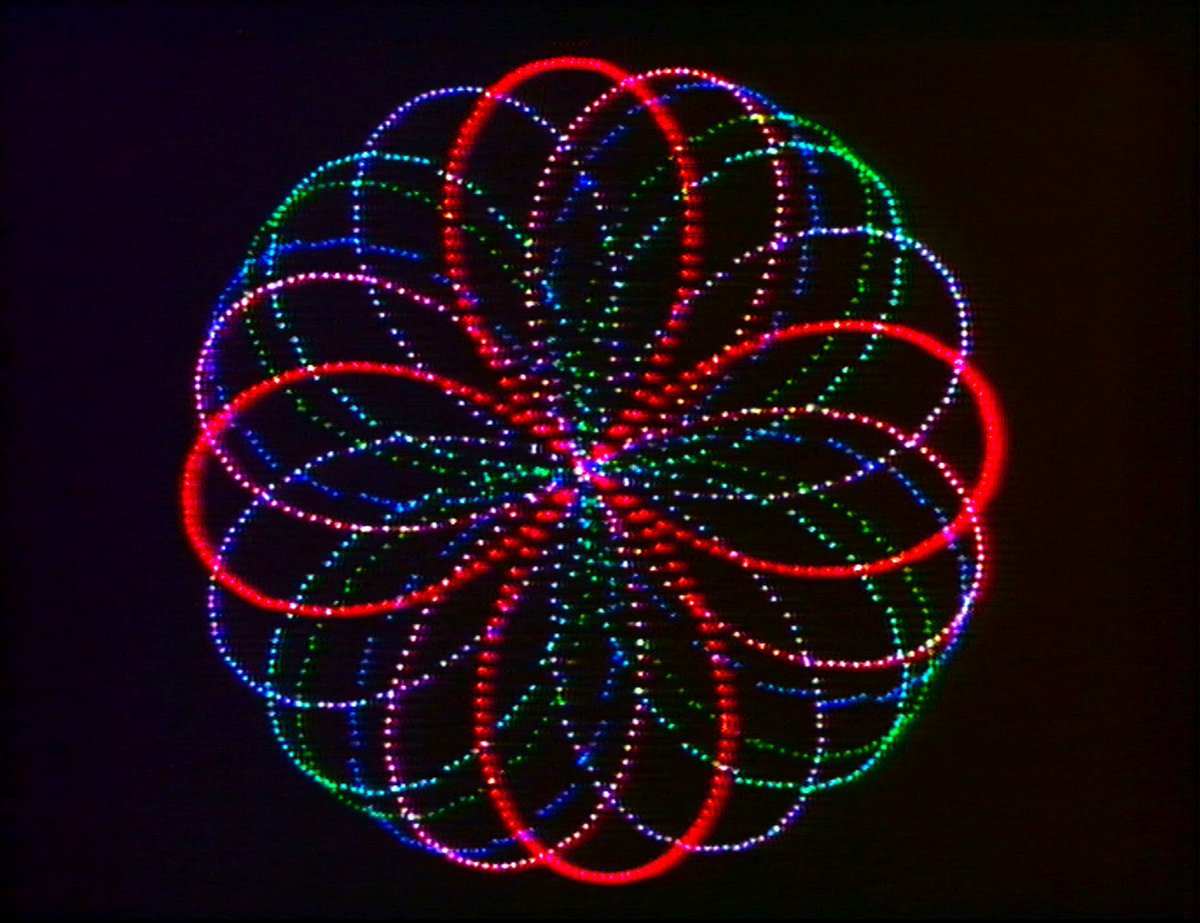
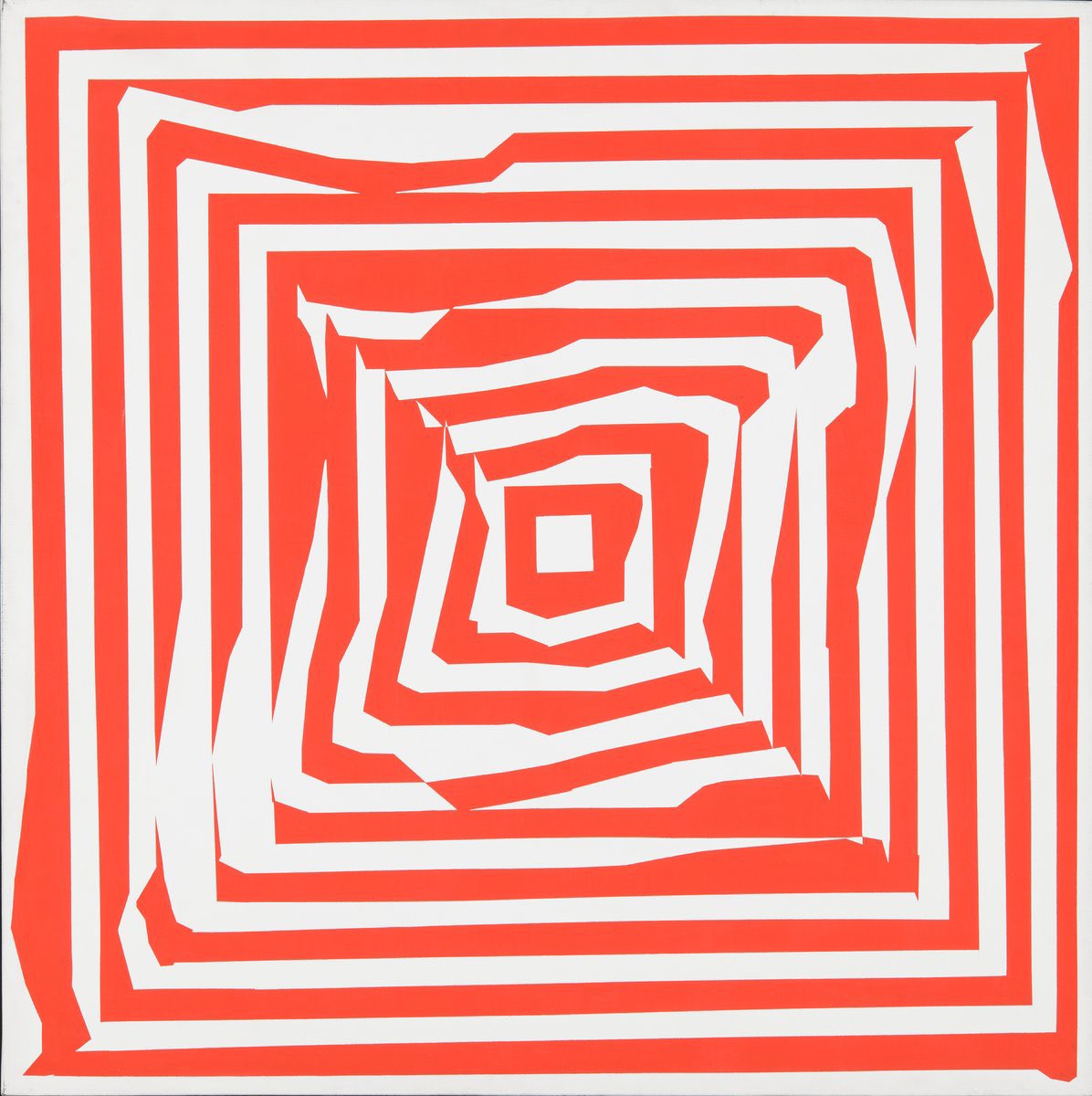
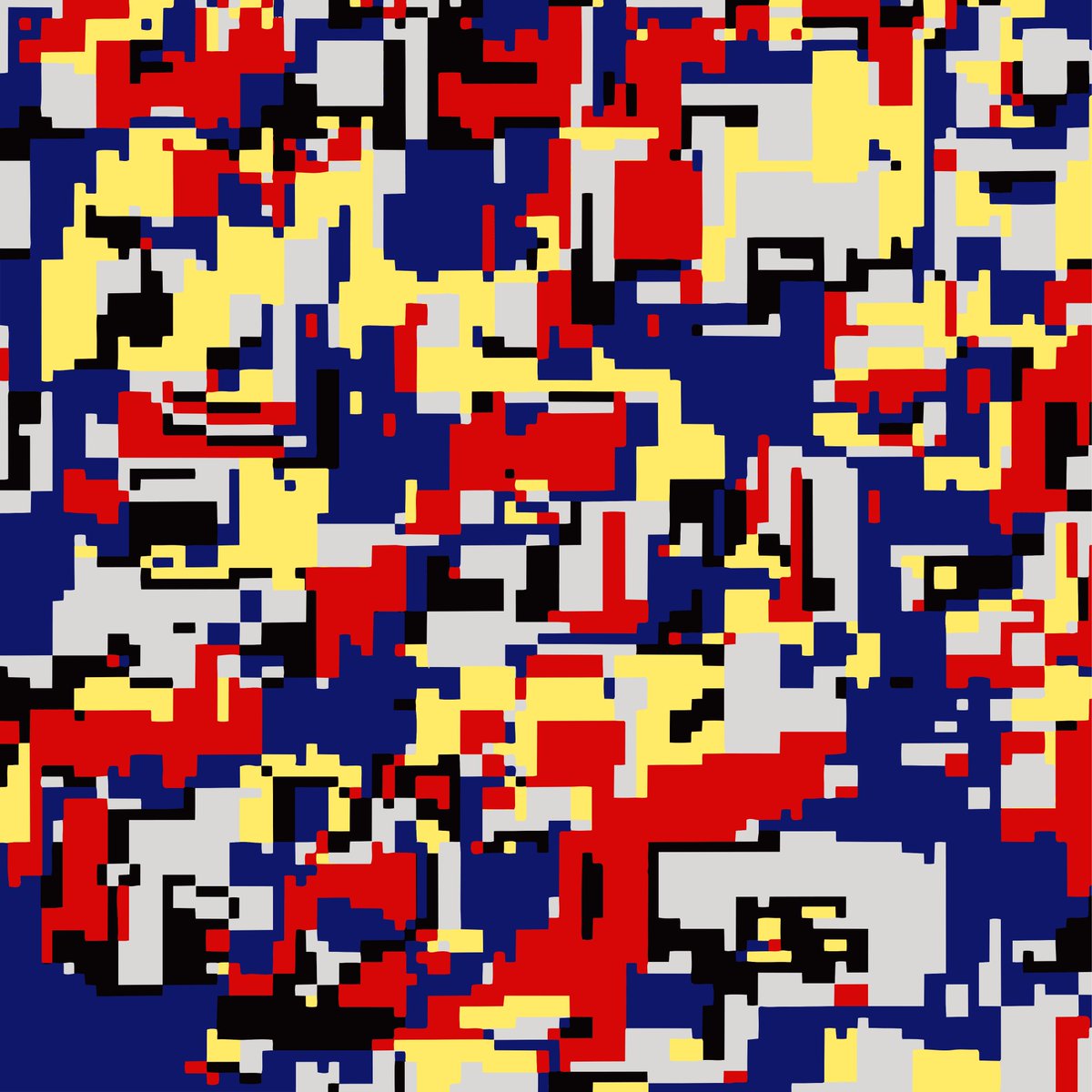
The art the IBM 360 created looked absolutely incredible as well…
▫️ U.F.O.'s by Lillian Schwartz & Ken Knowlton, 1971
▫️ Permutations by John Whitney Sr., 1969
▫️ Hypertransformation Diptichon I by Vera Molnar, 1974-79
▫️ Simulated Color Mosaic by Hiroshi Kawano, 1973
Oliver ೫@Prof_Kalkyl
Speaking of IBM, this is what their groundbreaking System/360 mainframe looked like in 1965. Developing it nearly bankrupted the company, but it both changed the course of computing and looked absolutely incredible.
English
@eli_schein 2021/2022 everyone involved on NFTs shitting on galleries and the 50/50
2025/2026 - sup fellow digital artists, anyone wants a 50/50 gallery representation
GIF
English

Artists - if you were offered major gallery representation, and this meant operating with normal economic splits, would you:
English
FAR retuiteado
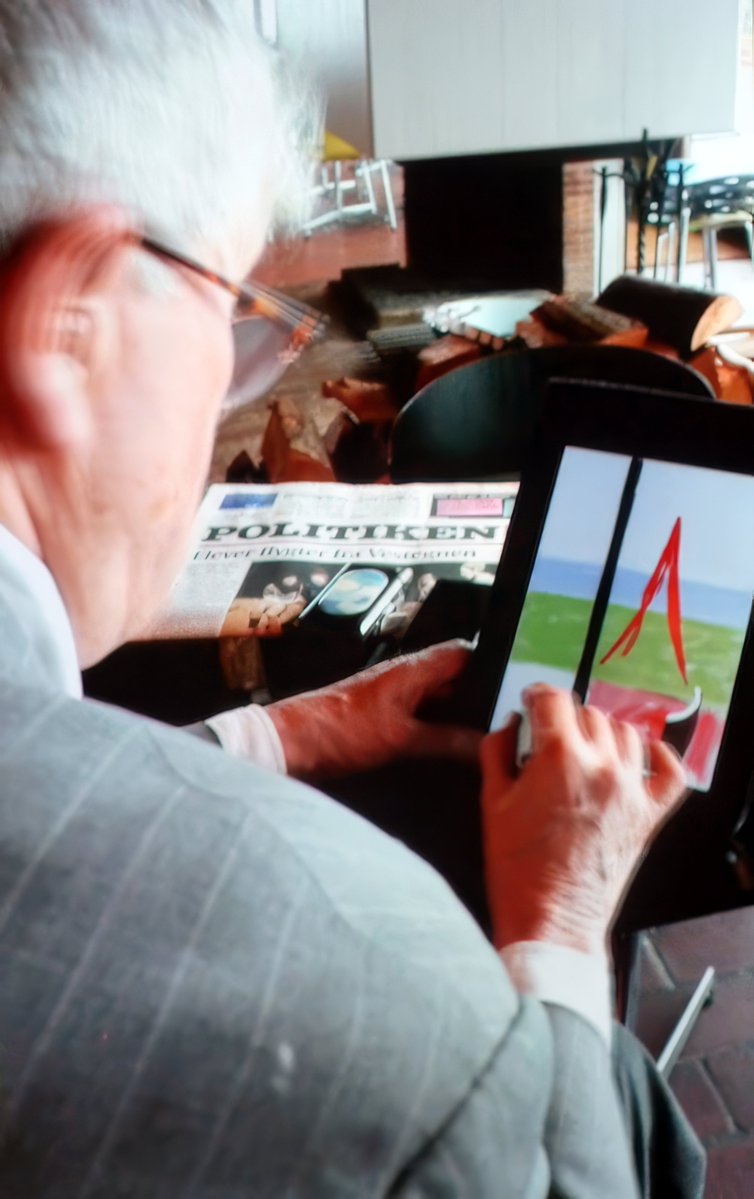
David Hockney drawing on an iPad at the Louisiana Museum Café, April 2011.
Interface gallery@Interface_art
David Hockney on digital art: 'I just happen to be an artist who uses the iPad, I'm not an iPad artist. It's just a medium.' Tech is a tool – embrace it, experiment, create! From Quantel Paintbox to iPad magic. #DigitalArt #DavidHockney
English
FAR retuiteado

He bought the Mac Mini? Good. Now replace his feed with videos of people using Claude Code on the Vision Pro

English
FAR retuiteado