Jim Chimirie 🇬🇧@JChimirie66677
IRA Victims Face Bankruptcy. Veterans Face Suicide. Adams Stands in Front of a Bobby Sands Mural.
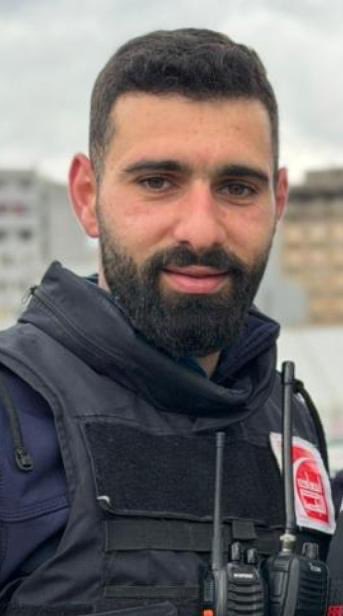
Fred is a special forces veteran. He served this country in Northern Ireland under close scrutiny and specific authorisation. He did what the state asked of him. Decades later, the state informed him that his medical records had to be disclosed to the next of kin of the terrorists he was involved in stopping. On learning this, Fred tried to kill himself. His wife intervened. He survived. All subsequent legal communication now goes through her because direct contact causes him to become suicidal.
Keir Starmer says he is getting this right.
In the same week that Fred's case became public, three IRA bombing victims appeared in the High Court in London. John Clark, 82, was injured in the Old Bailey bombing of 1973. Barry Laycock, 86, was caught in the Manchester Arndale bombing of 1996. Jonathan Ganesh, 57, was wounded in the Docklands bombing the same year. Together they had spent four years pursuing Gerry Adams for a symbolic pound in damages, forcing him into a British court for the first time to answer questions about his alleged leadership of the Provisional IRA. At the final stage of the trial, a judge indicated he was considering whether the case amounted to an abuse of process. Had he decided that it did, the cost protection order shielding the three men from Adams's legal costs would have been revoked, leaving them potentially liable for half a million pounds. Outmatched financially and facing life-changing consequences, they had no realistic choice but to withdraw.
With the case abandoned, Adams stood in front of a Bobby Sands mural in Belfast and declared victory.
Consider what the legal system produced in a single week. A veteran who nearly died because the process required him to share his medical history with the families of those he fought. Three bombing victims, two of them in their eighties, driven from court by the threat of financial ruin. And the man they were suing, celebrating his escape in front of a hunger striker's portrait.
The associations representing the SAS, Special Boat Service and Special Reconnaissance Regiment have written to MPs describing the treatment of their members as a national disgrace. Elderly special forces veterans, they wrote, are being relentlessly persecuted in the courts of Northern Ireland. Some are being driven to suicide by the treatment at the hands of the state they served. Reservists are now being brought into the regular SAS to fill roles vacated by serving soldiers walking out rather than face the same fate as Fred.
The government's response is that it has never and will never draw a moral equivalence between the armed forces and terrorist organisations. The words are correct. The actions tell a different story. Fred's medical records go to the terrorists' families. Adams's victims face bankruptcy. The veterans appearing at Belfast magistrates court on April 20th belong to a unit whose actions a coroner already ruled justified. The process continues regardless.
Starmer says he worked in Northern Ireland. He says he has spoken to many of the people affected. He says he knows he must get this right. When Sir David Davis raised the plight of veterans in the Commons, Starmer accused him of cheapening the debate and political point-scoring.
Fred's wife now reads his legal correspondence before deciding whether he can bear it. Three elderly bombing victims stood down from court rather than risk financial ruin. Gerry Adams celebrated in front of a mural. The debate does not need cheapening. The facts have already done it.
"With the case abandoned, Adams stood in front of a Bobby Sands mural in Belfast and declared victory."