Joseph Ryarasa Nkurunziza@JosephRyarasa
When tools improve but local governance declines.
Roughly from 1998 to 2008, Rwanda’s local government system was defined by a rare blend of efficiency, discipline, and selfless leadership. Mayors at that time were far from perfect, but many embodied a spirit of service that visibly transformed districts and improved citizens’ lives. What makes that era remarkable is that these leaders operated under incredibly difficult circumstances. Districts had no electricity, no internet, very limited transport, and sometimes struggled even with basic office supplies. Yet, despite the scarcity, they delivered.
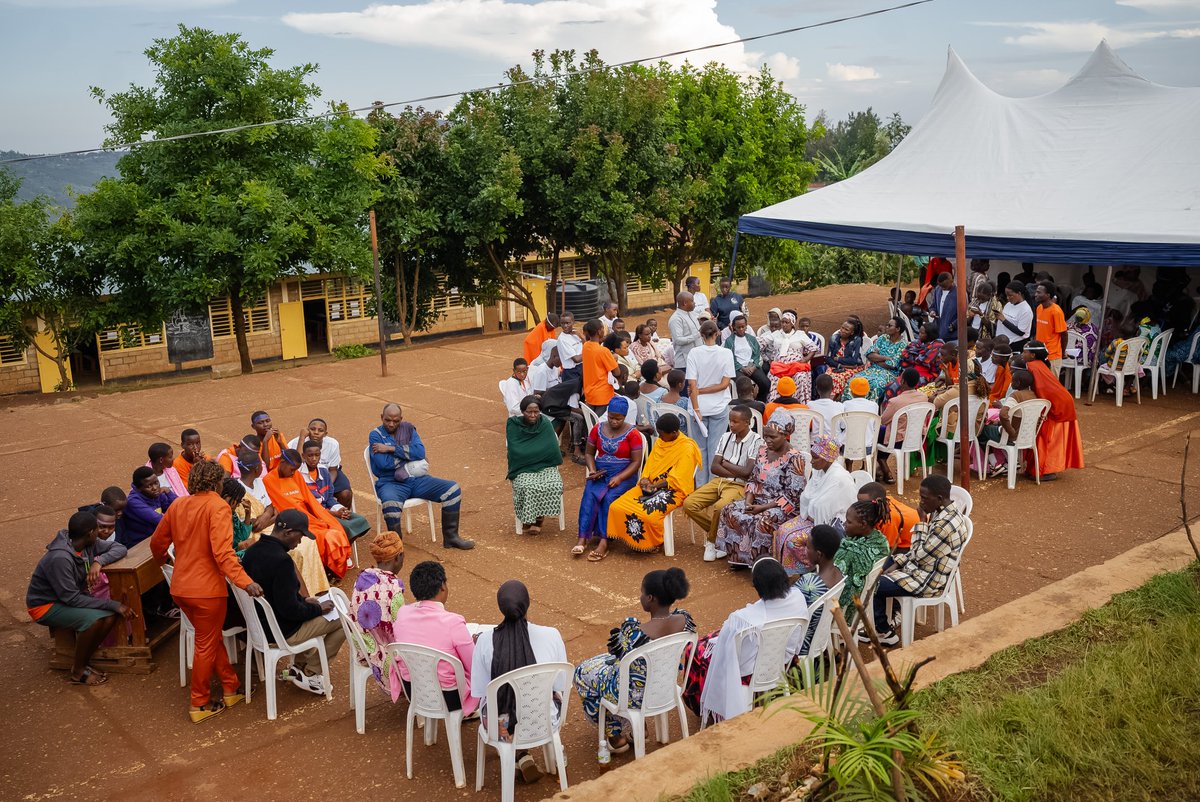
Back then, service meant improvisation. A mayor would walk long distances to visit communities, sit with farmers under a tree, and mobilize citizens around development priorities. Sectors functioned almost entirely on community trust and leadership humility. Teamwork was not optional; it was the only way anything got done. This collective spirit laid the foundation for Rwanda’s early development milestones, including the impressive progress toward Vision 2020.
Fast forward to today, and the story feels very different.
Local leaders operate in a vastly improved environment. Districts and sectors have electricity, internet, computers, data systems, and transport. With 4G coverage reaching even remote areas, a mayor can hold a virtual meeting from anywhere. Leaders have access to resources their predecessors could never have imagined: brand new TXLs or Prados, fuel allowances, airtime packages, travel facilitation, full secretariat support, and technical teams for planning, monitoring, and reporting.
And yet, despite these staggering advantages, many districts are struggling. Mayors are failing to deliver on basic service outcomes. Districts are scoring poorly on governance and service indicators. Food insecurity is rising in certain regions, youth unemployment remains high, and the implementation of national priorities often lags behind.
This contradiction points to a deeper issue that tools alone cannot solve.
What went wrong?
One of the most overlooked drivers of underperformance is the process through which mayors are selected. Over time, political proximity has increasingly influenced appointments. Individuals are often elevated not because they possess strong leadership experience, deep sector knowledge, or proven managerial capability, but because they are close to a particular personality or enjoy the protection of a "godfather." This informal system of patronage undermines the entire decentralization model.
When leaders are chosen to please power structures rather than serve citizens, their accountability shifts upward, not downward. They hesitate to challenge poor decisions, fear losing patronage support, and focus more on survival than transformation. This dynamic creates a class of leaders who may hold the title of mayor but lack the autonomy, vision, or courage required for bold district reforms.
In the early decentralization era, mayors were chosen primarily for their leadership spirit, community trust, and proven commitment to public service. Today, the government must seriously reconsider the vetting system if Rwanda expects a different outcome. The quality of leadership is directly tied to the quality of selection.
Another key challenge is constant turnover. Many mayors step down or are dismissed before completing their mandates. This has occurred repeatedly in Musanze, Gisagara, Nyaruguru, Kayonza, Rubavu, Nyabihu, and several other districts. Constant turnover disrupts continuity, weakens institutional memory, and makes long-term planning nearly impossible.
In the early decentralization period, mayors worked closely with executive secretaries and sector leaders. Today, district leadership is increasingly defined by internal intrigues, competition for influence, and fear-driven decision-making. When leaders are busy navigating political tensions or personal rivalries, service delivery inevitably suffers.
It is ironic that leaders today have more tools than ever, cars, the internet, and data systems, yet deliver less impact. Rising hunger, poor service indicators, and slow implementation of national priorities point to a growing distance between leaders and communities. Many citizens now see district offices as purely administrative spaces rather than drivers of transformation.
Are Elected Councils Still Effective?
Elected councils should provide oversight, hold mayors accountable, and ensure quality leadership. Yet many councils struggle to exercise this authority. Some lack the technical capacity required to evaluate district plans. Others hesitate to challenge the executive. The result is an oversight system that often reacts too late.
Given the frequency of mayoral resignations and dismissals, where are the councils when performance begins to decline? Why are issues detected only after the situation has deteriorated? Strengthening councils is essential for restoring accountability.
Rwanda’s early transformation came from leadership culture, not technology. That culture can be rebuilt through several strategic shifts:
1.Reform the Vetting Process: Competence, character, and leadership skills must matter more than political proximity. Rwanda needs mayors who are chosen for what they can do for citizens, not for whom they know.
2.Empower Councils: Equip councils with the expertise and confidence to perform their oversight functions without fear or favor.
3.Reconnect Leaders: Bring leaders closer to the everyday realities of households. Plans must reflect what families experience on the ground, not only what indicators demand on paper.
Rwanda has already demonstrated that great leadership can deliver remarkable progress even with limited resources. Imagine what could be achieved today if the advanced tools available were finally matched with leaders chosen through a rigorous, merit-based system, and guided by the same spirit of selfless service that defined the country’s early decentralization era.
linkedin.com/pulse/high-cos…