

MindBlownTech ⚡️🇺🇸🏳️🌈
1.6K posts

MindBlownTech ⚡️🇺🇸🏳️🌈
@blown_tech
AI, Occupy Mars, eMobility, Tesla, Green Transformation, Sustainability, eTransformation, SpaceX 🚀
Inscrit le Şubat 2020
563 Abonnements163 Abonnés

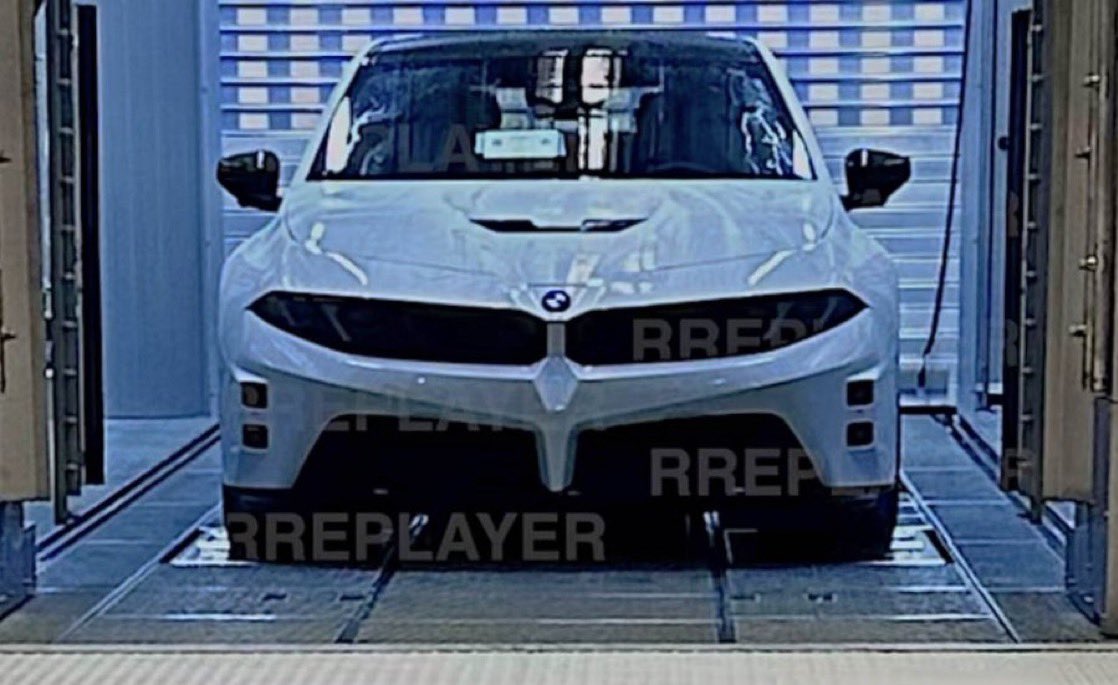
LEAKED
Next-generation prototype electric BMW M3's front-end design has been leaked
English
@DominicBRNKMN These are all cheap, hard plastic panels
English

Build quality on the new, fully electric €200k Cayenne Turbo.
I’m speechless


English

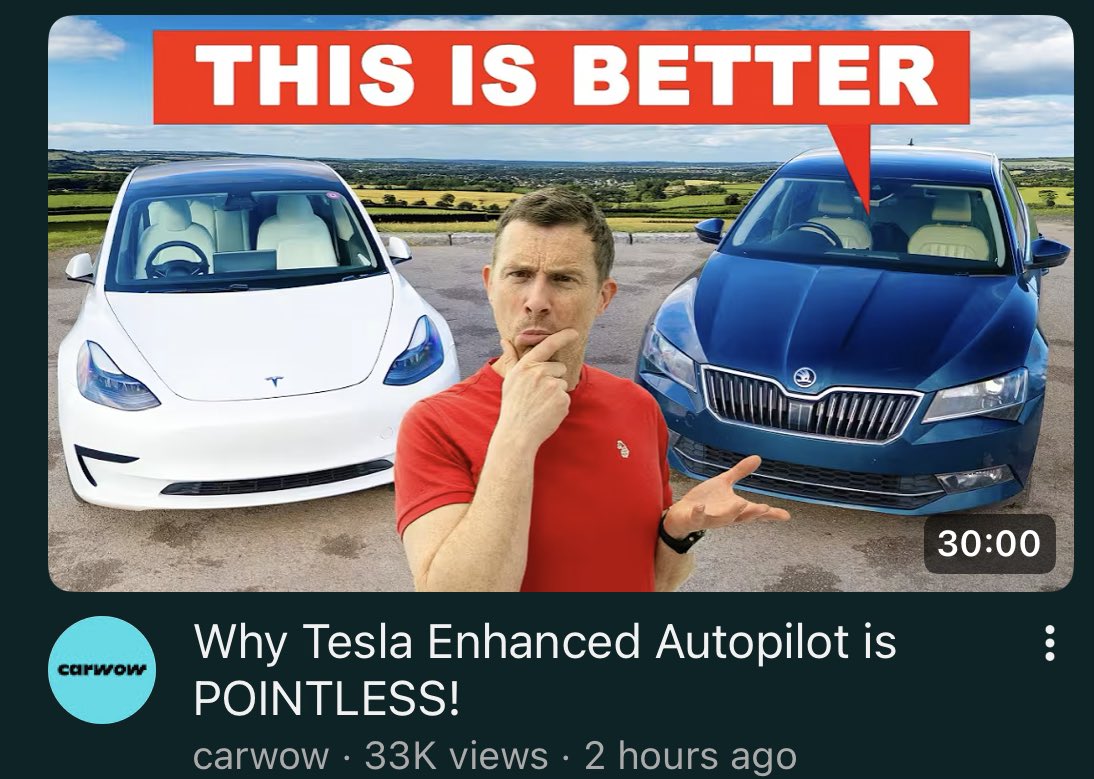
lol, changed the title to EAP instead of FSD… only after 30,000 views…
He still says “FSD” in the video though…
English

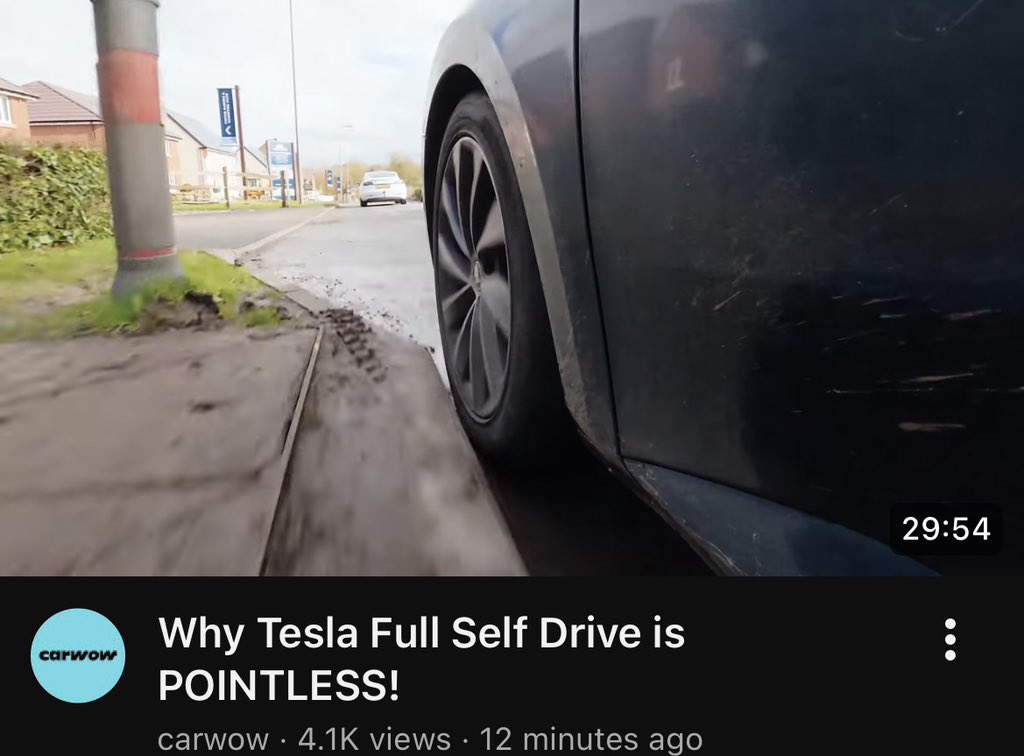
@Deandawiz None of those companies reaches the size of Tesla’s vertical integration and innovation, hence this makes all their cars technologically inferior and too expensive
English

one by one, all the tesla killers fall
but
the task that they were deemed to do has yet to be seen
and
Tesla is still standing tall over the entire electric american auto industry
while
making a profit on every, single, car.
Brutal.
Sawyer Merritt@SawyerMerritt
NEWS: Volvo is discontinuing the EX30 EV in the U.S., just a year after it launched. It will be pulled from the market after the 2026 model year. • Starting price: $40,000 • EPA range: Up to 261 miles • 0-60mph: As low as 3.4s • 69 kWh battery • Up to 422 hp, AWD • 12.3" center display • Peak charging rate: 153 kW • Length: 166", 18" shorter than a Model 3 All current orders in the system will be produced with production winding down for the U.S. after the summer. Dealers have until March 20, 2026 to place EX30 and EX30 Cross Country orders. Volvo said the new EX60 and EX90 electric SUVs will continue in the U.S. with the former set to launch later this year and the latter having just received enhancements for 2026.
English
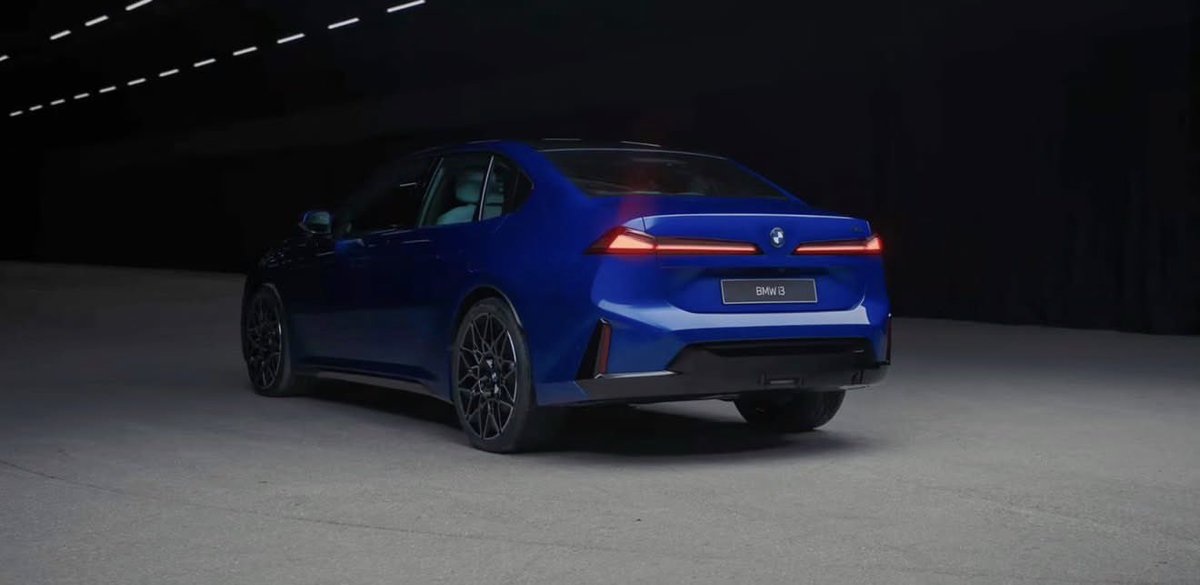
LEAKED!
Here's a first look at the all-new and fully-electric BMW i3 sedan. Thoughts?



English
@JordanEVGuy Happened to a friend of mine on his BMW 6 series, loose fuel hose, fuel all across the engine bay, luckily no fire.
English

Another electric car fire 🤯
These things are SO dangerous.
Oh wait…
English


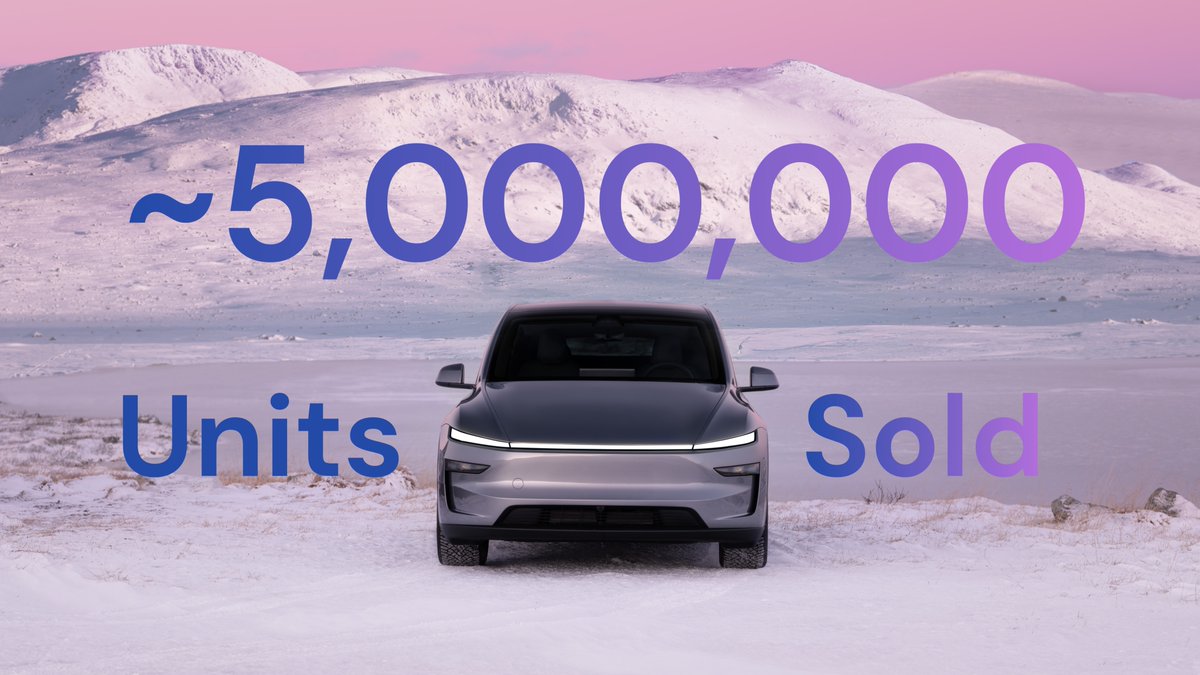
The first customer Model Y deliveries began 6 years ago today.
Since then, @Tesla has sold an estimated ~5 million of them, generating over $200 billion in revenue. That's one Model Y sold every 38 seconds, on average.
In 2023, Model Y became the #1 bestselling car in the world, gas or EV, just 3 years after it launched.
English
@SergeyKalev @DVATW They drain electricity from the European common market, pushing ⚡️ euro prices up all across the continent
English

Germany’s nuclear exit is fair game for criticism. But the consequences are not dramatic
On a comparable gross-generation basis, Germany went from 523.5 TWh in 1994 to 494.8 TWh in 2024. Per capita, that’s a decline from 6.42 MWh to 5.92 MWh
It’s not some civilizational collapse, especially when you take into account that electricity productivity rose sharply
English

@teslaxander @helipilotpat And most of th applauded him 🙄🙃
English

2017 hat Volkswagen-Chef Matthias Müller noch derbe gegen Tesla ausgeteilt.
2026 ist man bescheidener geworden: „Unser über Jahrzehnte etabliertes Geschäftsmodell funktioniert in dieser Form nicht mehr“
VW-Chef Blume
TeslaXander@teslaxander
Dank diverser buchhalterischer Tricks kann VW hier und da noch Geld zusammen kratzen. Aber es reicht nicht. Zu viele Rückrufe. Zu schlechte Mage. Zu wenige zufriedene Käufer.
Deutsch

I remember this day like it was yesterday. It’s been almost 10 years since the Model 3 was unveiled.
Whole Mars Catalog@wholemars
March 31, 2026 will be the ten year anniversary of the Tesla Model 3 unveil. I put a $1,000 deposit down that night. As blown away as I was, this product changed my life even more than I could have imagined.
English
@tobichrislorenz KEY TECH Off-The-Shelf, NO Vertical Integration:
🇨🇳 China sourced CATL/EVE battery cell tech, 🇰🇷 South Korea sourced LG curved screens, 🇺🇸 sourced Qualcomm Snapdragon Driving Assistance Computer - NO Full-Self-Driving Hardware built-in, 🇭🇺 Hungary and 🇲🇽 Mexico manufactured😂🤣
English

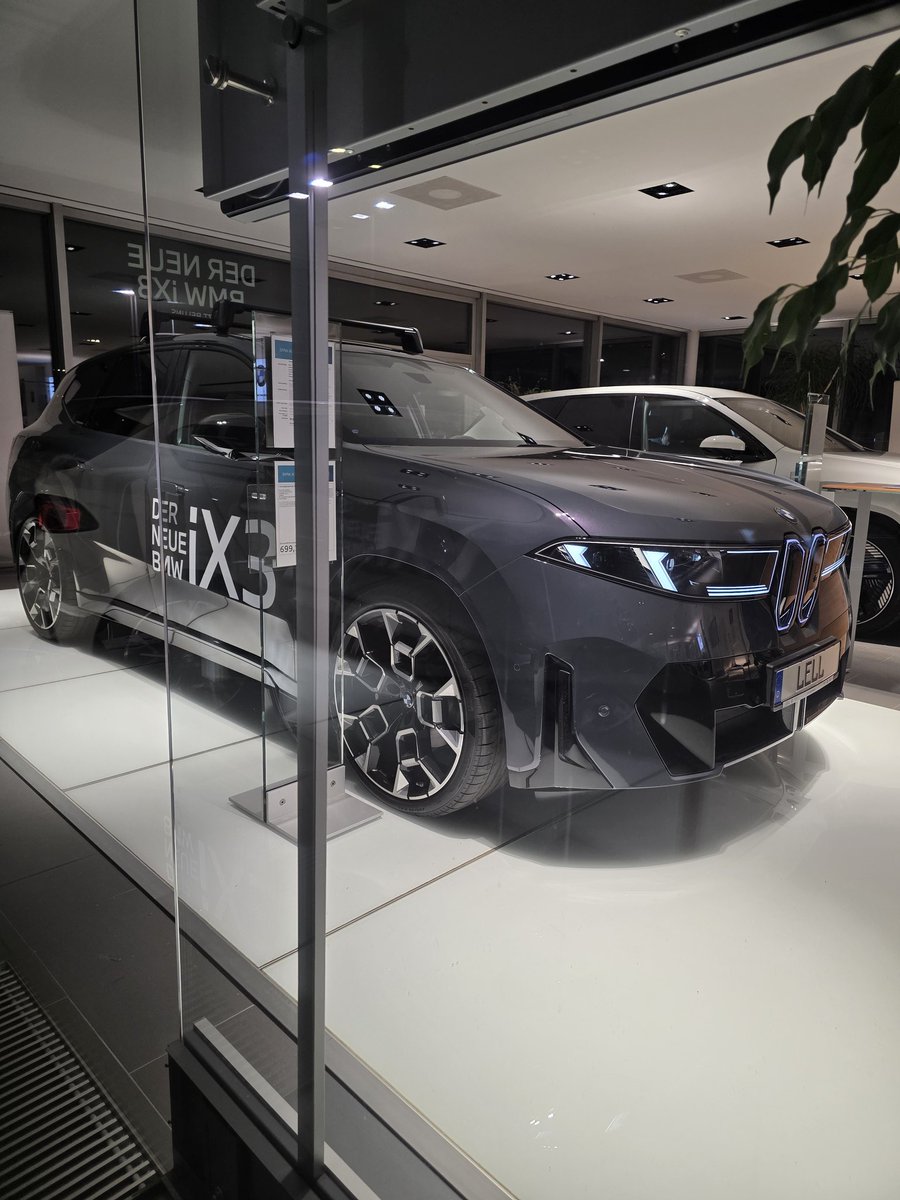
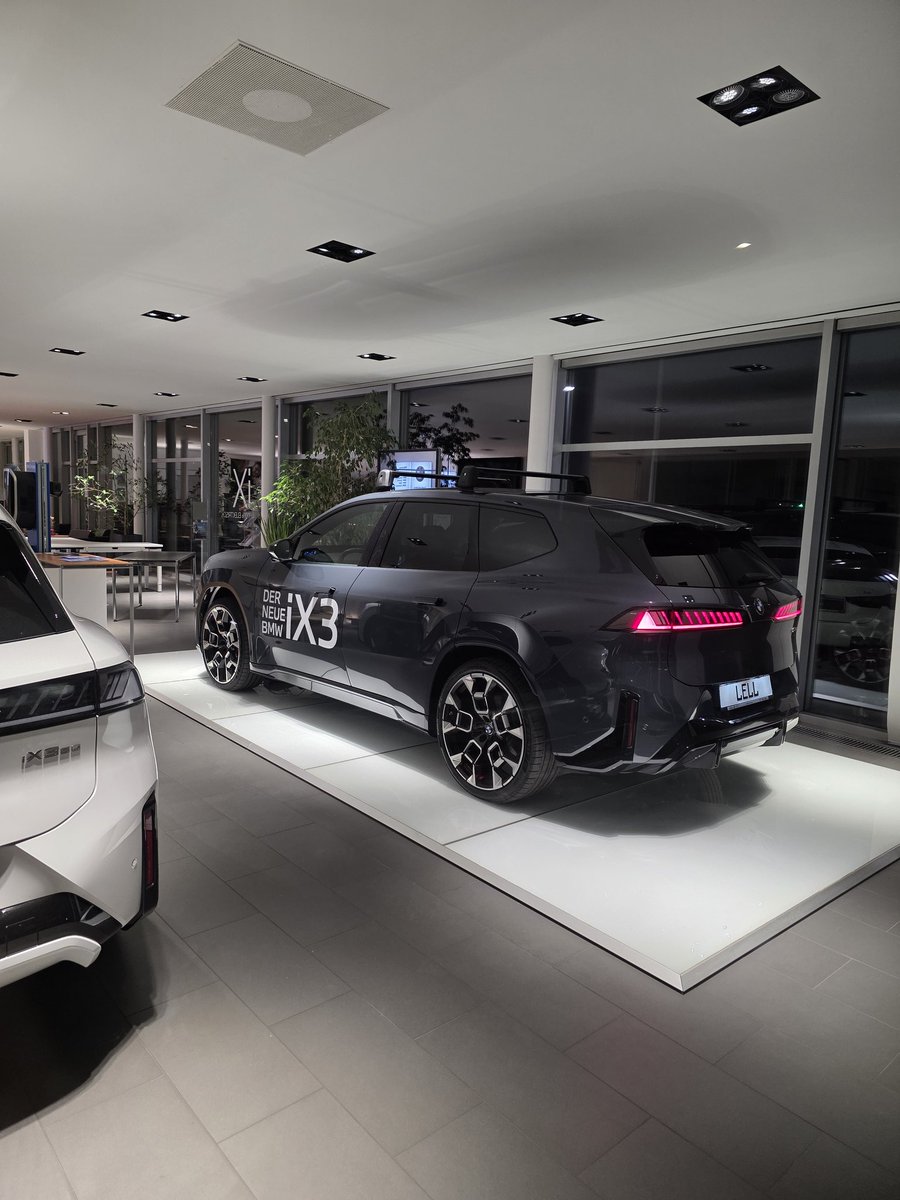
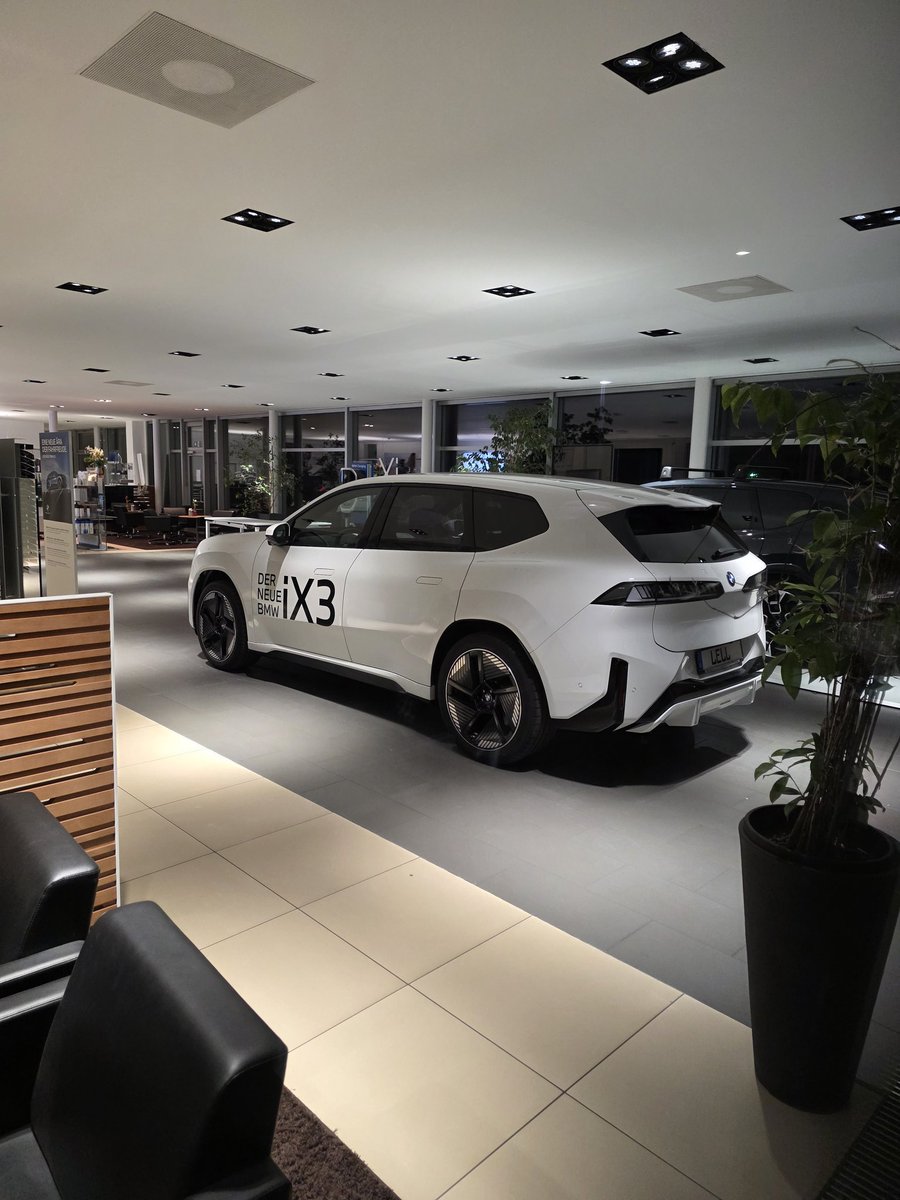
Ich musste jetzt noch spätsbends kurz beim BMW-Händler vorbei fahren und ihn live sehen. Der BMW iX3 ist einfach ein wunderschönes Auto. Die technischen Daten sind sowieso überragend. Bin mir fast sicher, dass das mein nächster wird!

Deutsch

This guy has driven 1.2 million miles in his Tesla.
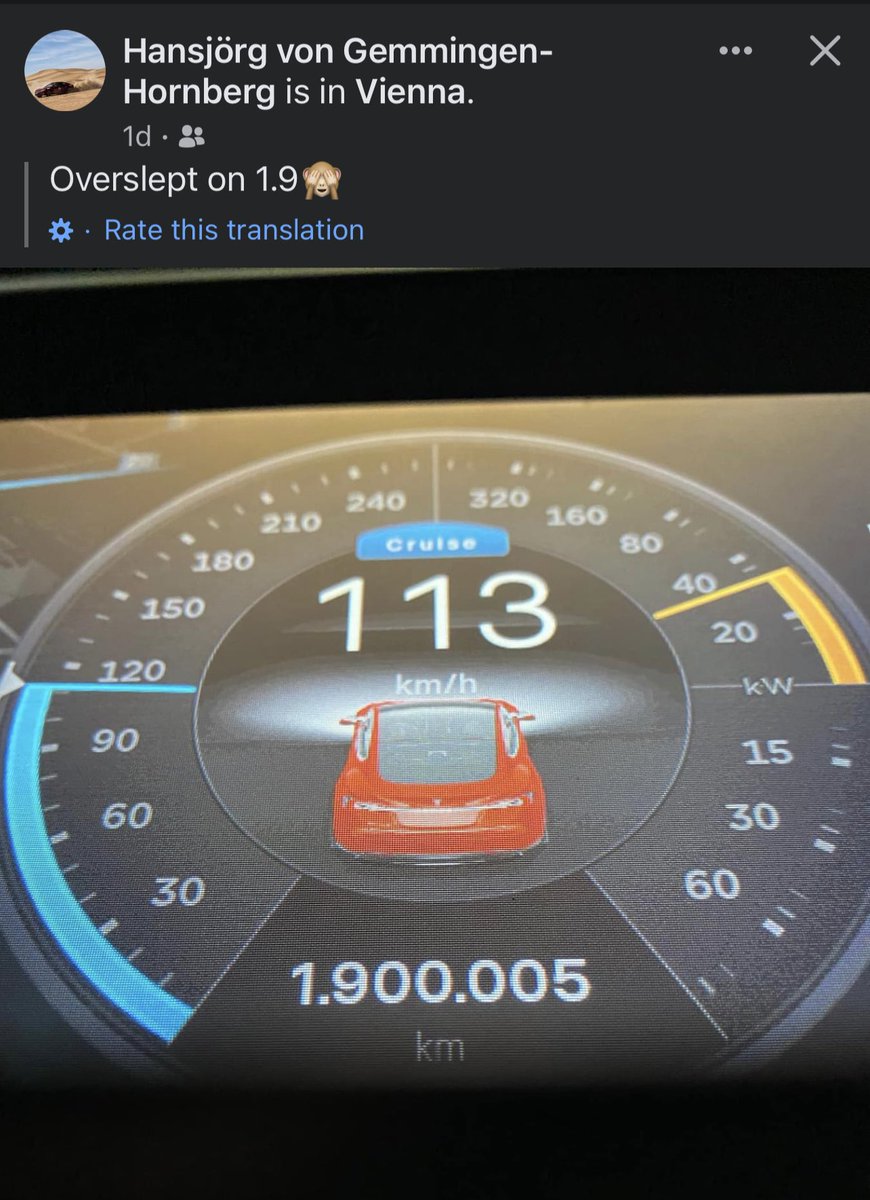
English
@stats_feed There’s only one explanation for it:
The supply of newly build housings in 🇩🇪 🇦🇹 is way TOO LOW, making housing TOO EXPENSIVE for most.
A way to keep the rich and landed aristocracy wealthy
English

Percentage of people living in rented housing:
🇩🇪 Germany: 50.9%
🇦🇹 Austria: 45.8%
🇩🇰 Denmark: 40.8%
🇫🇷 France: 35.3%
🇸🇪 Sweden: 35.1%
🇪🇺 EU: 30.1%
🇮🇪 Ireland: 30.0%
🇳🇱 Netherlands: 29.9%
🇫🇮 Finland: 29.7%
🇱🇺 Luxembourg: 28.9%
🇧🇪 Belgium: 28.7%
🇬🇷 Greece: 26.7%
🇮🇹 Italy: 26.3%
🇪🇸 Spain: 24.2%
🇸🇮 Slovenia: 23.9%
🇵🇹 Portugal: 21.7%
🇨🇿 Czechia: 21.7%
🇪🇪 Estonia: 18.4%
🇱🇻 Latvia: 16.8%
🇧🇬 Bulgaria: 15.1%
🇵🇱 Poland: 13.2%
🇱🇹 Lithuania: 11.0%
🇭🇷 Croatia: 9.5%
🇭🇺 Hungary: 8.3%
🇸🇰 Slovakia: 7.1%
🇷🇴 Romania: 4.7%
According to Eurostat, 2021
English


@DominicBRNKMN @elonmusk 0.1 ich thick padded wrap can solve all issues. Wrapped around stainless steel edges and enough padded structure in front
English
Hey @elonmusk - After test driving a Cybertruck in the US last year I realized I never want another car. It’s the best vehicle Tesla has ever built. Groundbreaking design, incredible technology, super smooth ride and steer by wire is amazing. 💯
Europe may not be a traditional pickup market but Cybertruck isn’t a normal pickup, it’s much more than that. Many of us want it here.
I need a bigger car and tow regularly and with Model X disappearing from the market Cybertruck would be the perfect replacement for my Model Y. Especially now with the new cheaper variant it makes more sense than ever. 💡
Right now it’s not sold in the EU mainly because of type approval and pedestrian safety rules around the stainless steel body and design, but that feels solvable with a slightly modified international version. Some Cybertrucks are already registered in Europe which shows it can be done. 🇪🇺
Please let a few engineers focus on a global Cybertruck version. Europe wants Cybertruck. 📐
I want Cybertruck. 🩶
Please share 🫶🏼

English
@SenWarren You FORGOT:
Eggs are DOWN 34%
Gasoline is DOWN 7.5%
Baby food is DOWN 1%
English
Trump is lying.
Coffee is up 18.3%
Ground beef is up 17.2%
Cereal is up 6.2
Bananas are up 5.4%
Fish is up 5.1%
Cookies are up 5%
English
@RonnyGolisch No way 🤣😜, I believed they were the only companies that master Level 3 as they advertised 😆🙃
English

English

Netflix @netflix Board Member Susan Rice @AmbassadorRice says corporations who took a "knee to Trump" will face an "accountability agenda" from elected Democrats if they win the midterms in 2026 and the 2028 Presidential election.
Does Netflix stand by their Board Member threatening half of the country with weaponized government and political retribution for choosing who they wanted to vote for as President?
This is as anti-American as it gets, and Netflix is proving everyday they are an anti-American, WOKE company.
Rice is basically openly saying that Democrats will go after anyone and everyone who supported President Trump, embracing weaponized lawfare against potentially millions of Americans.
Making this more horrifying is the fact that if the Netflix-Warner Bros. merger is approved, positive messaging of the Democrats' upcoming witch hunts against Trump from Barack Hussein Obama @BarackObama and his anti-White racist wife Michelle @MichelleObama would likely be blasted across all streaming services as the Obamas' Higher Ground Productions continues to grow within Netflix.
The Netflix-Warner Bros. merger would result in a streaming monopoly, which the Obamas will have a significant stake in.
President Trump @POTUS must kill the Netflix-Warner Bros. merger now. @BrendanCarrFCC
Read my report from January here:
loomered.com/2026/01/15/net…
Laura Loomer@LauraLoomer
NEW: @netflix Board Member Susan Rice Is Actively Inciting Anti-ICE Chaos And Violence @AmbassadorRice loomered.com/2026/01/15/net…
English
@GavinNewsom He cares about American workers - about those who generate value for the better of all
English
Donald Trump just announced a NEW 15% TAX on the American people.
He does not care about you.

English