John Schoonbee

239 posts

John Schoonbee  banner
John Schoonbee

John Schoonbee

@john_schoonbee

Puzzled medical doctor in (re)insurance industry. Which way will the world choose (for type 2 diabetics)? LCHF or the wrong way?

Zurich, Switzerland Inscrit le Temmuz 2015
330 Abonnements1.3K Abonnés
John Schoonbee
John Schoonbee @john_schoonbee·
@PHCukorg What a great initiative Sam. Shared with many of my UK colleagues! Real food rocks! 🥦🍗🥗🍅
English
0
1
3
92
John Schoonbee retweeté
Public Health Collaboration
The Rebellion Begins Today! Join us for the Real Food Rebellion Big Give’s Christmas Challenge (@biggiveorg). For one week only, every £1 you donate will be matched, turning £15,000 into an incredible £30,000! phcuk.org/biggive
English
2
22
29
12.5K
John Schoonbee
John Schoonbee @john_schoonbee·
Wow. Having known @bigfatsurprise for a long time, this could be a game changer for better US nutrition. Nina looks at science and facts. She has through her book, already changed so many lives. I hope she gets this opportunity 💪
Nina Teicholz, PhD@bigfatsurprise

Someone nominated me to reform the US Dietary Guidelines for Americans. I have dedicated the last 10y of my life to this issue, and it would be an enormous honor to serve. To vote, go here: discourse.nomineesforthepeople.com/t/nina-teichol… (I am trying to get info filled on in this page and also moved to Food/Ag, but don't yet know who owns this page)

English
1
2
23
505
John Schoonbee
John Schoonbee @john_schoonbee·
And yet they continue to make it worse... Headline article in The Guardian: "UK’s unhealthy food habits cost £268bn a year, report finds" The second sentence....(capitalization mine) "The increased consumption of foods HIGH IN FAT, salt and sugar or which have been highly processed is having a “devastating” impact on human health and Britain’s finances." And then they go on to talk about costs, impacts etc. Yes poor nutrition is devastating to individuals and to society. But by repeating the message that food "high in fat" is harmful, we double down on the consequential notion that people need to shift to more carbohydrate. Carbs turns to glucose. Too much glucose leads to hyperinsulinemia. This drives insulin resistance. This increases chronic ill health across the full NCD spectrum. There is no cell in or tissue in the human body that does not have insulin receptors. High insulin leads to either resistance to, or an enhanced response from insulin. Both are harmful. Not once are carbohydrates mentioned in the article. And no mention is made of processed seed/vegetable oils (which are generally advised to be used rather than natural fats) - i.e. implying all fats are equal. Surely The Guardian can do better. This repeats the same error in the House of Lords report. bapen.org.uk/other-news/hou…. If we can get health folks and health journalists Denis Campbell to read and understand something like this: theactuary.com/2024/05/23/und… who knows how we might reduce this £268bn annual disaster. theguardian.com/politics/2024/… #metabolicsyndrome #fixingmetabolichealth #nutrition #lowcarb @bigfatsurprise @lowcarbGP @DrGlandt @DoctorTro @garytaubes @drjamesdinic @virtahealth @level2_health @guardian
English
1
1
6
360
John Schoonbee
John Schoonbee @john_schoonbee·
I wish everyone in the US would read this (Absolute kudos to the bravery and accountability of Janet King and Cheryl Achterberg for putting their names on this opinion piece.) Before reading it and the highlights below, consider who they are: Janet C. King, PhD, is Professor Emeritus of Nutritional Sciences at UC Berkeley, and CHAIR of the 2005 Dietary Guidelines Advisory (DGA) Committee. Cheryl Achterberg is a former Dean at The Ohio State U and was a member of the 2010 DGA Committee. A handful of quotes/points raised in the letter: 1. Referencing the chronic disease crises in the US : "As former members of the expert committee that oversees the science for the U.S. Dietary Guidelines, we can tell you that these chronic diseases are PRIMARILY driven by poor diet, and our guidelines are part of the problem. 2. They mention that the guidelines were controversial to start with, and that already in 1980 the National Academy of Sciences president warned of potential unintended consequences from implementing recommendations with such scant evidence. 3. That poor evidence told us "to fear fat and instead consume about half of all calories as carbohydrates". The current guidelines recommend up to 10 percent of calories as added sugar! 4. As they write, "This advice fundamentally misunderstands metabolism." 5. Finally they state that "national nutrition policy … no longer reflects the best or most current science." 6. And they reflect on conflicts of interest of the DGA members, the lack of transparency, the cherry picking of evidence, the refusal to comply in full with any of the 11 concrete recommendations of the National Academies of Sciences, Engineering, and Medicine made in 2017 to improve rigour in the guideline process. Mea culpa if ever there was one. Good on them, and may the farm bill they highlight be passed. That a bill "mandating greater transparency and adherence to rigorous scientific standards" be at all controversial is mind-blowing. Guiding principles: How US dietary guidelines contribute to obesity (thehill.com) @DoctorTro @bigfatsurprise @garytaubes @lowcarbGP @CampbellMurdoch @virtahealth @level2_health @KetoMojo @GeorgiaEdeMD @Metabolic_Mind @GroHealth #lowcarb #metabolichealth #nutrition
English
3
28
73
9.4K
John Schoonbee
John Schoonbee @john_schoonbee·
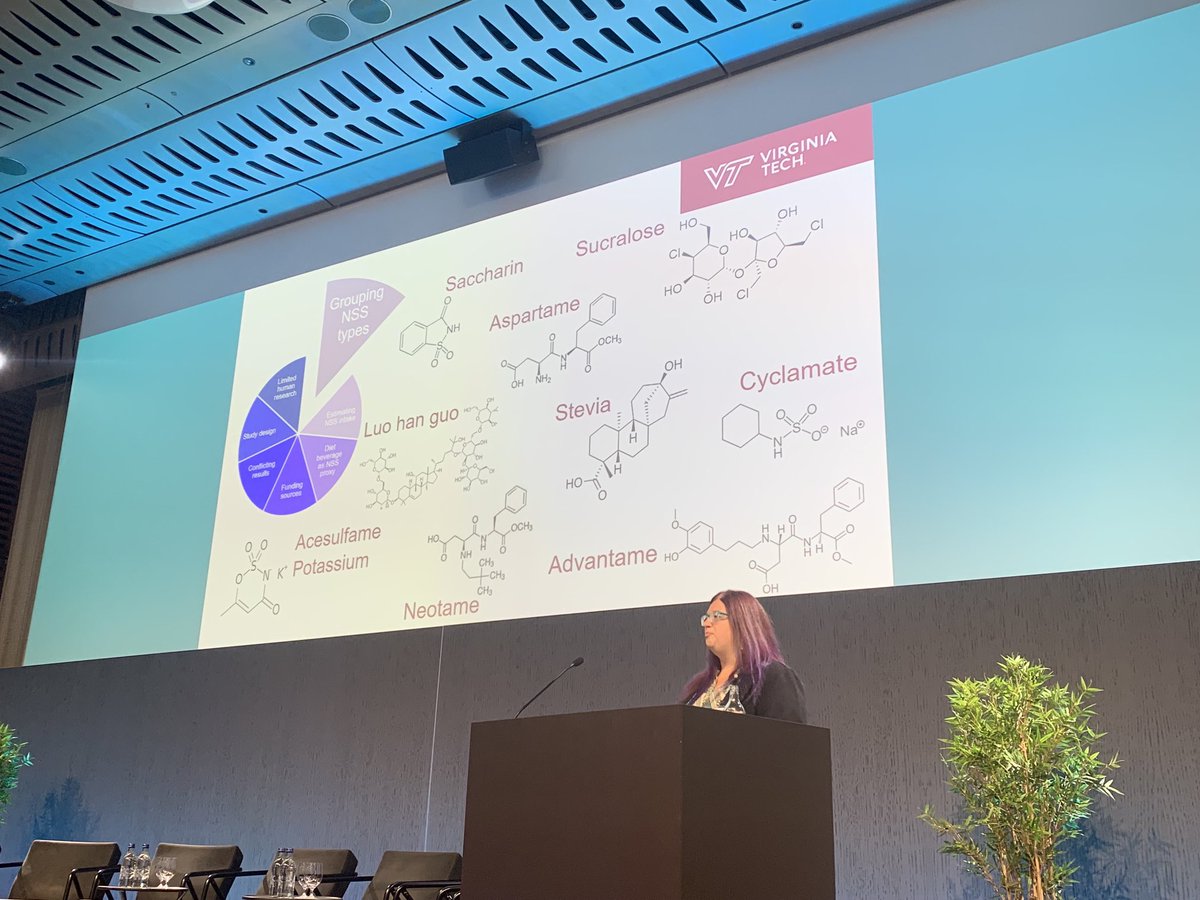
Artificial sweeteners. Just had a thought…. Why do we even need them? Cause we “think” we should be able to have sweet tasting things. Why? ⁦@valisahedrick#foodforthought
John Schoonbee  tweet media
English
7
9
41
4.7K
John Schoonbee
John Schoonbee @john_schoonbee·
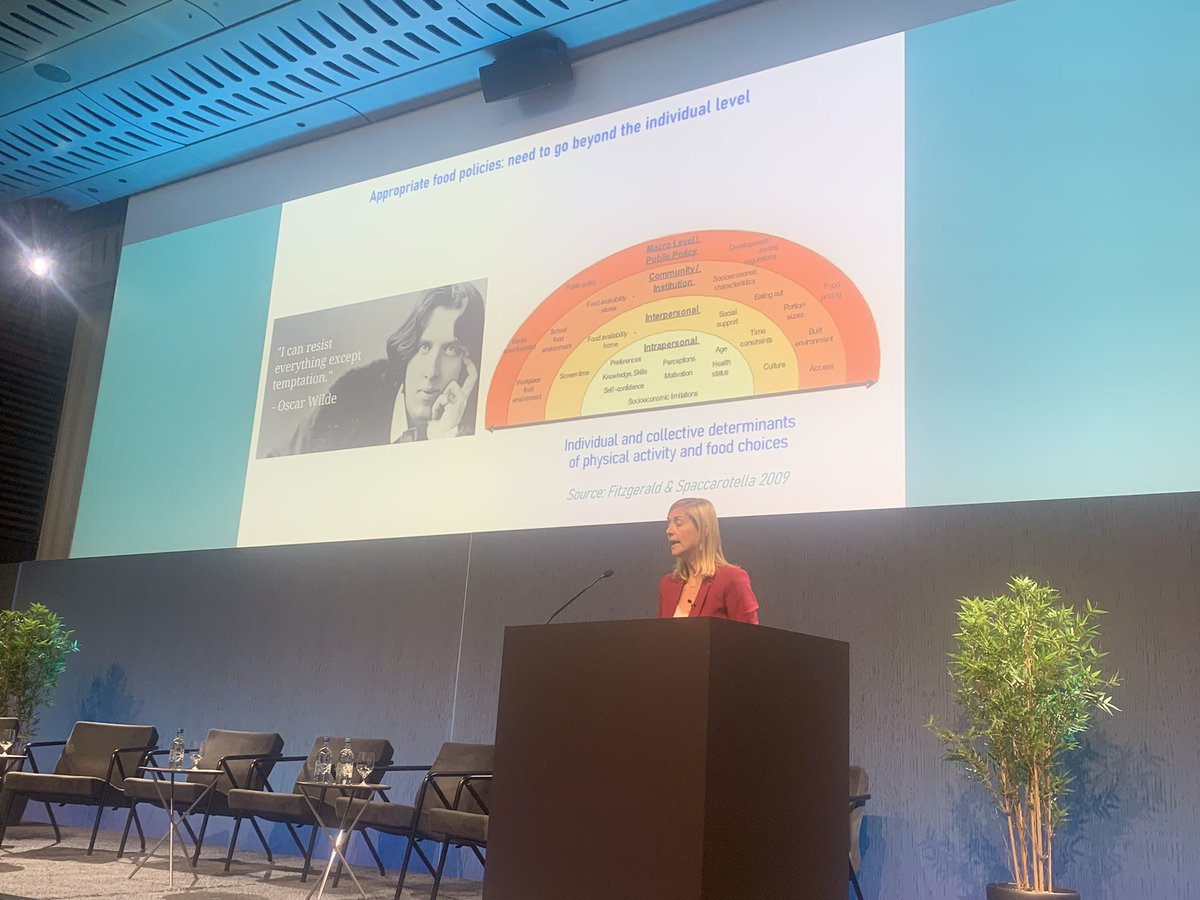
UPF at Food for Thought 2023. Food and temptation. A big deal when it comes UPF. Dare you to eat just one pringles…. 😜
John Schoonbee  tweet media
English
0
2
10
568
John Schoonbee
John Schoonbee @john_schoonbee·
Sleep clearly affects susceptibility to obesity… even in children. @arne_astrup
John Schoonbee  tweet media
English
1
0
12
425
John Schoonbee
John Schoonbee @john_schoonbee·
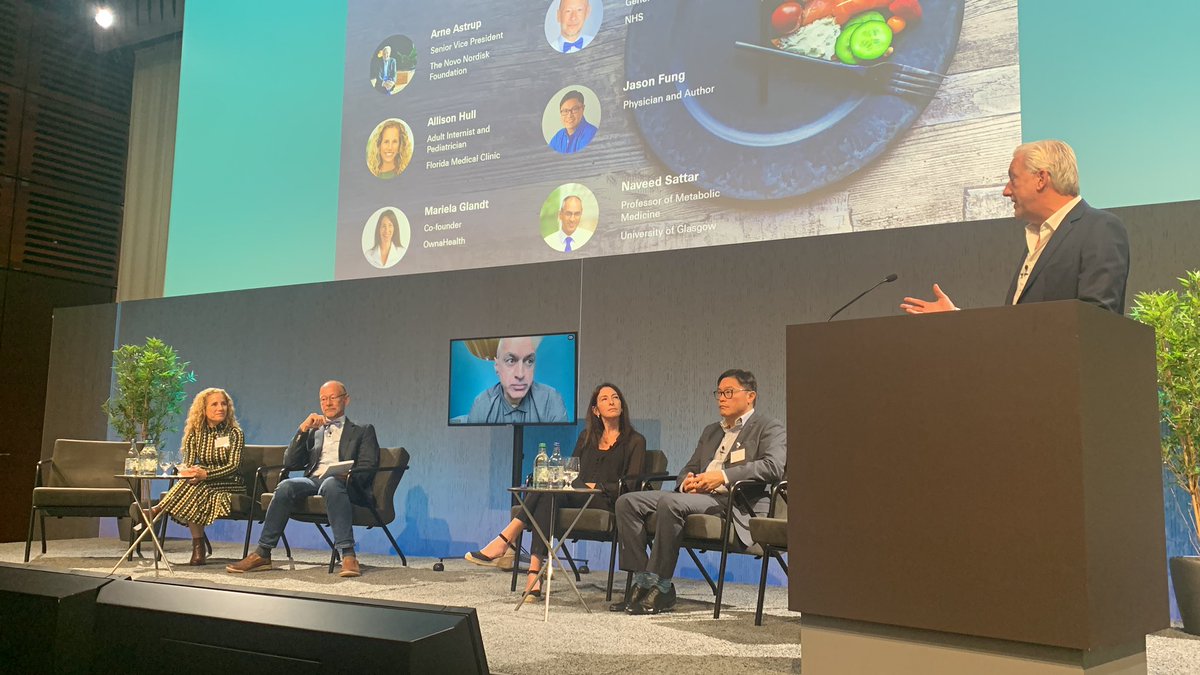
How much overlap between caloric restriction, fasting and carbohydrate intake (restriction)? Interesting discussion 🤔 @drjasonfung @lowcarbGP
John Schoonbee  tweet media
English
2
1
29
1.4K
John Schoonbee
John Schoonbee @john_schoonbee·
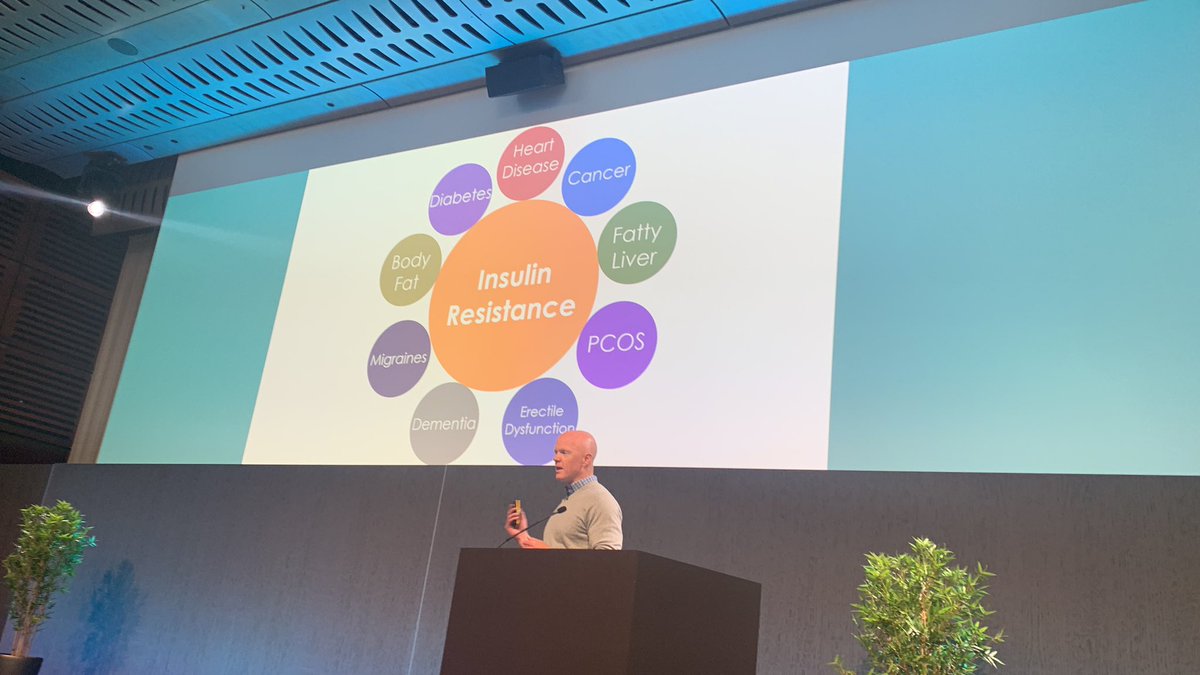
@ShebaniMD⁩ sharing the link between metabolic dysfunction and mental health
John Schoonbee  tweet media
English
0
1
7
418
John Schoonbee
John Schoonbee @john_schoonbee·
I think CGMs are gamechangers. It also allows for experimentation of different ways to be "carb smart". Order of food, combinations of food, different ways of preparation (like cooling rice or potatoes). And many find it less "restrictive" as can be seen as somewhat food agnostic. Also everyone likes to think they are special and unique, and this caters to the "personalized" approach. When smartwatches can do glucose, it may indeed create a pivot in global health.
English
0
0
4
289
Sanj
Sanj@Mindzatwork·
@SwissRe @john_schoonbee Time in range for BG I guess is a good place to start. Everyone at risk and all over 21 should wear a CGM for two weeks prior to annual health check with their food diary.
English
1
0
1
411
Swiss Re
Swiss Re@SwissRe·
What's the solution to improve or put in remission noncommunicable diseases that kill 41 million people each year, costing USD 47 trillion between 2010-30? Good nutrition & lifestyle, says our Global CMO @john_schoonbee. Learn why it matters for insurers: ow.ly/QpPX50PTMsC.
English
10
38
102
94.2K
John Schoonbee
John Schoonbee @john_schoonbee·
If this is you, time to change! Thanks to Pierre Alexandre Mercier for sharing (and translating!) this for me, and thanks to Anthony Berthou for writing it in the first place, and also for allowing me to share it! It is an extract from his book "Du bon sens dans notre assiette" (Common sense on our plate). A short description of modern man, titled : --- "The metabolic scourge of Homo modernus" "Homo modernus gets up and prepares his breakfast before starting a new day of work. He will therefore look in the cupboard for his favorite bowl of puffed cereals or, according to his desire, a baguette of white bread with jam, a glass of orange juice and a yogurt (preferably 0% and sweetened with extracts of stevia, to avoid sugar thanks to a natural sweetener). He quickly eats what he considers his meal before taking his car to go to the office (two kilometers away), where he will spend the whole day, most of the time sitting. He will get up from time to time, especially to enjoy some pastries kindly brought by a colleague during the coffee break (which is good because he was a little peckish and felt a bit tired). His lunch is also eaten on the go. A sandwich in the vending machine is very practical and quick. He will therefore take advantage of this to make progress on the file he has to submit by the end of the day. Unfortunately, he feels a sudden tiredness at the beginning of the afternoon, like every day, which prevents him from concentrating in front of his computer, especially since he is cozily sitting at his desk... Swallowing a few candies and two squares of this new crispy milk chocolate (or even three or four... the afternoon is long, especially because of this urgent matter which is stressing him out) gives him the impression of regaining energy. So, he will take a few more of them by the end of the afternoon. The evening finally arrives, Homo modernus is exhausted. He had promised himself that this time he would go to the gym after work, but he doesn't have the courage today either... it's been a long time since he stopped practicing physical activity, he no longer has time, and it would be too hard to start again after such a period of downtime, especially with this growing belly, which tires him even more... He therefore prefers to go home to watch a good movie in streaming, on his new multi-LED flat screen, after ordering a delicious pizza, delivered directly via his new app (he got two for the price of one, enough to tide him over in case he would feel peckish the next day). He also takes the opportunity to taste these new biscuits that he discovered on sale in his hypermarket... so crunchy! Exhausted, he goes to bed, hoping that he will sleep better tonight…. a new day awaits him the next day." ---- Tongue in cheek, funny, but sadly true. And the consequences of this, physically and mentally, are devastating. Individually and on a societal level. Time for change. ow.ly/UqIY104WMN0 #metabolichealth #swissre #insulinresistance
English
1
1
5
513
John Schoonbee
John Schoonbee @john_schoonbee·
@lowcarbGP Caution is good. I worry that we think of a single pathway or molecule, and forget about the complexity of the human body. Having 24/7 constant (high) glp-1 receptor activation vs. activation only after eating (glp-1 has a half life of minutes), may lead to unintended consequences...
English
0
3
9
550
Dr David Unwin
Dr David Unwin@lowcarbGP·
I worry about the rush to use the latest miracle drug for obesity Earlier ‘miracles’ have not aged well! chemical interference with complex systems has risks as well as potential benefits @newscientist @TheBMA
Dr David Unwin tweet media
English
24
80
285
81.3K
John Schoonbee
John Schoonbee @john_schoonbee·
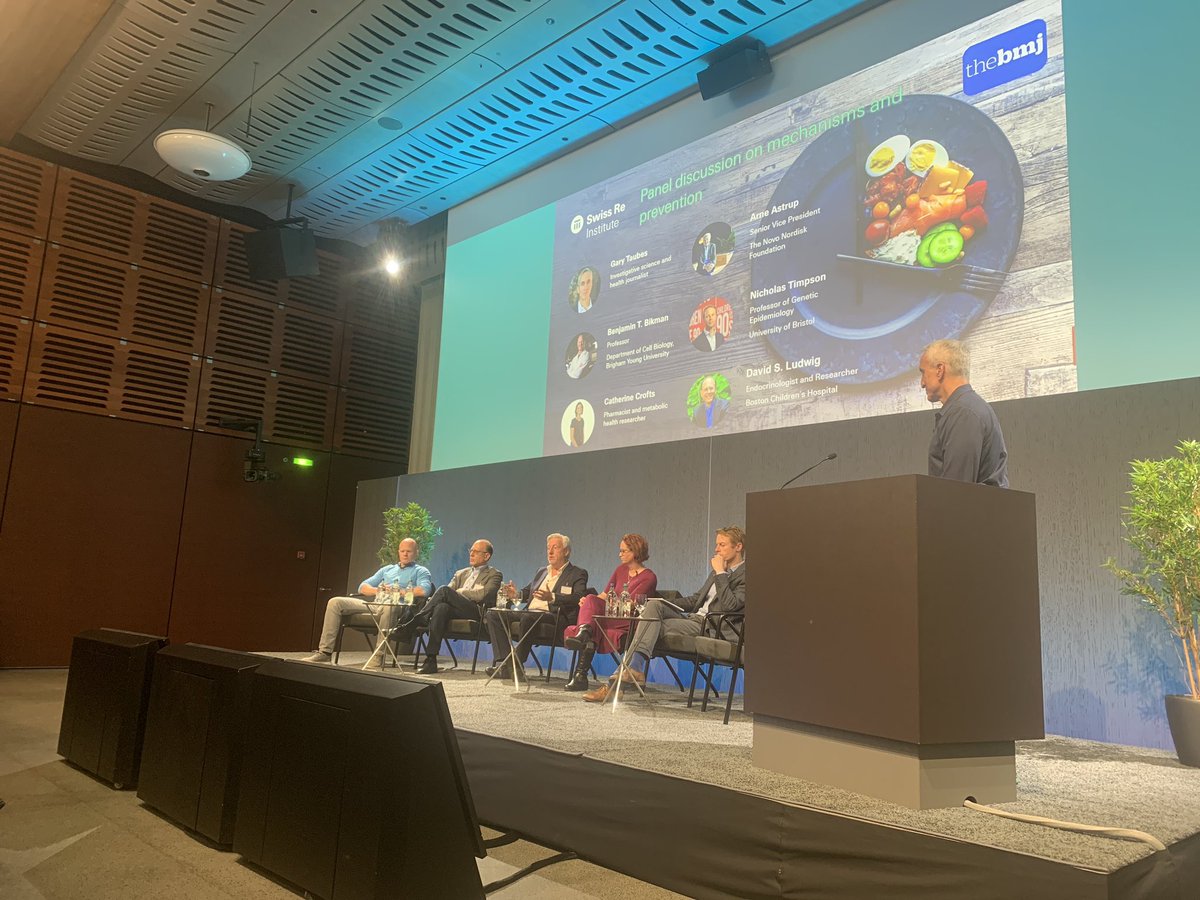
Maybe now we can get somewhere. Healthcare vs. Sickcare. I am so proud that Swiss Re is putting effort into this. The aligned interests between our business, and the health and wellbeing of our policyholders is so obvious. And our vision of making the world more resilient beyond paying claims, also comes through so strongly with this focus on improving metabolic health. To misquote Steven Jobs..."I want to put a dent in metabolic ill-health" I know all these great people or companies hope we can manage that and more! @bigfatsurprise @garytaubes @lowcarbGP @drjasonfung @BenBikmanPhD @LeefstijlSticht @davidludwigmd @drmarkhyman @RobertLustigMD @GroHealth @samiinkinen @AdamWolfberg @virtahealth @keto_live @KetoCounselor @GeorgiaEdeMD @ShebaniMD @ChrisPalmerMD @IainCampbellPhD @CampbellMurdoch @DoctorTro @DrCaseysKitchen @Levels @PharmacistCath @VoedingLeeft @janellison @DavidBaszucki @Metabolic_Mind What an incredible group of people. Singularly striving to improve people's health. I am honoured to know and collaborate with them.
Swiss Re@SwissRe

What's the solution to improve or put in remission noncommunicable diseases that kill 41 million people each year, costing USD 47 trillion between 2010-30? Good nutrition & lifestyle, says our Global CMO @john_schoonbee. Learn why it matters for insurers: ow.ly/QpPX50PTMsC.
English
8
33
95
84.6K