Bednar lab

351 posts

Bednar lab banner
Bednar lab

Bednar lab

@BednarLab

Pancreatic cancer research, epigenetics, tumor immunology, tumor evolution, surgeons doing basic science, UM PanTErA, #NewPISlack, personal Twitter: @Fil_Bednar


University of Michigan 参加日 Ağustos 2019
346 フォロー中591 フォロワー
Bednar lab
Bednar lab@BednarLab·
@LyssiotisLab Agree! This is nuts! Combining synthetic biology with in vivo understanding to give an intervention like this!
English
0
0
2
39
Lyssiotis Lab
Lyssiotis Lab@LyssiotisLab·
This is a wild study! Engineering T cells to use an alternative sugar source, thereby eliminating tumor competition. Fungal-derived cellobiose metabolic pathway fuels T cells to bypass intratumoral glucose competition: Cell cell.com/cell/abstract/…
English
4
14
92
5.4K
PitarresiPhD
PitarresiPhD@PitarresiLab·
My postdoc, Nikita, just scored 3% on her K99/R00 Pathway to Independence grant!!!! Congratulations Nikita! She is an absolute rockstar studying cancer cachexia and metabolism in pancreatic cancer. Keep her on your radar if you are hiring in the near future!
GIF
English
5
1
89
5.7K
Bednar lab がリツイート
Prof. Nikolai Slavov
Prof. Nikolai Slavov@slavov_n·
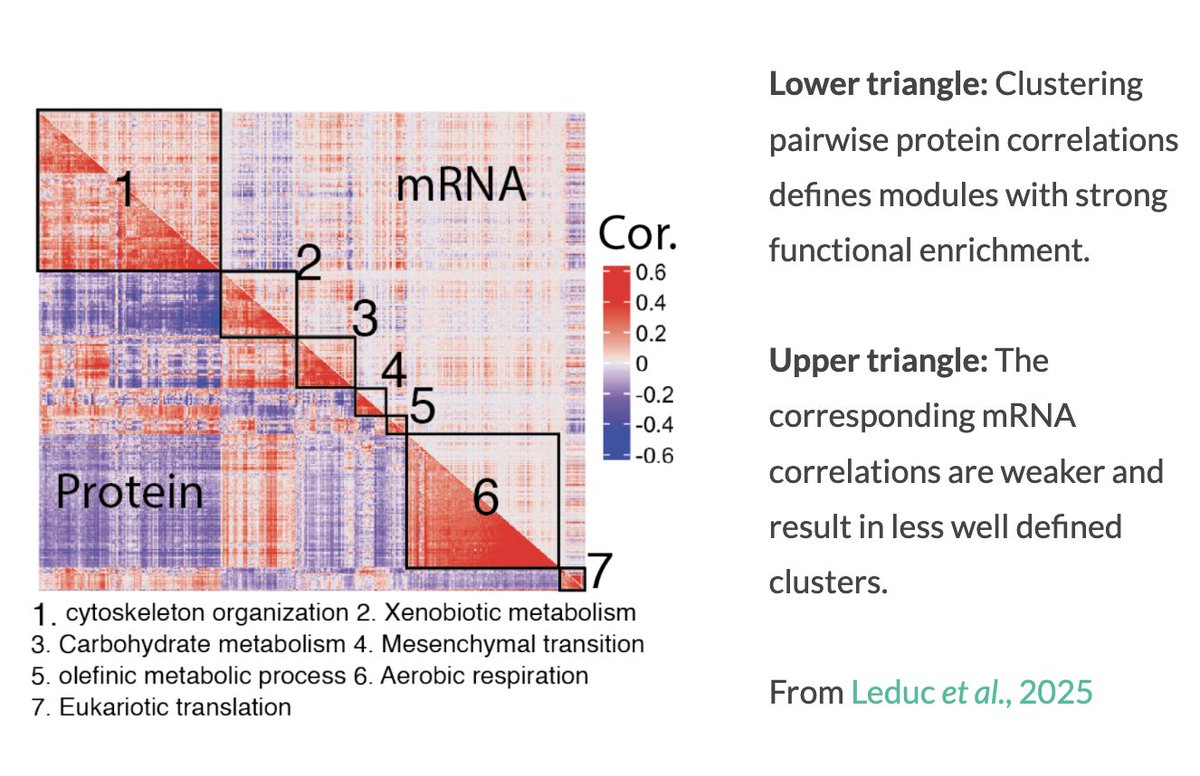
Biology is not static -- proteins are constantly being made, modified, and destroyed as cells live, respond, and adapt. Each cell interacts with other cells and its matrix to shape its proteome and dynamic responses. That’s why understanding in vivo proteome dynamics at the level of individual cells is one of the most exciting frontiers in understanding biological systems. 1/2
Prof. Nikolai Slavov tweet media
English
7
55
258
16.8K
Bednar lab がリツイート
Daniela Cerezo Wallis
Daniela Cerezo Wallis@danielacerezo·
I’m thrilled to introduce you to the NeuMap! our latest work in @Nature. A global, comprehensive, single-cell transcriptional atlas of neutrophils across 47 biological conditions in human and mice. A real tour-de-force 🗺️ @AndrsHidalgo16 nature.com/articles/s4158…
English
10
48
187
24K
Bednar lab がリツイート
Michael Eisen
Michael Eisen@mbeisen·
Biology is not random. And so if you measure any aspect of it a lot of times and compare your data to a random model you will eventually rederive this fact. The problem with absurdly small p-values is that, because you can essentially always get them by juicing your sample size, when you see something like p < 10^-300 what it’s really saying is THAT biology is non-random, which we already knew, and not HOW it is non-random, which is what we really care about.
Michael Eisen@mbeisen

The first rule of Data Science - if your p-value is less than 1 over the number of atoms in the universe, you're using the wrong model.

English
16
22
251
42.8K
Bednar lab がリツイート
Ming "Tommy" Tang
Ming "Tommy" Tang@tangming2005·
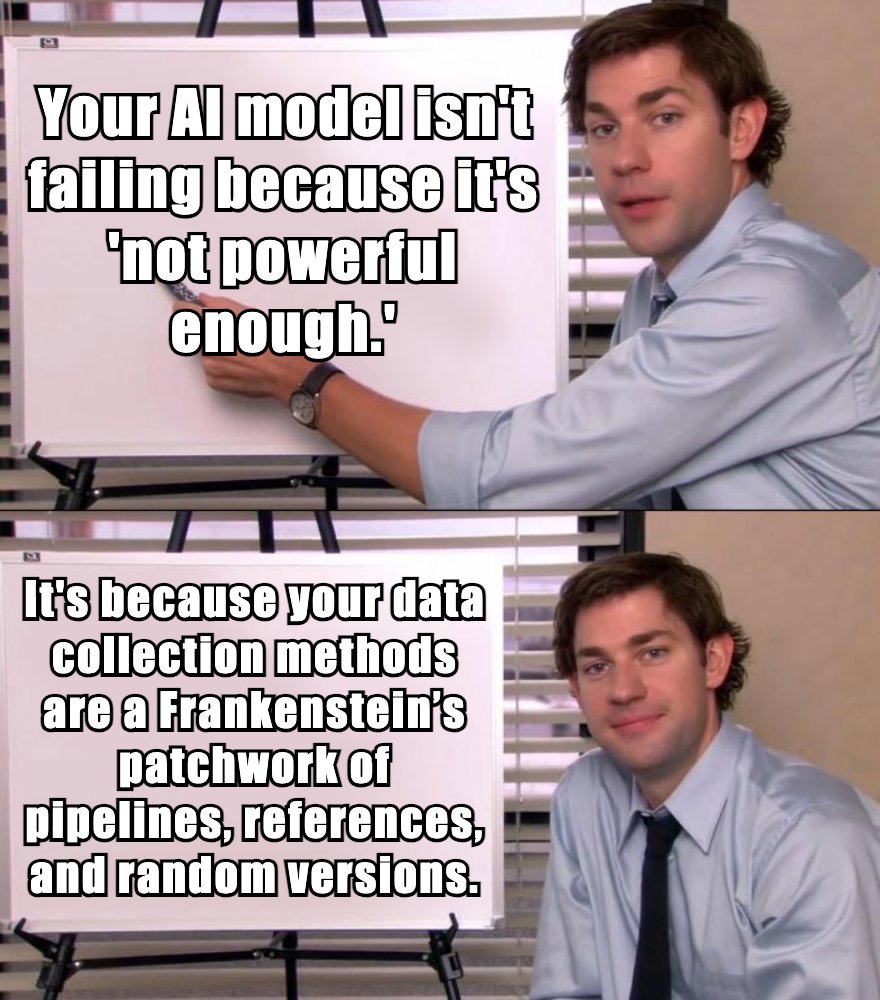
1/ You think your ML model fails because it’s “not powerful enough”? No. It’s your data. Garbage in, garbage out. Here’s what most AI scientists miss when using public RNA-seq or single-cell data 👇
Ming "Tommy" Tang tweet media
English
1
2
7
2.4K
Bednar lab がリツイート
Rogel and Blondy Center for Pancreatic Cancer
We're excited to kick off the 2nd annual PancMidwest Symposium. We'll have two days of presentations, posters and networking among pancreatic cancer researchers in the region.
Rogel and Blondy Center for Pancreatic Cancer tweet mediaRogel and Blondy Center for Pancreatic Cancer tweet mediaRogel and Blondy Center for Pancreatic Cancer tweet media
English
0
6
21
1.2K
Bednar lab
Bednar lab@BednarLab·
@ProfBootyPhD @NikoMcCarty It comes down to scales and how information transfer happens across them. How do we go from single molecules and their physicochemical behavior to a functioning organism. That is to say I agree with you 💯. In my mind this is one of the most fundamental problems in biology.
English
1
0
1
39
Professor Booty PhD
Professor Booty PhD@ProfBootyPhD·
@NikoMcCarty nobody agrees with me but to me this is a limit to the biological meaning that one can infer from single-cell analysis - tissue function hinges on the integrated bulk properties of constituent cells, the rest is noise
English
3
0
23
1.8K
Niko McCarty.
Niko McCarty.@NikoMcCarty·
"Only ~0.02%-3.1% of [a cell's] genome" is being transcribed at any given moment. Other interesting takeaways from this new paper: > If you pool together a bunch of cells of the SAME type (like primary immune cells from a mouse's spleen), and you measure the transcription for each of them, you'll find that ~67% of the genome is active collectively. But at a SINGLE cell level, only like 0.04% of the genome is active. There is huge heterogeneity between cells, even of the same type. This heterogeneity disappears when we do bulk RNA-seq and measure cells together. > About 31% of a cell's transcription comes from known protein-coding genes. The rest of transcription happens in regions that don't make proteins. In other words, more "non-coding" DNA is transcribed than "coding" DNA. > There is a surprising disconnect between RNA production & decay at the single-cell level. If you look at thousands of cells together, the rate of RNA production (how fast genes are transcribed) usually matches the rate of RNA decay (how fast old transcripts are degraded). This makes sense, because cells presumably would want to keep a fairly steady balance of RNA levels. But when scFLUENT-seq was used to look at individual cells, this "rule" broke down! For a given mRNA, some cells were making a lot of new copies even if old copies weren’t being degraded much, while other cells had the opposite. So transcription and decay don't seem to be tightly matched within a single cell at a given time after all. The balance between production + decay is only true in bulk.
Niko McCarty. tweet mediaNiko McCarty. tweet media
English
16
187
942
158.6K
Bednar lab がリツイート
Anirban Maitra
Anirban Maitra@Aiims1742·
Kudos to @PanCAN for creating the SPARK data platform containing vast troves of clinical, imaging, laboratory & molecular data from Precision Promise and Know Your Tumor. Fabulous resource for #PancreaticCancer researchers in both academia and industry. @sdosssdoss
Anirban Maitra tweet mediaAnirban Maitra tweet mediaAnirban Maitra tweet mediaAnirban Maitra tweet media
English
1
14
48
4.2K
Bednar lab がリツイート
Jennifer Guerriero, PhD
Jennifer Guerriero, PhD@JennGuerriero·
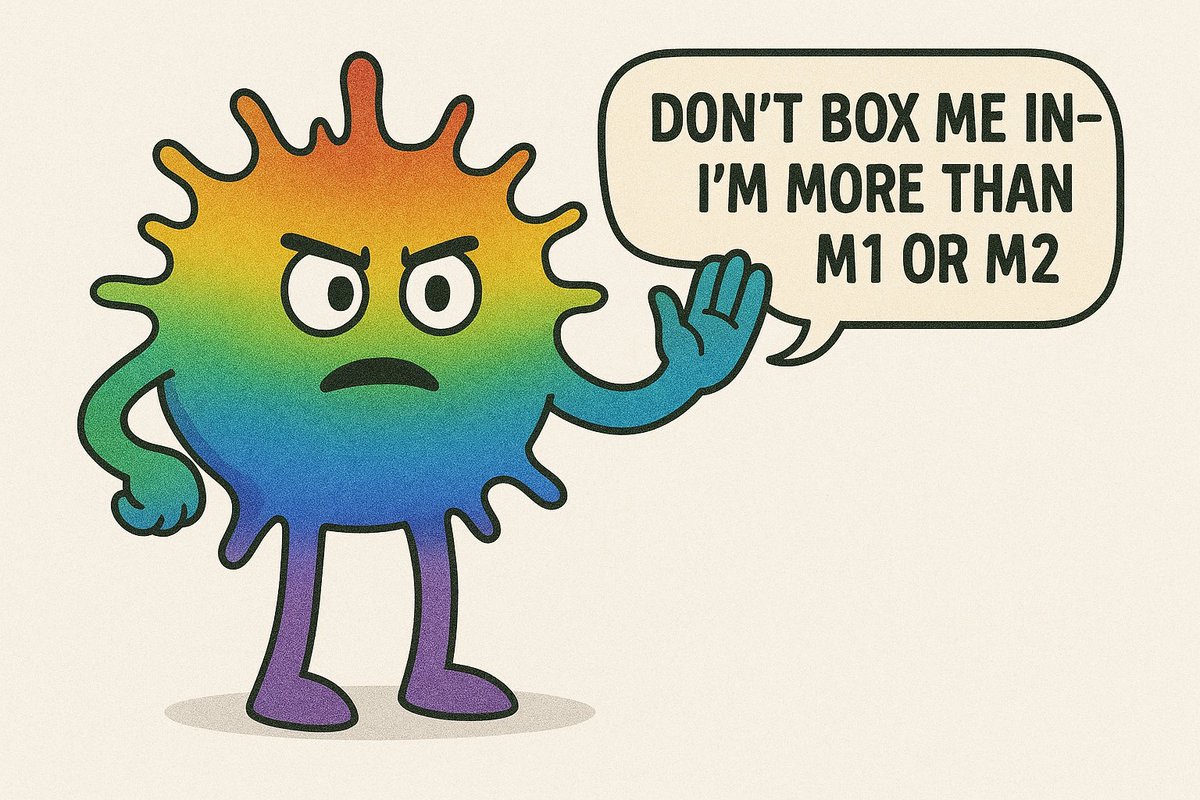
PSA: Stop calling macrophages in tissue M1 or M2. These are not states that exist in biology. The only use of M1 is a macrophage cultured ex vivo with LPS and IFNg; and for M2: IL-4/13/10. Macrophages in tissues are highly complex and diverse and do not resemble either of the aforementioned M1/M2 states. M1/M2 language causes confusion and sets the field back. Refer to your macrophages by the molecules they express and the cytokines they make.
Jennifer Guerriero, PhD tweet media
English
32
174
944
73.2K
Bednar lab
Bednar lab@BednarLab·
@slavov_n The emphasis on tumor immunosurveillance is interesting. Whatever carcinogenesis model gets put forth, it should take into account and be able to reflect the recent significant rise in young adult-onset cancers in some solid organs.
English
0
0
1
85
Prof. Nikolai Slavov
Prof. Nikolai Slavov@slavov_n·
This PNAS article emphasizes the role of immune system decline over mutation accumulation. Informed discussions can help us avoid simplistic narratives (e.g., cancer is a genetic disease) supported by insufficient data. pnas.org/doi/10.1073/pn…
English
1
3
41
1.6K
Prof. Nikolai Slavov
Prof. Nikolai Slavov@slavov_n·
Why does cancer incidence increase with age? Is it the accumulation of mutations? Is it a declining immune system? Are there other factors? Both mutation accumulation and immune system decline correlate with age and support predictive models of cancer rates. 🧵
Prof. Nikolai Slavov tweet media
English
12
38
247
32.7K
Bednar lab がリツイート
Bednar lab がリツイート
Anirban Maitra
Anirban Maitra@Aiims1742·
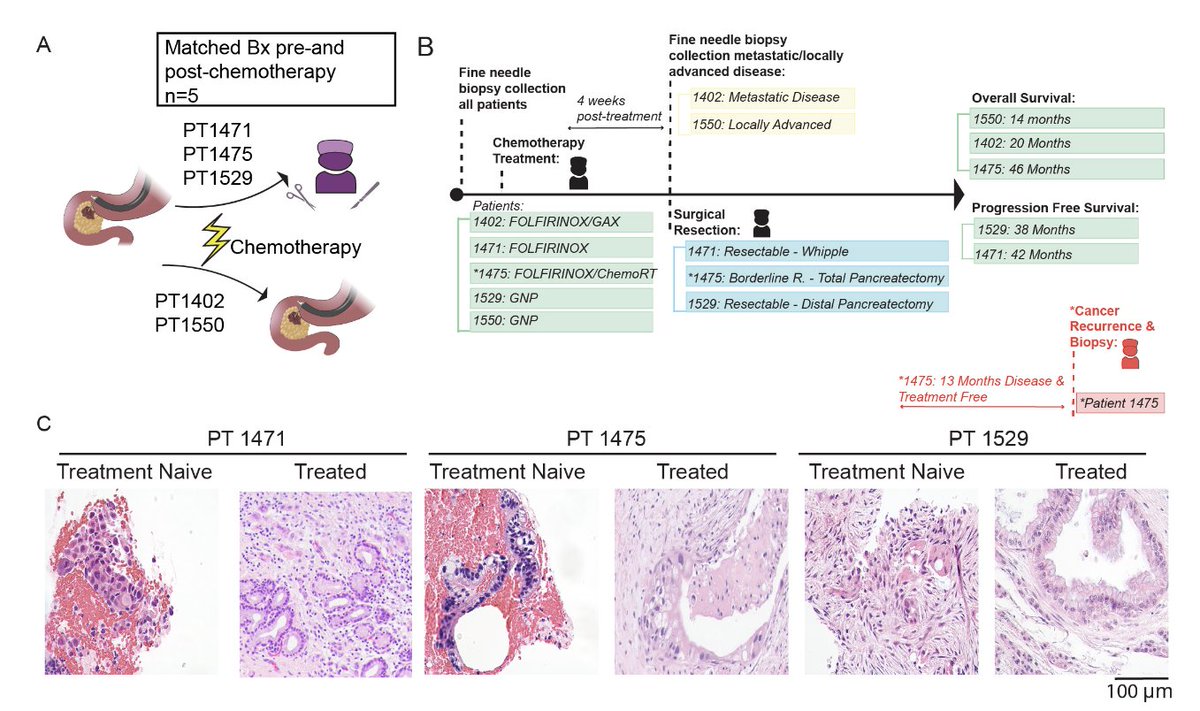
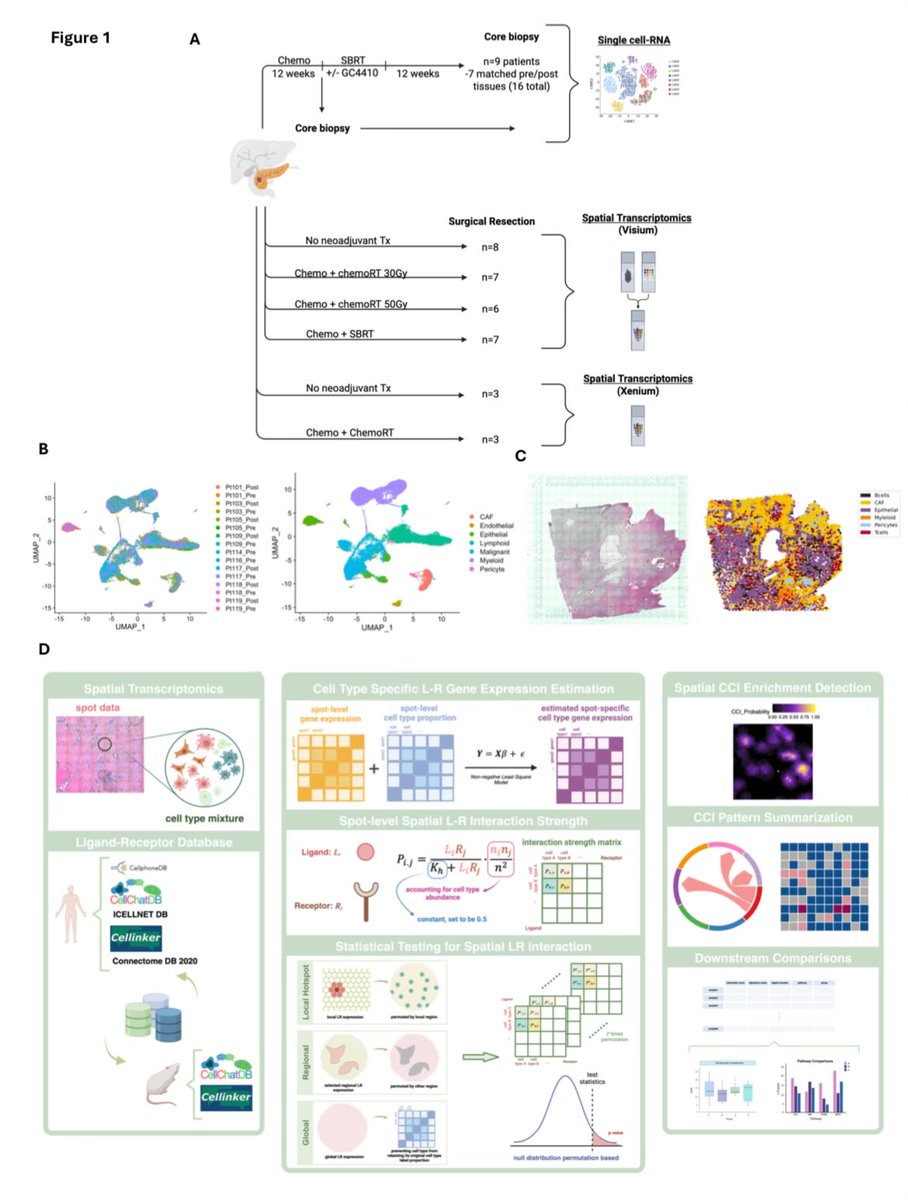
Coming out party / preprint for @Vince_BernPag who starts his faculty position @MDAndersonNews in a week. This study identifies adaptive responses to radiation therapy in pancreatic cancer using single cell & spatial profiling, resulting in persister cell populations post XRT.
Anirban Maitra tweet media
English
2
13
41
7.6K