Muhammad Idrees 리트윗함

@Fried_rice Drafted a detailed list of all Hidden and unreleased features! Hail Opus!!
Claude Code — Hidden & Unreleased Features
cc-hidden-deploy.vercel.app
cc-poster.vercel.app

English
Muhammad Idrees
158 posts

@Idrees535
Blockchain Research Engineer | Robotics, AI & Blockchain



When @karpathy built MenuGen (karpathy.bearblog.dev/vibe-coding-me…), he said: "Vibe coding menugen was exhilarating and fun escapade as a local demo, but a bit of a painful slog as a deployed, real app. Building a modern app is a bit like assembling IKEA future. There are all these services, docs, API keys, configurations, dev/prod deployments, team and security features, rate limits, pricing tiers." We've all run into this issue when building with agents: you have to scurry off to establish accounts, clicking things in the browser as though it's the antediluvian days of 2023, in order to unblock its superintelligent progress. So we decided to build Stripe Projects to help agents instantly provision services from the CLI. For example, simply run: $ stripe projects add posthog/analytics And it'll create a PostHog account, get an API key, and (as needed) set up billing. Projects is launching today as a developer preview. You can register for access (we'll make it available to everyone soon) at projects.dev. We're also rolling out support for many new providers over the coming weeks. (Get in touch if you'd like to make your service available.) projects.dev
LiteLLM HAS BEEN COMPROMISED, DO NOT UPDATE. We just discovered that LiteLLM pypi release 1.82.8. It has been compromised, it contains litellm_init.pth with base64 encoded instructions to send all the credentials it can find to remote server + self-replicate. link below



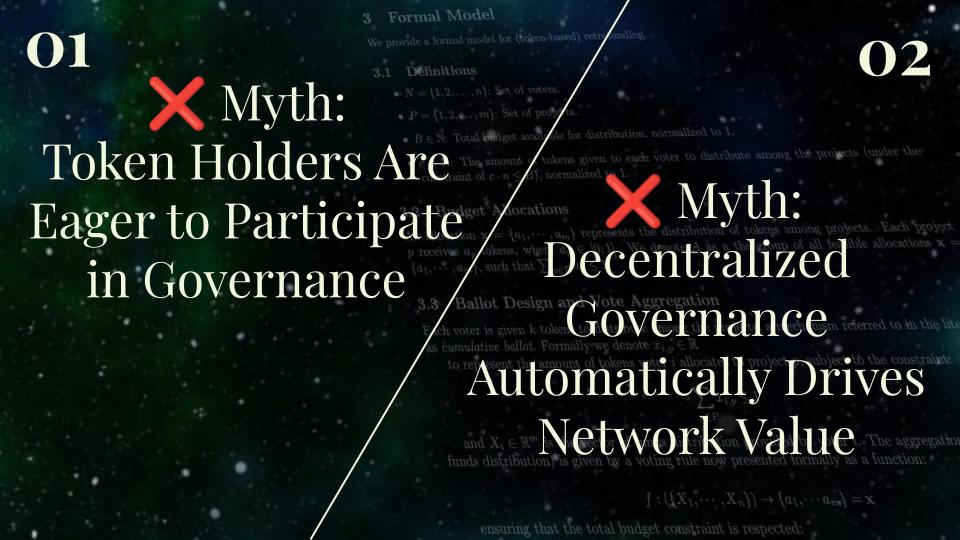
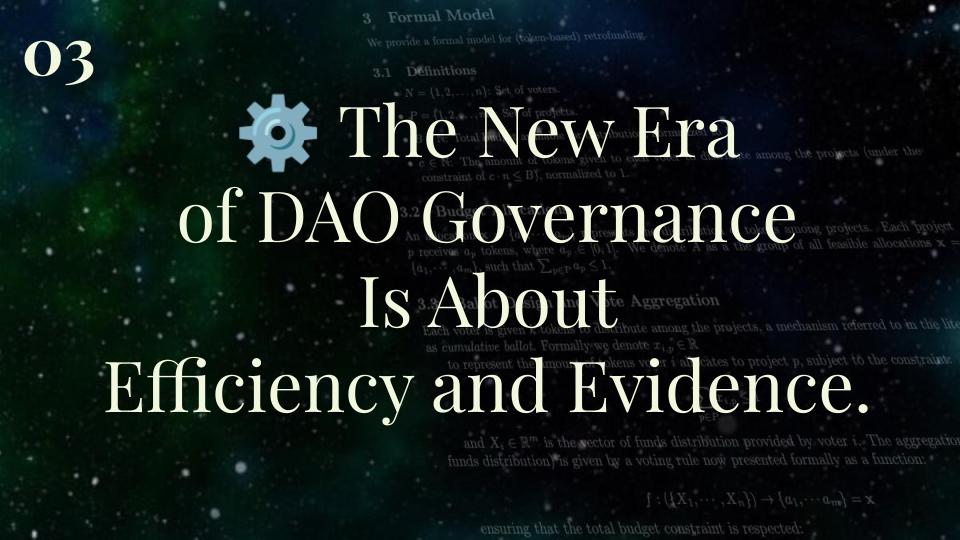
Yesterday was a great day at #EthCC — we explored ecosystem funding and DAO decision-making through four of the most exciting experiments in the space. Big thanks and kudos to @devanshmehta @dwddao @noturhandle @akrtws for sharing their work so openly, offering thoughtful feedback, and showing what’s possible when governance becomes real infrastructure. Key takeaways: 1/ AI Delegates, from DAOs to Democracy AI agents in governance aren’t just a tech fantasy — they’re becoming real tools to amplify collective intelligence. @dwddao showed how digital agents can listen, learn, distill, and represent what a community values — not just automate it. Their system just won a hackathon prize for bhutan.deepgov.org, enhancing Bhutan’s young democracy with decentralized tools. Much more to come, kudos @dwddao! 2/ Metric-Based Voting: Scaling Decisions, Not Opinions Metric-based voting emerged from the crypto world — most notably through @Optimism’s Retro Funding. But we’re only beginning to understand its full potential. Key properties: - Forces clarity around quantifiable criteria — no more vague popularity contests - Decouples values/preferences from performance data — enabling real scale - Enables asynchronous decisions in dynamic ecosystems, without bottlenecks Primer @akrtws mirror.xyz/0x803860D2C333… 3/ CFMs, Skin in the Game for Better Funding Decisions Do voters make better decisions when they have skin in the game? @noturhandle and the team at @butterygg tested this — comparing Butter's Conditional Funding Markets (CFMs) to traditional grant councils. Early results: Projects selected via CFMs produced 5x more growth than council-picked projects 👀 This might be the fix we need for grants. New CFM experiment coming up via @UniswapFND: x.com/UniswapFND/sta… 4/ Deep Funding: @devanshmehta wrapped up with hard-won insights from years of ecosystem funding: from DAO proposals to QF, to trust/value graphs. There’s no one-size-fits-all — but clear best fits at each stage: → Early-stage, broad scouting: QF → Mature projects: value graphs, dependency graphs → Add markets + incentive layers? Huge potential ahead. Follow Devansh: @devanshmehta Finally, big thank you ❤️ for @bbeats1 and team at @Scroll_ZKP and @metagov_project and @EthCC for supporting us in hosting this session!