H2O 🇨🇩 리트윗함

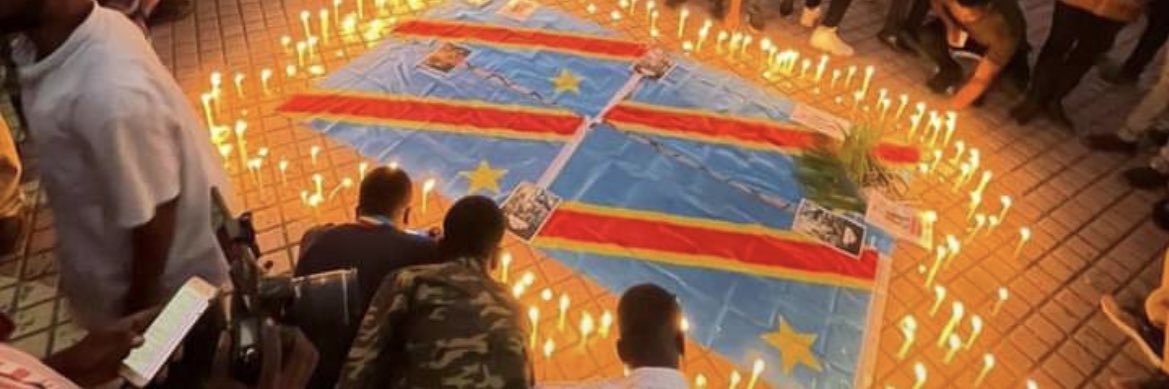
En RDC, au moins 43 civils ont été tués dans un village de l'Ituri, dans le nord-est du pays. L'armée congolaise accuse les jihadistes du mouvement ADF, un groupe à l'origine venu d'Ouganda.
Français
H2O 🇨🇩
4.1K posts









Dear Alex Nigeria is an entity that was ultimately created by the British, who brought together different African nations — often referred to as “tribes,” a colonial term that diminishes the identity and complexity of African peoples and their nations. Rwanda, on the other hand, has always been one nation — founded, built, and developed by Rwandans themselves. Over time, parts of its territory and population were separated during the infamous Berlin Conference of 1884–85, when European powers divided Africa without regard for existing nations and cultures. To clarify a common misunderstanding: it is true that Rwanda became a German protectorate (though never formally a colony). The Germans, unable to comprehend the sophistication of Rwanda’s social and political organization — unlike anything they had seen in the territories they had colonized — began to construct theories about the “origins” of the Rwandan people. In doing so, they promoted what came to be known as the Hamitic hypothesis: the false belief that everything of value in Africa was brought by “Hamites,” allegedly a branch of the so-called Caucasian race. This pseudo-scientific idea laid the groundwork for dangerous misconceptions about Rwandan society. However, it was the Belgians — who took over from the Germans after World War I under a League of Nations mandate (later confirmed by the United Nations) — who institutionalized and enforced these divisions. They introduced identity cards labeling people as Hutu, Tutsi, or Twa, creating artificial distinctions among Rwandans who had always shared one nation and culture. These divisions were exploited and ultimately led to the tragedy of the 1994 Genocide against the Tutsi. Since then, Rwanda has decisively rejected these colonial constructs. Over the past 30 years, Rwandans have focused on rebuilding the fabric of their nation, uniting around a shared identity that transcends those imposed categories. Today, young Rwandans — most of whom were born after 1994 — know only one identity: Rwandan. That is their community, their “tribe,” if one must use that word. The old labels no longer hold meaning. To ask a Rwandan today “which tribe” they belong to is to misunderstand who they are. If you ask a Rwandan today whether they are one of those obsolete denominations, don’t be surprised if they feel offended. They are Rwandans — proud heirs of a nation that existed long before colonial interference, and that has reclaimed its unity and dignity once again.
RDC 🇨🇩 Il n’y a que dans les zones administrées par AFCM23 que l’on voit la gouvernance au profit des populations… Un transfo géant qui va permettre à plus de gens qui vont pouvoir avoir de l’électricité… que Tshisekedi n’a jamais pu faire malgré sa promesse “ d’Allemagne d’Afrique” qui donc n’était qu’une promesse dans le vide