고정된 트윗

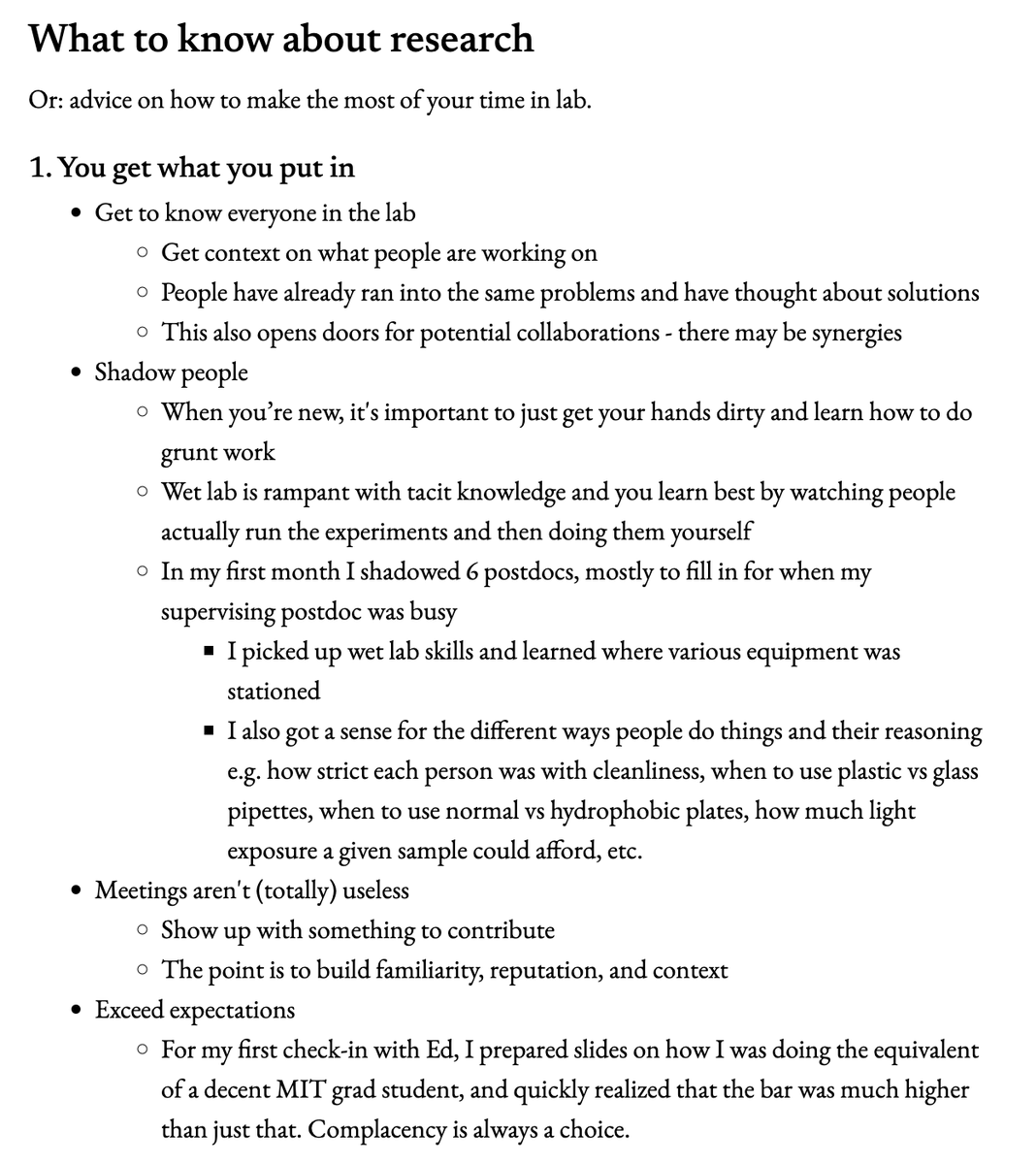
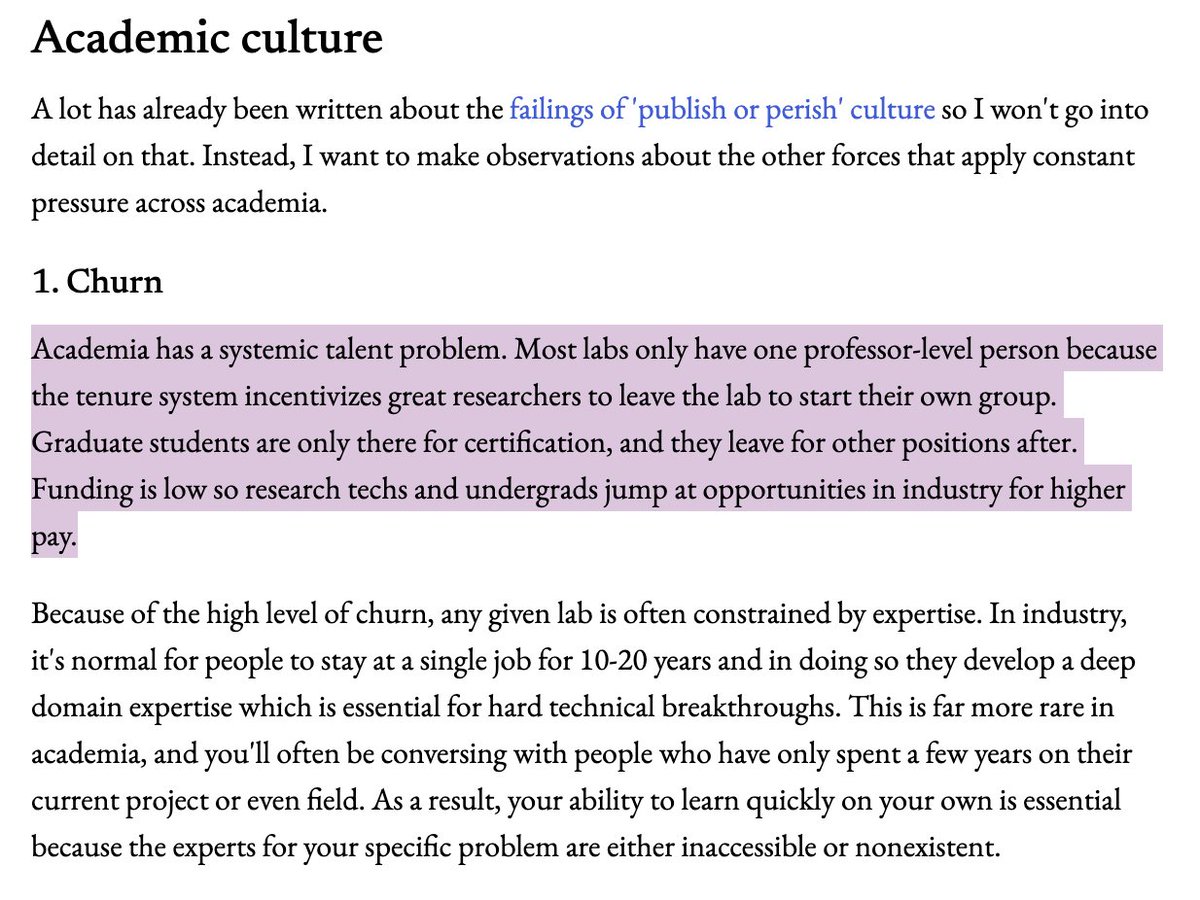
I wrote some observations from my first two months at MIT's best neuroscience lab
1. How to make the most of a research position
2. Notes on academic culture
jameslin.bio/research
English
James Lin
934 posts

@jlinbio
Making films about founders, prev. neuroscience @mit "Those who lack the courage will always find a philosophy to justify it." — Camus.



At some point, we didn't have heating in the office, so Raffi calculated the heat dissipation of the space, converted it to the number of electrical space heaters needed, and founder-moded us 30 space heaters from Home Depot What a pleasure to be in this together with Raffi!

We scanned the blood flow inside the brain using microbubbles+ultrasound. What is really striking to me about the imaging is how interpretable and physical the data feels. You can just see the actual microbubbles flowing through the brain in the ultrasound acquisitions!
We recently obtained the highest-resolution 3D images of the human brain ever taken from outside the skull. This is the first look. Introducing Aleph, a research lab building brain interfaces for the telepathic future. (1/n)

We recently obtained the highest-resolution 3D images of the human brain ever taken from outside the skull. This is the first look. Introducing Aleph, a research lab building brain interfaces for the telepathic future. (1/n)


I should probably learn more and write a post on this, but my first thought is that this isn't too interesting and the degree to which they're overselling it is a red flag. Ultrasound can't look through bone or air. Many of the things in the body you'd use an MRI to look at are past some sort of bone or air. So this is limited to a few use cases - mostly breast, kidneys, liver, some parts of the digestive and reproductive systems, and metabolic things like muscle vs. fat. You can already visualize most of these things with normal ultrasound, and the one case where it's already known to be really important to have some sort of 3D ultrasound (breast) already has a specialized 3D ultrasound system for it. So what this adds is convenience/repeatability/standardizability to visualizing these couple of organs. That means it can go from something you do every so often in the hospital when something is wrong, to something you can do all the time as a "whole body" (quotes because it excludes the brain, lungs, and everything else past bone and air) screening exam. But whole-body screening exams are often bad. The medical community specifically recommends *against* getting whole-body screening MRIs, even though the MRI itself is mostly safe. In a healthy person, false positives so outnumber true positives that this is more likely to send people on wild goose chases that end up getting them unnecessary interventions than detecting something horrible that needs to be treated right away. I think the bull case for this scanner is that if we got massive amounts of really great ultrasound data, we could put it in an ML model and train it to something something something and then advance biology. That's probably why an AI company is doing this. But the point is that they'd have to invent their own use cases as they go along, and the first patients - the people who are getting it before they invent the use cases - will have to be duped into thinking it's cooler than it is and useful right now. That's probably why they're starting by building a spa around it, even though spas are not generally known for being the sort of place that actually-cutting-edge medical innovations with clear uses cases get their start. I am not a radiologist, this is all speculation, other people might know more.









42: Celine Nguyen - Nurturing Your Mind in Public