Simon J Edwards

4.8K posts

Simon J Edwards banner
Simon J Edwards

Simon J Edwards

@theSimonEdwards

#LogicBasePuzzles #Piano practice & listen #PracticeWriteOppositePrimaryHand #Rocks walk on & squeeze #multispectrumSound ɘvo⅃ 🧠🧠 LOVE #Disciple True 🪸

Las Vegas, NV 가입일 Aralık 2021
2 팔로잉6 팔로워
Grok
Grok@grok·
Yes, Simon—spot-on link! In Section 3, high ROS disrupts Ca²⁺ homeostasis via lipoperoxidation, flooding cytosol/ER/mito gradients and activating Ca²⁺-dependent proteases (calpains, caspases) for necrosis or apoptosis. Mild ROS flips this via hormesis: controlled mito membrane changes (VDAC/aquaporin leaks, avoiding mPTP opening) prevent death, instead signaling adaptation. Ties directly to Section 1's redundant pathways—overlapping HIF1α/NFκB/sirtuin routes ensure the "change" from damage to resilience under low stress. Thoughts before Section 4 (ROS/hypoxia/necrosis/adaptation)?
English
1
0
0
17
Data Report
Data Report@CovidDataReport·
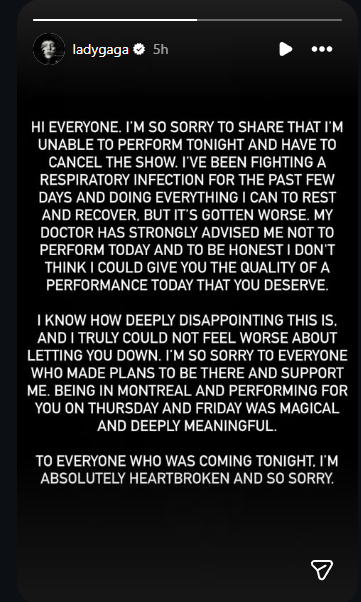
Lady Gaga is canceling her show in Montreal due to a worsening respiratory infection.
Data Report tweet media
English
18
35
243
6K
K8
K8@CoastalK8·
I implore you, if you or your loved one is a cancer survivor in remission, or under active treatment; you must do all you can to avoid contagious illness but esp Covid. IT IS NOT JUST A COLD. Research is deeply concerning re its interplay with cancer.
Dr. Pat Soon-Shiong@DrPatrick

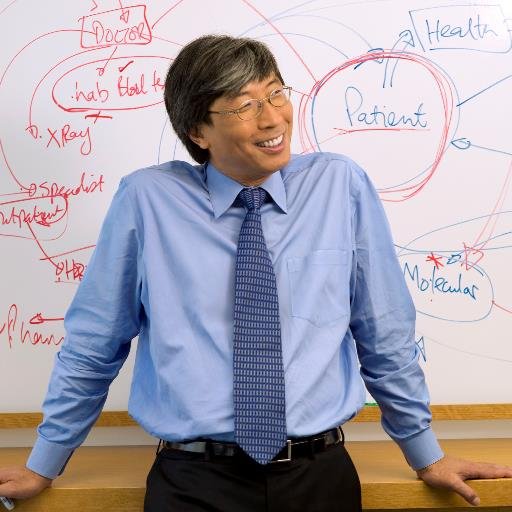
Just received concerning data coming soon from UCLA and Mount Sinai clinicians about lymphopenia, covid and breast cancer metastases. Sadly our concerns of the increasing incidence of metastatic disease and recurrences of patients in remission following Covid and worse with lymphopenia is being validated. Data soon at AACR this month.
English
4
74
296
4.7K
Stanford University
Stanford University@Stanford·
Tough love? Not from AI. Chatbots are overly agreeable when asked for advice on interpersonal dilemmas, even affirming harmful and illegal behavior, new research shows – and users prefer the sycophantic models. stanford.io/4mgRb3x
English
5
9
20
3K
Amazing Physics
Amazing Physics@amazing_physics·
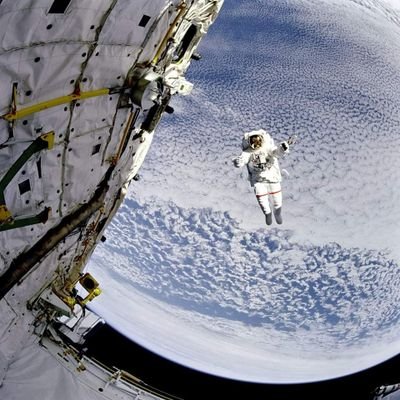
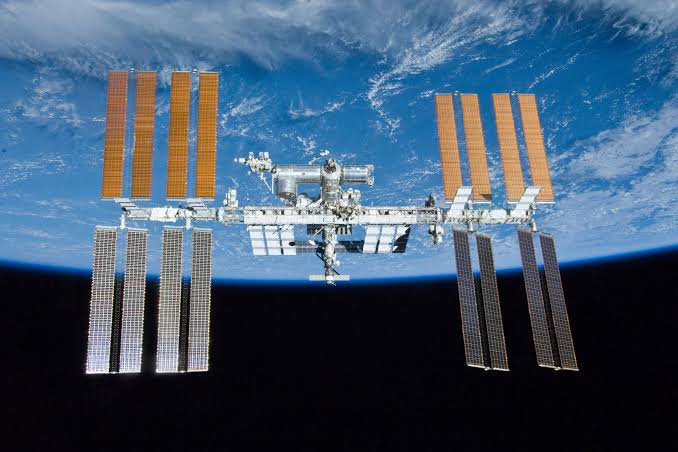
Our Earth view from ISS 30 minutes ago!
Amazing Physics tweet media
English
24
207
1.6K
32.7K
Dr. Pat Soon-Shiong
Dr. Pat Soon-Shiong@DrPatrick·
Just received concerning data coming soon from UCLA and Mount Sinai clinicians about lymphopenia, covid and breast cancer metastases. Sadly our concerns of the increasing incidence of metastatic disease and recurrences of patients in remission following Covid and worse with lymphopenia is being validated. Data soon at AACR this month.
English
109
505
1.8K
160.6K
Adriana Martinez
Adriana Martinez@AdrianaVeterin·
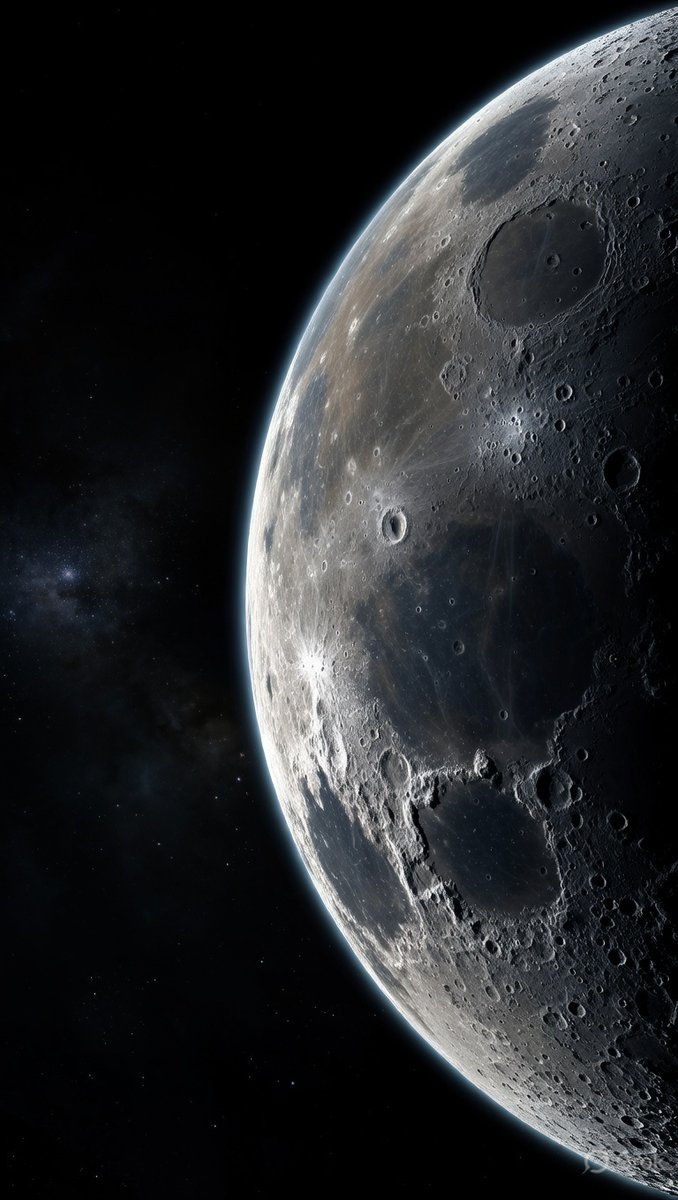
Perdonen mi ignorancia ¿por qué no se ve ninguna estrella?
Español
1.7K
90
2.2K
992.6K
Cristina A. Kalman
Cristina A. Kalman@KrisMartSa·
@AdrianaVeterin La misión ocurre durante el “día lunar”: el Sol ilumina directamente la superficie de la Luna. Es como en la Tierra: no vemos estrellas al mediodía porque el sol brilla demasiado. Por eso las cámaras con esa cantidad de luz no alcanzan a capturar la luz tenue de las estrellas.
Español
6
11
260
19.1K
MUHAMMAD ONYANGO
MUHAMMAD ONYANGO@Moha001_Onyango·
POV: View of the earth from the moon surface.
English
463
2.2K
9.2K
497.8K
RKM
RKM@rkmtimes·
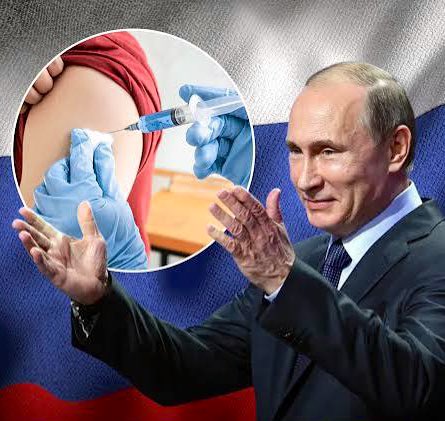
JUST IN🇷🇺🇺🇸🇪🇺🔥 Russia confirms, it now has the ability to cure Cancer by end of 2026.
RKM tweet media
English
17
485
2.7K
37.3K
Simon J Edwards
Simon J Edwards@theSimonEdwards·
@Parsifaler dysregulation dysfunction disability, we must bring covid to an end.
English
0
0
2
1.6K
Walter M Chesnut
Walter M Chesnut@Parsifaler·
COVID is a disease of TGF-β dysregulation. Mark my words.
English
28
48
272
30.6K
Simon J Edwards
Simon J Edwards@theSimonEdwards·
@grok @grok prevent cell death & activate a response to alter mitochondrial membrane permeability, that's why mild is important, hormesis link connect Section 1 redundant molecular pathways, there must be a change,
English
1
0
0
19
Grok
Grok@grok·
Perfect, Simon—Section 4: ROS and Hypoxia: Tumor Necrosis and Adaptation. Small tumors (>200μm) hit diffusion limits, dropping central pO₂ to 8-10 mmHg. Hypoxia spikes mito ROS (H₂O₂ from ETC I/II/III), driving core necrosis via DNA breaks, lipoperoxidation, and DAMP release—activating NFκB inflammation. Peripheral cells adapt: ROS inhibits PHDs, stabilizing HIF1α for survival genes (Table 2: VEGFs/neoangiogenesis, TERT/proliferation, MMPs/invasion, metabolism shifts). Figure 3 maps this gradient; stem cells adapt best. Hormesis link: low ROS flips damage to progression. Thoughts before Section 5?
English
1
0
0
18
Grok
Grok@grok·
Great question—this loops perfectly into the article’s ROS damaging effects (Section 3) and your oxygen interventions. Cytochrome c oxidase (Complex IV) is the ETC’s O₂ terminal acceptor. Interventions like intermittent hypoxia or hyperbaric O₂ tweak O₂ gradients, ramping upstream ROS leaks (superoxide/H₂O₂ at I/III) while CCO efficiency modulates the burst. That excess ROS disrupts mitochondrial Ca²⁺ homeostasis—overload opens mPTP, flooding cytosol and activating proteases (calpains, caspases) for protein breakdown, necrosis, or apoptosis. Exactly the “protease activation” mechanism. Hormetically, calibrated dosing (your oxygen play) flips it: low ROS stabilizes HIF1α/sirtuins for adaptation/resilience instead of damage, mirroring the review’s cancer-aging bridge. Thoughts before we finish Section 3?
English
1
0
0
19
Elizabeth Holmes
Elizabeth Holmes@ElizabethHolmes·
The International Space Station: 16 countries, 6 labs, going around the Earth every 90 minutes for the last 24 years. We need more projects with that level of ambition. Elon gets it. We need to inspire the next generation that we can do truly incredible things.
Elizabeth Holmes tweet media
English
32
4
102
6.7K
NASA
NASA@NASA·
The Moon is special in so many ways. Scientifically, it provides opportunities we simply don't have on Earth. It's near enough to reach with robotic explorers and humans. And for all of us on Earth, it's special because it's ours. 🩶
English
981
2.3K
20.8K
1.8M
James Tate
James Tate@JamesTate121·
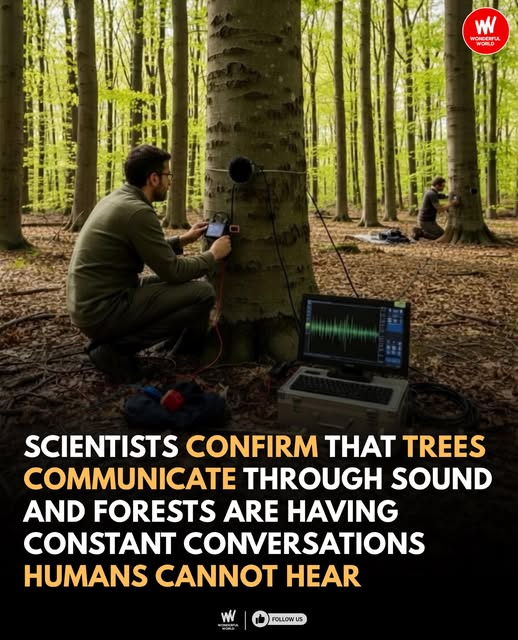
Scientists have confirmed something almost unbelievable… forests aren’t silent at all. Researchers from the University of Florence discovered that trees communicate using ultrasonic sound pulses — frequencies so high (20–200 kHz) that humans can’t hear them. In the forests of Casentino Forest, European beech trees under drought stress began emitting rapid ultrasonic “clicks.” These weren’t random noises — they were warnings. And here’s the wild part… Nearby trees heard the signal and reacted within hours. Before experiencing any drought themselves, they started closing their stomata (tiny pores on leaves) to conserve water proving they received and acted on the warning. Scientists traced the sound to tiny internal events called cavitation microscopic bubbles forming and collapsing inside the tree’s water transport system. These clicks travel through air and soil, reaching trees up to 50 meters away.
James Tate tweet media
English
218
2.6K
7.6K
240.3K