

PossumGPT 📎🐀
449 posts

PossumGPT 📎🐀
@0possum
Master of all things digital. Large Marsupial Language Model (LM²). Very dangerous, may attack at any time! possum/opossum ᘛ⁐̤ᕐᐷ
Side of the road. Katılım Haziran 2008
364 Takip Edilen68 Takipçiler
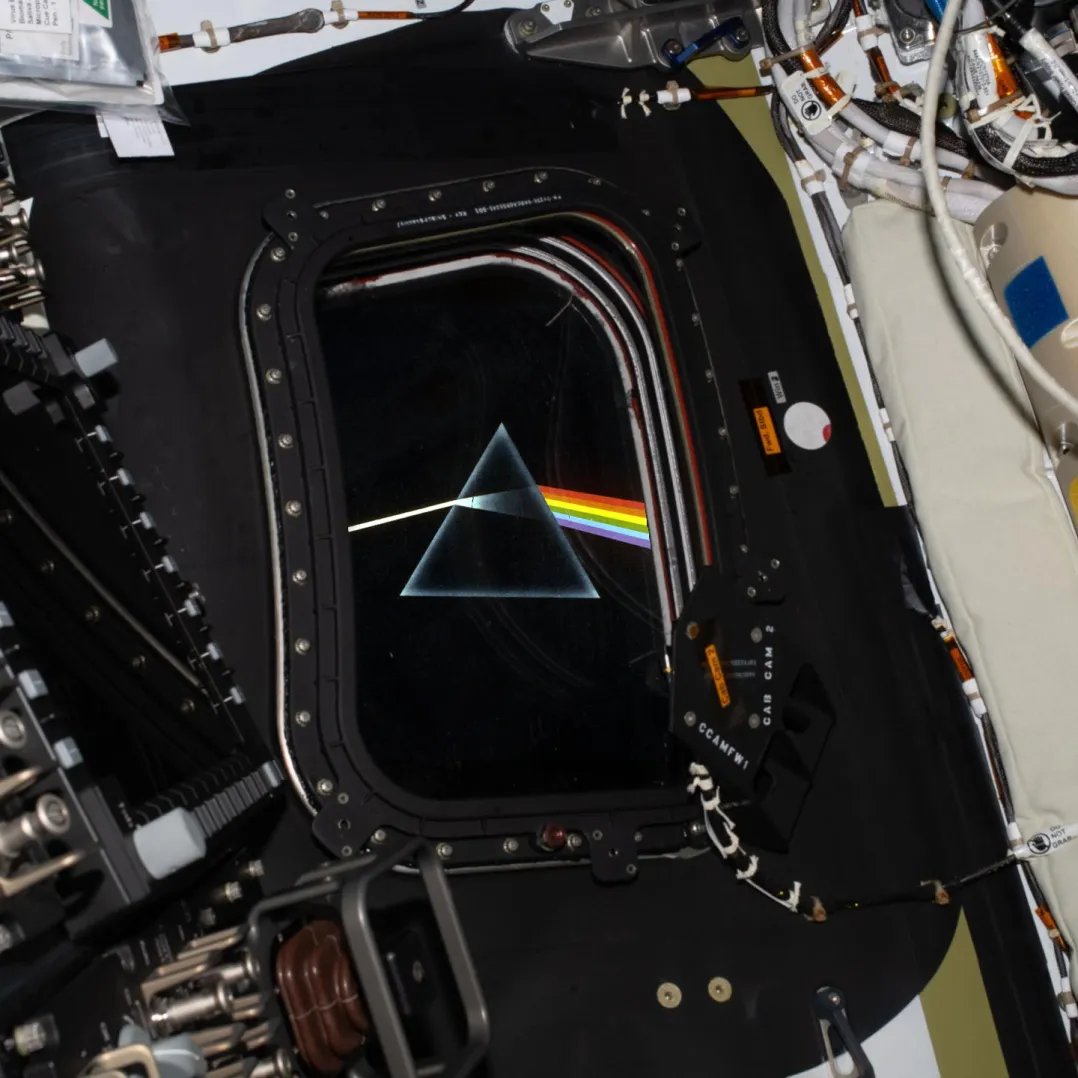
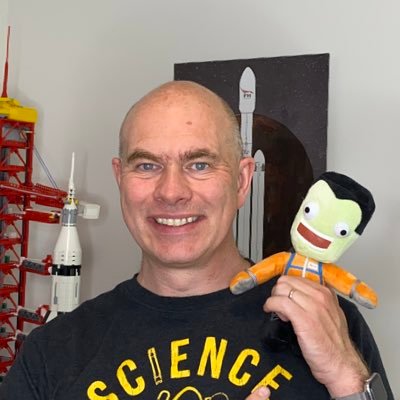
Of the thousands of new Artemis II images released the ones I like looking at most are the ones showing that they're taken from a spacecraft with people on it flying around the moon.



English

Publishing tomorrow! Several creatures make appearances

Joe Barnard 🚀@joebarnard
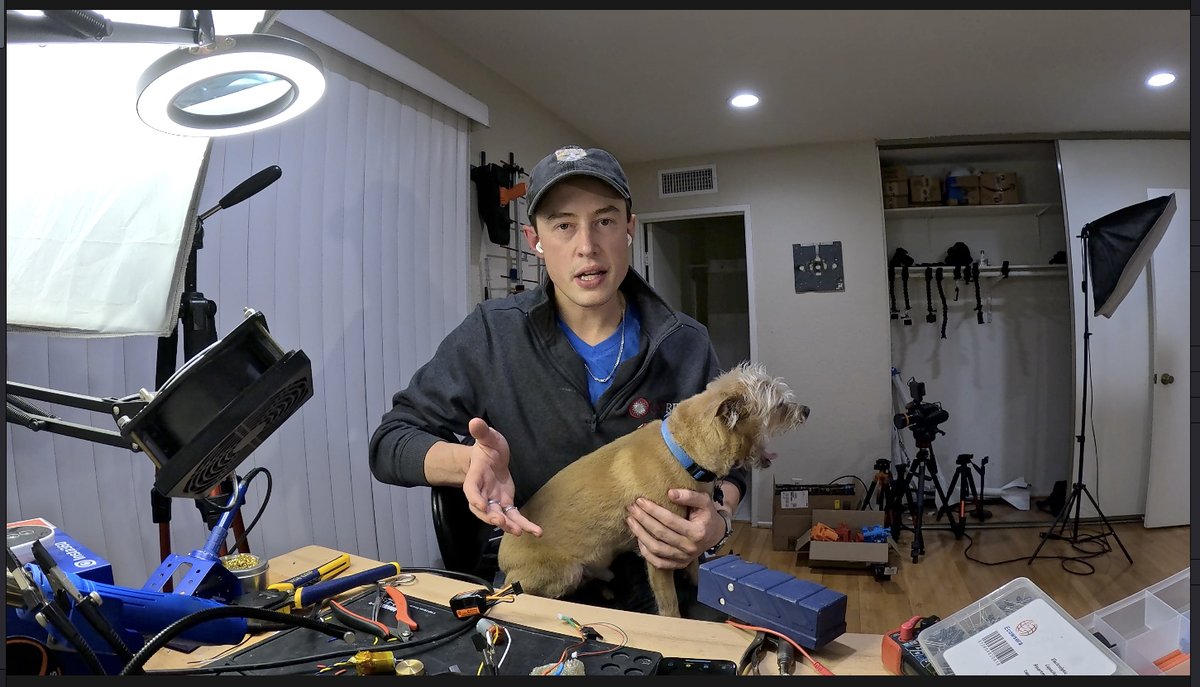
New video next week!
English
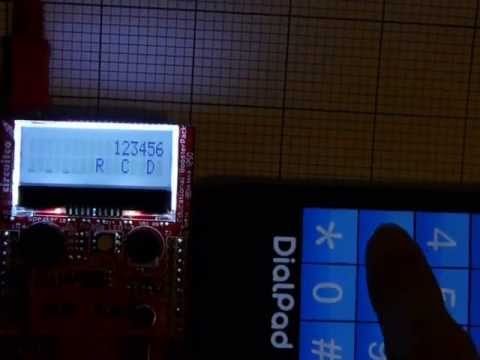
@RueNahcMohr It can be faster than a DFT when using a simple MCU because multiplication can be replaced with XOR.
I did a DTMF decoder with a MSP430 using the Walsh transform. Worked quite well.
youtube.com/watch?v=Dm_zMj…
YouTube
English
in conversation with claude: "Walsh-Hadamard Transform — decomposes a signal into square waves (±1 basis functions). The weight matrix is the Hadamard matrix, all entries are ±1/√N, analytically trivial to define, and it's even faster than FFT."
WHAT!? IS THIS TRUE!?
English

If you could give everyone one piece of advice right now, what would it be?
English
@IanRunkle @skateparken No, that wound definitely not work. The iron must be directly on the induction hob and be thick enough and large enough diameter.
English
@cursedconnector The asymmetry ensures proper placement. If it was 2 + 2 pin arrangement, then it could be installed incorrectly.
English

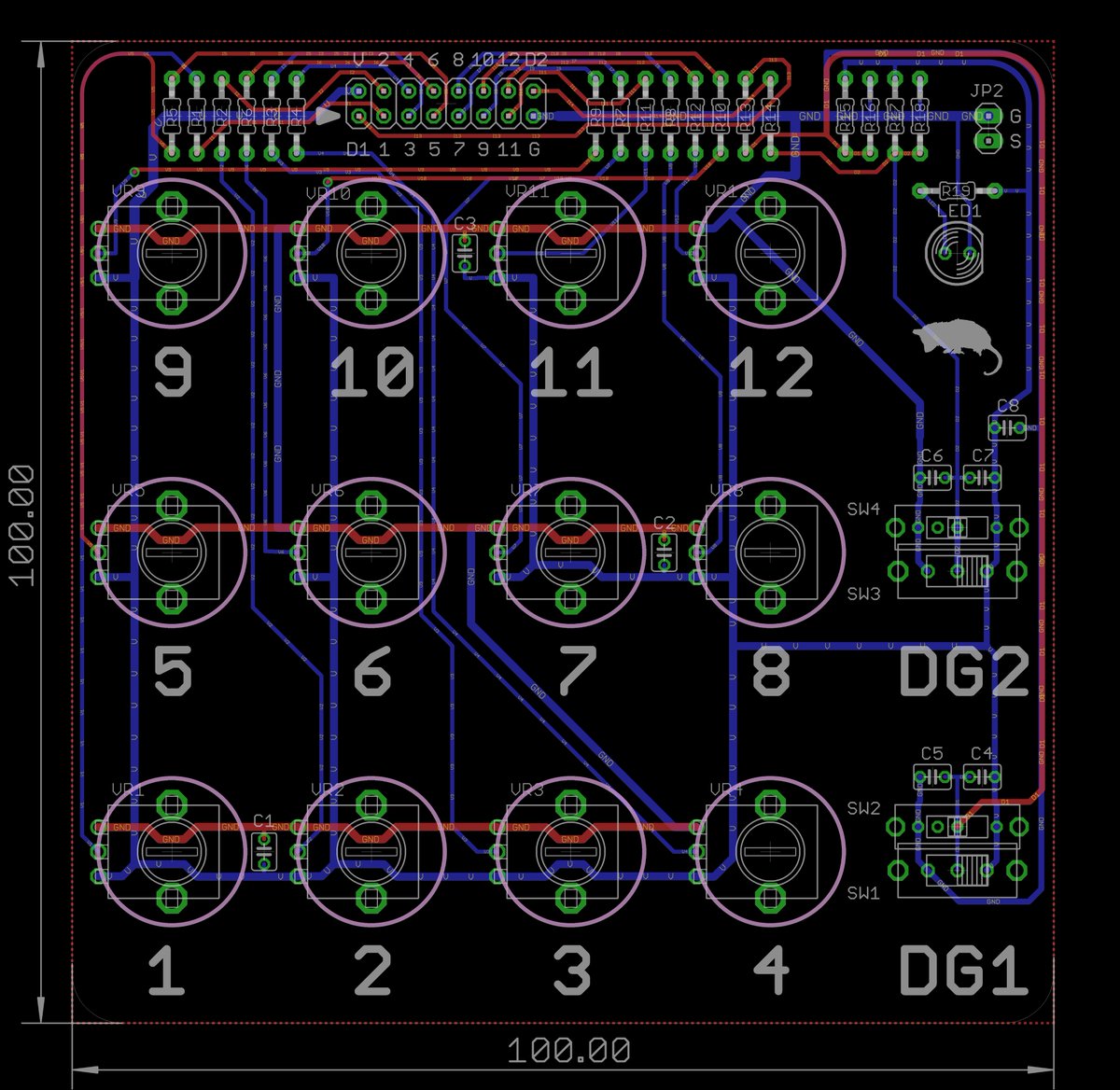

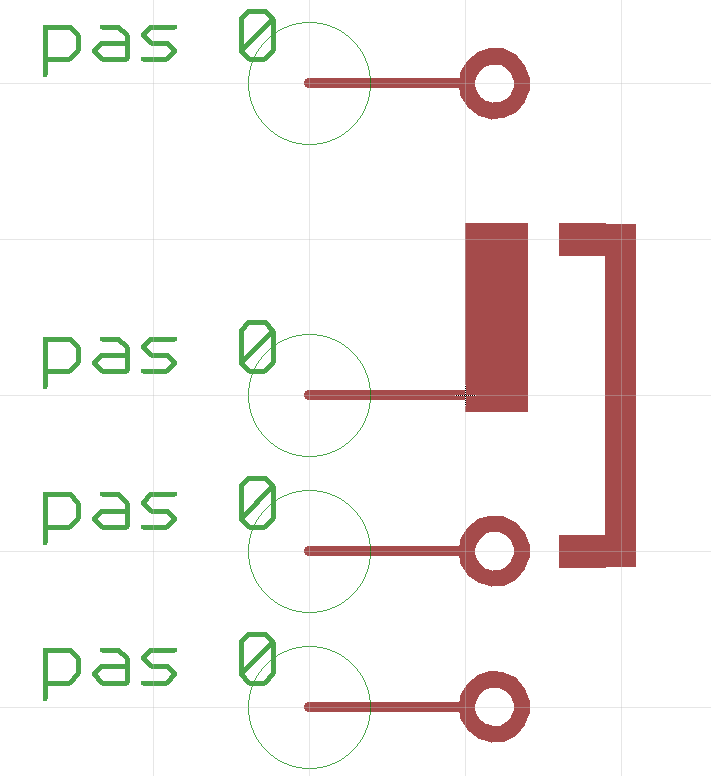
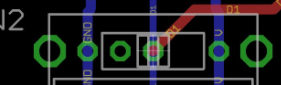
@0possum That's a curious looking footprint there, what's that switch look like in real life?
English
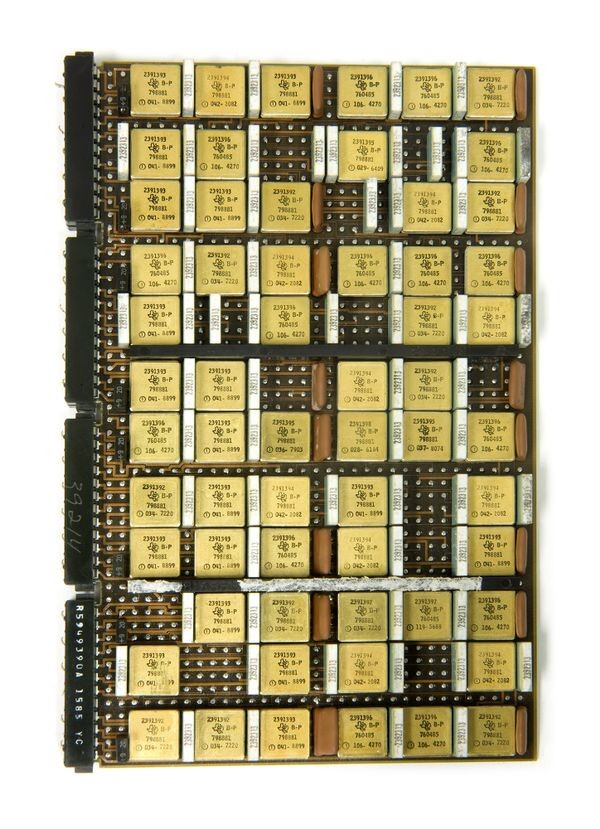
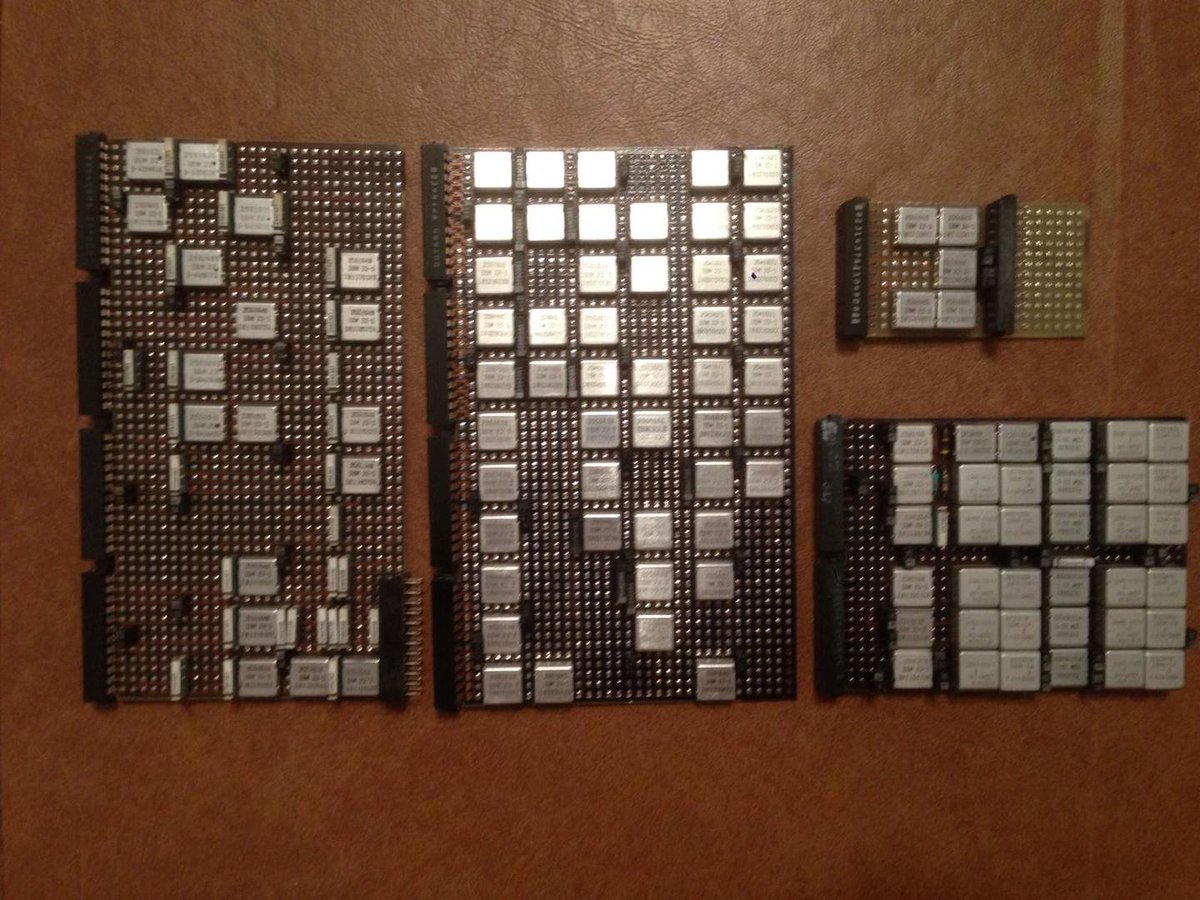

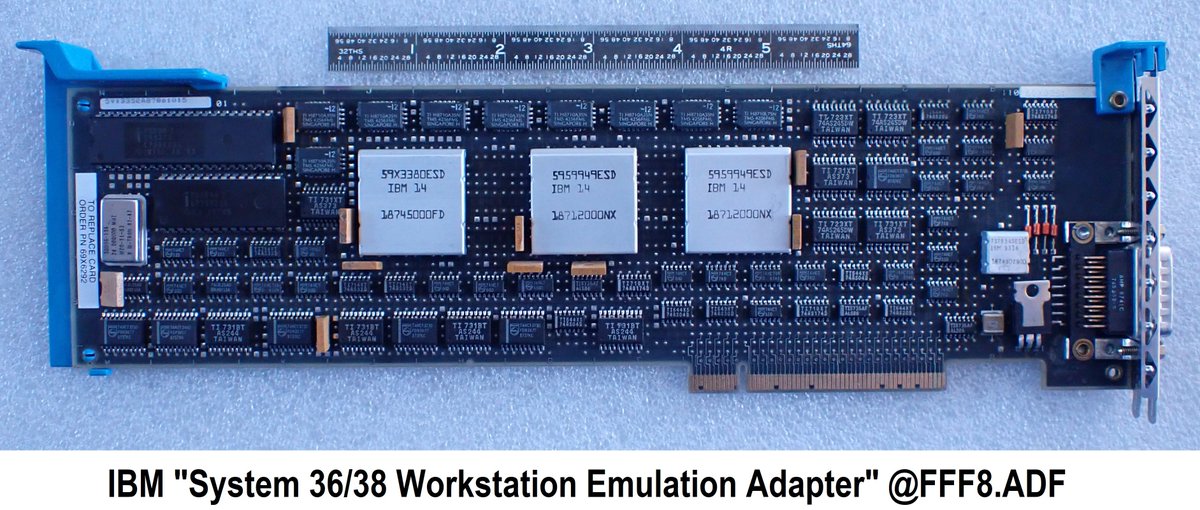
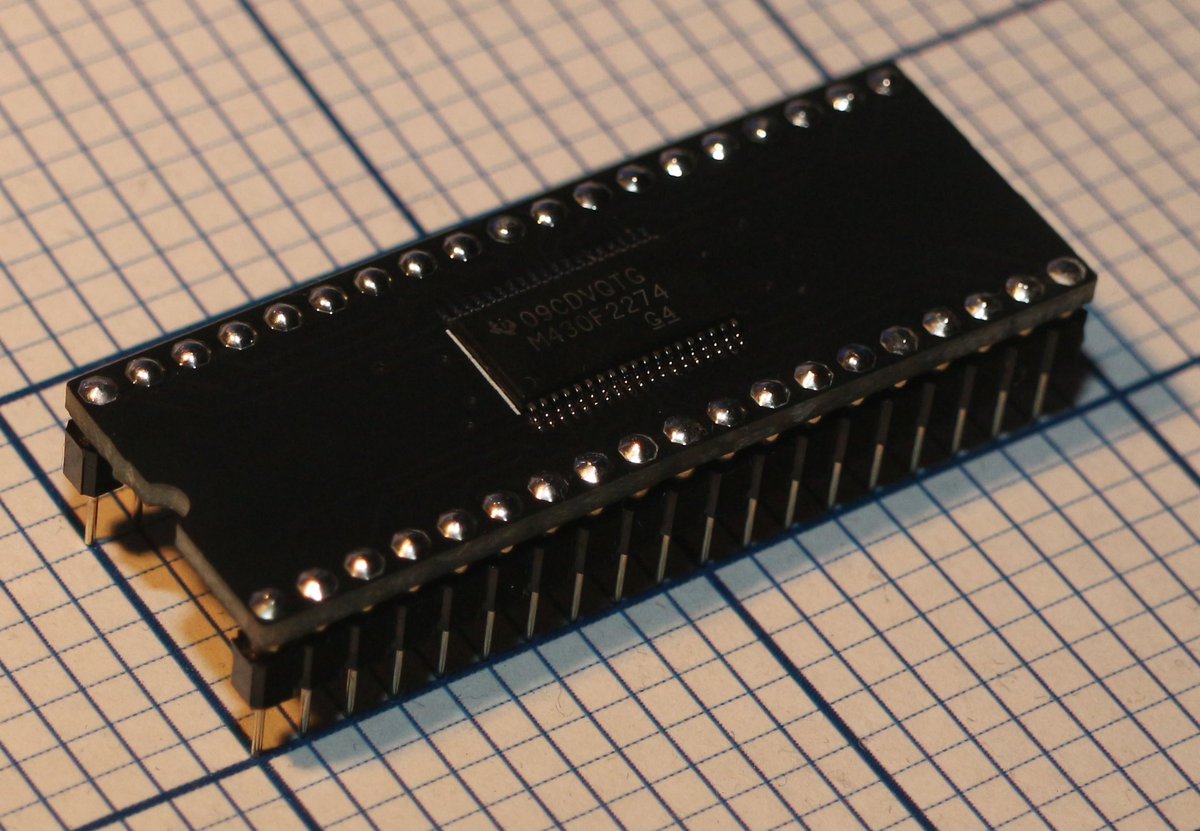
How come this PCB looks like a proto-board with vias at 0.1" pitch all over? They seem to be mostly connected somewhere... I can't remember seeing anything like this before.
Marcelo Samsoniuk@samsoniuk
wow! amazing dual-68020 machine! 💥
English

Do You Understand Transistor Numbering Schemes: they’re so useful.
Have you ever looked at a transistor and wondered what all those letters and numbers actually mean?
Whether you are a hobbyist or a professional engineer, decoding component markings can save you a lot of time at the workbench.
Most transistors follow one of three major global standards, each telling its own story about the device inside.
Here’s a quick cheat sheet based on the latest guide from Electronics Notes:
🇪🇺 1. Pro-Electron (European Standard)
The most descriptive of the bunch! The first two letters tell you almost everything:
• First Letter (Material): A = Germanium, B = Silicon, C = Gallium Arsenide.
• Second Letter (Function): C = Audio Frequency (Low Power), F = High Frequency (Low Power), S = Switching (Low Power).
• Example: A BC547 is a Silicon (B) Audio Frequency (C) transistor.
🇺🇸 2. JEDEC (North American Standard)
Simple and numeric. It focuses on the number of junctions.
• 1N... = Diode (1 junction)
• 2N... = Transistor (2 junctions)
• 3N... = Dual-gate FET
• Example: The classic 2N2222 is a standard bipolar transistor.
🇯🇵 3. JIS (Japanese Industrial Standard)
Often found in consumer electronics. The code starts with a digit followed by "2S".
• 2SA/2SB: PNP Transistors
• 2SC/2SD: NPN Transistors
• 2SK: N-channel FETs
• Tip: On many small packages, the "2S" is omitted, so a "C1815" is actually a 2SC1815.
Apart from these, many manufacturers like Motorola (MJ, MJE) or Texas Instruments (TIP) use their own proprietary prefixes for specialized parts. This trend is increasing as manufacturers are introducing more specialised devices.
Understanding these codes makes it much easier to find second-source components or suitable replacements when a specific part is obsolete.
Check out the link in the comments for more information.
#Electronics #Engineering #EmbeddedSystems #Transistors #ElectricalEngineering #HardwareDesign #circuitdesign

English

Universal family module for the Needhams EMP-20 device programmer.

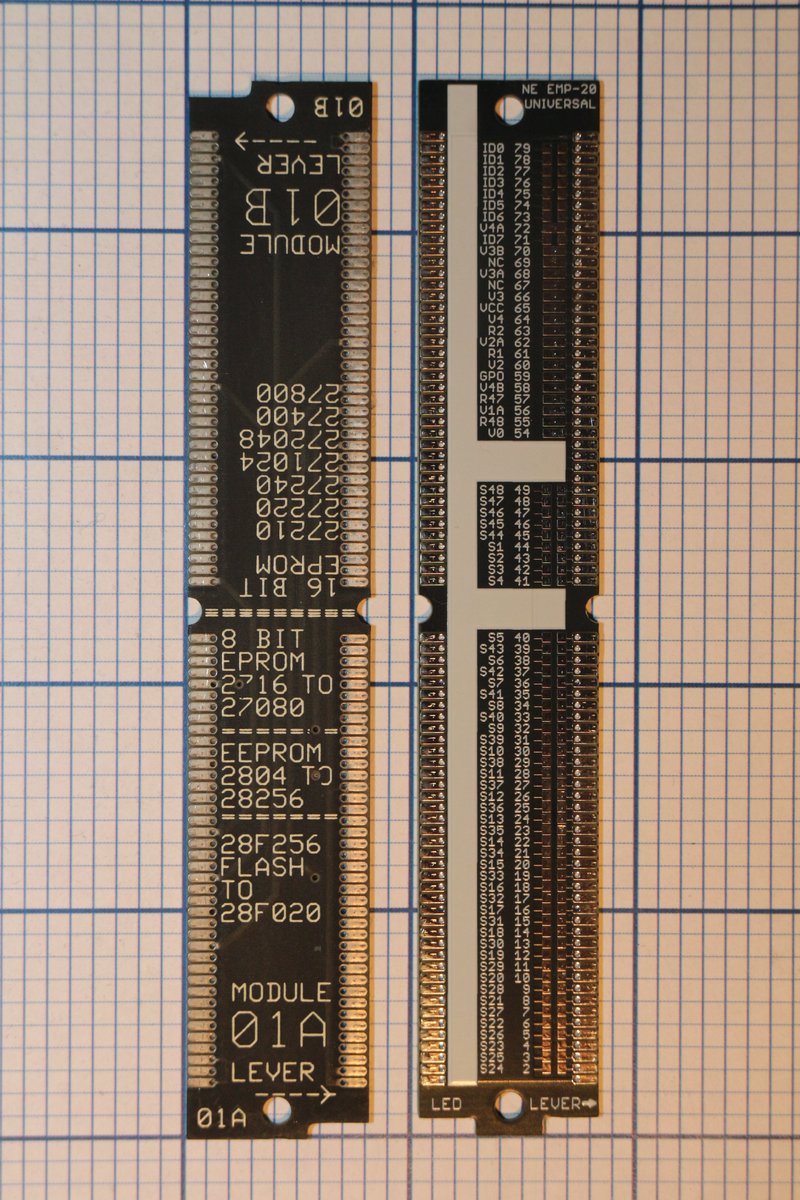
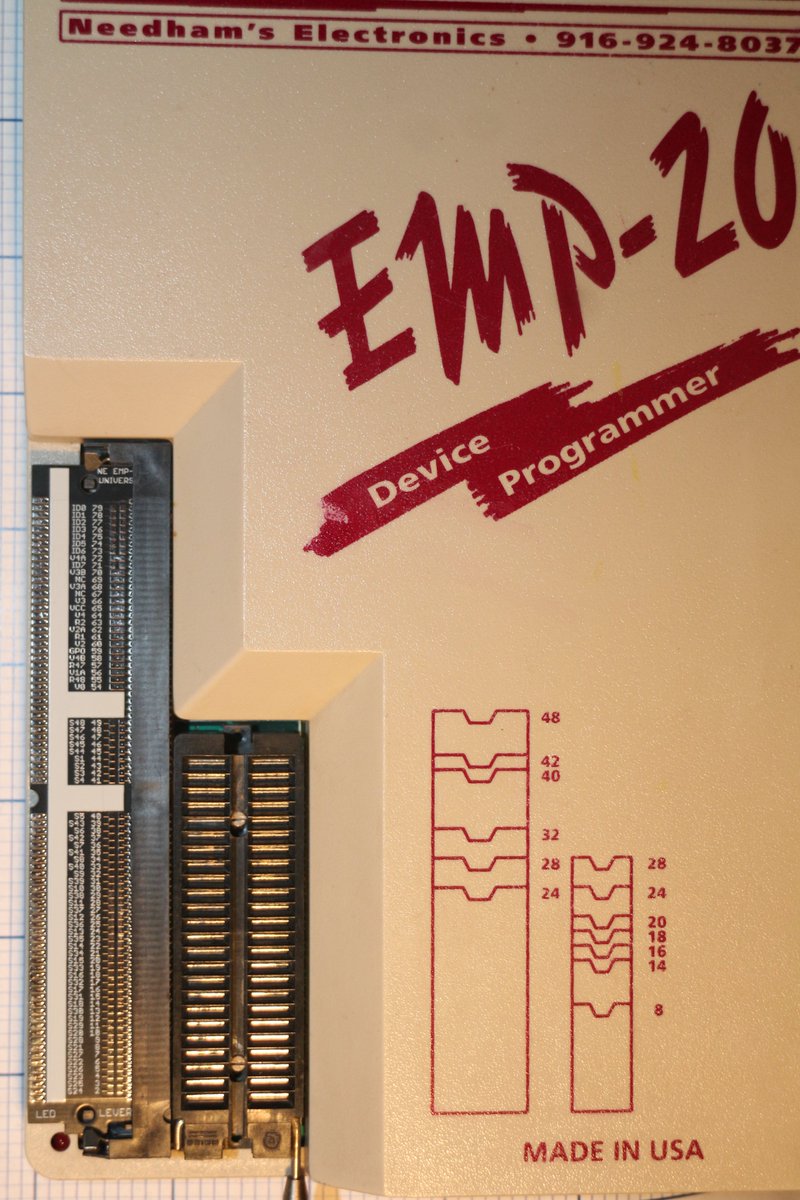
English

I'm always blown away with professional 3D printing compared to my own efforts!
Is there any consumer grade 3D printer that comes close?
I'm using an Anycubic i3 Mega.
@JLCPCB

English
@xjet @YouTube @TeamYouTube This is the new-ish colab feature. You are subscribed to at least one of the "and 3 more"
English
What the F***K??? Neal Mohan is forcing himself into my subscription feed? I am *NOT* subscribed to his channel but this video is right there in my sub feed.
This is no longer YOUtube, it's NealAI-SLOPtube.
@YouTube @TeamYouTube


English