

@DanCollins2011 So was the pilot a male or female, cause according to pentagon and US government he (the pilot) was rescued. And Trump himself said "we got him?"
English
2nd in Four
897 posts



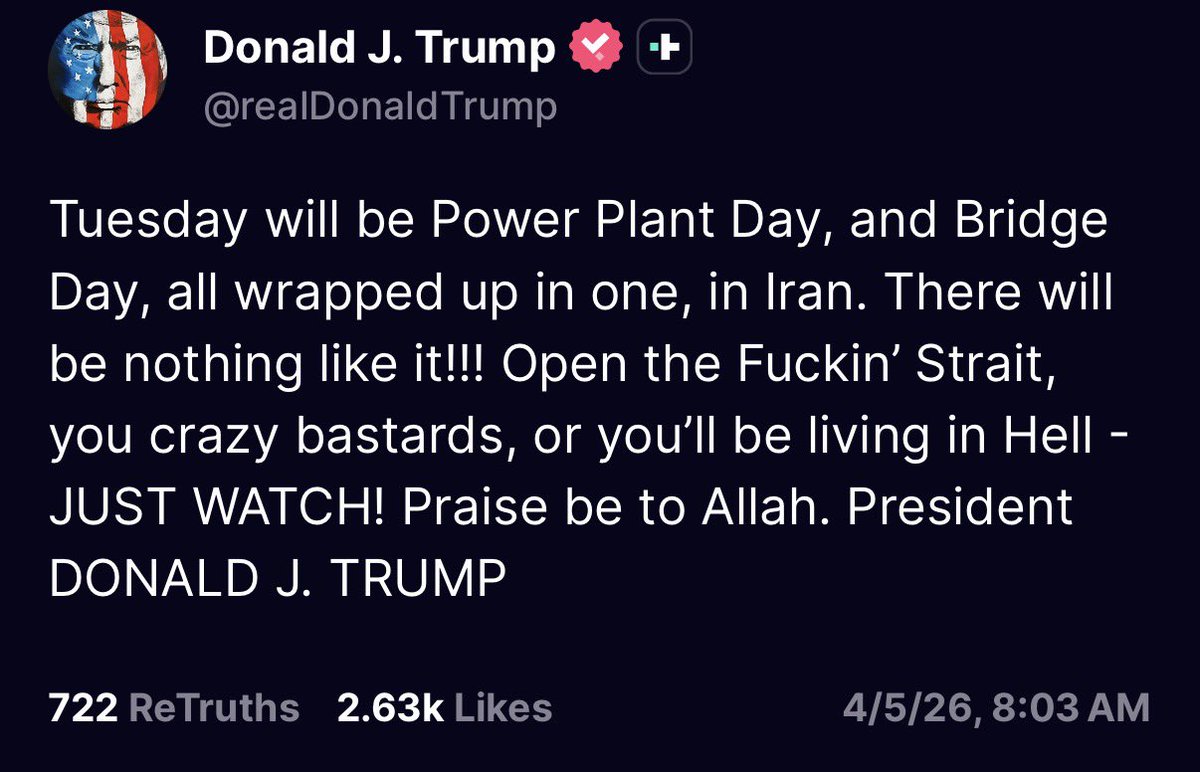




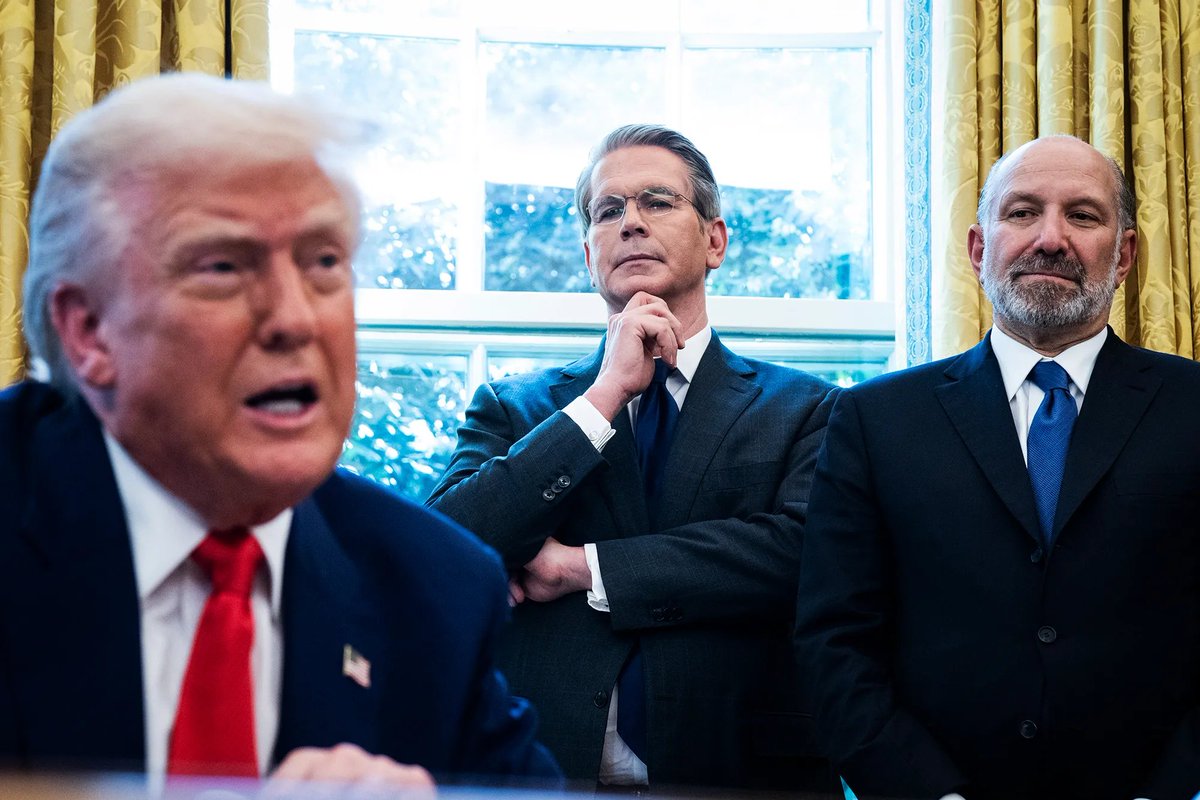
🚨🇺🇸🇮🇷 Tomorrow is the deadline. Here are the scenarios... Trump said Tuesday is "Power Plant Day and Bridge Day." Iran said no deal. Something has to give. Here's what could actually happen: Scenario 1: Iran blinks. Tehran accepts some version of a ceasefire, perhaps reopening Hormuz partially or allowing monitored shipping. Trump declares victory. The most optimistic outcome but the least likely given U.S. intelligence says Iran believes it has the upper hand and doesn't trust Washington at all. Scenario 2: Trump finds a reason to delay again. He's already pushed this deadline multiple times. Iran offers a small concession, maybe more Pakistani tankers through Hormuz, and Trump takes it as a sign of progress. Both sides may even quietly agree on this. It buys time without either side losing face. Scenario 3: Trump declares victory and walks away. He already told aides he'd leave with Hormuz closed. He could frame the military damage as mission accomplished, claim the new regime is "more reasonable," and punt Hormuz to an international coalition. Iran keeps the Strait. Trump keeps the narrative. The world cleans up the mess. Scenario 4: Trump goes all in. He's threatened this repeatedly and delayed every time. But the rescue mission may have emboldened him. Former aides say his confidence in his own judgment has grown. If he strikes power plants, 85 million Iranians lose electricity. Iran's response would likely be the most devastating of the entire war: desalination plants, Bab el-Mandeb, every bridge on their published target list. A retired CENTCOM commander thinks pressure will eventually work. U.S. and allied intelligence say the opposite: the new Supreme Leader is harder line than his father, and the IRGC is gaining authority, not losing it. Over a month in, Trump is still asking the same question he asked on day one. Why haven't they just given in? Tomorrow we find out what happens when that question still has no answer. Source: NYT, WSJ


🇨🇳🇰🇷Every country hosting large numbers of Chinese students should remember the 2008 Seoul incident. In April 2008, during the Beijing Olympic torch relay in Seoul, the CCP mobilized around 6,500 Chinese nationals, mostly students, who violently attacked about 180 Tibetan human rights activists. Hundreds chased several activists into the Seoul Plaza Hotel lobby and brutally assaulted them. An ordinary Korean man was beaten for over 30 minutes simply for holding a leaflet. The mob also attacked Koreans with metal poles, struck riot police, and assaulted foreigners wearing “Free Tibet” T-shirts. This event showed how quickly China can mobilize its citizens abroad to intimidate or attack on command. It shocked Koreans and planted the seeds of anti-China sentiment. Eighteen years later, the number of Chinese nationals in South Korea has quadrupled. The CCP’s political and economic penetration may now be beyond control, and our fight against it may already be too late. Nations must approach Chinese students and immigrants with far greater caution.



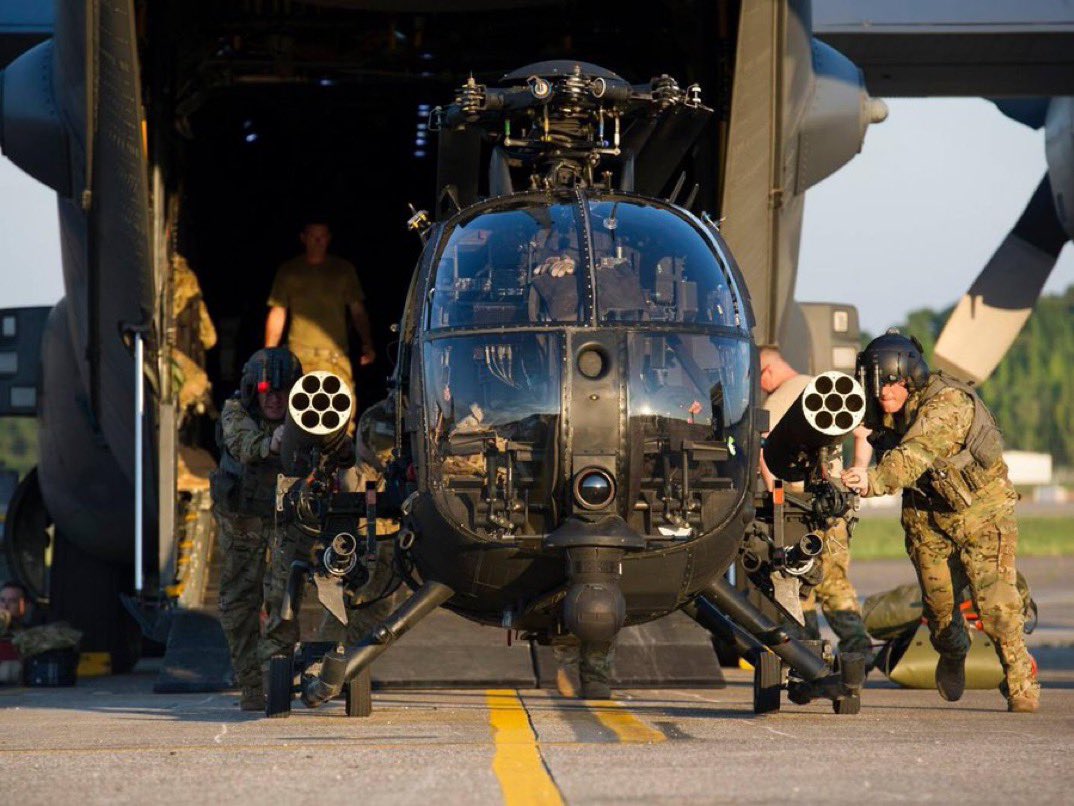



Lose all this to rescue 1 pilot and call it your greatest military success of all time.
China lifted 800 million people out of poverty not through communism but by creating Special Economic Zones where capitalism was allowed to function. Shenzhen went from a fishing village to a megacity because the government said "in this specific area, you can build freely.” That should tell you something about what works and what doesn't. Even the world's largest communist country had to let capitalism in through the back door to feed its people.
