49度投资

1.3K posts

49度投资

49度投资

@49thparallel

Earth Katılım Haziran 2018
111 Takip Edilen341 Takipçiler
49度投资 retweetledi
Jaynit
Jaynit@jaynitx·
Elon Musk reveals the brutal math behind why a single hour of his time is worth $100 million "Tesla this year will do over $100 billion in revenue, so that's $2 billion a week. If I make slightly better decisions I can affect the outcome by a billion dollars. The marginal value of a better decision can easily be in the course of an hour $100 million" "You have to look at it on a percentage basis. If you look at it in absolute terms, I would never get any sleep. I'd just keep working and work my brain hotter, trying to get as much as possible out of this meat computer"
English
685
1.3K
17.3K
3.1M
49度投资 retweetledi
Reads with Ravi
Reads with Ravi@readswithravi·
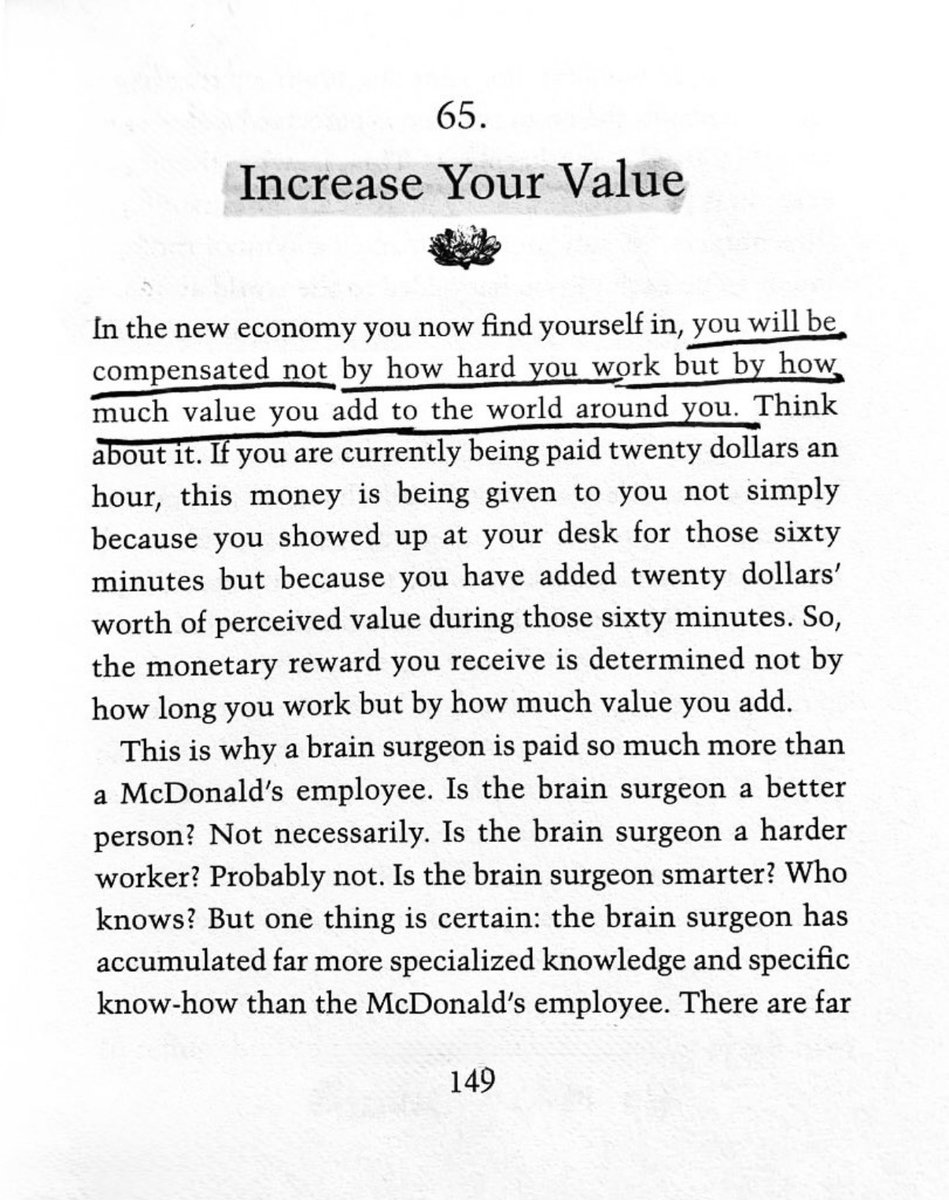
Increase Your Value:
Reads with Ravi tweet media
English
20
419
2.5K
61K
49度投资 retweetledi
駿HaYaO
駿HaYaO@QQ_Timmy·
台積電新竹技術論壇 1. AI全面導入製造,2奈米領先優勢明顯 - AI已深度導入生產排程、生成式AI優化、跨廠區(南科+中科)協作,大幅提升機台利用率與產能彈性。 - 2奈米(N2)正式量產,採用新一代Nanosheet架構。 ‧第一年產出比N3快45%,2026-2028年產能累計成長上看70%。 ‧缺陷密度提前兩季達標,良率學習曲線優於3奈米,顯示台積電先進製程成熟度領先。 2. 全球擴產進入高速期 - 2025-2026年平均每年新增9座新廠(過去2017-2024年僅4座/年)。 - 美國亞利桑那:已量產N4/N5,第2廠2027年量產N3,第3廠已動工,第4廠(P4)+先進封裝廠(AP1)啟動。 - 日本熊本:第1廠量產22/28nm,第2廠2025動工,未來導入N3。 - 德國德勒斯登:聚焦12-28nm車用/工業。 - 台灣:12座晶圓廠+先進封裝廠同步興建(新竹20廠、高雄22廠、台中25廠),全力支援N2及更先進製程。 3. 先進封裝大躍進,AI晶片進入超大封裝時代 - CoWoS良率已達98%,目前最大5.5倍光罩尺寸已量產。 ‧2028年 → 14倍光罩(20顆HBM) ‧2029年 → 超過14倍(24顆HBM) - SoW(System on Wafer):未來可整合64顆HBM + 16個CoWoS,尺寸超過40倍光罩。 - SoIC 3D堆疊: ‧互連密度較2015年提升56倍、效能提升5倍。 ‧2025年量產6μm版本,2028年N2世代支援6μm,A14世代推進至4.5μm。 4. AI三層蛋糕成形,COUPE與矽光子成關鍵字 - AI晶片未來由三大核心構成: 1) Compute(運算) 2) 3D Integration(異質整合) 3) Photonics(光子/光學互連) - COUPE(Compact Universal Optical Photonic Engine):先進封裝與光子深度整合,將成為數據中心高速傳輸核心。 - AI從訓練走向推論(Inference)時代,Token Economics帶動HBM與3D IC需求。 - 下一波成長動能:智慧眼鏡(最具潛力邊緣AI裝置)與人形機器人(新前沿)。 5. AI超級電腦功耗暴增200倍,數據中心走向全光化 - 單一AI Rack ASIC數量將從8顆暴增至500+顆,功耗提升200倍(單機櫃從5kW → 接近1.6MW)。 - 供電從12V/48V轉向800V HVDC。 - 銅線互連逼近極限,未來將大量導入光互連,走向All Optical(全光化)架構。 - 矽光子(SiPh)+ SoW可打造10TB以上頻寬超級交換器,大幅降低功耗與散熱。 6. AI需求全面爆發 - 2025年亞太客戶共使用超過210萬片12吋晶圓(垂直堆疊高度超過台北101)。 - 全年協助客戶完成約2,000項產品量產,平均每天超過1項新產品量產。 mp.weixin.qq.com/s/p-s5KxArEBeq…
中文
0
28
179
12.4K
49度投资 retweetledi
49度投资 retweetledi
peicaili
peicaili@pcfli·
在长时间尺度上,"高回报率"是一个不切实际的设定,真正能复利的力量来自"低损耗 + 长持续"。
中文
1
2
10
1.3K
49度投资 retweetledi
Sandeep Anand
Sandeep Anand@SanCompounding·
$LITE to enter Nasdaq 100” $AAOI up 15% Optics space is just skyrocketing 🚀
Sandeep Anand tweet media
English
5
52
259
19.2K
49度投资
49度投资@49thparallel·
美光科技接下来的利润表,算了一下,接下来12个月超过120b,即使10x,也应该是 1.2T market cap, 15x对应1.8T,这个让我想起来#nvda,当年也是股价不断上涨,但是由于净收入不断上涨,所以整体来看,估值并不高,美光科技有可能重演当年nvda的戏码. #MU
LEAPTRADER@LEAPTRADER_

They say memory is cyclical… but $MU operating profits look like this. From $1.77B in Feb ’25 → projected $35.8B by May ’27(E). +1,917% total growth. 
279.6% CAGR. The AI-driven HBM/DRAM supercycle is changing everything. Micron is printing money on a scale we’ve never seen.

中文
0
0
0
123
49度投资
49度投资@49thparallel·
人们去饭馆吃饭是因为想跟陌生人hangout
Dustin@r0ck3t23

Elon Musk just told a story that should terrify every AI company on Earth. His son Saxon is autistic. Saxon couldn’t understand why the family went to restaurants. You can get the same food delivered. You can call your friends over. You can eat better at home for half the price. So why go? Musk: “He had an epiphany and said, ‘Oh, the reason people go to restaurants is to hang out with strangers.’” A kid who takes the world literally just decoded something the rest of us never thought to question. We like being around people we’ll never know. Look at what we already built. Delivery apps so you never wait in line. Remote work so you never share an office. Self-checkout so you never talk to a cashier. Every innovation of the last 20 years was a bet against human proximity. Every one paid off. Until it didn’t. Loneliness is now a public health emergency. Depression has doubled since the smartphone. The average American has fewer close friends than any generation in history. We didn’t remove friction. We removed the thing friction was hiding. Now look at what’s coming. AI agents that handle your emails. AI companions that replace your conversations. AI assistants that make every human interaction optional. Same playbook. Same bet. Except this time we’re not engineering out strangers. We’re engineering out humans entirely. The coffee shop where nobody knows your name. The subway where no one speaks. The restaurant where you’ll never see that couple again. Those aren’t failed connections. They’re the background radiation of belonging. We don’t just need people who know us. We need to exist in rooms full of people who don’t. That’s what a kid understood at a dinner table that billion-dollar companies still can’t grasp in a boardroom. We spent 20 years building a world you never have to show up to. AI is about to finish the job. And nothing it builds will ever replicate sitting in a room full of strangers and not feeling alone.

中文
0
0
0
22
49度投资 retweetledi
Lorwen Harris Nagle, PhD
Lorwen Harris Nagle, PhD@LORWEN108·
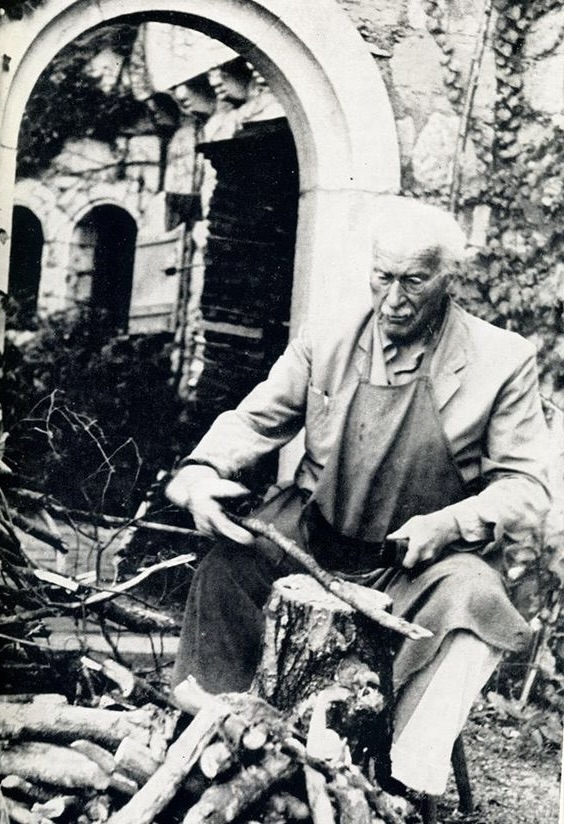
Churchill and Jung understood something modern psychology forgets: Depression feeds on abstraction. It weakens when your hands touch something real. Here are 7 cheat codes to shift your nervous system from depression into momentum: 1. Use your hands to build something.
Lorwen Harris Nagle, PhD tweet mediaLorwen Harris Nagle, PhD tweet media
English
57
636
3.5K
339.5K
49度投资 retweetledi
Market Rebellion
Market Rebellion@RebellioMarket·
99% of options traders are gambling because they never learned the fundamentals. This 1-hour Yale lecture changes everything. In just 60 minutes, you’ll learn more about options trading than most overpriced trading courses ever teach. No hype. No fake gurus. Just real knowledge. Save this and watch it without distractions. 📌
English
16
320
1.5K
138.4K
49度投资 retweetledi
Finance Guy
Finance Guy@GuyTalksFinance·
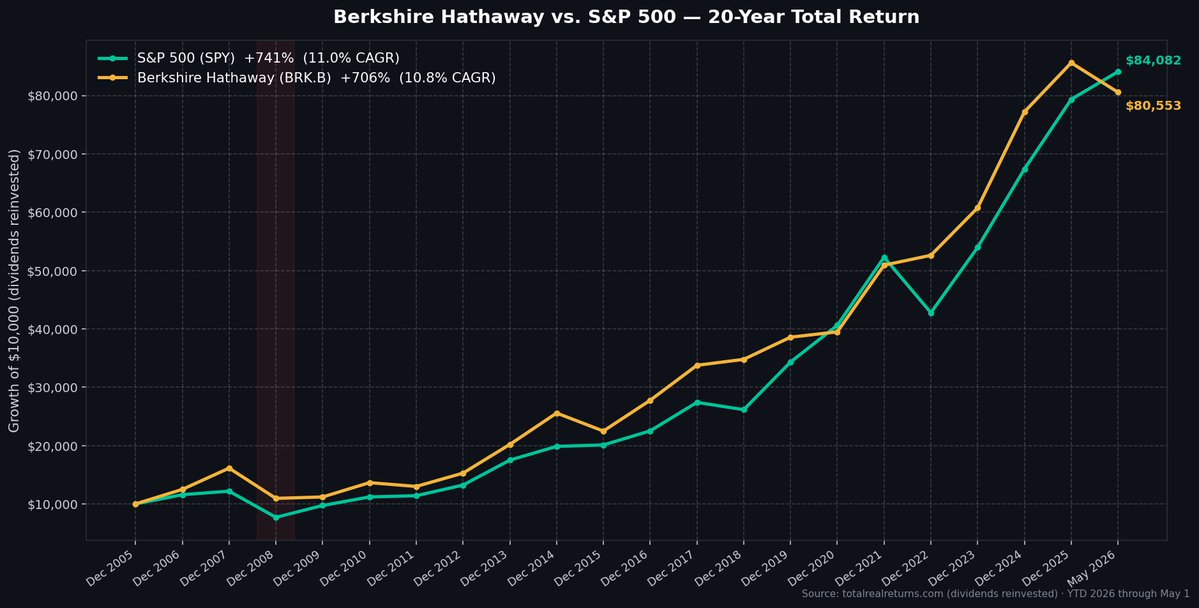
Absolutely crazy to see the S&P500 outperforming Berkshire Hathaway over the last 20 years. Warren Buffett was one of the best investors in the world and got beat by a simple index fund.
Finance Guy tweet media
English
189
63
1.1K
162.1K
49度投资 retweetledi
George Mack
George Mack@george__mack·
Winston Churchill used to lay 200 bricks per day to keep his mind busy when feeling down. Depression hates a moving target.
George Mack tweet media
English
436
3.4K
28K
5.5M
49度投资 retweetledi
Ehrmantraut Capital
Ehrmantraut Capital@EhrmantrautCap_·
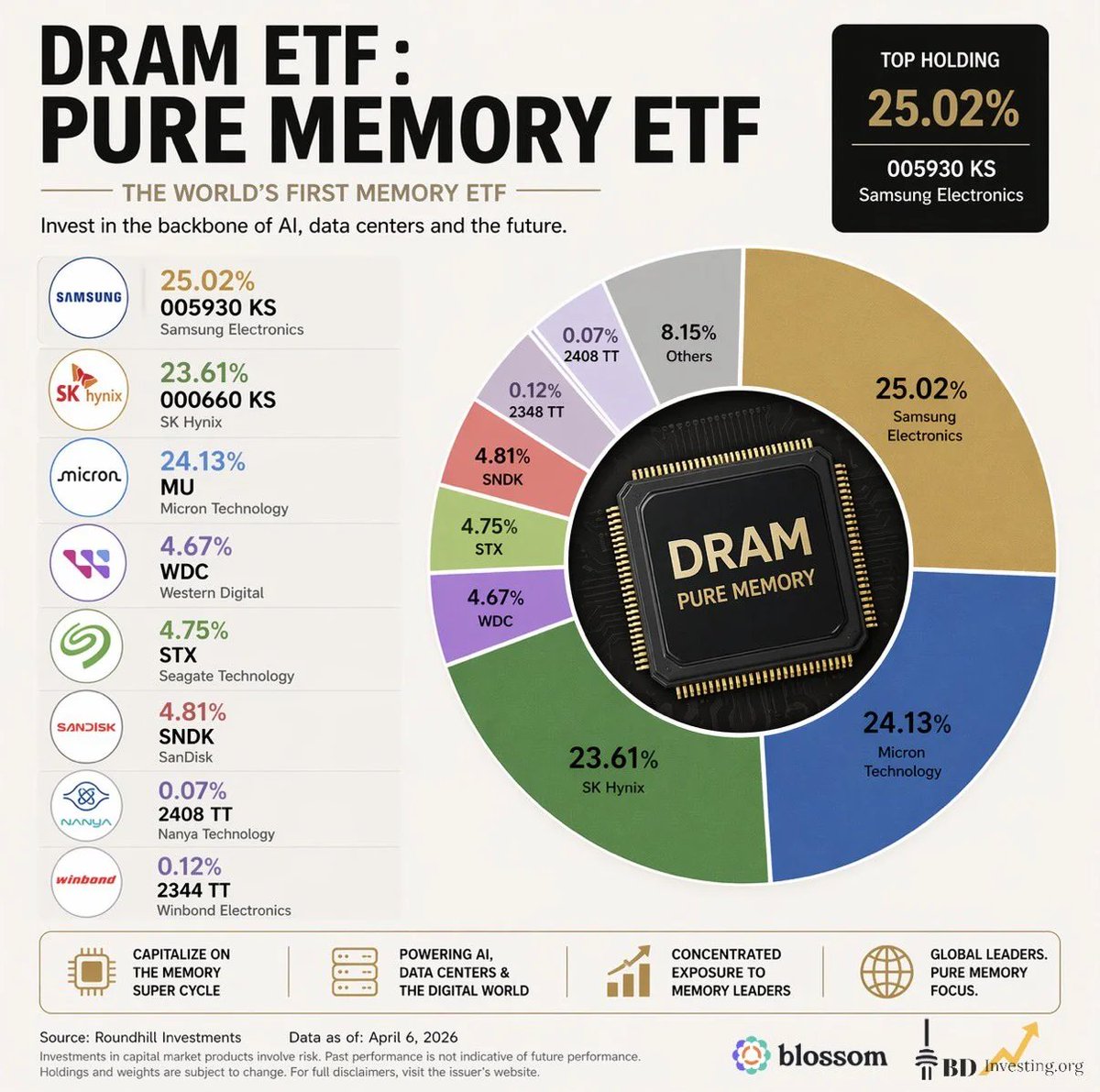
Is $DRAM ETF a good pick? The ETF $DRAM has been formed recently and has already made quite a name. Diving deeper into it however, there are two things that make me stick to individual stocks rather than buying $DRAM: 1. $SNDK has a weighting of only 4.81% in the ETF, in my eyes $SNDK deserves a bigger weighting. I presume this weighting is mostly based on market cap though. 2. $STX and $WDC are both HDD stocks and poised to profit from the AI boom. However, both stocks have already gone a structural repricing to higher multiples, in the range of 25-28x FY2027 earnings. These stocks are definitely not bad, but the real risk/reward asymmetry is in $SNDK, $MU, SK Hynix and Samsung, which are yet to undergo a structural repricing to higher multiples. Overall, $DRAM is a solid ETF and a good pick, but I would opt to pick individual stocks if you want to properly optimize your risk/reward ratio. From my point of view, the risk/reward ratio of memory stocks is much better than HDD stocks. Not financial advice.
Ehrmantraut Capital tweet media
English
2
4
15
1.8K
49度投资 retweetledi
Arpita Trisha
Arpita Trisha@Trisha_Techie·
🚨 BREAKING: Google Gemini can now analyze any stock like a Wall Street analyst (for free). Here are 09 insane Gemini prompts that replace $4,000/month Bloomberg terminals: [ Save for later 🔖 ]
English
41
169
656
155.5K
49度投资 retweetledi
Brad
Brad@BradleyKellard·
5 years ago, John McAfee gave his last interview to a college kid. He said: "Don't you understand? You have just sold yourself into slavery." The kid was talking about getting a degree, finding a job, paying off debt. McAfee wasn't sympathetic. He was horrified. Here's everything he said: You're Not Free. You're Just Comfortable. McAfee's biggest argument was simple: Most people don't live. They comply. You go to college → get a job → commute every day → sit in a windowless office for 40 years → retire. Not because you love it. Because you're afraid of what happens if you stop. That fear, he said, is the real prison. He called it modern scrip. In the 1800s, coal mine workers were paid in fake company currency, only spendable at the company store, at company prices. Workers earned. The company owned everything their earnings could touch. "The US dollar is just scrip from a bigger company called the government." You earn it. They take 25%. They can print trillions more overnight and silently shrink everything you've saved. And you can do nothing. Your Mind Is Lying To You McAfee made a distinction that runs through the entire interview: Your heart and your mind are not the same thing. The mind calculates. It says: get the degree, join the firm, plan for the future, anticipate consequences. The heart doesn't work that way. "It doesn't matter if your heart says I just want to make shoes, then make shoes. I just want to wander and see the world, then see the world." Someone pushed back: but what about money? His answer: "You have half a brain and two hands. You'll figure it out." He used falling in love as proof. When you fall in love, did you stop and calculate consequences? No. You just followed it. That's the heart. The mind inflates consequences. The heart finds a way. On Being a Fugitive and Feeling More Free Than Anyone McAfee had been arrested 21 times across 11 countries. The student asked: doesn't that weigh on you? McAfee's response: "There's nobody more 'in' than Janice and I. You folks are on the outside looking in." He referenced Thoreau, jailed for civil disobedience. A friend visited and asked: "What are you doing in there?" Thoreau looked back and said: "What are you doing out there?" McAfee's point: Freedom isn't about your circumstances. It's about whether you're living your values or someone else's. The people obeying laws they never agreed to, working jobs they don't love, staying afraid. They're the ones who are trapped. The walls are just invisible. The Two-Party System Is a Trick McAfee ran for president twice. He was clear. He wasn't interested in politics. He was interested in exposing it. "The CIA calls presidents 'transients' because that's what they are." Real power lives with the unelected permanent class. Career bureaucrats. Intelligence agencies. People no election can remove. Presidents come and go. The machine doesn't move. And the two-party system? It's a division engine. Gun control. Immigration. Every hot-button issue. McAfee called these false divisions, installed into your mind to keep you fighting each other while the system runs untouched. "Not a single hair on your head was affected by their change in power." Crypto Is the Exit Door This was his real prescription. Every currency in history requires you to trust someone. The government. The Fed. The bank. And whoever you trust controls you. Crypto breaks this for the first time. Permissionless: send money anywhere, no approval needed Trustless: math guarantees honesty, no middleman required Fixed supply: no one can print more and quietly rob you McAfee and Janice had no bank accounts, no phones, and were paid entirely in cryptocurrency. To him, this wasn't extreme. It was logical. "The phone is a spy device. The bank is a control mechanism. If you have neither, you're very difficult to own." On Happiness, From a Man Who'd Just Left a Dominican Jail The final question: Are you happy? "I'm as happy as anyone can ever be. And every day I get happier." He'd just gotten out of a Dominican Republic prison. His wife heard him laughing through the night while they were locked up. "If your heart leads you into jail, be happy there. Things will work out. I promise you." His formula was brutally simple: Accept where you are. Follow your heart. Stop trying to plan your way into safety. John McAfee died in a Spanish prison in June 2021. He was found dead the same day Spain approved his extradition to the US. He had tweeted months before: "If I suicide myself, I didn't." Whether you believe the official story or not, one thing is hard to ignore. The man who spent his entire life refusing to be owned by any system, died inside one. Make of that what you will. But the question he kept asking in this interview deserves an honest answer from each of us: Are you living your life, or are you just managing your fear?
English
3
22
70
8.8K
49度投资 retweetledi
fin
fin@fi56622380·
这次Meta裁员账本太清晰了 因为内存存储大幅上涨,采购价涨了100亿美元,所以Meta的capex上涨全部来自于这里 Meta这次砍掉8000人和6000个招聘职位,按人均一年70万开支,正好是100亿美元! 2026年新版本:每一个互联网公司的SDE,都应该买入内存和存储,作为职业风险对冲 x.com/fi56622380/sta… 等下半年内存+存储再来一轮翻倍行情,Meta几乎没有选择要再来一轮10%级别裁员 背景: Meta 2026 capex 从 1150–1350 亿美元 上调到 1250–1450 亿美元,中点从 1250 亿 到 1350 亿,所以是 +100 亿美元。 官方理由是 higher component pricing + 少量额外数据中心成本;同时 Meta 通过裁员和关闭空缺岗位,把 2026 total expenses 指引维持不变
fin tweet media
fin@fi56622380

今天Amazon裁员3万人,比2022年行业收缩期裁的还厉害,原因很简单 买GPU的钱capex不够,导致AWS增速下降,被市场严厉的惩罚了,只能砍工资来省钱买GPU,让财报好看一点,营造一个AWS增速触底的故事 每一个互联网公司的SDE打工人,都应该买入Nvidia/amd作为风险对冲,弥补自己被GPU挤出价值链的风险 ------------------------- 进入2024~2025年,美国SDE们就业差的主要因素已经不再是21年的大幅过度扩张,也不再是薪资更低的海外技术中心抢饭碗,暂时还不是AI提效造成需求降低,而是来了一个新的大boss:GPU capex GPU capex在互联网公司正在创造一种诡异的繁荣性萧条: 公司业绩增速很好看,股价也节节高升,但是员工的工资开支成了管理层腾挪不开的问题,每个人都要担心自己的工作,同时因为持续性裁人,留守的员工的工作压力越来越大,人心惶惶,和大萧条时代无异 这不是传统的行业萧条,而是资本在人力与算力之间的激进再分配 Amazon这次裁员3万人,大概从两个月前就有风声了,年中perf review往年都是7月,这次到8月中下才开始,RTO的政策,也是裁员的重要考虑因素(借口)。AGI组肯定是一个都不动,PXT, device and service, 运营,都会是重灾区,按惯例AWS应该会晚一点再裁,等到AWS reinvent之后再裁,人尽其用 而在故事的另一端,AWS Q2的未完成订单(backlog)达到1950亿美元,同比增长25%。 这说明客户想买但AWS交付不了,需求持续火爆,GPU买的不够快不够多 在AI服务器供应跟不上需求爆炸性增长的时代,opex(工资)换capex就能带来公司的业绩提升,资本会毫不留情的惩罚一切不把这条路线贯彻到底的CSP/Hyperscaler Meta开启每半年5%悄悄裁员模式基础之上,刚刚裁掉AI org的600人,而且还悄悄裁掉了很多部门的director,也是同一个逻辑:AI data center不够用,一年之内对未来18个月的capacity计划上修了三次,每次以为高估了需求,都会在几个月之后才痛苦的发现原来是低估了 互联网公司内部真的不需要人了吗?当然不是,招人的budget砍掉之后,只能倒逼公司内部增效来弥补 目前最激进的互联网大公司各种手段都用上了,内部tool耗费大量人力做各种agent功能,一键部署鼓励vibe,定了KPI每个部门AI使用率要达标,各级汇报AI使用进度和案例,还规定互相定期交流学习 一顿操作猛如虎,目标仅仅只是希望把大家的工作效率提升~20%,而已 接下来可能会发生什么? 为了增速,为了竞争,当公司提效遇到瓶颈,裁员也裁到只剩大动脉了,opex已经榨不出油水了,公司下一步只会继续牺牲现金流,甚至像ORCL一样,开始为了增速而不惜冒风险举债 Nvidia/AMD也会继续用手里的巨额现金推动投资,支持合作伙伴投入AI capex,就像openAI做的那样 这一切最大的受益者都会是半导体全产业链公司,未来可能会出现一个新常态:半导体公司的利润率会反超互联网公司 但他们也承担了最大的风险:当VC/Hyperscaler的前期投资看到token需求减缓时,甚至只是需求增长速度减缓(不再是一年数倍),一定也会毫不留情的砍单,这个传导的速度会非常快,会比半导体公司的投产周期要快的多 这一步什么时候会出现,一个参考指标是,企业渗透率接近50%的时候。 2000年3月互联网泡沫破灭时候,美国互联网渗透率大概在52%左右(另有一组数据时43%) 目前互联网大厂的genAI daily user渗透率正在从50%向90%迈进,而广大行业公司的AI采用率不到10%,增速暂时是有保障的,每一代科技革命增速最快的时候就是全社会公司采用率10%迈向50%的阶段 Cisco泡沫的历史不会简单重现,我相信这一轮信息比上一轮要充足太多太多,一直会有足够多的泡沫怀疑论者警醒,至少会让泡沫破灭的时候不会那么惨烈

中文
17
24
187
78.7K
49度投资
49度投资@49thparallel·
马斯克的最新spacex奖励计划是不胡扯?先说答案 是的。 太空AI基础设施的可行性: 即部署搭载GPU/TPU的卫星或轨道平台,利用太阳能供电,并将算力结果通过无线传输回地球,或在轨进行边缘计算——听起来极具吸引力。它似乎能解决地球上的土地、能源和覆盖范围限制,享受“无限阳光”。然而,现实中的物理、工程和经济约束使其在大规模应用上几乎不具备可行性。首先,发射成本是最大的拦路虎。即使SpaceX已将发射成本大幅降低至每公斤1000-2000美元左右,但一个大型数据中心动辄数十万吨的硬件重量,意味着仅将设备送入轨道就需要数万亿美元的巨额投入,这在经济上令人望而却步。其次是能源与现实的巨大差距。一些概念宣称太空AI可达100太瓦(TW)规模,而目前美国全国电网总功率仅约1.2太瓦,现有最大太空太阳能卫星提案也仅为吉瓦级(0.001太瓦),两者相差约十万倍。目前的技术根本无法支撑如此庞大的能源需求。此外,太空环境还带来严重的散热难题。地球上可通过空气对流散热,但在真空环境中只能依靠辐射散热,效率极低。高密度AI芯片产生的热量难以有效排出,冷却系统本身会变得笨重且低效,进一步增加成本和复杂度。维护与升级则是另一个致命问题。地球数据中心可以每2-3年轻松更换老化GPU,但在太空,维修意味着发射新的任务,失败则等于巨额资本直接报废。同时,AI硬件迭代极快,太空部署面临严重的技​​术过时风险。数据传输瓶颈同样不可忽视。AI训练和推理需要海量数据的实时输入输出,而从轨道传输数据面临带宽有限、延迟较高且地面接收站昂贵的问题,失去了“数据就近处理”的核心优势。从经济角度看,地球上的数据中心拥有廉价土地、日益增长的可再生能源以及便捷的升级条件,而太空方案则面临极高的资本支出、缓慢的迭代周期和高风险。理性投资者目前绝不会选择太空而放弃地球方案。当然,在少数利基场景中,太空AI仍有一定价值,例如国防监视、卫星数据的在轨实时处理、遥感数据预过滤等。这些应用规模较小、专业性强,并非面向万亿参数级别的超大规模AI云服务。要让大规模太空AI基础设施变得现实,需要发射成本接近于零、实现全自动化在轨装配、突破性散热技术、太空本土制造能力,以及对离地算力的海量需求。这些条件目前均未满足,短期内也难以实现。结论: 从技术角度看,小规模、特定用途的太空AI基础设施在未来可能逐步实现;但在经济上,它远无法与地球数据中心竞争。在“100太瓦”这样宏大的规模上,太空AI在可预见的未来完全不具备现实性。目前,“AI在太空”更多是一个有趣的概念和早期实验,而非可大规模落地的方案。真正的AI基础设施瓶颈,仍在于地球上的电力、芯片和内存供应,这些领域才是当下最值得关注的投资与发展方向。
George Noble@gnoble79

This is the most OUTRAGEOUS deal I've seen in my 45 years on Wall Street. SpaceX just disclosed Musk's new compensation package: He gets up to 200 million super-voting shares if SpaceX hits a $7.5 trillion valuation, establishes a permanent human settlement of at least ONE MILLION people on Mars, and deploys roughly 100 terawatts of space-based computing power. Let me put the 100 terawatts in perspective: The entire electricity generation capacity of the United States is around 1.2 terawatts. The comp plan asks Musk to build more than 80x America's entire power grid... in orbit. This is a science fiction screenplay that somehow landed in front of the SEC. But here's why it actually matters for your portfolio... The S-1 reportedly claims a $28.5 trillion total addressable market, with over 90 percent attributed to AI. CapeFearAdvisors flagged this one cleanly: when Palantir went public, it disclosed a $119 billion TAM and the SEC reviewed and accepted it. SpaceX is claiming a market roughly 240x BIGGER. Now let's talk about what is actually being sold here: Reported 2025 revenue is approximately $15.5 billion. Starlink delivers around $11 billion of that with healthy margins, and the launch business is genuinely dominant. The problem is xAI - the AI piece doing all the heavy lifting in the trillion-dollar valuation pitch. xAI generated just $210 million of revenue in the first 3 quarters of 2025 while burning through $9.5 billion in cash. Ben Brey and Rupert Mitchell - a former Fidelity portfolio manager and a former head of equity capital markets at Goldman and Citi between them - ran a serious discounted cash flow on the actual operating businesses and arrived at roughly $400 billion. Lawrence Fossi covered their work recently and the math holds up. The IPO is being marketed at $1.75 TRILLION. The gap between what these businesses support and what Musk is asking the public to pay is roughly $1.35 trillion of pure narrative. Then layer on what we just learned last week... The New York Times investigation revealed Musk personally borrowed $500 million from SpaceX between 2018 and 2020 at rates as low as 1%, while bank prime rates sat around 5%. The same SpaceX has been used to bail out SolarCity, prop up Tesla during cash crunches, and absorb xAI when the AI losses became unmanageable. This is the same playbook he's run for two decades. Use a privately controlled entity as a personal piggy bank, and when the bills come due, find new investors to absorb the losses. The IPO is structured to keep that game going FOREVER. The Texas reincorporation strips away Delaware's fiduciary protections. Controlled-company status on the Nasdaq eliminates independent board requirements. And retail is being offered up to 30% of the offering (3x the normal allocation) because the institutions who actually do the math are quietly stepping away. Here is the part that finishes the case for me: Roughly $40 billion of the IPO proceeds are already spoken for before a single dollar reaches operations. About $23 billion retires SpaceX debt. Another $17 billion retires the high-interest debt sitting on xAI and X. This raise is not funding the future. It's just plugging existing holes that retail investors will now own. In my 45 years I've never seen a deal where the comp hurdle is colonizing another planet. I've never seen a disclosed TAM that exceeds verified comparables by two orders of magnitude. I've never seen a company asking the public to fund the retirement of debt incurred by separate private entities controlled by the same individual. Every red flag I've watched precede a major bust over four decades is sitting in this prospectus, in plain sight. The Tesla mispricing is being repeated on a far larger scale. And this time the bag is being handed directly to retail. Don't be the one holding it.

中文
0
0
0
42