Sabitlenmiş Tweet

Aarno Excellent
68.3K posts

@AARNOEXCELLENT
Researcher. Political #Psyop analyst. Meme war veteran. They don’t understand the things I say on twitter.


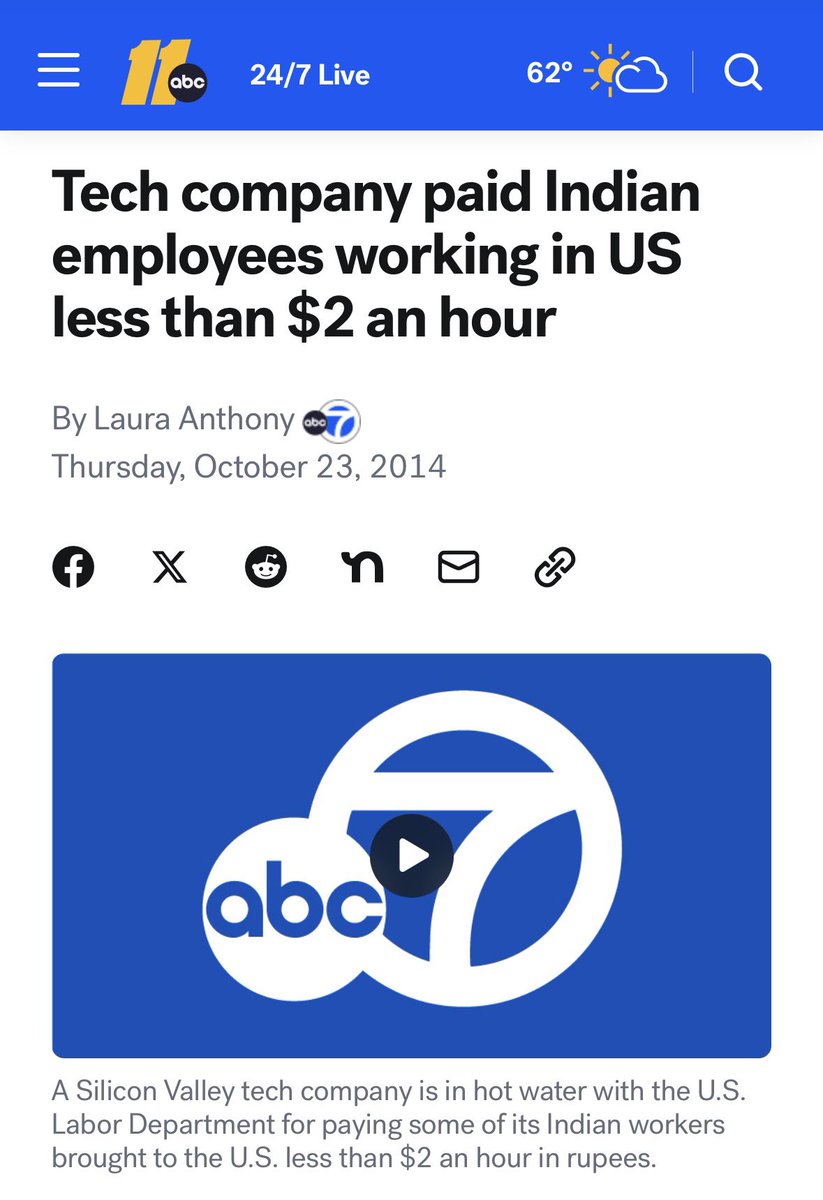
The Trojan Horse: The Indian Visa Invasion of American Tech – 36 Years in the Making In the heated debates over high-skilled immigration, few metaphors capture the critique as precisely as “Trojan horse.” What began as a well-intentioned fix for temporary labor shortages in the early 1990s has, over more than three and a half decades, delivered a demographic and economic transformation in U.S. technology that critics describe as a deliberate, long-term strategy of workforce replacement. Indian nationals and India-based IT firms have used the H-1B visa program as the primary vehicle, turning a capped guest-worker pathway into one of the most sustained patterns of industry capture in modern American history. The H-1B visa program itself was created by the Immigration Act of 1990. It allowed U.S. employers to bring in foreign workers for “specialty occupations,” initially capped at 65,000 visas per year (later raised temporarily). Almost immediately, staffing and consulting firms in India saw the opening. They began recruiting engineers and programmers in massive numbers, sponsoring them for H-1B visas, and placing them as lower-cost contract labor inside American companies.2 By 1998, the pattern was already unmistakable. The Dallas Observer published its investigative piece “Invasion of the Bodyshoppers,” detailing how Indian middlemen were combing India for talent, signing workers to contracts, and “dumping” them into U.S. firms via the H-1B program. One firm profiled had imported roughly 350 engineers and programmers since 1993—five years of activity by the time of publication. The article quoted critics from the Federation for American Immigration Reform and laid-off American programmers who saw the program as a backdoor for wage suppression rather than a genuine shortage solution. That was 28 years ago. The strategy has only scaled since. Official USCIS data shows Indian nationals have dominated H-1B approvals for well over a decade and continue to do so. In fiscal year 2024, Indians received 71% of all approvals—283,397 out of roughly 399,000 total petitions (including renewals). China followed a distant second at around 12%. This concentration is not new; it has been the consistent pattern across computer-related occupations, the largest H-1B category.615 The numbers add up to a clear long-term trajectory: •Early 1990s: H-1B launches; bodyshopping model takes root. •Mid-to-late 1990s: Documented “invasion” of contract labor begins in earnest, with tens of thousands of Indian H-1B entries annually. •2000s–2010s: Indian IT services giants (Infosys, TCS, Wipro, Cognizant) become top H-1B users, often filing thousands of petitions per year while simultaneously offshoring work back to India. •2020s: Indian nationals still claim ~70%+ of new approvals. The Indian-origin population in the U.S. has grown from roughly 815,000 in 1990 to more than 5.1 million today, fueled by H-1B-to-green-card pathways, family sponsorship, and chain migration. Critics argue this is no accident. Large Indian consulting firms learned early that H-1B was the perfect mechanism: bring in lower-wage workers on temporary visas, place them in U.S. client sites, train them on American systems, then either keep them here or rotate knowledge back to India for offshoring. American workers displaced in the process (documented in cases involving Disney, Southern California Edison, and countless tech layoffs) were often required to train their H-1B replacements before being shown the door.







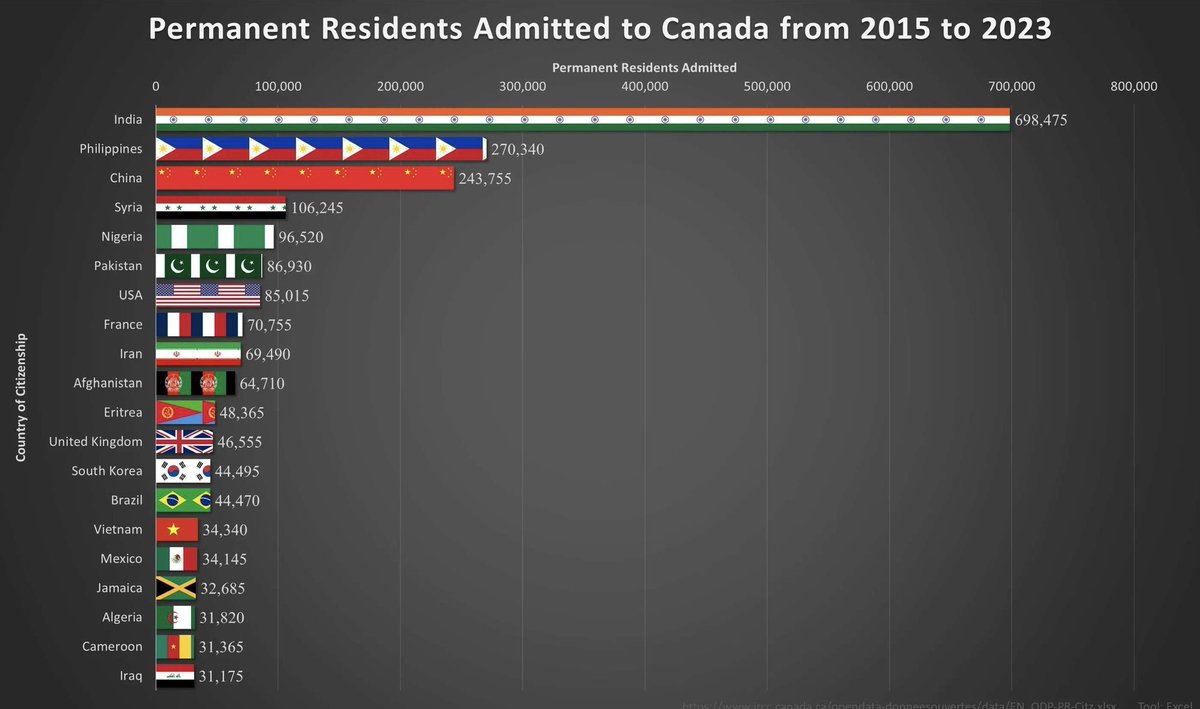

They are replacing every aspect of Canada’s Heritage they can. The newest stamp released by Canada Post has more turbans.

Indian streamer N3on just landed in Toronto & goes on a rant against the people here! 😬


La reacción de un bebé recién nacido al primer beso de su madre. 🤗





President Trump will be reading the Bible, specifically 2 Chronicles 7:11–22, in the Oval Office on Tuesday, April 21, between 6 p.m. and 7 p.m. ET.