Abdulkabir Musa

484 posts

Abdulkabir Musa banner
Abdulkabir Musa

Abdulkabir Musa

@AIEraDev

Software Engineer | Building @briify | https://t.co/TGzaH3pXWL

Katılım Ocak 2025
127 Takip Edilen18 Takipçiler
Theo - t3.gg
Theo - t3.gg@theo·
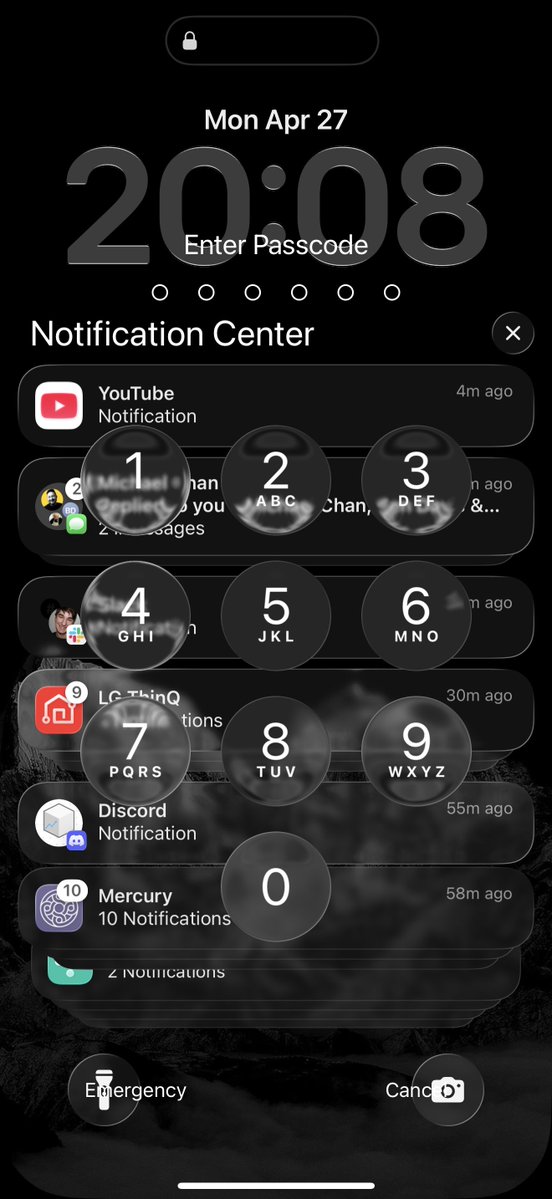
Loving the new iOS update. Feels more like Android every day :)
Theo - t3.gg tweet media
English
323
79
4.9K
333.5K
Abdulkabir Musa
Abdulkabir Musa@AIEraDev·
I just published a short blog on "𝗪𝗵𝗮𝘁 𝗗𝗼𝗲𝘀 𝗜𝘁 𝗥𝗲𝗮𝗹𝗹𝘆 𝗠𝗲𝗮𝗻 𝗳𝗼𝗿 𝗦𝗼𝗳𝘁𝘄𝗮𝗿𝗲 𝘁𝗼 𝗕𝗲 𝗥𝗲𝗹𝗶𝗮𝗯𝗹𝗲?", breaking down what reliability actually means in software and the difference between a fault and a failure. blog.abdulkabirmusa.com/what-does-it-r…
English
0
1
1
5
Samay
Samay@Samaytwt·
Be honest As a developer, which database is better in the AI era?
Samay tweet mediaSamay tweet mediaSamay tweet mediaSamay tweet media
English
602
86
2.1K
686.3K
Abdulkabir Musa
Abdulkabir Musa@AIEraDev·
Just saw this quote and it got me thinking. Like… we use the internet every day and we don't even stop to think that someone actually built this thing. It just feels like it was always there. That's what good technology should do — just work, without you even noticing it. 👀
Abdulkabir Musa tweet media
English
0
0
1
3
Abdulkabir Musa retweetledi
Y Combinator
Y Combinator@ycombinator·
GStack is an open-source toolkit built by YC President & CEO @garrytan that turns Claude Code into an AI engineering team — with skills for office hours, design, code review, QA, and browser testing. In this video, Garry walks through how GStack works, starting with Office Hours, a skill modeled after real YC partner sessions that pressure-tests your idea before you write a line of code. He demos it live, going from idea through adversarial review, design mockups, and automated QA in a single session.
English
245
159
2K
912.1K
Ihtesham Ali
Ihtesham Ali@ihtesham2005·
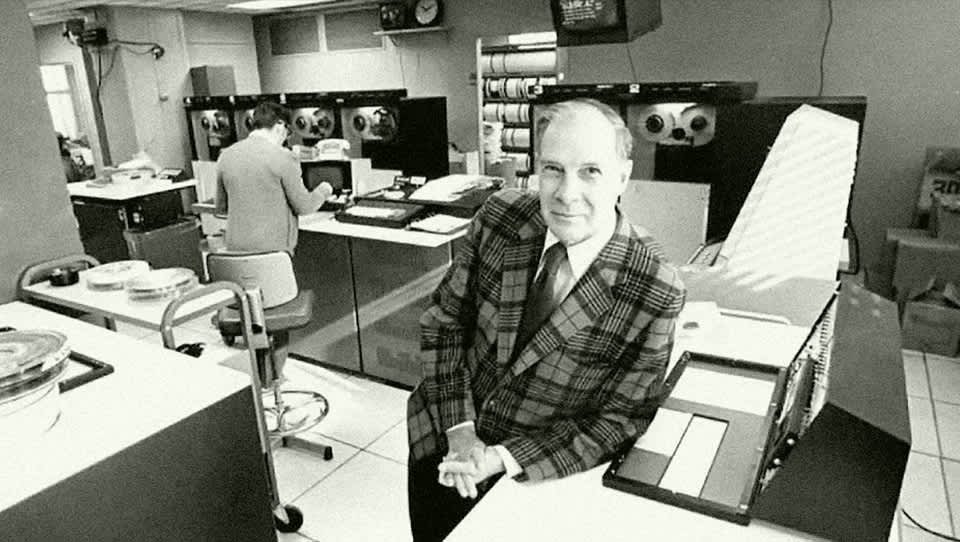
A mathematician who shared an office with Claude Shannon at Bell Labs gave one lecture in 1986 that explains why some people win Nobel Prizes and other equally smart people spend their whole lives doing forgettable work. His name was Richard Hamming. He won the Turing Award. He invented error-correcting codes that made modern computing possible. And he spent 30 years at Bell Labs sitting in a cafeteria at lunch watching which scientists became legendary and which ones faded into nothing. In March 1986, he walked into a Bellcore auditorium in front of 200 researchers and told them exactly what he had seen. Here's the framework that has been quoted by every serious scientist for the last 40 years. His opening line landed like a punch. He said most scientists he worked with at Bell Labs were just as smart as the Nobel Prize winners. Just as hardworking. Just as credentialed. And yet at the end of a 40-year career, one group had changed entire fields and the other group was forgotten by the time they retired. He wanted to know what the difference actually was. And he said it wasn't luck. It wasn't IQ. It was a specific set of habits that almost nobody is willing to follow. The first habit was the one that hurts the most to hear. He said most scientists deliberately avoid the most important problem in their field because the odds of failure are too high. They pick a safe adjacent problem, solve it cleanly, publish it, and move on. And because they never swing at the hard problem, they never hit it. He said if you do not work on an important problem, it is unlikely you will do important work. That is not a motivational line. That is a logical one. The second habit was about doors. Literal doors. He noticed that the scientists at Bell Labs who kept their office doors closed got more done in the short term because they had no interruptions. But the scientists who kept their doors open got more done over a career. The open-door scientists were interrupted constantly. They also absorbed every new idea passing through the hallway. Ten years in, they were working on problems the closed-door scientists did not even know existed. The third habit was inversion. When Bell Labs refused to give him the team of programmers he wanted, Hamming sat with the rejection for weeks. Then he flipped the question. Instead of asking for programmers to write the programs, he asked why machines could not write the programs themselves. That single inversion pushed him into the frontier of computer science. He said the pattern repeats everywhere. What looks like a defect, if you flip it correctly, becomes the exact thing that pushes you ahead of everyone else. The fourth habit was the one that hit me the hardest. He said knowledge and productivity compound like interest. Someone who works 10 percent harder than you does not produce 10 percent more over a career. They produce twice as much. The gap doesn't add. It multiplies. And it compounds silently for years before anyone notices. He finished the lecture with a line I have never been able to shake. He said Pasteur's famous quote is right. Luck favors the prepared mind. But he meant it literally. You don't hope for luck. You engineer the conditions where luck can land on you. Open doors. Important problems. Inverted questions. Compounded hours. Those are not traits. Those are choices you make every single day. The transcript has been sitting on the University of Virginia's computer science website for almost 30 years. The video is free on YouTube. Stripe Press reprinted the full lectures as a book in 2020 and Bret Victor wrote the foreword. Hamming died in 1998. He gave his final lecture a few weeks before. He was 82. The lecture that explains why some careers become legendary and others disappear is still free. Most people who could benefit from it will never open it.
Ihtesham Ali tweet media
English
147
1.9K
8.2K
1.1M
Name cannot be blank
Name cannot be blank@hackSultan·
You have the right to vote for anybody you want. You also have the right to demand better governance from anyone you didn’t vote for. But above all, you owe it to yourself to research and think carefully before you vote. In any case, kindly vote.
Name cannot be blank tweet media
English
3
44
179
3.4K
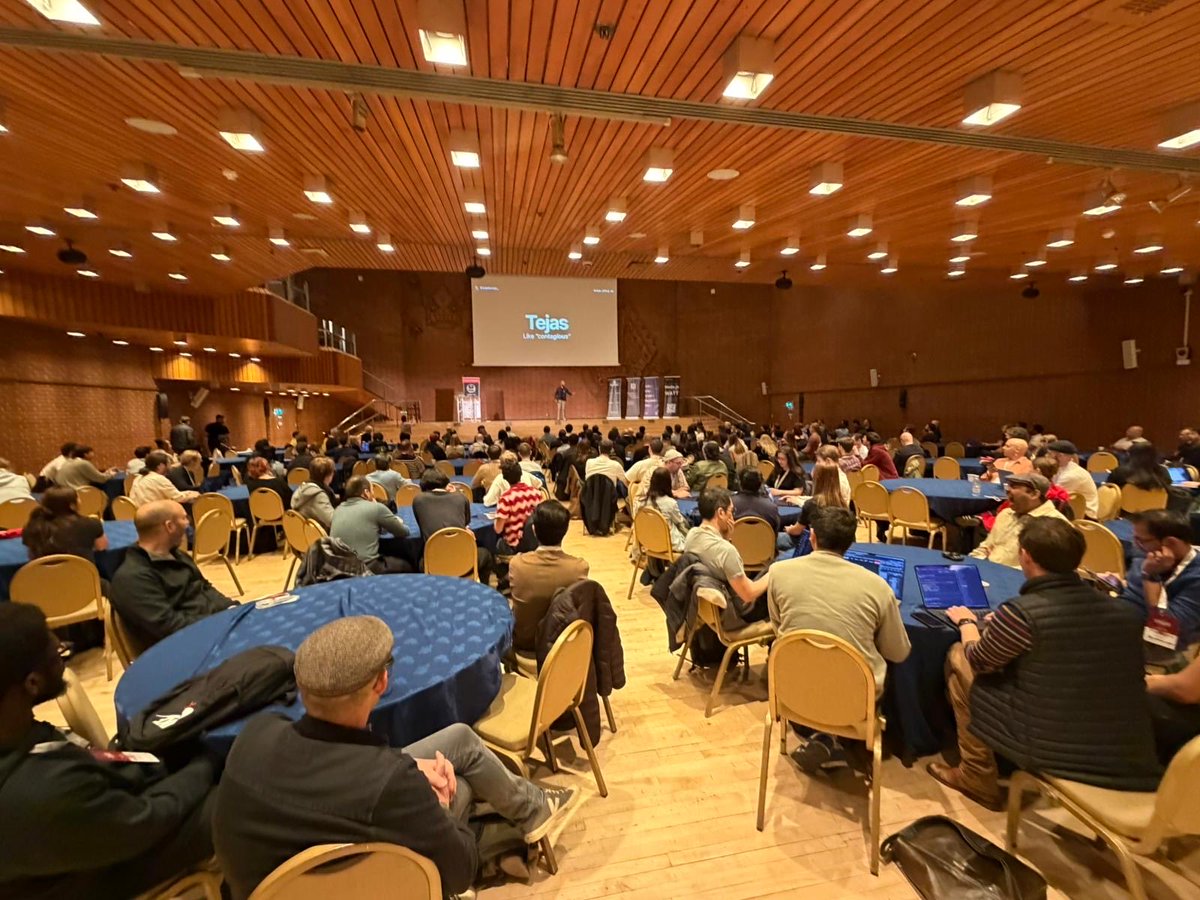
Tejas Kumar
Tejas Kumar@TejasKumar_·
look how small i am
Tejas Kumar tweet media
English
1
0
13
1.1K
Abdulkabir Musa
Abdulkabir Musa@AIEraDev·
@taadelodun Well deserved sir. I have been looking for your X account. Finally got it!!
English
0
0
2
11
Toyyib Adewale Adelodun
Toyyib Adewale Adelodun@taadelodun·
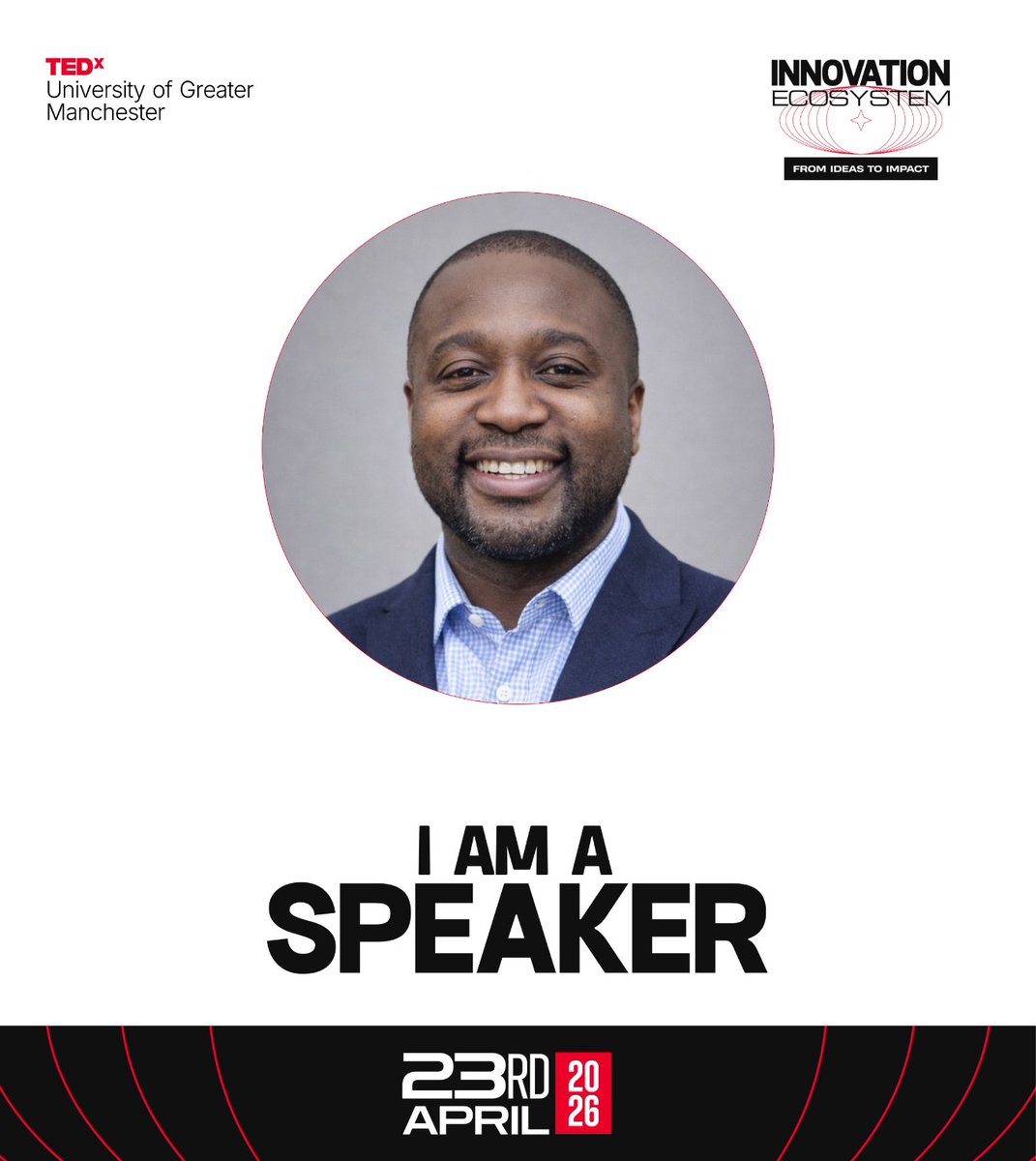
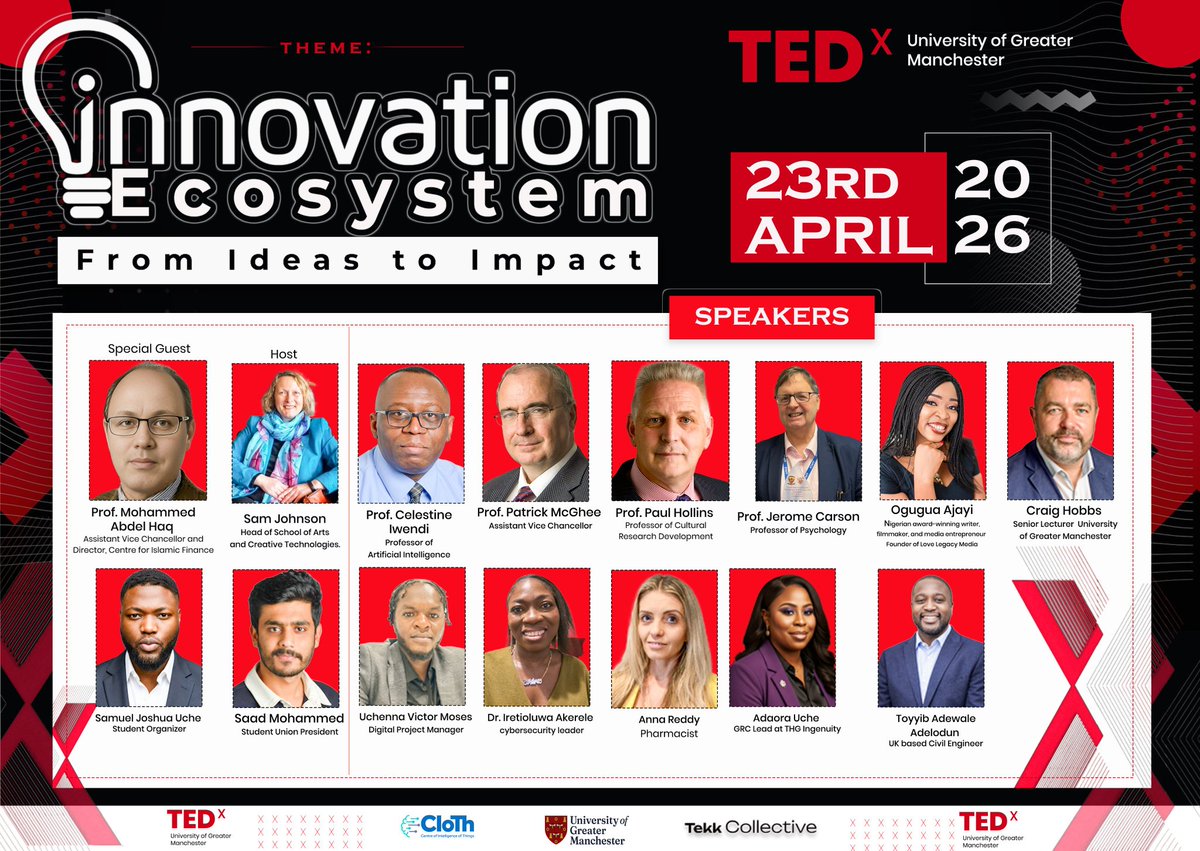
Giving my first Tedx talk this week. Grateful and Excited 🙏 Please keep going. Impossible is Nothing.
Toyyib Adewale Adelodun tweet mediaToyyib Adewale Adelodun tweet media
English
56
81
668
17.5K
Abdulkabir Musa retweetledi
Tosin Olugbenga
Tosin Olugbenga@TosinOlugbenga·
Hi UK folks, You don’t have to start a business! You can live a successful and fulfilling life doing your 9 - 5. Not everyone is wired to be an entrepreneur or a startup founder.
English
32
18
139
22.6K
Rahul 🥷
Rahul 🥷@themishra4402·
What’s harder to master ? Frontend or Backend ?
Rahul 🥷 tweet media
English
151
9
302
19K
TranscribeYT
TranscribeYT@TranscribeYT·
@theo Anthropic killing the very reasons people liked their models, giving free advertisement to OpenAI
English
1
0
5
765
Theo - t3.gg
Theo - t3.gg@theo·
I can't even do basic cryptographic challenges with Opus. I get that they're trying to limit it for safety but this is insane
Theo - t3.gg tweet media
English
98
28
1.1K
83.4K
Abdulkabir Musa
Abdulkabir Musa@AIEraDev·
Claude is enough to be the only AI Provider in the world. Their products are toooo good. The capabilities are insane. 😊
English
0
0
0
4