
ARAFAT AHMED
2.9K posts

ARAFAT AHMED
@ARAFAT7494
Disclaimer for intelligence officer: I am not, in any way calling to support any specific entities .If you deduce this then it's your stupidity
here and there Katılım Aralık 2022
420 Takip Edilen42 Takipçiler
ARAFAT AHMED retweetledi

On the day of Eid let's remember our sister Dr. Aafia who is spending her 48th Eid alone, away from family, away from home.
Keep her in your duas and donate to help release her!
Donation link: aafiamovement.com/ramadan-appeal


English
@EbuIbrahim2016 @AlDonFodio are u ignorant, obeying in kufr is shirk of obedience,
{If u obey them you would be mushrikun}, this is the ayah of Qur'an that was revealed in regards to obeying the laws of jahiliyyah in regards to eating dead meat
English

@AlDonFodio I haven't seen an ignorance like this...he can't understand a simple text, yet he speaks about matters as shaykh Abdul-Latif said they are only for ulama...
He believes that ibn Rajab believes that whoever obeys a creature in disobedience to the Creator...
English

Ibn Rajab Al-Hanbali rh confirming the ‘takfiri’ view that you don’t need to believe something is either halal or haram to fall into major shirk when you obey those who do tahlil of Haram & tahrim of Halal like the modern manmade constitutions


English
ARAFAT AHMED retweetledi

ARAFAT AHMED retweetledi

Anam Farooq, 13 years old, who had been missing since Saturday was found dead after being raped in Galwanpora village of central Kashmir's Budgam district.
English
ARAFAT AHMED retweetledi
@dodj1hadi @AyKarT0 murtad, {whoever allies with them is one of them}
English


ARAFAT AHMED retweetledi

I am amazed at how the oppressed are aware of each others situations. From Sudan to the forgotten Rohingya, they share their grief and joy as one. If one were to be liberated they would rejoice together as one, whereas Muslims living in comfort remain ignorant of their suffering.
English
ARAFAT AHMED retweetledi

@ibmsulaymani @ibmsulaymani so u have become athari(takfiris) like us?
English

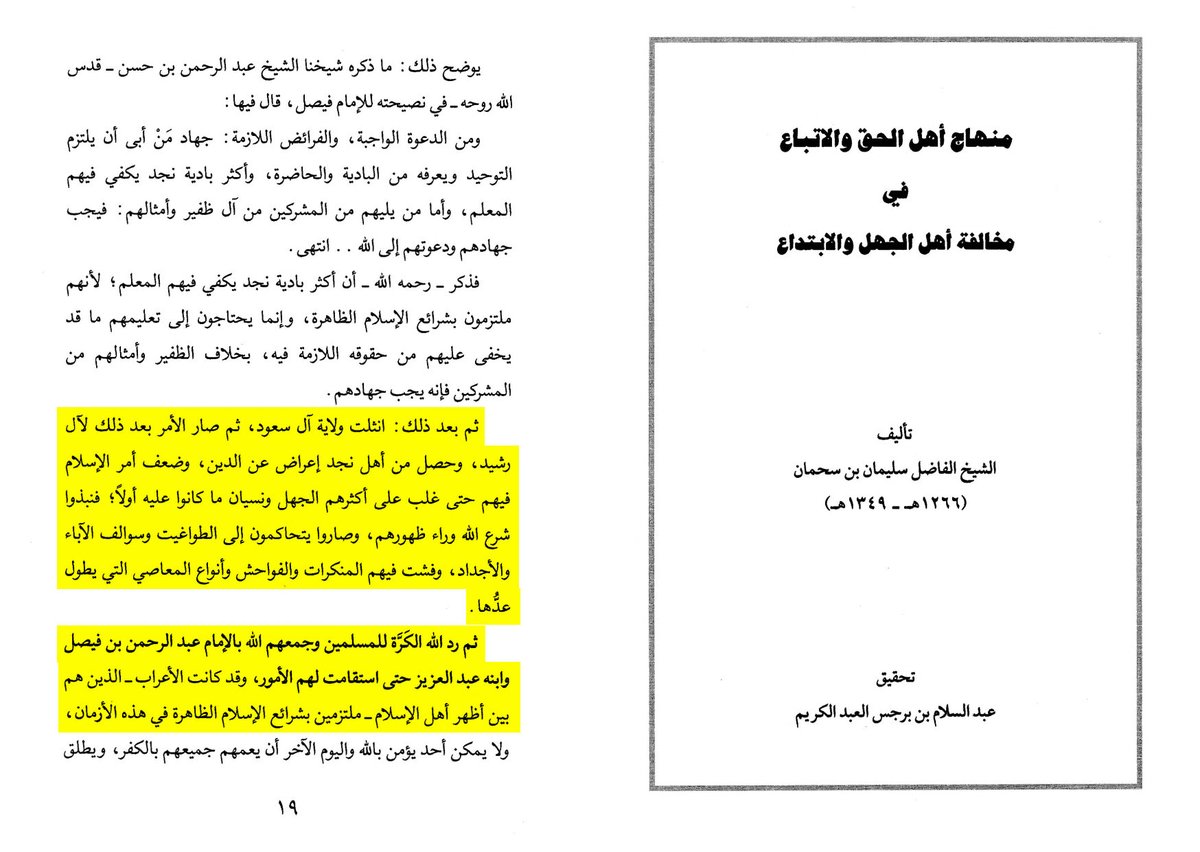
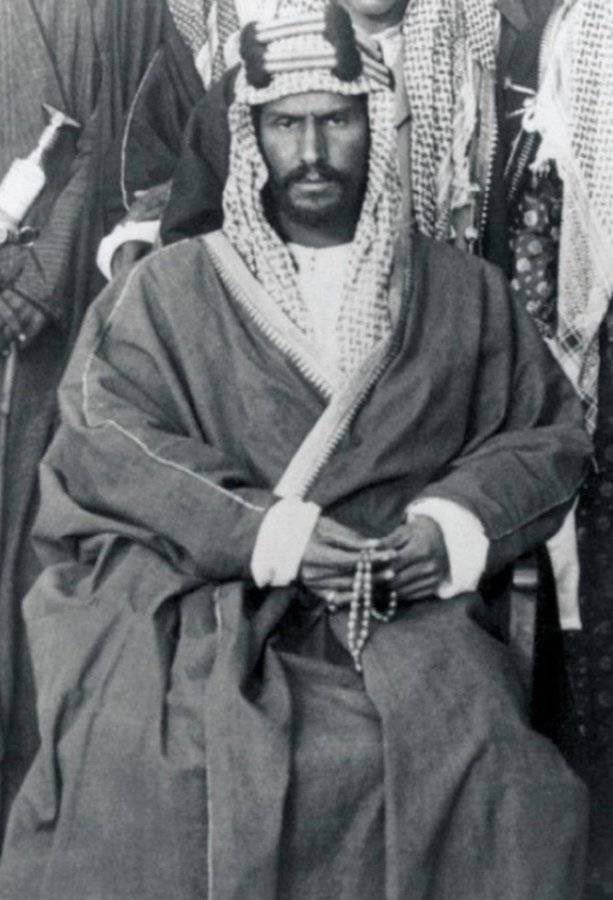
Sh Sulaymān b. Saḥmān (1266-1349H): King ʿAbd al-ʿAzīz restored honour to Islām and the Muslims
• Sh Sulaymān b. Saḥmān said:
❝Then after that, the rule of Āl Saʿūd collapsed, and then authority passed afterward to Āl Rashīd. The people of Najd turned away from religion, and the matter of Islām weakened among them until ignorance and forgetfulness of what they had first been upon prevailed over most of them. They cast the law of Allāh behind their backs and began referring judgment to ṭāghūts and the traditions of forefathers and ancestors. Evils, immoralities, and various sins spread among them, the enumeration of which would be lengthy.
Then Allāh restored the turn to the Muslims and gathered them under Imām ʿAbd al-Raḥmān b. Faiṣal and his son ʿAbd al-ʿAzīz until matters became upright for them. The Bedouins, who lived among the people of Islām, were adhering to the outward rites of Islām in these times.❞
📚 (Minhāj Ahl al-Ḥaqq wal-Ittibāʿ Fī Mukhālafat Ahl al-Jahl wal-Ibtidāʿ p. 19)
Català
ARAFAT AHMED retweetledi

@_mohamedd24 i've never commented on ur tiktok shorts, it was some other guy, is shk Abdullah a disbelieving zindiq who should have his grave enraged with fire just as u invoked curse against shk turki?
English

@ARAFAT7494 Just like I replied to you under my TikTok video, your scan has no correlation to the claim that the Ṣaḥābah rebelled against ʿAlī (رضي الله عنه), ya miskīn, Hadāk Allāh.
Català
@_mohamedd24 and all those who rebelled with Muhammad ibn ‘Abd Allāh ibn al-Husayn ibn al-Hasan ibn ‘Ali, with his brother Ibrāhīm ibn ‘Abd Allāh, with Hashim ibn Bashir, with al-Warrāq, and others.” 📷 Jawāb Ahlul Sunnah 70-71
Català
@_mohamedd24 🧵what about shk abdullah O zindiq
Ahlul Sunnah wal-Jamā’ah differed in this issue (Rebelling against a fasiq/Zalim ruler to enjoin good and forbid evil), along with Ahl al-Bayt; 📷 a group from Ahlus Sunnah (رضي الله عنهم) from the Şahābah, and those after them such as

English
@_mohamedd24 such as ‘Abd al-Raḥmān ibn Abi Layla, Sa’īd ibn Jubayr, Abū al-Bakhtari al-Ţā’ī, ‘Aţā’ al-Silmi, al-Hasan al-Basri, ash-Sha’bi, and those after them; such as ‘Umar ibn ‘Abd al-‘Azīz ibn ‘Abd Allāh ibn ‘Umar, ‘Abd Allāh ibn Hafş ibn ‘Āşim,
Català
@_mohamedd24 and the Şahābah with her; such as ‘Amr ibn al- ‘Āş, al-Numān bin Bashīr, Abū al-Ghādiyah al-Silmi, and others. It is also the saying of ‘Abd Allāh ibn al Zubayr and al-Hasan ibn ‘Ali. And it is the saying of all who rose up against the fāsiq al-Hajjāj;
Română
@_mohamedd24 and all the Şahābah (رضي الله عنهم) with him; such as ‘Ammār ibn Yāsir, Ibn ‘Abbās, Abū Sa’īd al-Khudrī, and others. It is also the saying of the Mother of the Believers, ‘Ā’ishah (رضي الله عنها),
Català
@_mohamedd24 the Tābi’īn after them, and then the Imāms after them; Abū Hanifah, Mālik, and al-Shāfi’ī say that unsheathing the swords in enjoining what is right and forbidding what is wrong is an obligation if the wrong cannot be removed otherwise. This is the saying of ‘Ali ibn Abi Tālib
English