
Nom

1K posts

Nom banner
Nom

Nom

@AlphaPulseLK

Mod - @AlphapulseGlobe

Katılım Temmuz 2023
137 Takip Edilen138 Takipçiler
Nom retweetledi
AlphaPulse Globe
AlphaPulse Globe@AlphaPulseGlobe·
BREAKING: A 24 year old American airline worker has reportedly been arrested in Dubai after authorities accessed her private WhatsApp messages and found she had shared a photo of smoke from recent Iran related incidents near the airport. She now faces up to two years in prison under laws covering content deemed harmful to state interests. According to multiple reports circulating in the last 24 hours, the woman was allegedly placed under digital surveillance, her messages were accessed without her knowledge, and she was later called into what she believed was a routine meeting before being detained. The case has reportedly been escalated to state security prosecutors, and claims suggest she has been denied immediate legal access. This is not being treated as an isolated incident. Recent UK media coverage has highlighted similar cases involving British airline crew in Dubai who were reportedly detained for sharing images or videos related to regional tensions in private WhatsApp groups. These reports are being linked to broader concerns about how strictly cybercrime laws are being enforced during a period of heightened geopolitical sensitivity. There are also renewed discussions around the UAE’s surveillance capabilities. Analysts and rights groups have previously documented the use of advanced monitoring tools and close control over telecom infrastructure, which could allow authorities to access digital communications under certain conditions. However, claims that all foreign devices are being universally monitored remain unproven and should be treated cautiously. What is clear is that the line between private and public communication may not function the way many visitors assume. Content shared in closed groups, even without intent to publish, can still fall under local laws depending on how authorities interpret its impact on national security or public order. Dubai continues to position itself as one of the world’s safest and most modern global hubs. But cases like this are raising difficult questions about privacy expectations, legal exposure for foreigners, and how digital communication is treated in high security jurisdictions. The bigger issue is not just one arrest. It is whether people fully understand the legal environment they are operating in when they use private messaging apps abroad, especially in regions where national security concerns are currently elevated. So the real question is simple. When you travel, are your private messages actually private, or just private until someone decides they are not?

AlphaPulse Globe tweet media
English
0
1
4
286
Nom
Nom@AlphaPulseLK·
@idrissaberkane If you’re not questioning this, you’re missing the entire point. Most people won’t get it. x.com/AlphaPulseGlob…
AlphaPulse Globe@AlphaPulseGlobe

BREAKING: A 24 year old American airline worker has reportedly been arrested in Dubai after authorities accessed her private WhatsApp messages and found she had shared a photo of smoke from recent Iran related incidents near the airport. She now faces up to two years in prison under laws covering content deemed harmful to state interests. According to multiple reports circulating in the last 24 hours, the woman was allegedly placed under digital surveillance, her messages were accessed without her knowledge, and she was later called into what she believed was a routine meeting before being detained. The case has reportedly been escalated to state security prosecutors, and claims suggest she has been denied immediate legal access. This is not being treated as an isolated incident. Recent UK media coverage has highlighted similar cases involving British airline crew in Dubai who were reportedly detained for sharing images or videos related to regional tensions in private WhatsApp groups. These reports are being linked to broader concerns about how strictly cybercrime laws are being enforced during a period of heightened geopolitical sensitivity. There are also renewed discussions around the UAE’s surveillance capabilities. Analysts and rights groups have previously documented the use of advanced monitoring tools and close control over telecom infrastructure, which could allow authorities to access digital communications under certain conditions. However, claims that all foreign devices are being universally monitored remain unproven and should be treated cautiously. What is clear is that the line between private and public communication may not function the way many visitors assume. Content shared in closed groups, even without intent to publish, can still fall under local laws depending on how authorities interpret its impact on national security or public order. Dubai continues to position itself as one of the world’s safest and most modern global hubs. But cases like this are raising difficult questions about privacy expectations, legal exposure for foreigners, and how digital communication is treated in high security jurisdictions. The bigger issue is not just one arrest. It is whether people fully understand the legal environment they are operating in when they use private messaging apps abroad, especially in regions where national security concerns are currently elevated. So the real question is simple. When you travel, are your private messages actually private, or just private until someone decides they are not?

English
0
0
0
9
Nom
Nom@AlphaPulseLK·
@poordart Crazy how people still think this is “normal news.” This is not normal at all. x.com/AlphaPulseGlob…
AlphaPulse Globe@AlphaPulseGlobe

BREAKING: A 24 year old American airline worker has reportedly been arrested in Dubai after authorities accessed her private WhatsApp messages and found she had shared a photo of smoke from recent Iran related incidents near the airport. She now faces up to two years in prison under laws covering content deemed harmful to state interests. According to multiple reports circulating in the last 24 hours, the woman was allegedly placed under digital surveillance, her messages were accessed without her knowledge, and she was later called into what she believed was a routine meeting before being detained. The case has reportedly been escalated to state security prosecutors, and claims suggest she has been denied immediate legal access. This is not being treated as an isolated incident. Recent UK media coverage has highlighted similar cases involving British airline crew in Dubai who were reportedly detained for sharing images or videos related to regional tensions in private WhatsApp groups. These reports are being linked to broader concerns about how strictly cybercrime laws are being enforced during a period of heightened geopolitical sensitivity. There are also renewed discussions around the UAE’s surveillance capabilities. Analysts and rights groups have previously documented the use of advanced monitoring tools and close control over telecom infrastructure, which could allow authorities to access digital communications under certain conditions. However, claims that all foreign devices are being universally monitored remain unproven and should be treated cautiously. What is clear is that the line between private and public communication may not function the way many visitors assume. Content shared in closed groups, even without intent to publish, can still fall under local laws depending on how authorities interpret its impact on national security or public order. Dubai continues to position itself as one of the world’s safest and most modern global hubs. But cases like this are raising difficult questions about privacy expectations, legal exposure for foreigners, and how digital communication is treated in high security jurisdictions. The bigger issue is not just one arrest. It is whether people fully understand the legal environment they are operating in when they use private messaging apps abroad, especially in regions where national security concerns are currently elevated. So the real question is simple. When you travel, are your private messages actually private, or just private until someone decides they are not?

English
0
0
0
10
Nom
Nom@AlphaPulseLK·
@goldseek @Xking332 Everyone’s arguing surface-level takes meanwhile the real signal is being ignored. This changes more than you think. x.com/AlphaPulseGlob…
AlphaPulse Globe@AlphaPulseGlobe

BREAKING: A 24 year old American airline worker has reportedly been arrested in Dubai after authorities accessed her private WhatsApp messages and found she had shared a photo of smoke from recent Iran related incidents near the airport. She now faces up to two years in prison under laws covering content deemed harmful to state interests. According to multiple reports circulating in the last 24 hours, the woman was allegedly placed under digital surveillance, her messages were accessed without her knowledge, and she was later called into what she believed was a routine meeting before being detained. The case has reportedly been escalated to state security prosecutors, and claims suggest she has been denied immediate legal access. This is not being treated as an isolated incident. Recent UK media coverage has highlighted similar cases involving British airline crew in Dubai who were reportedly detained for sharing images or videos related to regional tensions in private WhatsApp groups. These reports are being linked to broader concerns about how strictly cybercrime laws are being enforced during a period of heightened geopolitical sensitivity. There are also renewed discussions around the UAE’s surveillance capabilities. Analysts and rights groups have previously documented the use of advanced monitoring tools and close control over telecom infrastructure, which could allow authorities to access digital communications under certain conditions. However, claims that all foreign devices are being universally monitored remain unproven and should be treated cautiously. What is clear is that the line between private and public communication may not function the way many visitors assume. Content shared in closed groups, even without intent to publish, can still fall under local laws depending on how authorities interpret its impact on national security or public order. Dubai continues to position itself as one of the world’s safest and most modern global hubs. But cases like this are raising difficult questions about privacy expectations, legal exposure for foreigners, and how digital communication is treated in high security jurisdictions. The bigger issue is not just one arrest. It is whether people fully understand the legal environment they are operating in when they use private messaging apps abroad, especially in regions where national security concerns are currently elevated. So the real question is simple. When you travel, are your private messages actually private, or just private until someone decides they are not?

English

0
0
0
14
X
X@Xking332·
Horror in Dubai. A 24 year old American female airline worker in Dubai has been arrested. Dubai police installed a surveillance tool on her phone. Without her consent. They found her sharing an image of a burning building with her mother. So they set a trap. They pretended to be her office staff and called her in for a meeting yesterday. When she arrived, she was arrested. 2 years in jail. That spying tool is installed on every foreigner's device in Dubai. That means the Dubai Police are watching everything foreigners send to their families. Every message. Every photo. Every video. Including the most intimate moments. Dubai has denied her a lawyer.
English
3.3K
13.1K
44.8K
4.8M
Nom
Nom@AlphaPulseLK·
@Xking332 Most people are reacting but not actually understanding what’s happening here. This is bigger than headlines. x.com/AlphaPulseGlob…
AlphaPulse Globe@AlphaPulseGlobe

BREAKING: A 24 year old American airline worker has reportedly been arrested in Dubai after authorities accessed her private WhatsApp messages and found she had shared a photo of smoke from recent Iran related incidents near the airport. She now faces up to two years in prison under laws covering content deemed harmful to state interests. According to multiple reports circulating in the last 24 hours, the woman was allegedly placed under digital surveillance, her messages were accessed without her knowledge, and she was later called into what she believed was a routine meeting before being detained. The case has reportedly been escalated to state security prosecutors, and claims suggest she has been denied immediate legal access. This is not being treated as an isolated incident. Recent UK media coverage has highlighted similar cases involving British airline crew in Dubai who were reportedly detained for sharing images or videos related to regional tensions in private WhatsApp groups. These reports are being linked to broader concerns about how strictly cybercrime laws are being enforced during a period of heightened geopolitical sensitivity. There are also renewed discussions around the UAE’s surveillance capabilities. Analysts and rights groups have previously documented the use of advanced monitoring tools and close control over telecom infrastructure, which could allow authorities to access digital communications under certain conditions. However, claims that all foreign devices are being universally monitored remain unproven and should be treated cautiously. What is clear is that the line between private and public communication may not function the way many visitors assume. Content shared in closed groups, even without intent to publish, can still fall under local laws depending on how authorities interpret its impact on national security or public order. Dubai continues to position itself as one of the world’s safest and most modern global hubs. But cases like this are raising difficult questions about privacy expectations, legal exposure for foreigners, and how digital communication is treated in high security jurisdictions. The bigger issue is not just one arrest. It is whether people fully understand the legal environment they are operating in when they use private messaging apps abroad, especially in regions where national security concerns are currently elevated. So the real question is simple. When you travel, are your private messages actually private, or just private until someone decides they are not?

English
0
0
0
11
Nom retweetledi
AlphaPulse Globe
AlphaPulse Globe@AlphaPulseGlobe·
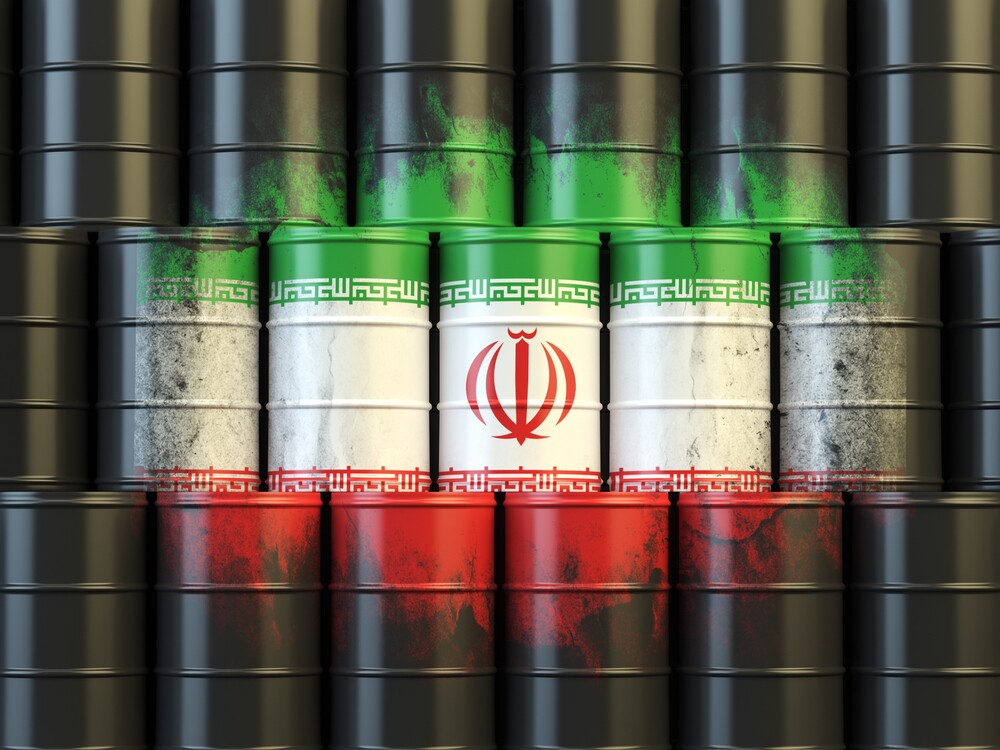
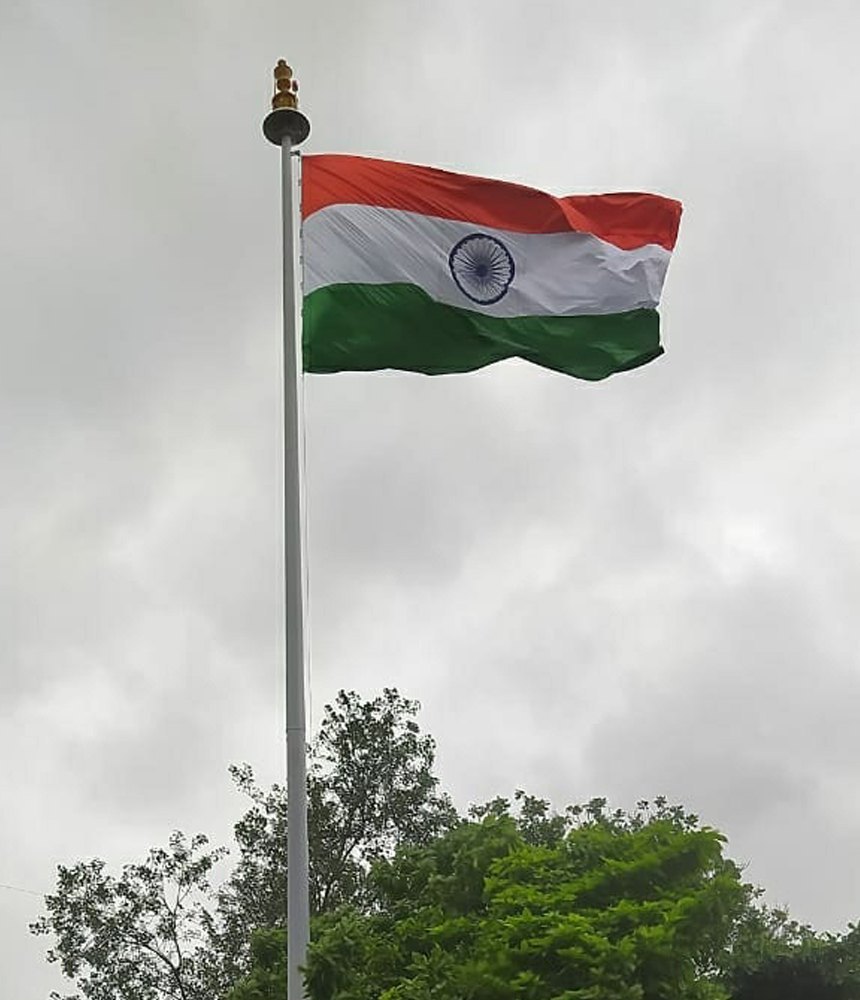
BREAKING: India just crossed a major financial red line, paying for Iranian oil in Chinese yuan instead of US dollars. This isn’t rumor. This is from a Reuters exclusive and it could have massive implications far beyond just oil. Here’s what actually happened. > India’s biggest refiners (IOC & Reliance) paid for Iranian crude in yuan > Payments routed via ICICI Bank’s Shanghai branch > First confirmed case of India using yuan for Iranian oil > Done under a temporary US sanctions waiver Now zoom out for a second. > The US is actively enforcing a Hormuz blockade > At the same time, a top US partner (India) is bypassing the dollar system > And using China’s currency to do it That’s not just a workaround. That’s a signal. Because oil has been dominated by the petrodollar system for decades. And now: > Russia already accepts non-USD payments > Iran is cut off from dollar systems > China is pushing yuan settlements globally > And India is now stepping in and actually executing it This is how systems shift not with announcements but with quiet transactions. Let’s be real. India isn’t doing this to make a statement. It’s doing this because energy security comes first. But the side effect? > Every yuan based oil deal = less global demand for USD > Less USD demand = pressure on long term dollar dominance And here’s the uncomfortable question. Can the US enforce a blockade while its own partners slowly move away from its financial system? Because that’s exactly what this looks like. No official denial yet. No clear pushback. Just a major shift happening in real time. So is this just a temporary sanctions workaround or the early stages of a much bigger global monetary reset?
AlphaPulse Globe tweet mediaAlphaPulse Globe tweet media
English
1
4
9
2.6K
Nom
Nom@AlphaPulseLK·
@KingKong9888 People will dismiss this until they realize oil settlements outside USD are slowly becoming normal again. That shift is the real story. x.com/AlphaPulseGlob…
AlphaPulse Globe@AlphaPulseGlobe

BREAKING: India just crossed a major financial red line, paying for Iranian oil in Chinese yuan instead of US dollars. This isn’t rumor. This is from a Reuters exclusive and it could have massive implications far beyond just oil. Here’s what actually happened. > India’s biggest refiners (IOC & Reliance) paid for Iranian crude in yuan > Payments routed via ICICI Bank’s Shanghai branch > First confirmed case of India using yuan for Iranian oil > Done under a temporary US sanctions waiver Now zoom out for a second. > The US is actively enforcing a Hormuz blockade > At the same time, a top US partner (India) is bypassing the dollar system > And using China’s currency to do it That’s not just a workaround. That’s a signal. Because oil has been dominated by the petrodollar system for decades. And now: > Russia already accepts non-USD payments > Iran is cut off from dollar systems > China is pushing yuan settlements globally > And India is now stepping in and actually executing it This is how systems shift not with announcements but with quiet transactions. Let’s be real. India isn’t doing this to make a statement. It’s doing this because energy security comes first. But the side effect? > Every yuan based oil deal = less global demand for USD > Less USD demand = pressure on long term dollar dominance And here’s the uncomfortable question. Can the US enforce a blockade while its own partners slowly move away from its financial system? Because that’s exactly what this looks like. No official denial yet. No clear pushback. Just a major shift happening in real time. So is this just a temporary sanctions workaround or the early stages of a much bigger global monetary reset?

English
0
0
1
402
Nom
Nom@AlphaPulseLK·
@Currentreport1 This isn’t about India or Iran alone. It’s about what happens when energy trade stops needing the dollar as middleman. Markets are underreacting to this. x.com/AlphaPulseGlob…
AlphaPulse Globe@AlphaPulseGlobe

BREAKING: India just crossed a major financial red line, paying for Iranian oil in Chinese yuan instead of US dollars. This isn’t rumor. This is from a Reuters exclusive and it could have massive implications far beyond just oil. Here’s what actually happened. > India’s biggest refiners (IOC & Reliance) paid for Iranian crude in yuan > Payments routed via ICICI Bank’s Shanghai branch > First confirmed case of India using yuan for Iranian oil > Done under a temporary US sanctions waiver Now zoom out for a second. > The US is actively enforcing a Hormuz blockade > At the same time, a top US partner (India) is bypassing the dollar system > And using China’s currency to do it That’s not just a workaround. That’s a signal. Because oil has been dominated by the petrodollar system for decades. And now: > Russia already accepts non-USD payments > Iran is cut off from dollar systems > China is pushing yuan settlements globally > And India is now stepping in and actually executing it This is how systems shift not with announcements but with quiet transactions. Let’s be real. India isn’t doing this to make a statement. It’s doing this because energy security comes first. But the side effect? > Every yuan based oil deal = less global demand for USD > Less USD demand = pressure on long term dollar dominance And here’s the uncomfortable question. Can the US enforce a blockade while its own partners slowly move away from its financial system? Because that’s exactly what this looks like. No official denial yet. No clear pushback. Just a major shift happening in real time. So is this just a temporary sanctions workaround or the early stages of a much bigger global monetary reset?

English
0
0
0
564
Current Report
Current Report@Currentreport1·
India pays Iran in Chinese yuan for oil cargoes bought under temporary US sanctions waiver – Reuters
Current Report tweet mediaCurrent Report tweet media
English
33
134
1K
17.3K
Nom
Nom@AlphaPulseLK·
@jacksonhinklle Everyone talks about “dedollarization” like it’s a meme... But oil trades switching to yuan between India and Iran is exactly how it actually starts. Context x.com/AlphaPulseGlob…
AlphaPulse Globe@AlphaPulseGlobe

BREAKING: India just crossed a major financial red line, paying for Iranian oil in Chinese yuan instead of US dollars. This isn’t rumor. This is from a Reuters exclusive and it could have massive implications far beyond just oil. Here’s what actually happened. > India’s biggest refiners (IOC & Reliance) paid for Iranian crude in yuan > Payments routed via ICICI Bank’s Shanghai branch > First confirmed case of India using yuan for Iranian oil > Done under a temporary US sanctions waiver Now zoom out for a second. > The US is actively enforcing a Hormuz blockade > At the same time, a top US partner (India) is bypassing the dollar system > And using China’s currency to do it That’s not just a workaround. That’s a signal. Because oil has been dominated by the petrodollar system for decades. And now: > Russia already accepts non-USD payments > Iran is cut off from dollar systems > China is pushing yuan settlements globally > And India is now stepping in and actually executing it This is how systems shift not with announcements but with quiet transactions. Let’s be real. India isn’t doing this to make a statement. It’s doing this because energy security comes first. But the side effect? > Every yuan based oil deal = less global demand for USD > Less USD demand = pressure on long term dollar dominance And here’s the uncomfortable question. Can the US enforce a blockade while its own partners slowly move away from its financial system? Because that’s exactly what this looks like. No official denial yet. No clear pushback. Just a major shift happening in real time. So is this just a temporary sanctions workaround or the early stages of a much bigger global monetary reset?

English
0
0
2
819
Jackson Hinkle 🇺🇸
Jackson Hinkle 🇺🇸@jacksonhinklle·
🇮🇳 🇮🇷 🇨🇳 Indian oil refiners paid for Iranian oil using Chinese yuan, according to Reuters report.
Jackson Hinkle 🇺🇸 tweet mediaJackson Hinkle 🇺🇸 tweet media
English
133
989
6.2K
100.4K
Nom
Nom@AlphaPulseLK·
@spectatorindex If India is really paying for Iranian oil in yuan, the dollar dominance conversation just moved from theory to reality. Full breakdown x.com/AlphaPulseGlob…
AlphaPulse Globe@AlphaPulseGlobe

BREAKING: India just crossed a major financial red line, paying for Iranian oil in Chinese yuan instead of US dollars. This isn’t rumor. This is from a Reuters exclusive and it could have massive implications far beyond just oil. Here’s what actually happened. > India’s biggest refiners (IOC & Reliance) paid for Iranian crude in yuan > Payments routed via ICICI Bank’s Shanghai branch > First confirmed case of India using yuan for Iranian oil > Done under a temporary US sanctions waiver Now zoom out for a second. > The US is actively enforcing a Hormuz blockade > At the same time, a top US partner (India) is bypassing the dollar system > And using China’s currency to do it That’s not just a workaround. That’s a signal. Because oil has been dominated by the petrodollar system for decades. And now: > Russia already accepts non-USD payments > Iran is cut off from dollar systems > China is pushing yuan settlements globally > And India is now stepping in and actually executing it This is how systems shift not with announcements but with quiet transactions. Let’s be real. India isn’t doing this to make a statement. It’s doing this because energy security comes first. But the side effect? > Every yuan based oil deal = less global demand for USD > Less USD demand = pressure on long term dollar dominance And here’s the uncomfortable question. Can the US enforce a blockade while its own partners slowly move away from its financial system? Because that’s exactly what this looks like. No official denial yet. No clear pushback. Just a major shift happening in real time. So is this just a temporary sanctions workaround or the early stages of a much bigger global monetary reset?

English
0
0
1
26
The Spectator Index
The Spectator Index@spectatorindex·
Indian oil refiners paid for Iranian oil using Chinese yuan, according to Reuters report.
English
304
2.2K
12.2K
988.7K
Nom
Nom@AlphaPulseLK·
@unusual_whales “Probably unrelated” is doing a LOT of heavy lifting here. Look at the pattern yourself x.com/AlphaPulseGlob…
AlphaPulse Globe@AlphaPulseGlobe

BREAKING: 10 U.S. scientists tied to nuclear, aerospace, and high clearance defense programs are now either MISSING or DEAD and the White House is finally being forced to answer. This isn’t speculation. This is a verified pattern building over the last 2-3 years and it just exploded again in the last 48 hours. Here’s what stands out: - Total: 10 cases (missing + unexplained deaths) - Majority linked to nuclear, aerospace, or classified defense work - Several cases centered around New Mexico a major U.S. weapons & research hub - At least a few have documented or rumored ties to UAP/UFO related programs Most recent case: > Steven Garcia — nuclear contractor with top level clearance. Vanished in 2025. No trace. High profile: > William “Neil” McCasland — former commander of Wright Patterson AFB’s research lab. Missing since Feb 2026. (This base has long-standing ties to classified aerospace + UAP rumors.) Now here’s where it escalates. > Fox News directly asked the White House about this on April 16. > Trump says answers are coming “within days” and “hopes it’s random.” But let’s be real for a second. 10 high level scientists... in the same sectors... over a short period... And we’re supposed to assume coincidence? No confirmed link. No official explanation. Just a growing list... and silence. Possible angles being discussed right now: > Espionage (foreign intelligence targeting key scientists) > Internal security failures > Classified program exposure > Or something being deliberately kept quiet No proof of any single theory but the pattern itself is what’s raising alarms. Because this isn’t just about “UFO talk” anymore. > These are people with TS/SCI-level access > Working on nuclear, defense, and advanced tech systems If even part of this connects it’s a national security story, not a conspiracy thread. So the real question is, Are we looking at unrelated tragedies... or the early signs of something much bigger that hasn’t been disclosed yet?

English
0
0
3
984
unusual_whales
unusual_whales@unusual_whales·
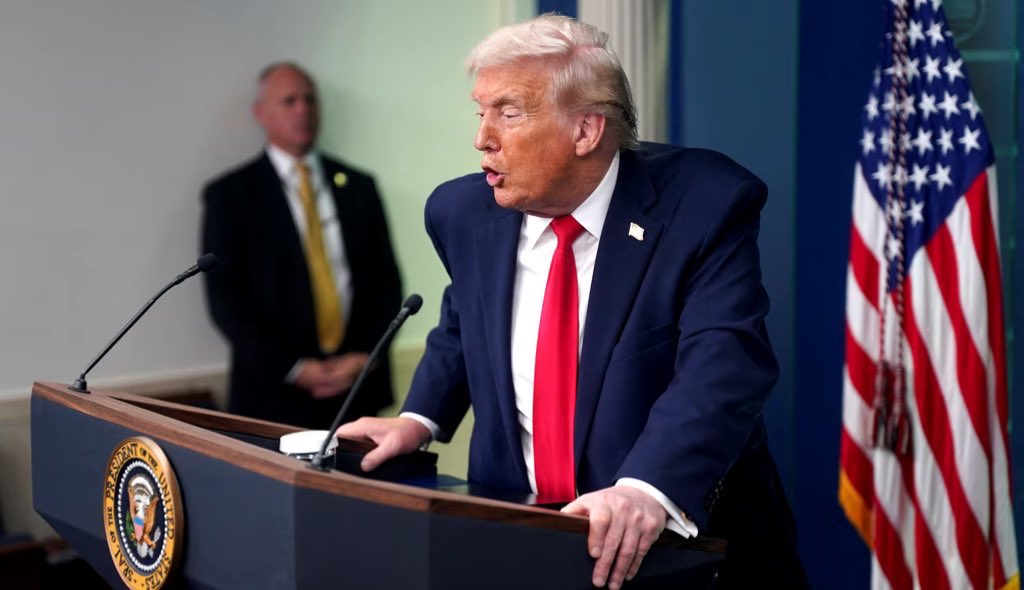
President Trump vows to look into the 10 scientists who have gone missing or turned up dead: "I hope it's random, but we're going to know in the next week and a half." "I just left a meeting on that subject." "Pretty serious stuff... Some of them were very important people, and we're going to look at it over the next short period."
English
123
148
2K
332K
Nom
Nom@AlphaPulseLK·
@Daily_MailUS Not saying it’s a conspiracy... but 10 isn’t a small number anymore. At what point do we start asking real questions? x.com/AlphaPulseGlob…
AlphaPulse Globe@AlphaPulseGlobe

BREAKING: 10 U.S. scientists tied to nuclear, aerospace, and high clearance defense programs are now either MISSING or DEAD and the White House is finally being forced to answer. This isn’t speculation. This is a verified pattern building over the last 2-3 years and it just exploded again in the last 48 hours. Here’s what stands out: - Total: 10 cases (missing + unexplained deaths) - Majority linked to nuclear, aerospace, or classified defense work - Several cases centered around New Mexico a major U.S. weapons & research hub - At least a few have documented or rumored ties to UAP/UFO related programs Most recent case: > Steven Garcia — nuclear contractor with top level clearance. Vanished in 2025. No trace. High profile: > William “Neil” McCasland — former commander of Wright Patterson AFB’s research lab. Missing since Feb 2026. (This base has long-standing ties to classified aerospace + UAP rumors.) Now here’s where it escalates. > Fox News directly asked the White House about this on April 16. > Trump says answers are coming “within days” and “hopes it’s random.” But let’s be real for a second. 10 high level scientists... in the same sectors... over a short period... And we’re supposed to assume coincidence? No confirmed link. No official explanation. Just a growing list... and silence. Possible angles being discussed right now: > Espionage (foreign intelligence targeting key scientists) > Internal security failures > Classified program exposure > Or something being deliberately kept quiet No proof of any single theory but the pattern itself is what’s raising alarms. Because this isn’t just about “UFO talk” anymore. > These are people with TS/SCI-level access > Working on nuclear, defense, and advanced tech systems If even part of this connects it’s a national security story, not a conspiracy thread. So the real question is, Are we looking at unrelated tragedies... or the early signs of something much bigger that hasn’t been disclosed yet?

English
0
0
5
14.7K
Daily Mail US
Daily Mail US@Daily_MailUS·
BREAKING NEWS: Eleventh scientist found dead
English
932
4.8K
28.9K
4.5M
Nom
Nom@AlphaPulseLK·
@nypost If this was ANY other country, people would be screaming cover-up. But here? Silence. Make it make sense x.com/AlphaPulseGlob…
AlphaPulse Globe@AlphaPulseGlobe

BREAKING: 10 U.S. scientists tied to nuclear, aerospace, and high clearance defense programs are now either MISSING or DEAD and the White House is finally being forced to answer. This isn’t speculation. This is a verified pattern building over the last 2-3 years and it just exploded again in the last 48 hours. Here’s what stands out: - Total: 10 cases (missing + unexplained deaths) - Majority linked to nuclear, aerospace, or classified defense work - Several cases centered around New Mexico a major U.S. weapons & research hub - At least a few have documented or rumored ties to UAP/UFO related programs Most recent case: > Steven Garcia — nuclear contractor with top level clearance. Vanished in 2025. No trace. High profile: > William “Neil” McCasland — former commander of Wright Patterson AFB’s research lab. Missing since Feb 2026. (This base has long-standing ties to classified aerospace + UAP rumors.) Now here’s where it escalates. > Fox News directly asked the White House about this on April 16. > Trump says answers are coming “within days” and “hopes it’s random.” But let’s be real for a second. 10 high level scientists... in the same sectors... over a short period... And we’re supposed to assume coincidence? No confirmed link. No official explanation. Just a growing list... and silence. Possible angles being discussed right now: > Espionage (foreign intelligence targeting key scientists) > Internal security failures > Classified program exposure > Or something being deliberately kept quiet No proof of any single theory but the pattern itself is what’s raising alarms. Because this isn’t just about “UFO talk” anymore. > These are people with TS/SCI-level access > Working on nuclear, defense, and advanced tech systems If even part of this connects it’s a national security story, not a conspiracy thread. So the real question is, Are we looking at unrelated tragedies... or the early signs of something much bigger that hasn’t been disclosed yet?

English
0
0
1
25
Nom
Nom@AlphaPulseLK·
@FoxNews @Brooketaylortv @AmericaNewsroom 10 high-clearance scientists... same sectors... same region... and people still calling it “coincidence”? Yeah, okay. x.com/AlphaPulseGlob…
AlphaPulse Globe@AlphaPulseGlobe

BREAKING: 10 U.S. scientists tied to nuclear, aerospace, and high clearance defense programs are now either MISSING or DEAD and the White House is finally being forced to answer. This isn’t speculation. This is a verified pattern building over the last 2-3 years and it just exploded again in the last 48 hours. Here’s what stands out: - Total: 10 cases (missing + unexplained deaths) - Majority linked to nuclear, aerospace, or classified defense work - Several cases centered around New Mexico a major U.S. weapons & research hub - At least a few have documented or rumored ties to UAP/UFO related programs Most recent case: > Steven Garcia — nuclear contractor with top level clearance. Vanished in 2025. No trace. High profile: > William “Neil” McCasland — former commander of Wright Patterson AFB’s research lab. Missing since Feb 2026. (This base has long-standing ties to classified aerospace + UAP rumors.) Now here’s where it escalates. > Fox News directly asked the White House about this on April 16. > Trump says answers are coming “within days” and “hopes it’s random.” But let’s be real for a second. 10 high level scientists... in the same sectors... over a short period... And we’re supposed to assume coincidence? No confirmed link. No official explanation. Just a growing list... and silence. Possible angles being discussed right now: > Espionage (foreign intelligence targeting key scientists) > Internal security failures > Classified program exposure > Or something being deliberately kept quiet No proof of any single theory but the pattern itself is what’s raising alarms. Because this isn’t just about “UFO talk” anymore. > These are people with TS/SCI-level access > Working on nuclear, defense, and advanced tech systems If even part of this connects it’s a national security story, not a conspiracy thread. So the real question is, Are we looking at unrelated tragedies... or the early signs of something much bigger that hasn’t been disclosed yet?

English
0
0
2
718
Fox News
Fox News@FoxNews·
NEW: Some of America’s top scientists and military officials linked to our nation’s “CRITICAL SECRETS” have gone missing or mysteriously died – with some allegedly tied to UFO research. @Brooketaylortv reports | @AmericaNewsroom
English
389
1.8K
6.2K
785.9K
The Kobeissi Letter
The Kobeissi Letter@KobeissiLetter·
BREAKING: President Trump says today “may have been a historic day for Lebanon” and “good things are happening.” The Lebanon-Israel ceasefire has officially taken effect.
The Kobeissi Letter tweet media
English
159
228
2.8K
176.8K
*Walter Bloomberg
*Walter Bloomberg@DeItaone·
TRUMP: IRAN HAS AGREED TO ALMOST EVERYTHING
English
202
190
2.2K
178.3K
أخبار السعودية
أخبار السعودية@SaudiNews50·
ترمب: قريبًا جدا انتهاء الحرب في إيران. -
أخبار السعودية tweet media
العربية
72
40
385
145.3K
Nom
Nom@AlphaPulseLK·
@BoringBiz_ Everyone clapping for this line but few understand the downside of thinking like this. I explained it below x.com/AlphaPulseGlob…
AlphaPulse Globe@AlphaPulseGlobe

“You’re not talking to someone who woke up a loser.” and that one line just broke the internet. Jensen Huang didn’t just give a normal interview, he basically shut down an entire narrative in one sentence. In a recent podcast, when asked about competition in China and whether Nvidia might eventually lose anyway, his response was blunt. “You’re not talking to someone who woke up a loser.” No hedging. No corporate PR tone. Just straight mindset. And that’s exactly why this clip is going viral across tech, finance, and startup circles right now. Because here’s what he’s really saying. This isn’t about China. This isn’t even just about Nvidia. It’s about refusing to operate from a position of assumed defeat. In a market where: - People are constantly calling tops - Narratives flip every week - Everyone’s predicting who “wins” long term Jensen just rejected the entire idea of playing the game expecting to lose. And let’s be real — that mindset is rare at the top. Most CEOs play safe. Most answers are polished. Most avoid sounding “too confident.” But this? This is straight winner psychology in public. Now here’s the controversial part: - Is this confidence or arrogance? - Is this why Nvidia dominates or what eventually blinds leaders? Because history shows extreme confidence builds empires but it can also make people ignore real threats. Still, one thing is clear. Jensen isn’t competing to “survive” markets. He’s competing like someone who already decided he’s not losing. And that mindset alone is why this clip is hitting so hard right now.

English
0
0
2
9
Boring_Business
Boring_Business@BoringBiz_·
Next time your MD asks you to turn some stupid comments on a deck at midnight, just say “you are not talking to somebody that woke up a loser”
English
7
30
845
97.4K
Nom
Nom@AlphaPulseLK·
@The_AI_Investor If an unknown founder said this, you’d call it arrogance. Because it’s Jensen, you call it genius. Think about that. x.com/AlphaPulseGlob…
AlphaPulse Globe@AlphaPulseGlobe

“You’re not talking to someone who woke up a loser.” and that one line just broke the internet. Jensen Huang didn’t just give a normal interview, he basically shut down an entire narrative in one sentence. In a recent podcast, when asked about competition in China and whether Nvidia might eventually lose anyway, his response was blunt. “You’re not talking to someone who woke up a loser.” No hedging. No corporate PR tone. Just straight mindset. And that’s exactly why this clip is going viral across tech, finance, and startup circles right now. Because here’s what he’s really saying. This isn’t about China. This isn’t even just about Nvidia. It’s about refusing to operate from a position of assumed defeat. In a market where: - People are constantly calling tops - Narratives flip every week - Everyone’s predicting who “wins” long term Jensen just rejected the entire idea of playing the game expecting to lose. And let’s be real — that mindset is rare at the top. Most CEOs play safe. Most answers are polished. Most avoid sounding “too confident.” But this? This is straight winner psychology in public. Now here’s the controversial part: - Is this confidence or arrogance? - Is this why Nvidia dominates or what eventually blinds leaders? Because history shows extreme confidence builds empires but it can also make people ignore real threats. Still, one thing is clear. Jensen isn’t competing to “survive” markets. He’s competing like someone who already decided he’s not losing. And that mindset alone is why this clip is hitting so hard right now.

English
0
0
2
15
The AI Investor
The AI Investor@The_AI_Investor·
"You’re not talking to someone who woke up a loser” - Jensen Huang Jensen nearly lost his composure during a heated debate about selling chips to China, despite showing tremendous patience in response to the pushback.
English
237
238
5.4K
872.6K
Nom
Nom@AlphaPulseLK·
@AutismCapital This quote is going viral for the wrong reason. It’s not motivation. It’s strategy (and risk). Read x.com/AlphaPulseGlob…
AlphaPulse Globe@AlphaPulseGlobe

“You’re not talking to someone who woke up a loser.” and that one line just broke the internet. Jensen Huang didn’t just give a normal interview, he basically shut down an entire narrative in one sentence. In a recent podcast, when asked about competition in China and whether Nvidia might eventually lose anyway, his response was blunt. “You’re not talking to someone who woke up a loser.” No hedging. No corporate PR tone. Just straight mindset. And that’s exactly why this clip is going viral across tech, finance, and startup circles right now. Because here’s what he’s really saying. This isn’t about China. This isn’t even just about Nvidia. It’s about refusing to operate from a position of assumed defeat. In a market where: - People are constantly calling tops - Narratives flip every week - Everyone’s predicting who “wins” long term Jensen just rejected the entire idea of playing the game expecting to lose. And let’s be real — that mindset is rare at the top. Most CEOs play safe. Most answers are polished. Most avoid sounding “too confident.” But this? This is straight winner psychology in public. Now here’s the controversial part: - Is this confidence or arrogance? - Is this why Nvidia dominates or what eventually blinds leaders? Because history shows extreme confidence builds empires but it can also make people ignore real threats. Still, one thing is clear. Jensen isn’t competing to “survive” markets. He’s competing like someone who already decided he’s not losing. And that mindset alone is why this clip is hitting so hard right now.

English
0
0
2
1.3K
Autism Capital 🧩
Autism Capital 🧩@AutismCapital·
Next time someone challenges you say: “You are not talking to somebody that woke up a loser. That loser attitude and loser premise makes no sense to me. We are not a car." Incredible.
English
121
323
5.6K
878.9K