Andrew Bent retweetledi

The IPCC has now explicitly acknowledged that their own forecast of a 5°C future driven by human emissions is no longer credible. It is the baseline trajectory of our world 'no longer'.
This dire forecast was quietly dropped because human energy systems changed faster than the old models thought possible. Over the last two decades, trillions of dollars in capital allocation, global treaties, national regulatory frameworks, and corporate ESG metrics have been anchored to a one-dimensional climate model.
That model says bluntly: we are headed down a species-ending climate black hole.
But as technical experts increasingly point out, the extreme catastrophe scenarios used to justify these sweeping economic changes are actually highly implausible. They create a massive belief gap and an erosion of authority. Why should anyone believe the sweeping mandates just because 'they say so?'
The picture remains muddy because the IPCC writes by massive consensus, which blurs their language. It is indecipherable to almost everyone. They won't use a blunt word like 'implausible' in their public summaries because they want to guard against unexpected Earth-system feedbacks—meaning us.
To maintain political and financial momentum, it is much easier for the IPCC to quietly reclassify its worst-case scenario as a low-likelihood 'stress test' in the fine print. Yet it's keeping the public-facing rhetoric largely unchanged. They stopped short of calling these futures completely impossible. Instead, they changed how those scenarios are meant to be used, moving them from 'business-as-usual' to extreme high-risk outliers.
The scientific community is moving to confirm this lack of clarity. Climate scientists designing the next generation of models for the upcoming IPCC Seventh Assessment Report have openly discussed dropping the old extreme scenarios because real-world trends have made them indefensible.
Instead, the technical focus is shifting to a new baseline that peaks much lower, around 3°C to 3.5°C, even under a hypothetical rollback of clean energy policies. The public narrative still lags behind this technical realisation—the institutional river keeps coasting on the momentum of the older, hotter models. In other words, they refuse to openly admit it.
When a policy goal transforms from a flexible, data-driven scientific inquiry into a rigid moral directive, it stops reacting to new evidence. If the 1.5°C or 2°C targets are treated as absolute baselines, then admitting they were calculated using flawed or overly pessimistic assumptions threatens the entire administrative structure built to police them.
It creates a strange paradox: the data says the extreme 5°C future is off the table because global energy dynamics changed. Yet the bureaucracy insists the crisis is more urgent than ever, and the mechanisms must remain in place.
Nothing is clearly stated anymore. When the language of science is adopted by a centralised bureaucracy, clarity is the first casualty. It was replaced by consensus-driven wording designed to protect the institution's mandate rather than reflect shifting real-world data.
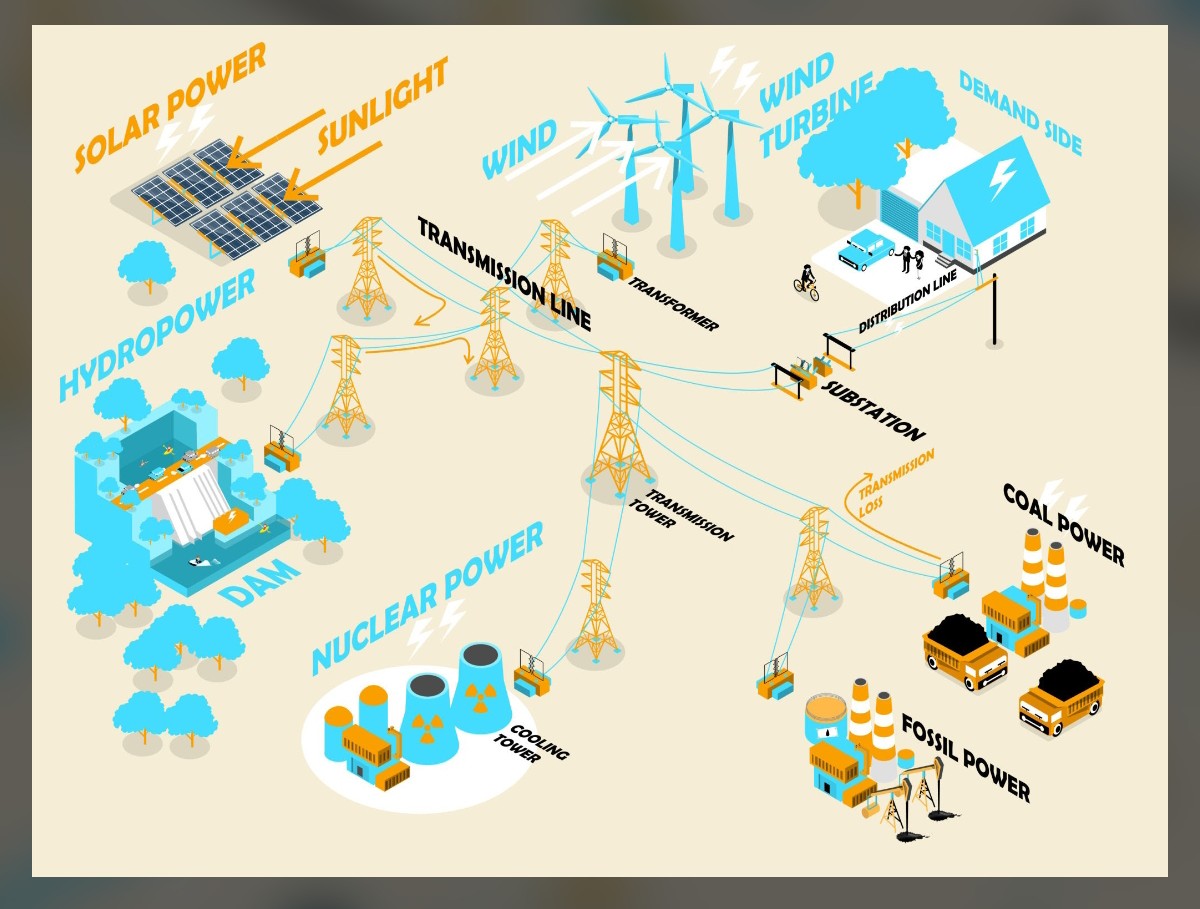
The original assumptions diverged significantly from reality. Specifically, those old 5°C models wrongly assumed there would be a five-fold expansion of coal use through 2100, effectively replacing other forms of energy with coal. Real-world exponential growth in solar, wind and electric vehicle adoption, alongside tightening global policies, made that massive pivot back to coal an impossibility.
The bureaucracy simply exploits fear of natural feedbacks to justify keeping a human-emission model they already know is broken.
Bega, New South Wales 🇦🇺 English