Tony
195 posts

Tony
@AntNomad
Principal at @V3V_Ventures. If not now, wen?


Earlier today, a user attempted to buy AAVE using $50M USDT through the Aave interface. Given the unusually large size of the single order, the Aave interface, like most trading interfaces, warned the user about extraordinary slippage and required confirmation via a checkbox. The user confirmed the warning on their mobile device and proceeded with the swap, accepting the high slippage, which ultimately resulted in receiving only 324 AAVE in return. The transaction could not be moved forward without the user explicitly accepting the risk through the confirmation checkbox. The CoW Swap routers functioned as intended, and the integration followed standard industry practices. However, while the user was able to proceed with the swap, the final outcome was clearly far from optimal. Events like this do occur in DeFi, but the scale of this transaction was significantly larger than what is typically seen in the space. We sympathize with the user and will try to make a contact with the user and we will return $600K in fees collected from the transaction. The key takeaway is that while DeFi should remain open and permissionless, allowing users to perform transactions freely, there are additional guardrails the industry can build to better protect users. Our team will be investigating ways to improve these safeguards going forward.





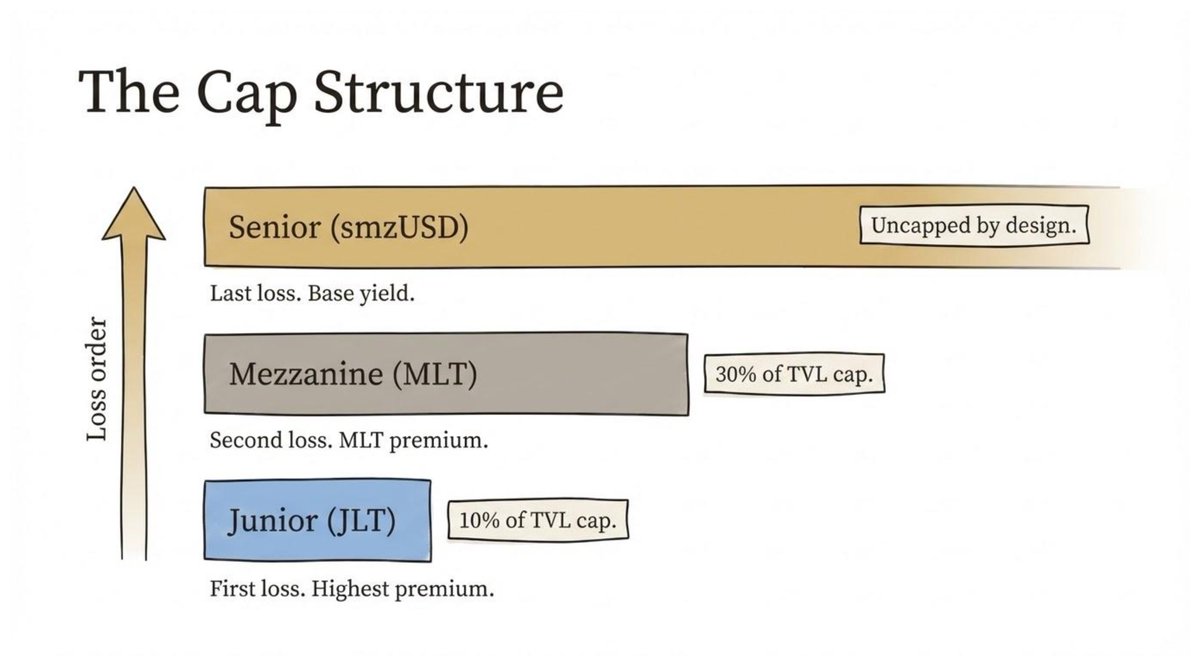
1/ Mezzanine was built by @phtevenstrong , known in DeFi as The Calculator Guy. He didn't start as a founder or a VC-backed builder. He started by making spreadsheets for himself because the tools he needed didn't exist.


BUILDING THE TRUTH MACHINE. We built a new dataset focused on political prediction markets, liquidity, and resolution rules. We find: the vast majority of political contracts on prediction markets are ghost towns — only 1.3% have enough liquidity to be worth reporting on. Kalshi and Polymarket rarely list the same contracts with the same rules, further fragmenting liquidity. This matters because AI forecasting is getting very good, and prediction markets are the natural layer for coordinating that intelligence toward the questions society needs answered. We’re not there yet. But we have a blueprint for how to build on PM’s tremendous momentum to help us get there: (1) Stock the shelves — list contracts on the questions that matter most, working with independent groups to define the markets society cares most about pricing (2) Fund the floor — pay market makers to seed liquidity in these new political markets (3) Bring in the AIs — encourage AI agents to trade where humans won't to help generate the prices society wants to know (4) Standardize the pipes — create shared definitions and resolution rules across platforms If we do this, we can get thick markets on political questions we care about. It will also attract traders who want to hedge political risk, getting the flywheel spinning, and bringing us closer to the truth machine we want. Check out the full post linked below.


Add another $10B to Hyperliquid’s FDV