
Sky Observer Anthony Cook retweetledi
Sky Observer Anthony Cook
66.1K posts
Sky Observer Anthony Cook
@AnthonyJCook2
Sky, space information, and more! Igor Stravinsky and J.S. Bach my fav. composers when not listening to Darius Milhaud. Griffith Observatory 1978-2021, retired.
Pasadena, CA Katılım Kasım 2011
4.3K Takip Edilen4.3K Takipçiler

The full moon at 1:45 a.m. PDT (08:45 UT) Sunday Morning will be an excellent chance to observe the lunar North Polar region due to the favorable terminator lighting and libration. Here’s the Moon Globe App simulation:

English
Sky Observer Anthony Cook retweetledi



Sky Observer Anthony Cook retweetledi

Sky Observer Anthony Cook retweetledi

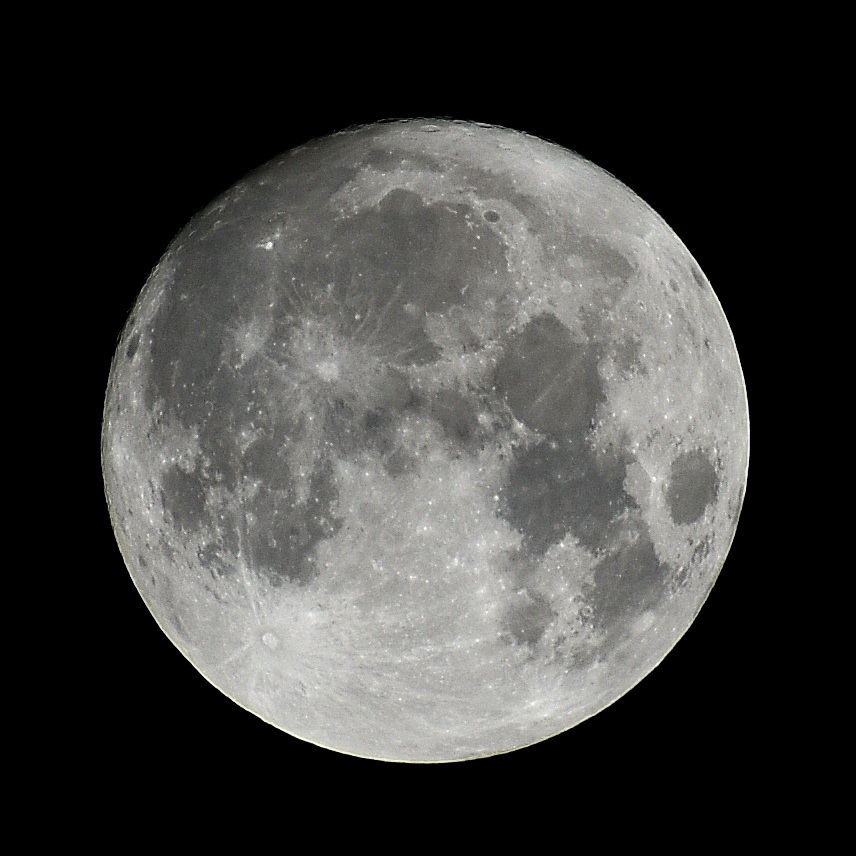
The almost full moon (99.5%) and the moonlit roses.


English
Sky Observer Anthony Cook retweetledi

流石にやりすぎたなーと思ったので時間かけて再処理
こっちの方がバランス取れてて個人的には良い
あるびれお✨@SPACE_M74
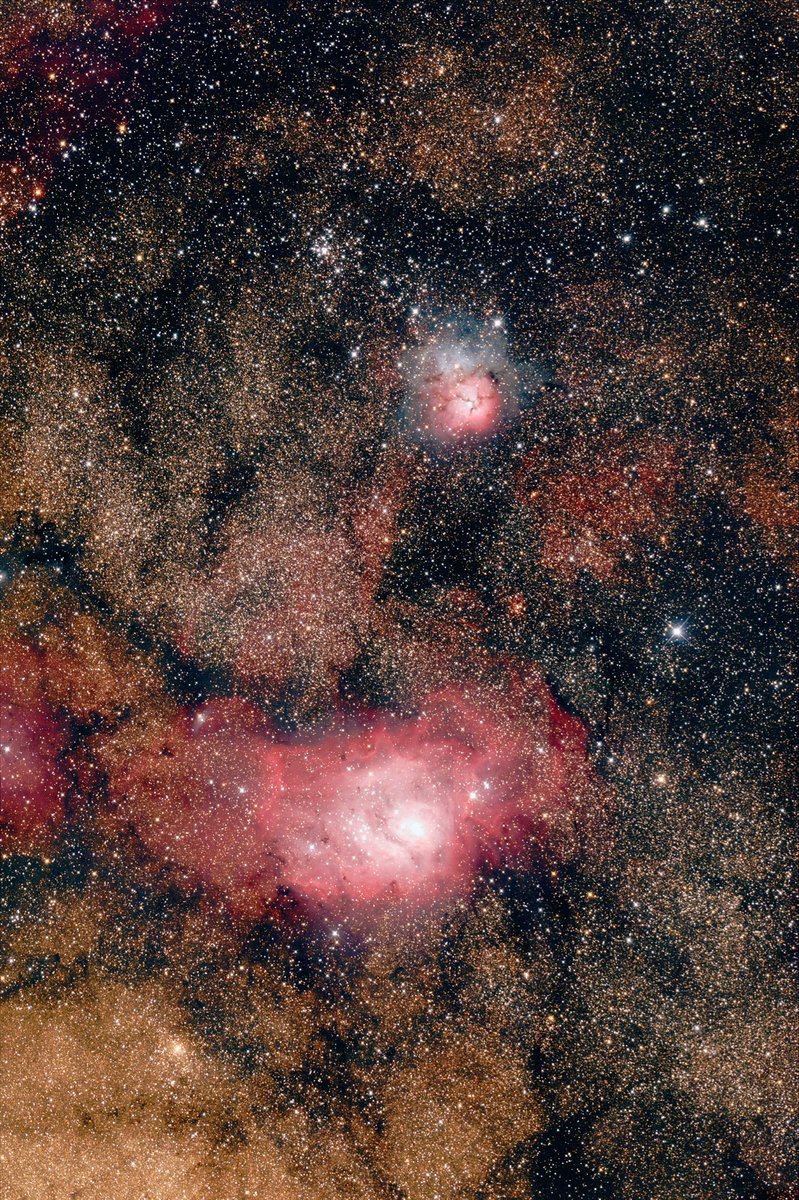
【ε-160edファーストライト】 三裂星雲と干潟星雲です 流石F3.3の明るさで、星雲の淡い部分までしっかり写りました! 背景の天の川の星々もシャープで美しいです✨ 今回は星分離やHDR合成無しですが、今後それも含めて再処理したいと思います!
日本語
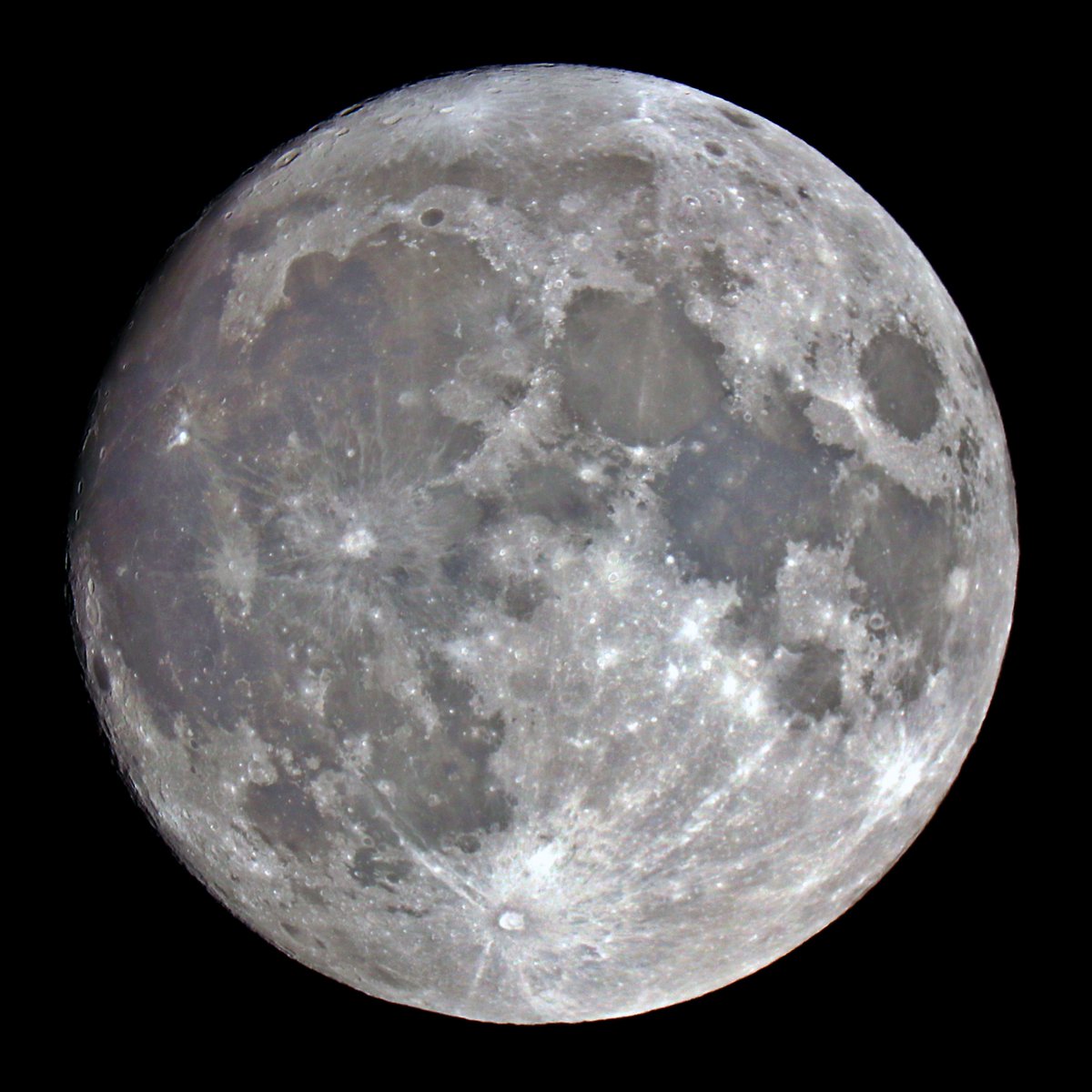
Waxing gibbous moon at 08:47 UTC May 30 (1:47 a.m., PDT). Single shot with C-8 at f/6.3. 99% illumination, Libration now tilting the moon's north pole toward Earth.
English
Sky Observer Anthony Cook retweetledi

@skyatnightmag
Star Trails have always been one of my favourite things to capture.
This image was captured last night with my Seestar S30 Pro.
155 minutes imaging time.
Friday 29th/Saturday 30th May 2026

English
Sky Observer Anthony Cook retweetledi
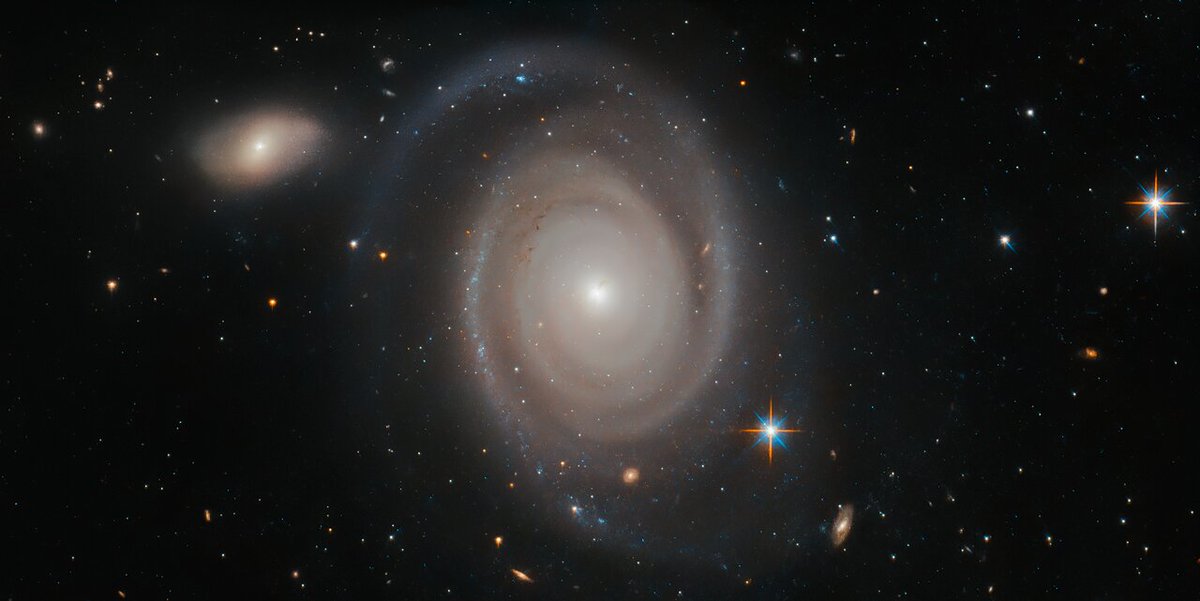
This beautiful @NASAHubble image shows NGC 1706--a spiral galaxy about 230 million light-years away, which belongs to a group of a few dozen galaxies.
English
Sky Observer Anthony Cook retweetledi
Waxing gibbous 97.7% on Saturday at 2.34 AM (UTC+7).

English
Sky Observer Anthony Cook retweetledi

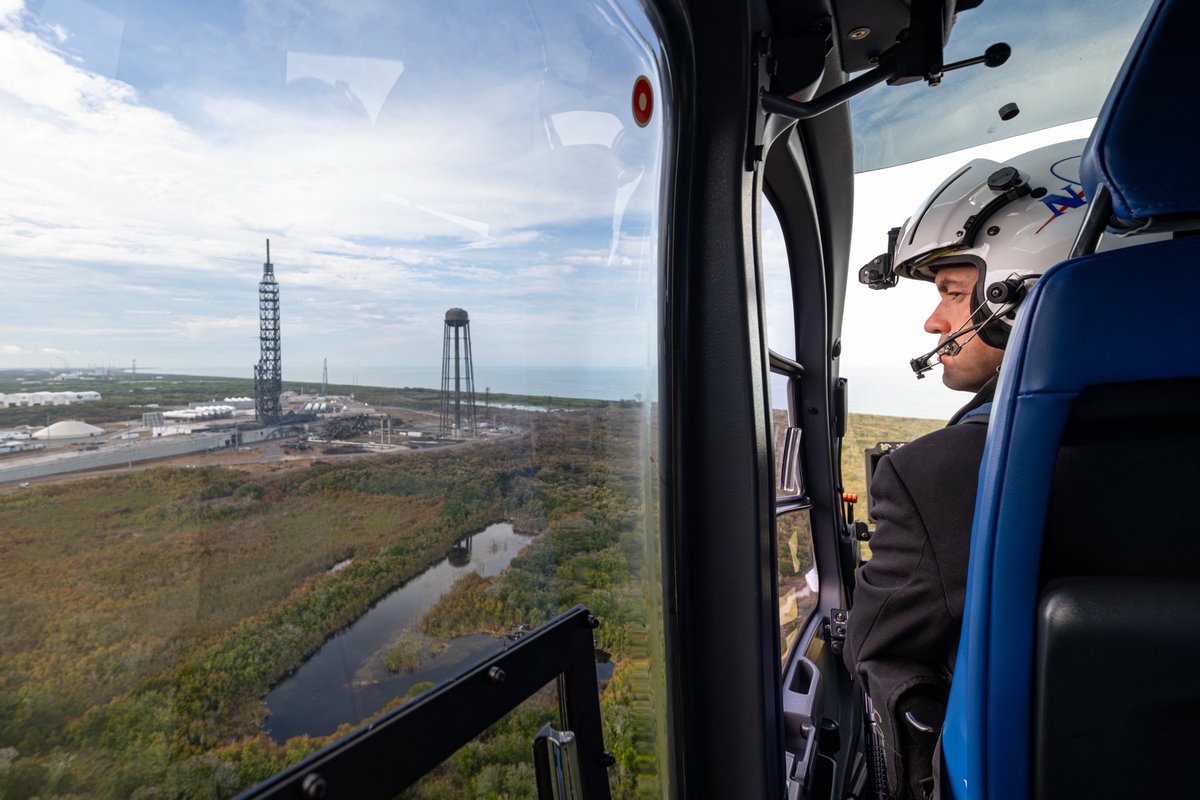
We go where we need to be, and today that was @NASAKennedy.
Some of my senior engineers and I spent time at @blueorigin with @JeffBezos and @davill, speaking with the workforce and seeing the damage at LC-36 firsthand. I appreciated the opportunity to hear directly from those working through the aftermath and better understand the challenges ahead.
There is a lot of work to do, but this is exactly why people choose careers in aerospace, whether at NASA, Blue Origin, or across the industry. The talent in this field thrives under pressure and performs at its best when solving the toughest problems.
We have been saying for months at NASA that we are not going to sit on our hands and wait for the capabilities necessary to achieve the nation’s most pressing objectives. We are going to take an active role alongside our partners, just as we did in the 1960s, to overcome setbacks, remove obstacles, and deliver the intended outcomes.
@NASA is committed to helping the Blue team recover, continue to advance their lunar lander and get New Glenn back to launching as soon as safely possible.
America’s greatest achievements in space were never the result of avoiding setbacks. They came from overcoming them. We have done it before, and we will do it again🇺🇸


English
Sky Observer Anthony Cook retweetledi

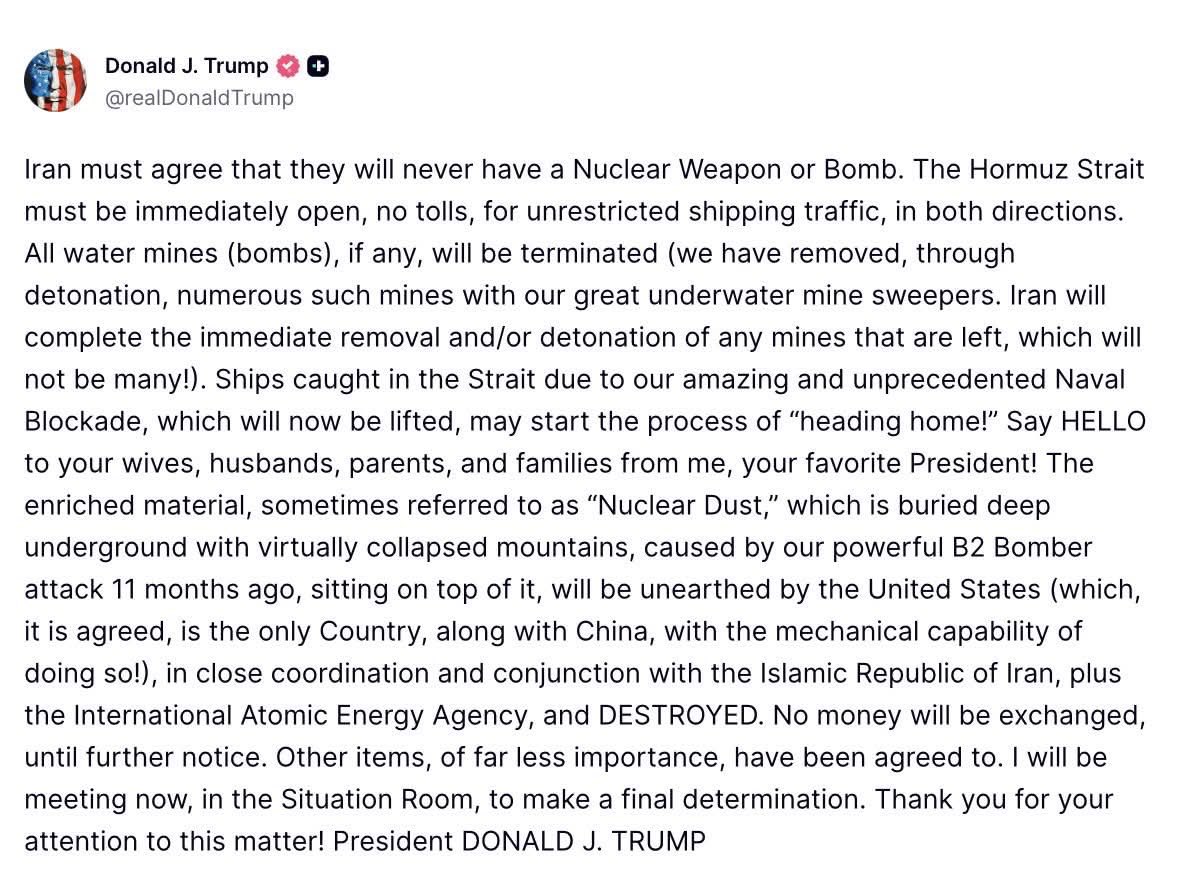
According to U.S. President Donald J. Trump, a meeting will happen now in the White House Situation Room to make a final determination on a potential U.S.-Iran deal. Per President Trump, the U.S. blockade of vessels traveling to and from Iranian ports will now be lifted. According to Trump, Iran will also remove mines and commit to allowing the removal enriched material under the watch of the International Atomic Energy Agency. Additionally, per the statement, "Other items, of far less importance, have been agreed to.”
English
@BigSillyFunhaha @pressurethefilm The weather on June 5 and 6 is one of the main reasons the Axis discounted an invasion then. The success of the invasion depended on taking the chance after recognizing the narrow opportunity that opened. The Axis didn't have the N. Atlantic data.
English

@pressurethefilm Everything of interest there is to tell about the Allied front of the Second Word War has been told.
They'll dramatize the weather reports and mail sorting before they make a movie from the Axis pov
English
Sky Observer Anthony Cook retweetledi

When Navy seaman Douglas Hegdahl fell overboard into the Gulf of Tonkin in 1967, North Vietnamese forces pulled him out of the water and dragged him to the most feared prison of the Vietnam War — the Hanoi Hilton.
He was young. He was low-ranking. And the moment he arrived, he made a decision his captors never saw coming.
He would become the dumbest man in the room.
Hegdahl shuffled around the prison yard with a blank expression and a dopey grin, tripping over things, asking confused questions, acting like a man who couldn't tie his own shoelaces. His guards laughed at him. They gave him a nickname — "The Incredibly Stupid One" — and, crucially, they gave him something no other prisoner had: the freedom to wander.
They thought he was harmless.
He was anything but.
While his captors looked away, Hegdahl quietly dropped dirt and stones into enemy truck fuel tanks, sabotaging their operations one engine at a time. But that wasn't his real mission. His real mission was invisible.
Every day, Hegdahl watched. He listened. He memorized — the name of every American prisoner held in that camp, their capture date, the conditions they endured, the torture they suffered. Information the North Vietnamese deliberately hid from the outside world. Information that hundreds of families back home were desperate for.
And he found a way to make sure he'd never forget a single detail.
He set every name, every date, every fact — to the tune of "Old MacDonald Had a Farm." He sang it silently in his head, day after day, in a prison cell, surrounded by men who had no idea what the young fool was quietly carrying.
In 1969, the North Vietnamese released him early as a propaganda gesture. They wanted to show the world their generosity. They thought they were setting a harmless simpleton free.
Instead, they handed the United States one of the most valuable intelligence assets of the entire war.
The moment Hegdahl reached American soil, he delivered everything — name after name after name. Over 250 prisoners accounted for. Families who had waited years in agonizing silence finally learned their sons, husbands, and fathers were alive.
Senior military officers later said his information was so detailed, so precise, that it fundamentally changed how America understood the POW situation in Vietnam.
Douglas Hegdahl never fired a weapon. He never led a charge. He won his battle by making the enemy believe he was nothing — and quietly becoming everything.
The most dangerous person in the room isn't always the loudest. Sometimes, it's the one they forgot to watch.

English
Sky Observer Anthony Cook retweetledi

☀️ The Sun today — not as quiet as it looks. What you see here are sunspot groups AR4444, AR4447, AR4455 and AR4464. Dark patches on a star 1.4 million km across. Each one a region of intense, twisted magnetic fields suppressing the surface plasma from below — that's why they appear darker: they're "only" around 3,500 K, while the surrounding photosphere burns at ~5,778 K.
AR4447 has been the quite active of the bunch lately, leading flare production with several C-class events. And AR4455 — just rotating into view from the far left side — has already been firing prominences and jets, with astronomers watching closely to see what it brings.
Solar Cycle 25 peaked around October 2024 and activity has been gradually declining 📉 since early 2026 — so catching a disk this busy, YEAH, is still worth documenting. 🔭😉
Shot in white light through my Takahashi TOA-130NFB telescope + Sony A7RV + Sony FE 2× teleconverter. The granulation texture across the photosphere — that subtle "orange peel" surface — is convection cells, each roughly the size of Greece 🇬🇷, churning beneath you. #SolarObserving

English
@Space_Mog I see that a later post literally cleared up the mystery!😂
English
@Space_Mog I’d guess something in the near foreground, out of focus inside the spacecraft or just outside the window.
English

Does anyone know what the orange band is on this moon image (ART002-E-29224) taken by artemis II? It's on quite a few images in same place on the moon but not in all images... just an lens artefact? (i'm not convinced)


English
Sky Observer Anthony Cook retweetledi

Today's H-alpha Sun in good seeing at 17:50 UTC.

English
Sky Observer Anthony Cook retweetledi

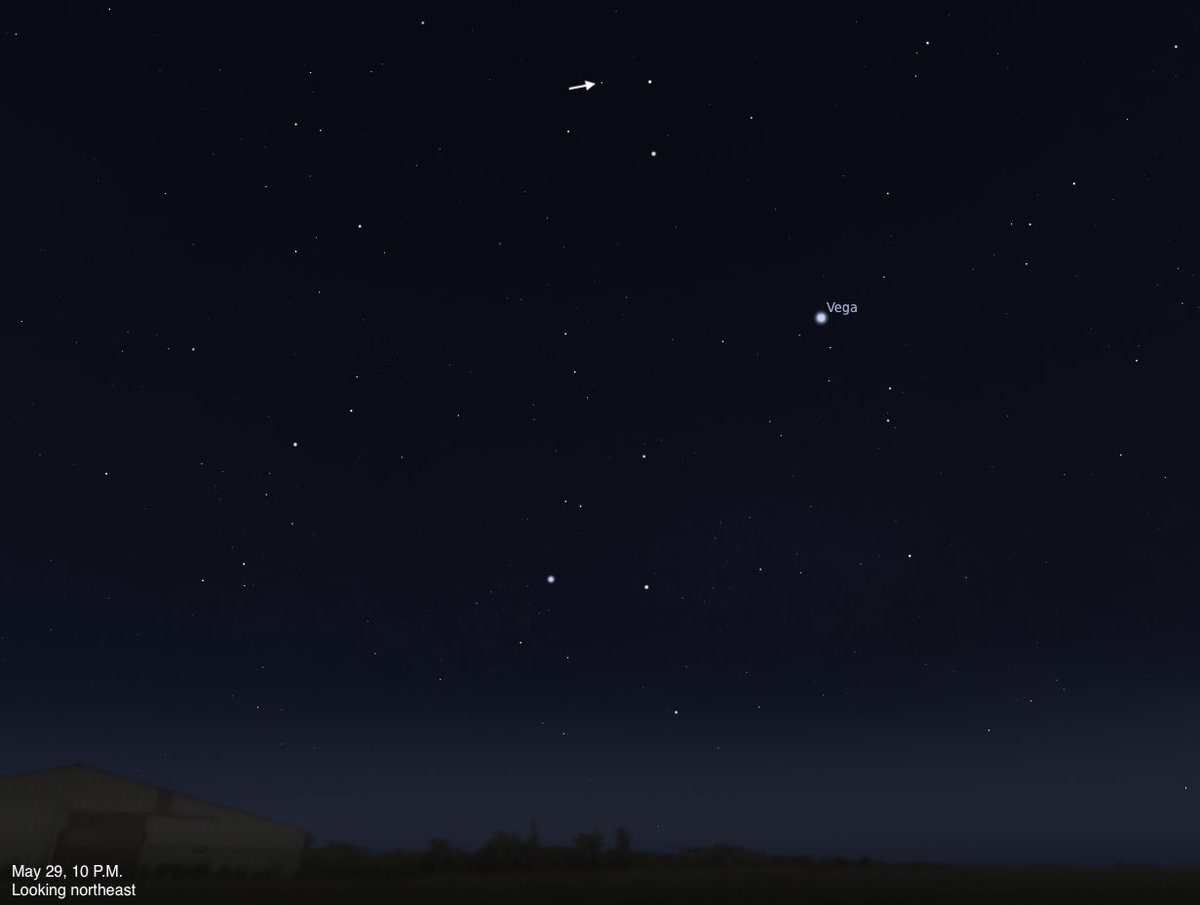
Sky Today: May 29
One of the easiest double stars to split in the sky, Nu Draconis is ready for you to view its two glowing white stars this evening.
Image credit: Stellarium
Read more:
vist.ly/55uym
English